


Plum City, WI Heating Cooling Plumbing


To get assistance with your HVAC and plumbing repairs, maintenance, and installations, look no further! To see what our satisfied customers think about our HVAC and plumber services in Plum City, WI, read our reviews below.
Recent Jobs and Reviews in Plum City, WI
Plum City, WI at a glance
Hurlburt Heating & Plumbing has completed 20 jobs in Plum City, WI between July 2026 and October 2026.
The most recent job was on October 14, 2026.
Hurlburt Heating & Plumbing has completed 105 jobs in Plum City, WI in the last 12 months. The first job there was in October 2015.
Job Locations and Reviews
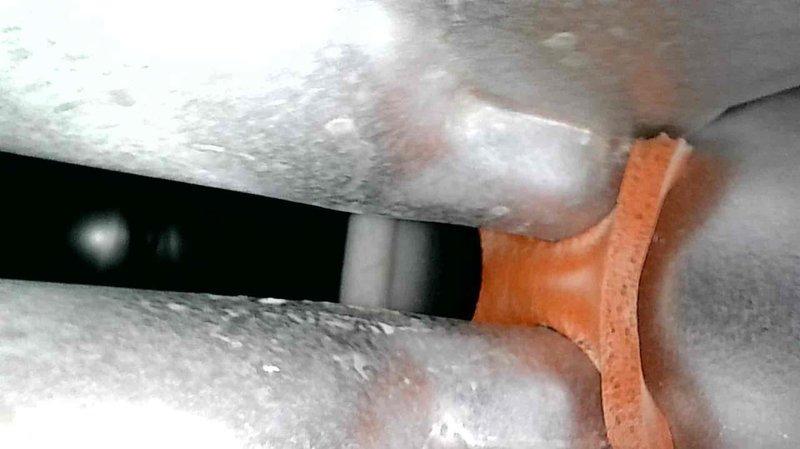
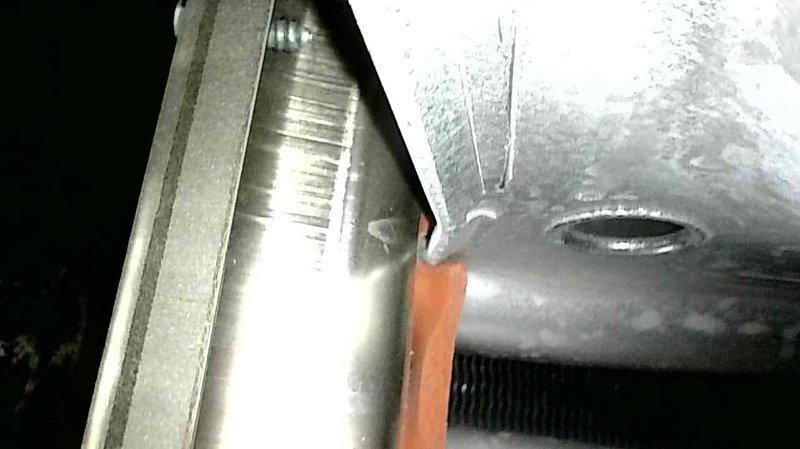

Performed a scheduled maintenance tune-up on a 3-year-old gas furnace under the maintenance agreement, completing all items on the tune-up checklist. Inspected internal components, including the heat exchanger area and cabinet interior via borescope, and found no visible frost, rust, or cracks.
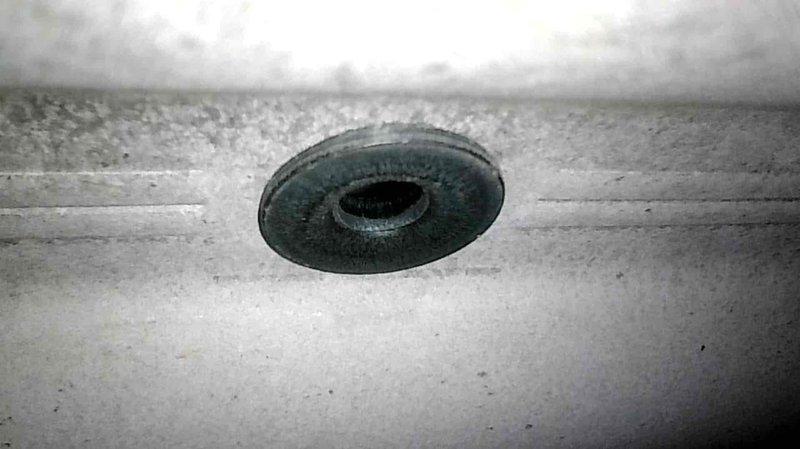
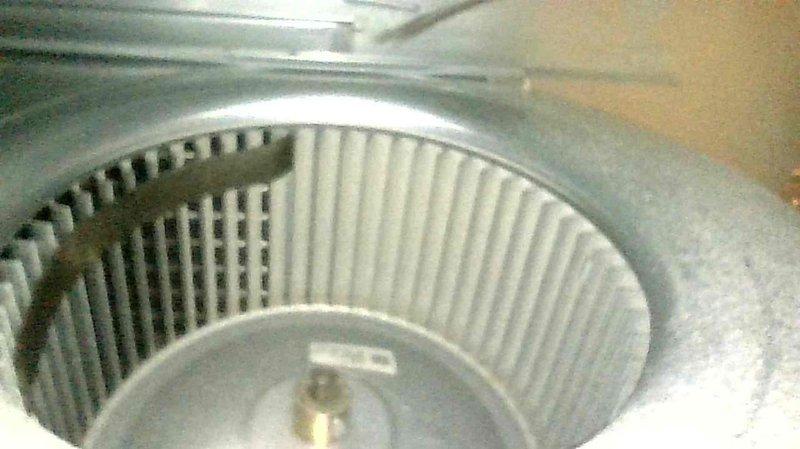
Performed a maintenance service on a 2011 furnace, including inspection of the burner assembly and blower compartment and a review of overall system operation. Inspection determined the burners require replacement, and an estimate will be provided for the customer's approval. Service was completed.
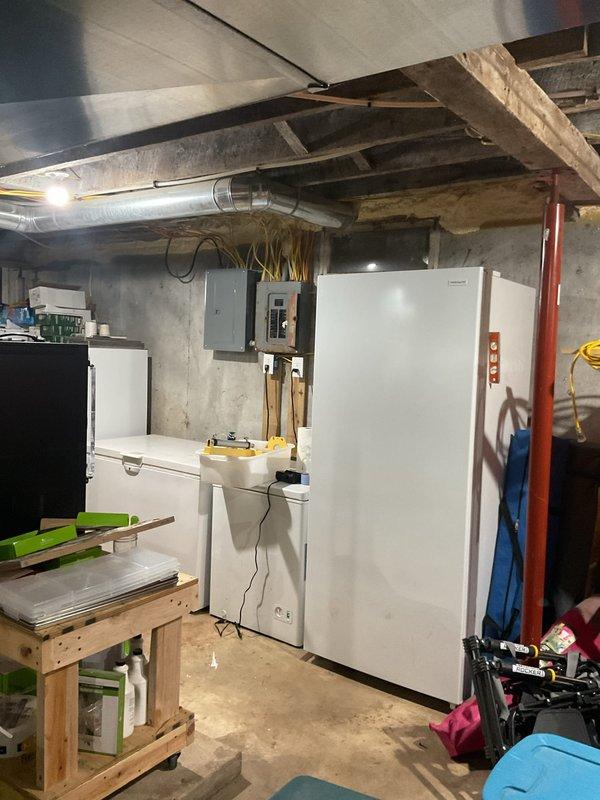
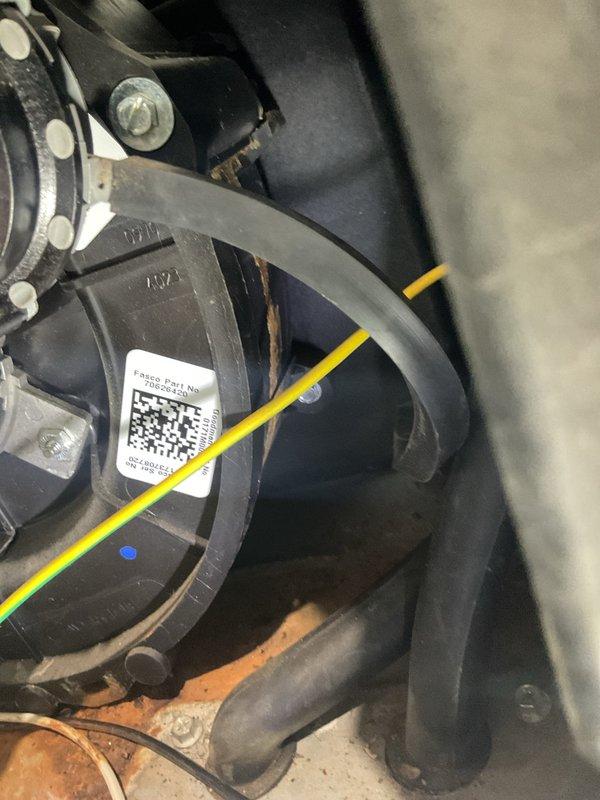
Completed scheduled heating system maintenance on a 9-year-old Goodman furnace per family rewards program agreement. Performed comprehensive tune-up procedures including inspection of all mechanical components, electrical connections, blower motor assembly, and ductwork system in basement installation. All systems operating within normal parameters with no deficiencies noted or additional service requirements identified at time of visit.
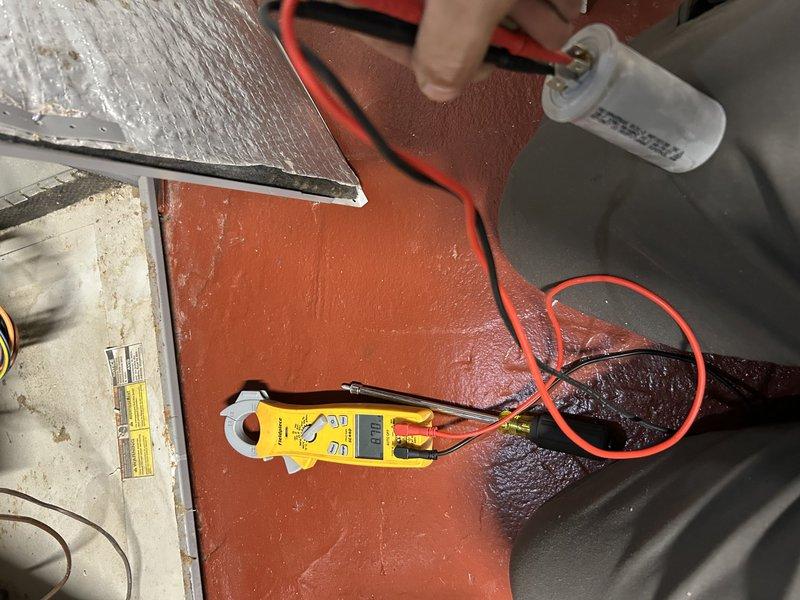
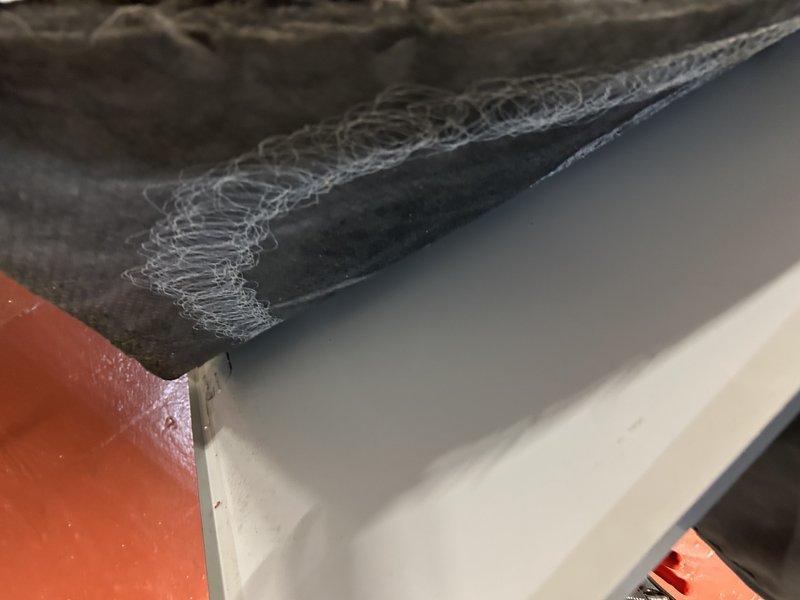

Completed annual fall tune-up on gas furnace system. Performed operational testing and comprehensive system inspection. Discovered plugged condensate trap that could not be cleared and requires replacement. Measured blower capacitor at 8.7 microfarads, below acceptable range and showing signs of weakness. Conducted visual inspection of heat exchanger using scope camera—no cracks or holes detected. Identified evaporator coil with moderate dirt accumulation requiring professional cleaning. Cleaned and inspected remaining system components, all functioning within normal parameters. Provided customer with pricing options for evaporator coil cleaning service, which will require either coil removal or heat exchanger removal for proper access. System operational but requires condensate trap replacement and capacitor replacement to ensure reliable heating season performance.
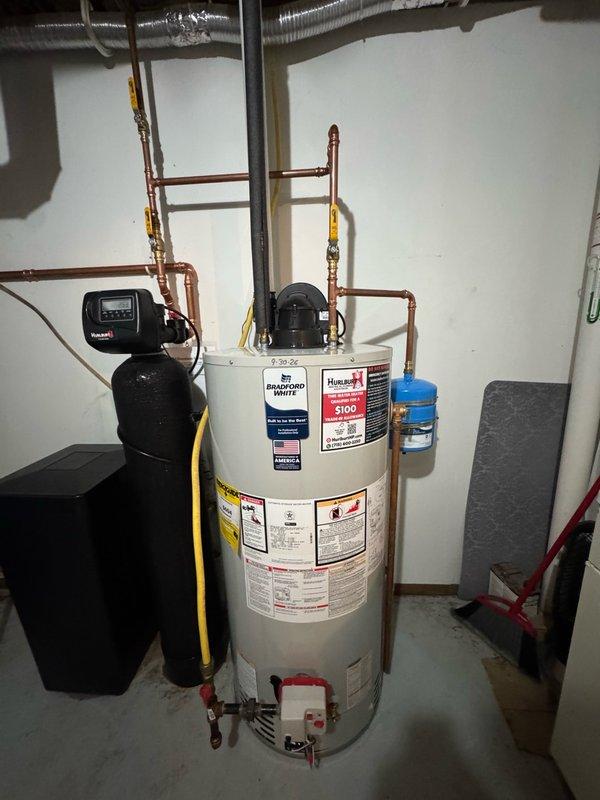
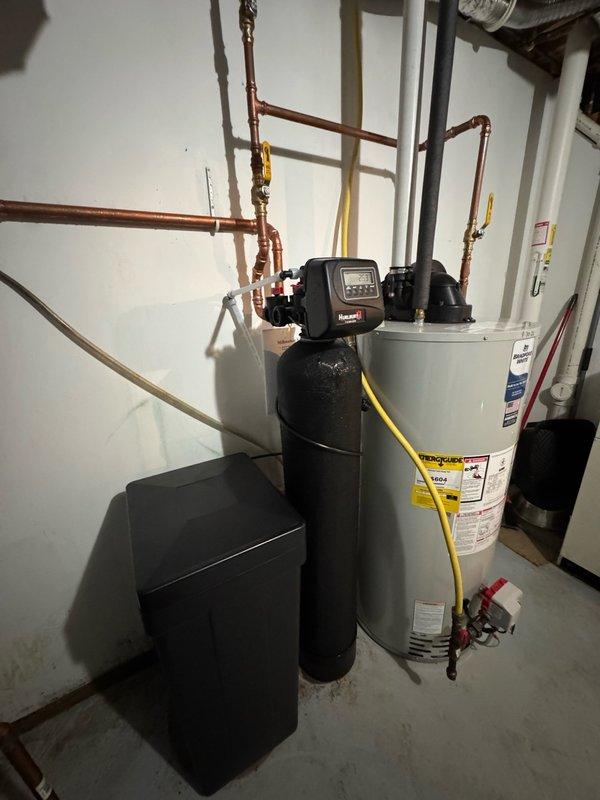

Upgraded residential water system by removing existing 202 model 20-gallon pressure tank and installing new 203 model 30-gallon pressure tank with new gooseneck fitting. Reconfigured copper piping connections to accommodate larger tank capacity and ensured proper integration with existing water heater and treatment system. All connections tested and system restored to full operation.
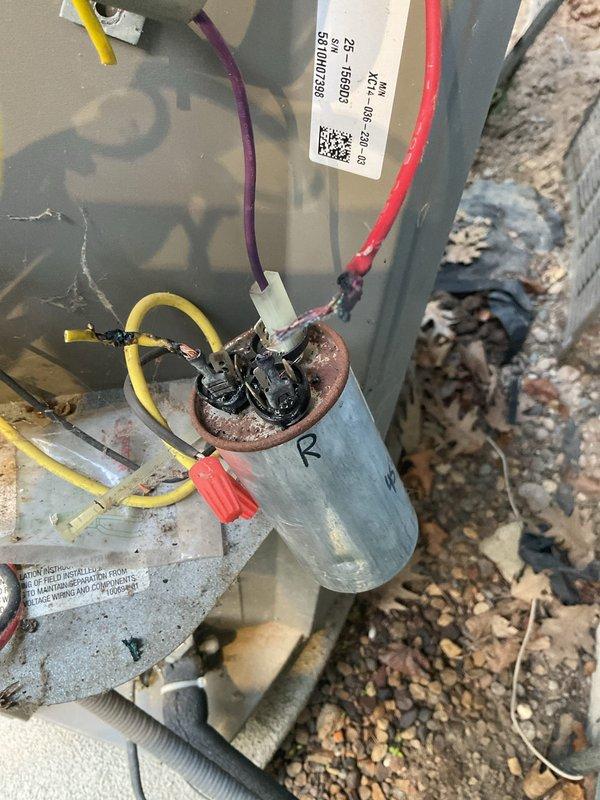
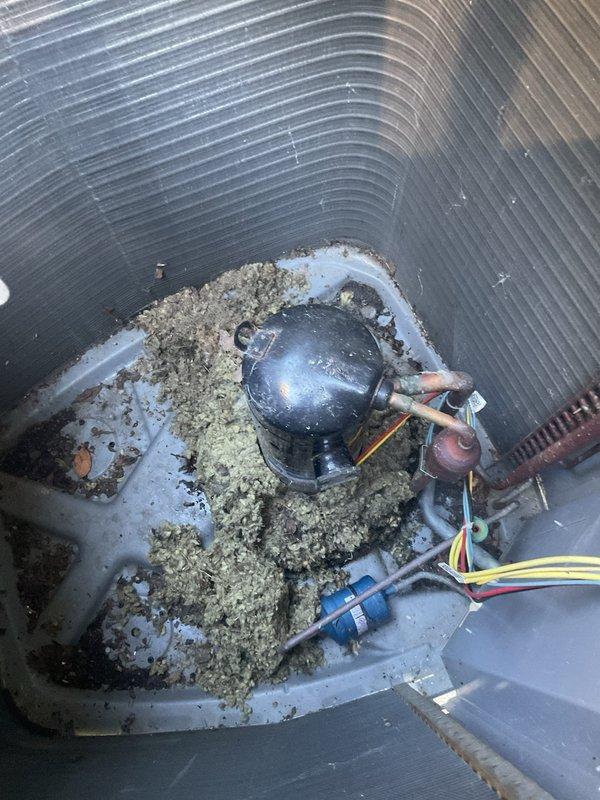
Completed comprehensive AC and furnace tune-up as part of maintenance agreement. During inspection, discovered capacitor with severely burned and corroded terminal connections that had shorted out, causing circuit breaker to trip. Upon further diagnosis, found compressor had failed with dead short to ground. Heavy debris accumulation noted throughout unit interior. Documented equipment condition with photos showing extent of capacitor damage and compressor failure. Recommended pricing for compressor replacement and scheduled comfort advisor consultation to evaluate full AC system replacement options due to severity of component failures.
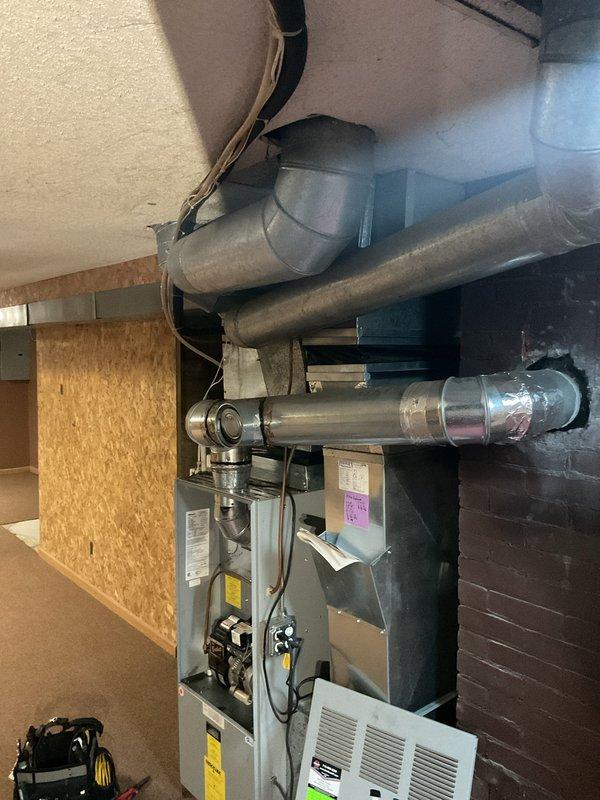
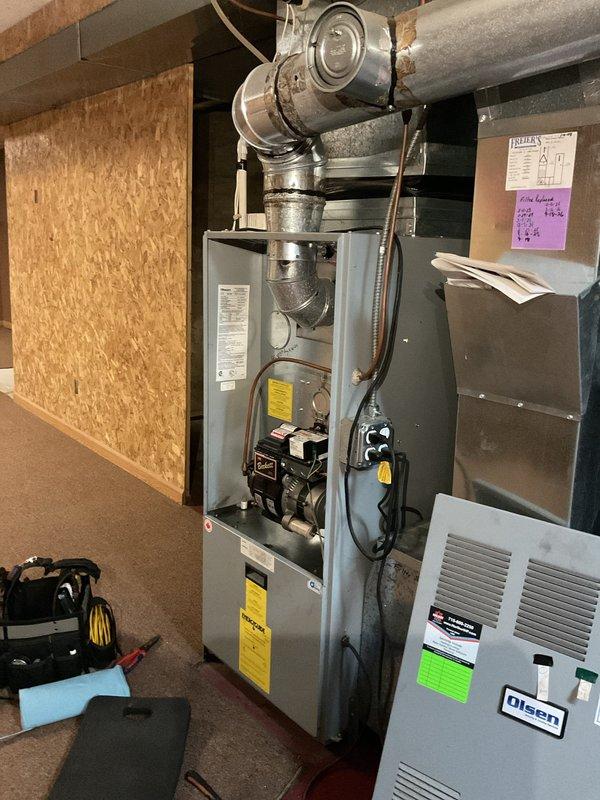
Completed comprehensive tune-up on oil furnace including nozzle replacement, heat exchanger inspection, electrode adjustment and cleaning, and installation of customer-supplied 25x20x5 air filter. Transformer tested and found to be operating at reduced capacity; provided estimate for T92 transformer replacement as preventive measure. System currently igniting properly, but recommended monitoring for any loud ignition sounds which would indicate need for transformer replacement.
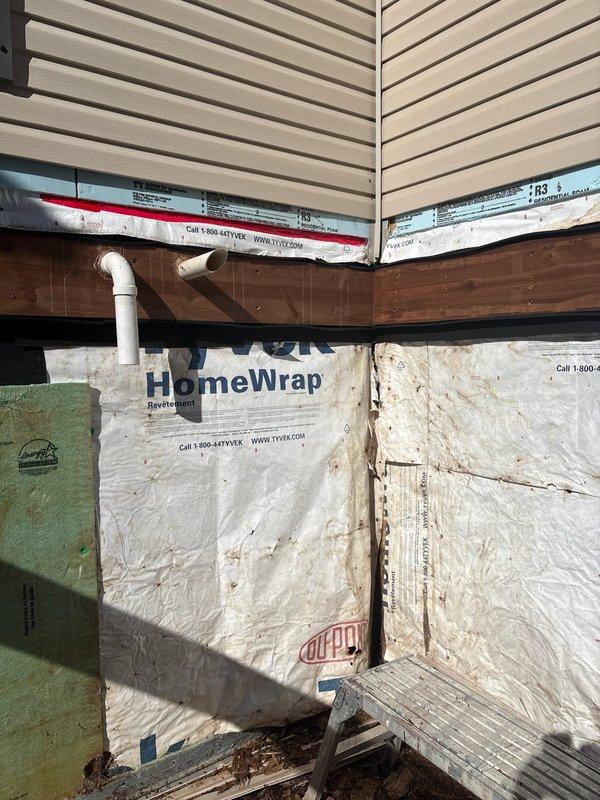
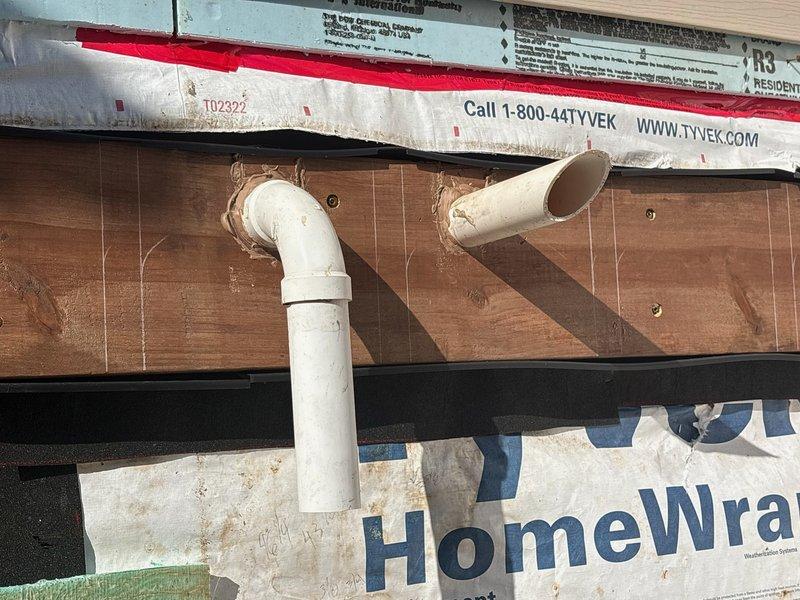

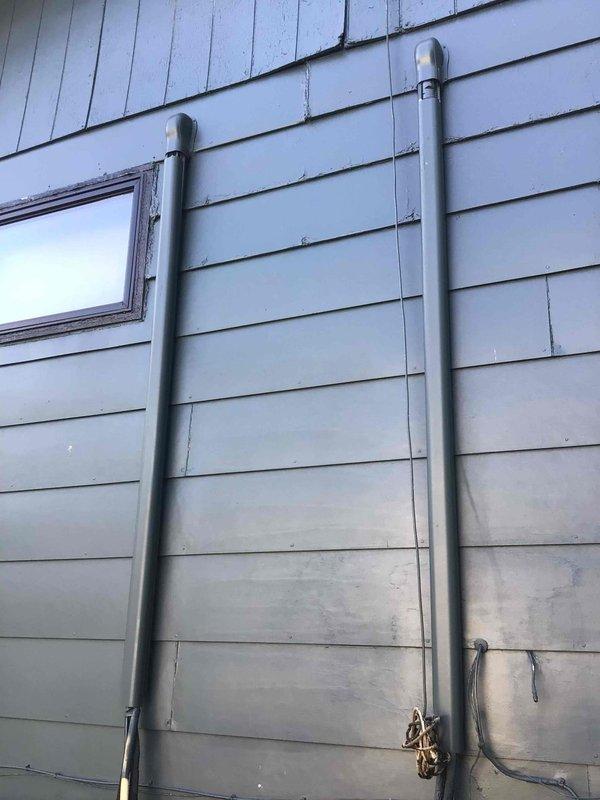
Responded to moisture issue caused by inadequate furnace exhaust venting that resulted in structural damage to building corner. During deck reconstruction with open access to framing, assessed existing HVAC system and determined original exhaust termination was insufficient. Designed and installed new exhaust vent route through alternative wall penetration to eliminate moisture concerns, while existing intake remained in place under deck. Installation included 20-25 feet of 3" PVC pipe with appropriate fittings: four 45-degree elbows, four 22-degree elbows, four couplings, 3x2 reducer, and 2 feet of 2" PVC pipe. Secured piping with J-hooks per code requirements. New exhaust termination properly vented to exterior through building wrap and siding, ensuring adequate clearance and preventing future condensation issues. Two-technician installation completed while framing work provided accessible working conditions.
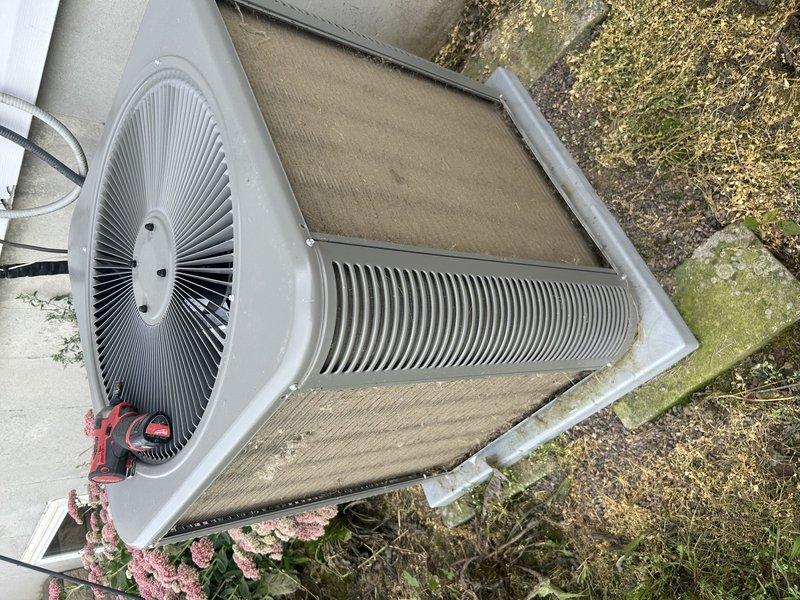
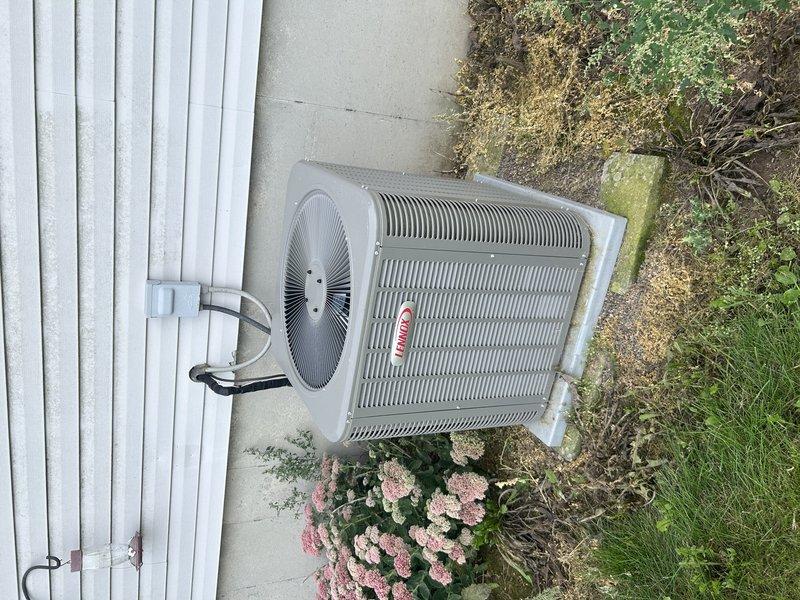
Performed comprehensive maintenance on residential furnace and air conditioning system. Tested furnace operation and inspected flame sensor, igniter, and heat exchanger with all components functioning properly. Air filter found clean and temperature rise measured within manufacturer specifications. Transitioned system to cooling mode and pressure-washed condenser coil to remove accumulated dirt and debris. Tested all electrical components and verified proper operation of outdoor condensing unit. System operating at optimal performance levels with no deficiencies noted.
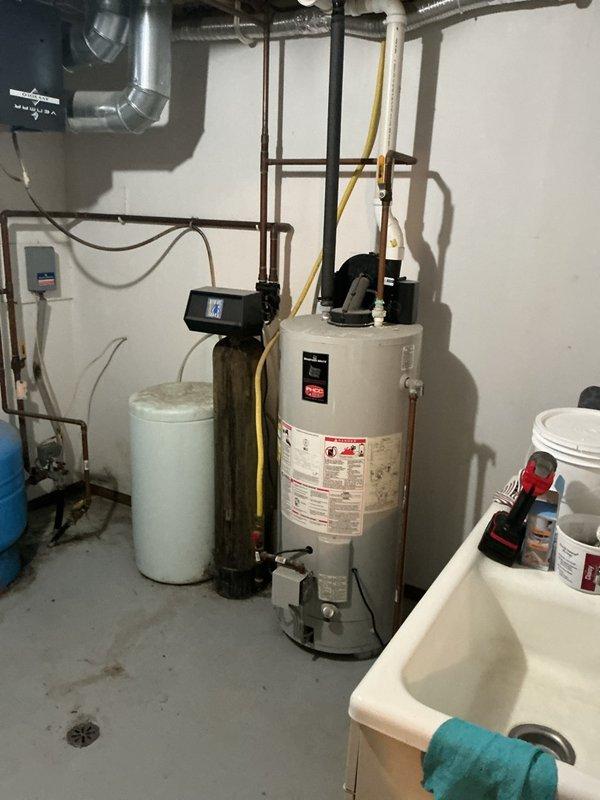
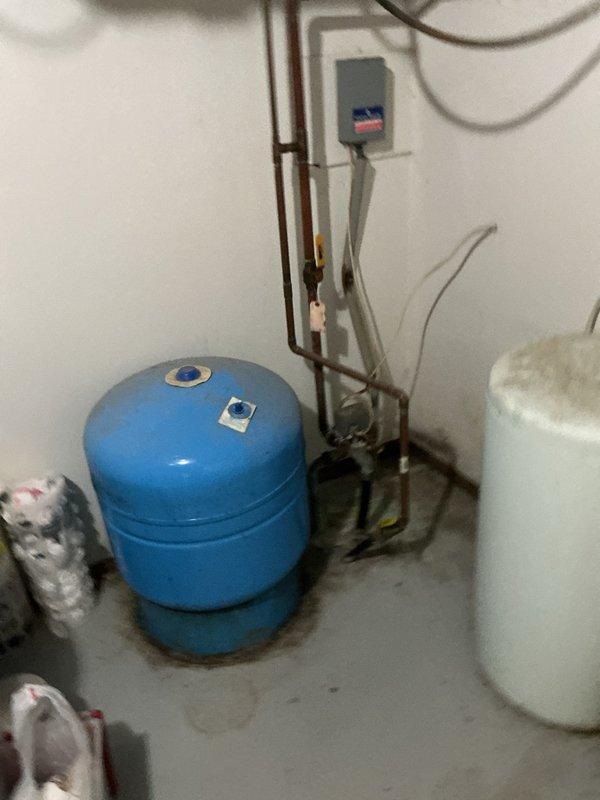

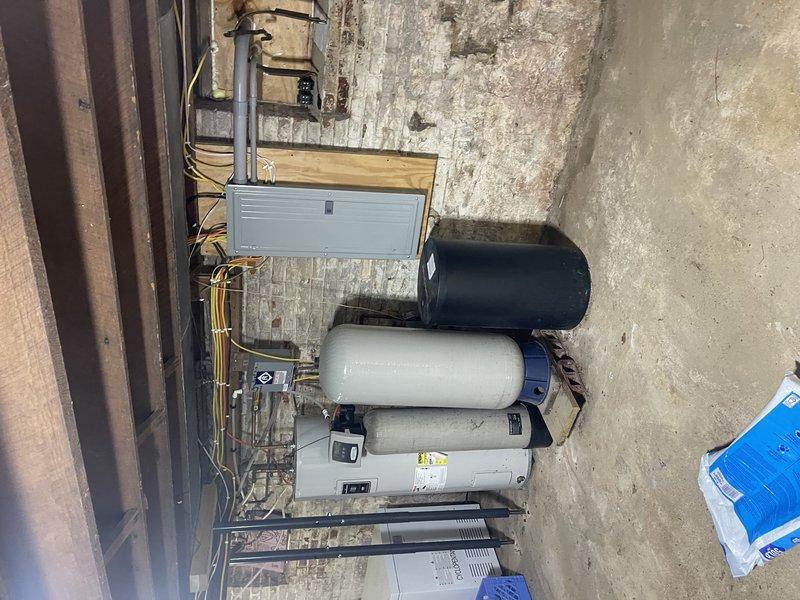
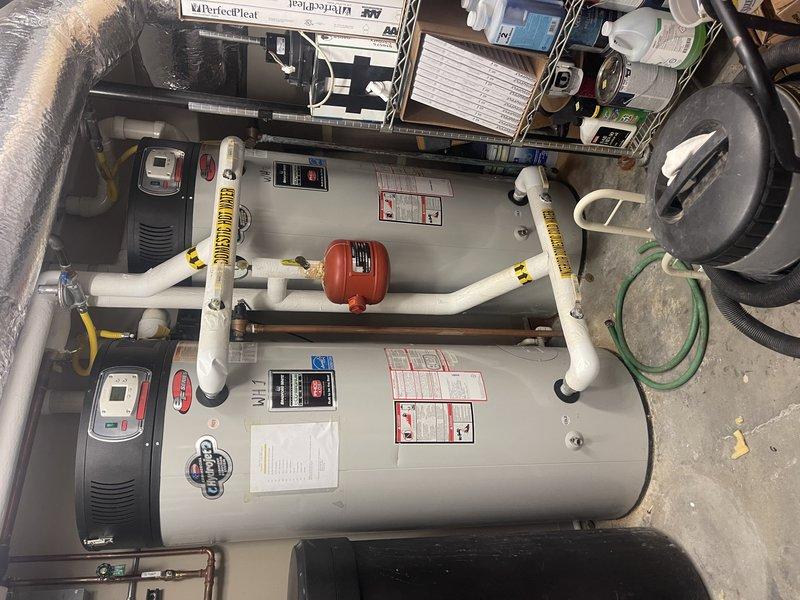
Performed comprehensive inspection and maintenance on tanked water heater system over 10 years old. Completed full flush of water heater to remove sediment buildup and restore optimal heating efficiency. Conducted water quality testing and thorough inspection of water softener system to ensure proper operation of all components. Verified all plumbing connections, pressure tank, and associated equipment were functioning correctly.
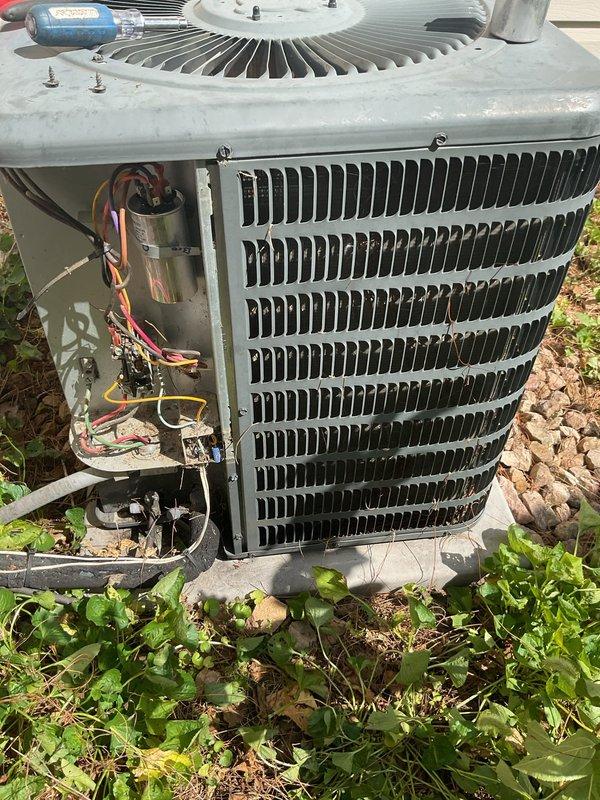
Responded to no cooling call on 23-year-old residential air conditioning system. Upon inspection, discovered a burned wire disconnected from the dual run capacitor with damaged terminal. Replaced failed capacitor, reconnected all electrical connections, and verified proper system operation. Unit restored to normal cooling function.
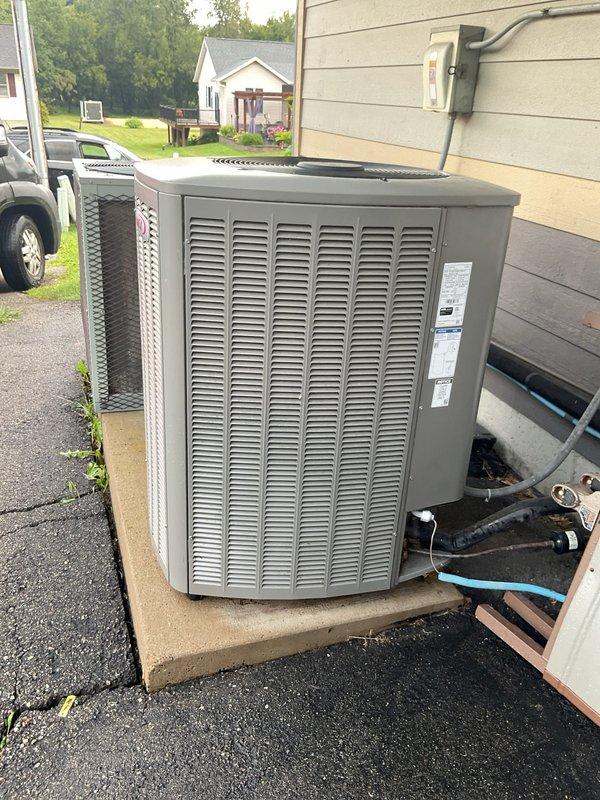
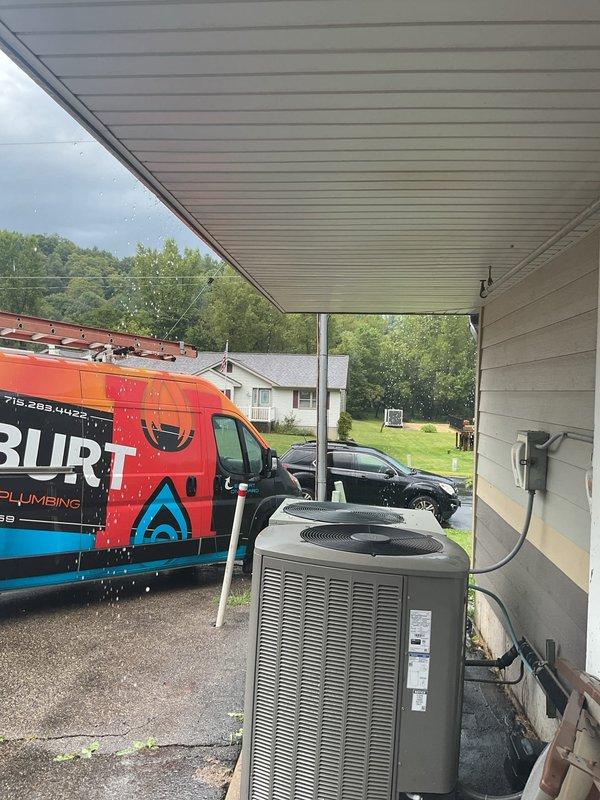
Responded to no-cooling condition on 3-year-old kitchen A/C unit displaying error code indicating lost power to inverter. Found unit non-operational with error code present. Verified incoming voltage at 218V. Reset system after determining recent power issues may have caused fault. Unit restarted successfully and ran for 30 minutes with normal operation restored. Cleaned condenser coil due to heavy dirt accumulation affecting performance. Advised that intermittent inverter power loss could indicate failing inverter board or display board if issue recurs. Prepared estimate for inverter board and display board replacement as preventative measure.
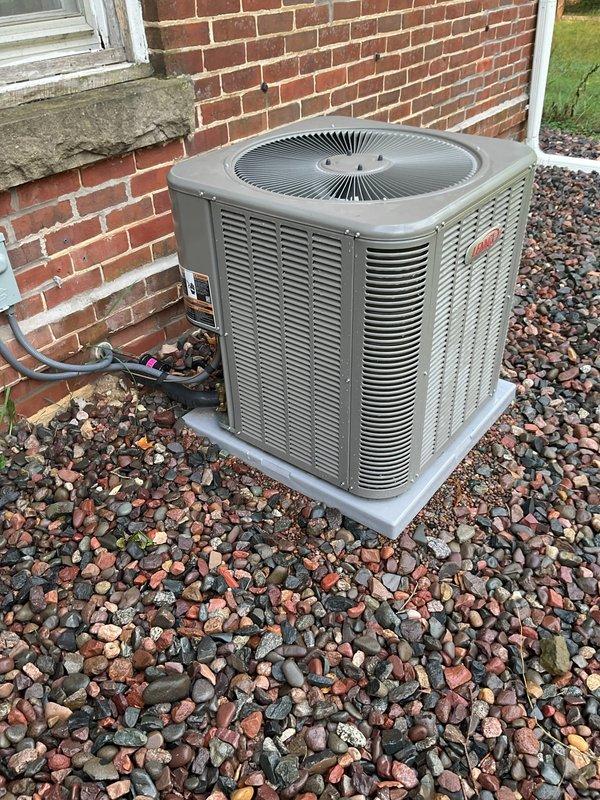
Responded to no-cool complaint on one-year-old residential AC unit reportedly tripping power and dimming lights during startup. Performed diagnostic evaluation including capacitor testing, hard start kit inspection, disconnect wiring verification, and electrical panel wiring check at main fuse box. Measured amp draw at approximately 7 amps on one leg. After weather cleared, connected manifold gauges and recorded refrigerant pressures with subcooling at 8°F and superheat at 20°F at 70°F ambient temperature. Cycled unit power multiple times with normal startup operation observed. No electrical or mechanical faults identified during service call, unit operating within normal parameters at time of inspection.
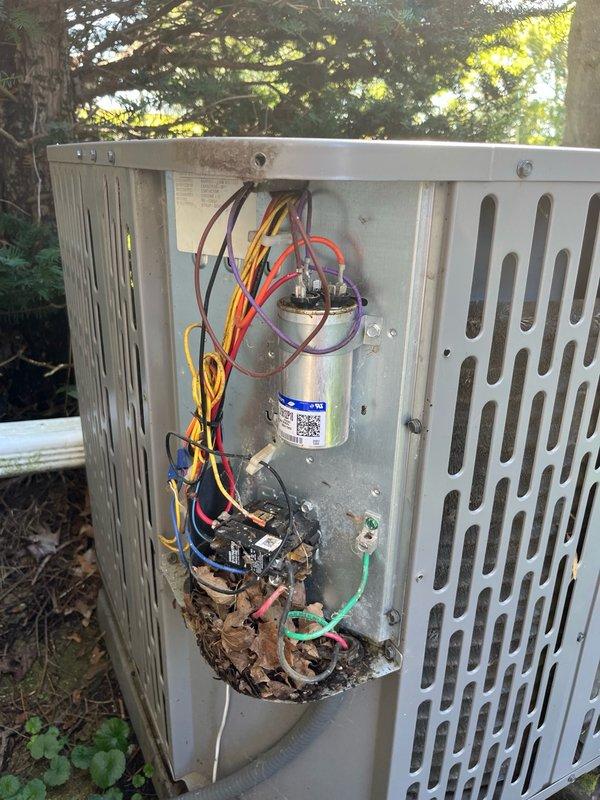
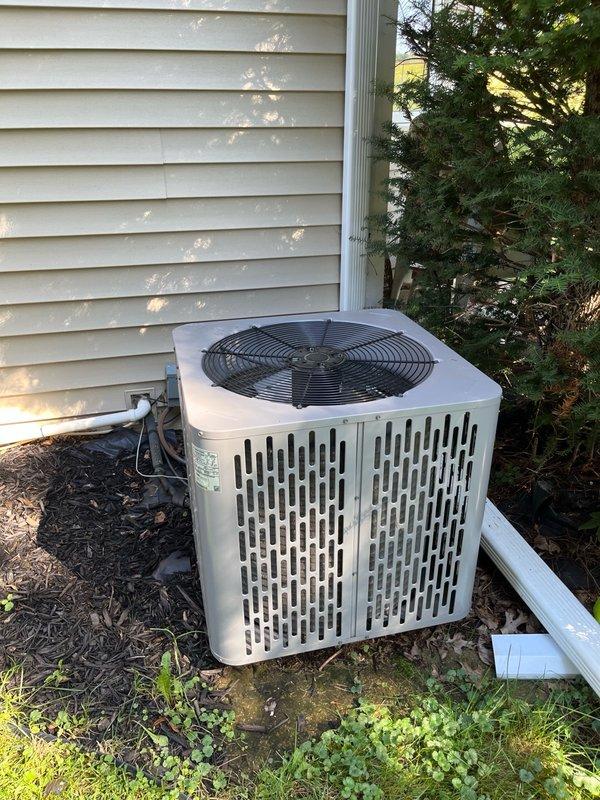
Responded to no cool call on 5-year-old central air conditioning system. Upon arrival, exterior breaker was in off position due to loud grinding noise reported by homeowner the previous evening. Homeowner also reported lights dimming during compressor startup throughout the summer season. Restored power at exterior disconnect and observed normal operation with no abnormal noise present. Performed comprehensive electrical diagnostics including compressor winding resistance testing, contactor operation, capacitor values, and voltage measurements. All electrical components tested within manufacturer specifications. Cycled system power multiple times attempting to replicate reported grinding noise condition with negative results. Based on symptom description and dimming lights history, preliminary assessment indicates possible hard start condition or compressor start failure on single occurrence. Interior inspection of condenser unit revealed significant accumulation of organic debris
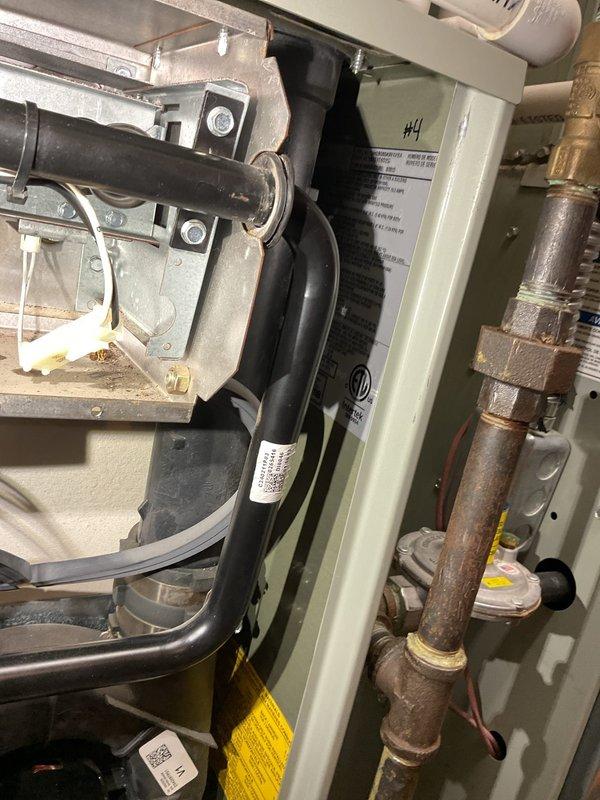
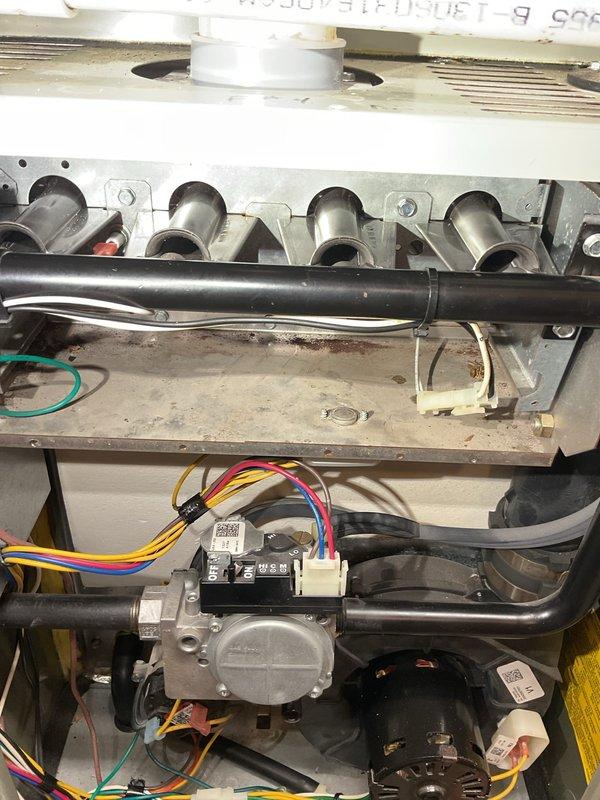
Completed furnace burner assembly replacement on commercial heating unit as previously diagnosed and estimated. Removed existing burner assembly and installed new burners with all necessary connections to gas valve and ignition components. Verified proper gas flow, ignition sequence, and flame characteristics across all burners. Tested heating system operation through complete cycle to confirm unit is functioning correctly and safely. System restored to full operational status.
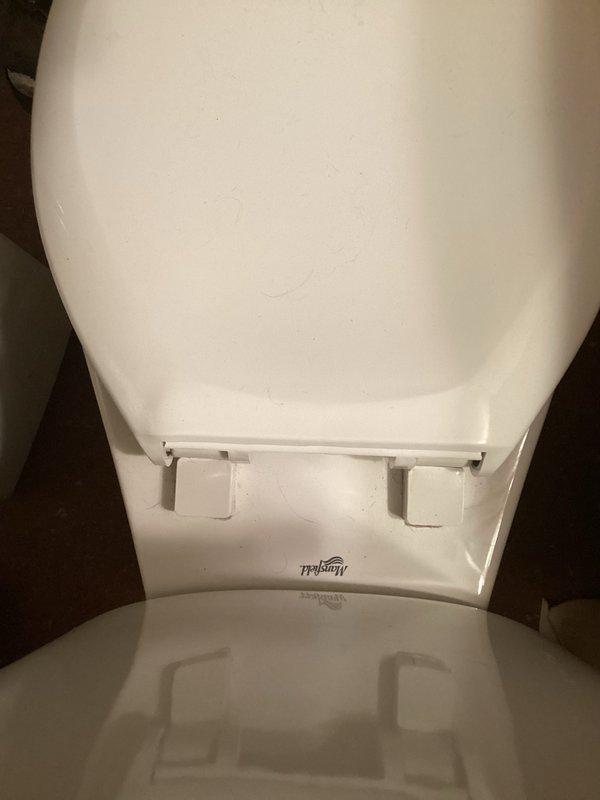
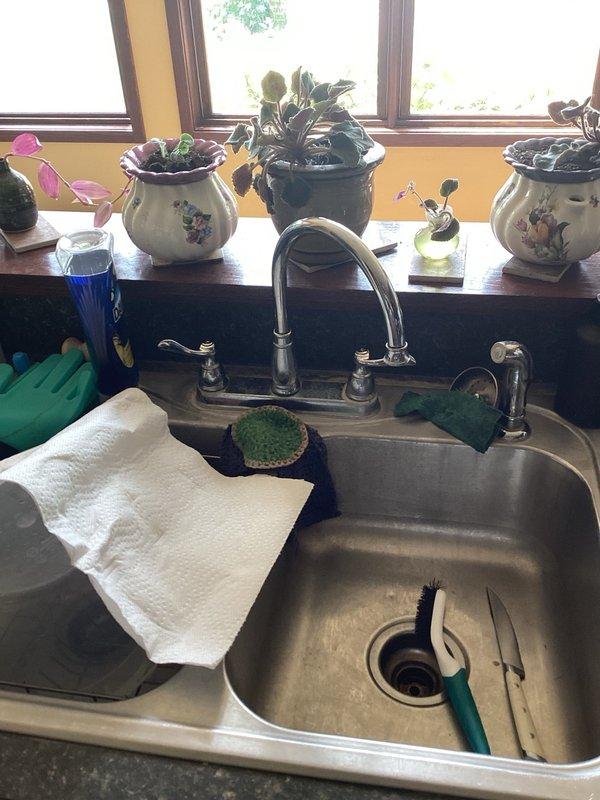

Completed comprehensive plumbing inspection of residential property including examination of bathroom fixtures and kitchen plumbing systems. Inspected toilet operation, mounting hardware, and bowl condition; verified proper function and water levels. Evaluated kitchen sink double-basin assembly, chrome faucet with spray attachment, supply lines, and drain connections for leaks or operational concerns. All fixtures photographed and documented as part of recurring maintenance service, with electrical inspection also scheduled for this visit.
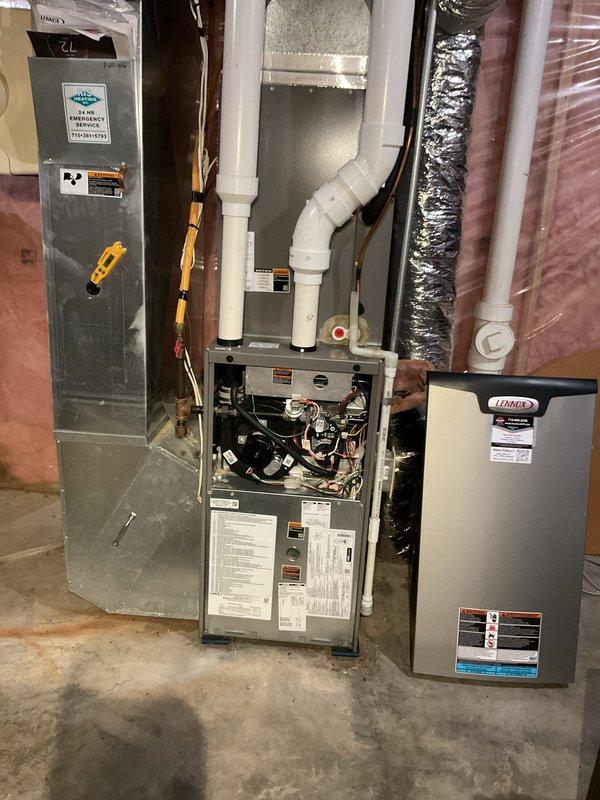
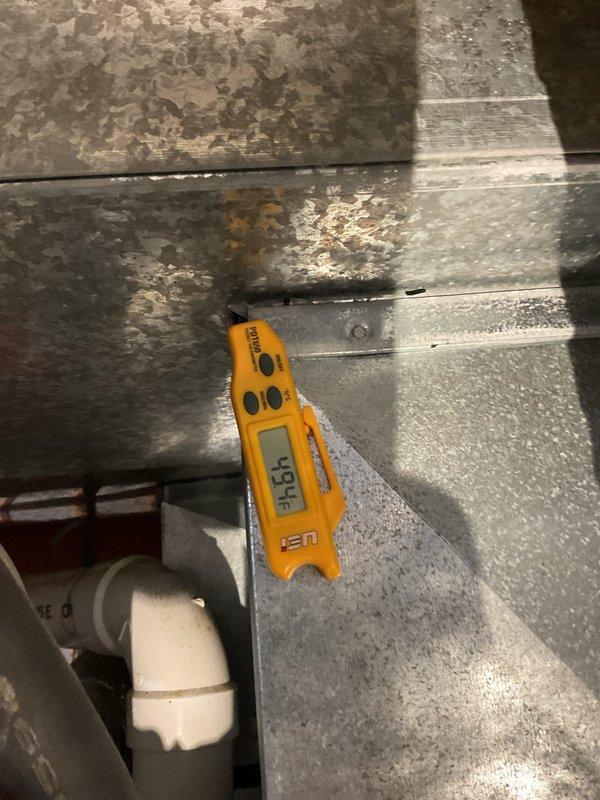
Completed comprehensive annual air conditioning tune-up on Lennox HVAC system as part of Family Rewards membership maintenance program. Performed thorough inspection of basement-installed gas furnace, air handler, and associated components including electrical connections, circuit boards, mechanical assemblies, condensate drainage system, and ductwork. Utilized digital diagnostic equipment to measure system performance parameters, verified proper operation of all units, and documented equipment condition with thermal readings showing 43.8-degree temperature differential, confirming efficient cooling operation.
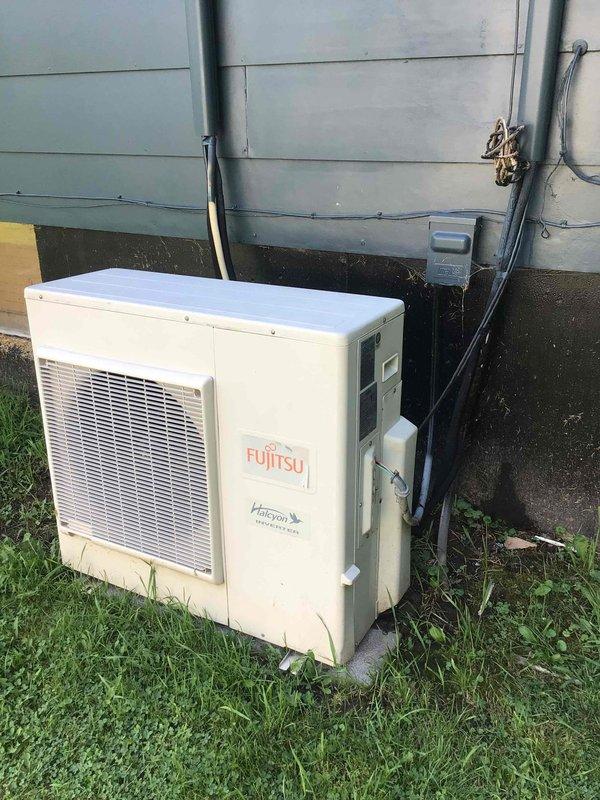

Responded to no cooling complaint on 16-year-old Fujitsu mini-split system. Upon inspection, found frozen refrigerant lines and confirmed unit had required R-410A refrigerant charge in 2021, indicating previous leak history. Customer disclosed physical impact damage to outdoor unit from golf cart collision. Given the age of the system, extent of damage, and history of refrigerant loss, advised customer that repairs would not be cost-effective. Provided replacement options and scheduled comfort advisor appointment for system replacement consultation.
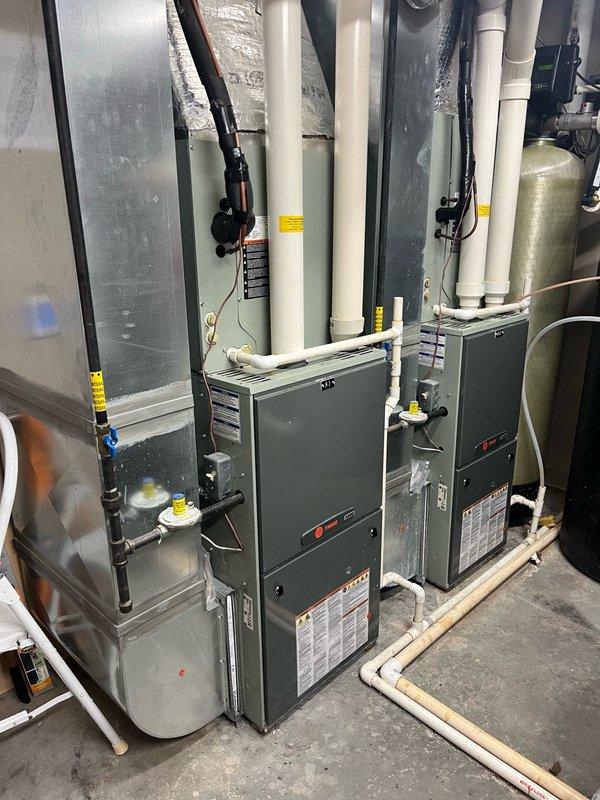
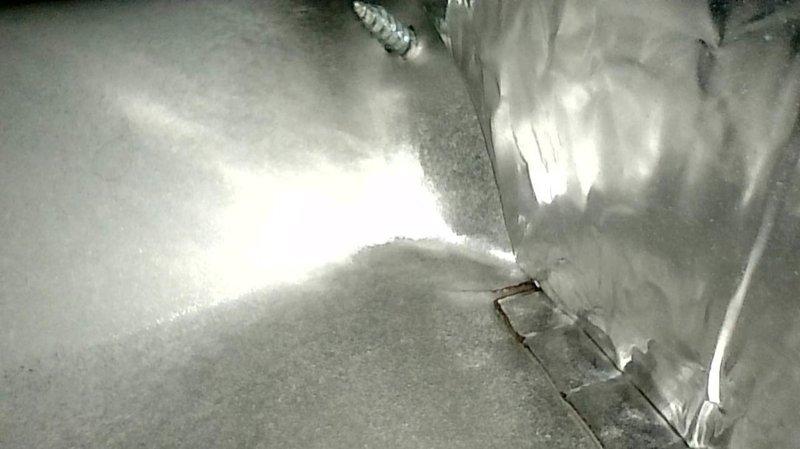
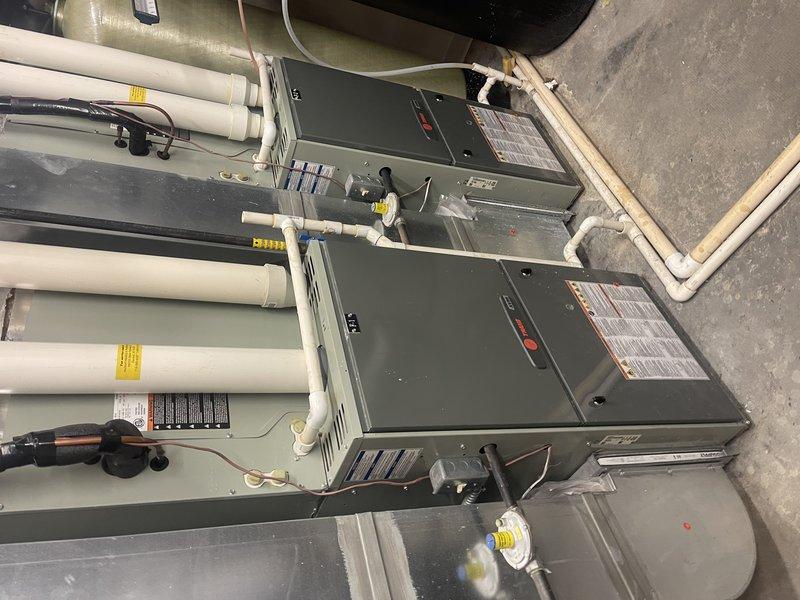
Completed commercial furnace inspection on four heating units for state compliance documentation. Performed comprehensive inspection of all electrical components, flame sensors, condensate lines, filters, blowers, evaporator coils, burners, gas pressures, and motor amp draws across all units. **Furnace #1:** All electrical components within specifications. Cleaned flame sensor and verified condensate drainage. Filters, blower, secondary heat exchanger, and evaporator coil all clear. Burners clean with proper gas pressures confirmed. Heat exchanger inspection revealed typical Trane cracking at burner inlets along riveting edges—early stage deterioration noted. Recommended annual inspections moving forward to monitor progression. Inducer motor previously replaced in 2024. **Furnace #2:** All electrical components within specifications. Cleaned flame sensor and verified clear condensate lines with proper drainage. Burners free of debris. Filter and blower clean, secondary heat exchanger
Responded to a request to inspect and verify proper programming and functionality of four thermostats and remote sensors at a care center facility. Upon arrival, discovered multiple thermostat and sensor communication issues affecting temperature control accuracy. The dining room thermostat had lost communication with its remote sensor, preventing proper temperature readings for that zone. Reconnected and reconfigured the dining room thermostat to restore sensor communication. Found the hallway thermostat was incorrectly configured to average temperature readings between the remote sensor and the mechanical room thermostat, resulting in inaccurate temperature control. Corrected the configuration to read from the appropriate remote sensor only. Additional sensors were found overshooting cooling setpoints due to improper recognition and calibration. Adjusted all affected sensor settings and verified proper communication between thermostats and remote sensors. Monitored all four thermosta


©2026 Hurlburt. All Rights Reserved.
Privacy Policy | Terms and
Conditions
This site is protected by reCAPTCHA and the Google Privacy Policy and Google Terms of Service apply.
