


Local Plumbers and HVAC Services in Hudson, WI


Why Hudson Homes Require a Different Approach
Hudson’s housing market looks very different from many communities across western Wisconsin. Near Historic Downtown Hudson, the Octagon House Museum, and the St. Croix River, you’ll find homes that have stood for generations. Travel toward County Road F, County Road A, Heritage Greens, or the Troy Burne area, and you’ll see neighborhoods built within the last two decades featuring advanced Air Conditioning and Heating systems, smart home technology, and increasingly sophisticated electrical infrastructure.
That variety creates very different service needs from one property to the next. On any given day, our technicians may be servicing a boiler in an older riverfront home, installing a whole-home generator in a newer subdivision, or helping a homeowner improve humidity control in a house overlooking the St. Croix Valley. Understanding how Hudson has grown allows us to make recommendations that fit the specific home rather than offering a one-size-fits-all solution.
Managing St. Croix River Valley Humidity and Summer Comfort
When homeowners in Hudson call about cooling problems, temperature is often only part of the story. Humidity plays a major role in how comfortable a home feels, particularly for properties located closer to the St. Croix River, North Hudson, and other lower river valley areas. Even when temperatures remain reasonable, excess moisture can leave a home feeling uncomfortable and force air conditioning systems to work harder than necessary.
Many homeowners assume they need a larger air conditioner when the real issue is humidity management, airflow design, or aging equipment that is no longer operating efficiently. We regularly help homeowners improve comfort while reducing energy usage by addressing the actual cause of the problem.
Cooling Services Include:
- AC Repair
- AC Installation
- AC Replacement
- AC Maintenance
- Ductless Air Conditioning
- Ductless AC Repair
- Ductless Installation & Replacement
Whether your air conditioner struggles to keep up, certain rooms stay warmer than others, or humidity becomes a constant frustration, our team can help identify the right solution.

Better Indoor Air Quality for Hudson Families
Hudson homeowners deal with two very different air quality challenges throughout the year. During the summer, humidity can make homes feel damp and uncomfortable. During the winter, months of furnace operation can leave indoor air excessively dry, affecting comfort throughout the home.
Many homeowners are surprised by how much indoor air quality impacts their day-to-day comfort. Dust buildup, inconsistent humidity levels, pet dander, and poor airflow often contribute to issues that homeowners mistakenly blame on their heating or cooling equipment.
Indoor Air Quality Services Include:
The right combination of filtration and humidity control can improve comfort, protect furnishings, and help AC and Heating equipment perform more efficiently throughout the year.
Preparing Hudson Homes for Wisconsin Winter Temperature Swings
Anyone who has spent a winter in Hudson understands how quickly conditions can change. One week may bring relatively mild temperatures, while the next delivers subzero wind chills and significant snowfall. Those rapid weather swings place tremendous stress on heating equipment and expose weaknesses that may have gone unnoticed earlier in the season.
For many Hudson residents, reliability is just as important as efficiency. A large percentage of local homeowners commute daily along Interstate 94 into Minneapolis or St. Paul. Nobody wants to return home after a long day to discover the furnace stopped working hours earlier. That is why preventative maintenance and proactive system upgrades remain such a priority throughout the area.
Heating Services Include:
- Heating Repair
- Heating Installation
- Heating Replacement
- Heating Maintenance
- Furnaces
- Boilers
- Heat Pumps
- Geothermal Systems
- Commercial Heating and A/C
- Emergency Heating Repair
Whether you’re maintaining an existing system or evaluating replacement options before winter arrives, we can help you make a confident long-term decision.
Why More Hudson Homeowners Are Installing Generators and EV Chargers
Hudson’s continued growth has created increasing demand for electrical upgrades. Newer homes often include electric vehicles, home offices, smart home systems, advanced Heating and Air Conditioning equipment, and entertainment systems that place greater demands on electrical infrastructure than homes built decades ago.
We continue to see strong demand for panel upgrades, backup generators, surge protection, and EV charger installations throughout neighborhoods like Willow River, Troy Burne, Stone Pine, and newer developments along County Road F. Many homeowners are choosing to make these upgrades proactively rather than waiting for electrical limitations to become major problems.
Electrical Services Include:
- Electrical Repair
- Whole Home Generators
- Electrical Installation and Wiring
- Switches, Outlets, and Ceiling Fans
- Panel Replacement & Repair
- EV Chargers
- Smart Home Installation
Whether you’re planning future upgrades or dealing with an existing electrical concern, our team can help ensure your system is ready for today’s demands.
Protecting Hudson Homes from Water Damage and Plumbing Emergencies
Many Hudson homes feature finished basements, updated living spaces, and valuable personal property that can be vulnerable to water damage. Between spring storms, heavy rainfall, frozen pipes, aging water heaters, and sump pump failures, plumbing issues can become expensive very quickly if not addressed promptly.
We regularly help homeowners protect their homes through preventative plumbing improvements, water quality upgrades, and fast repairs when problems occur. Whether you’re in a newer development or an older home near downtown, protecting your plumbing system helps protect the value of your property.
Plumbing Services Include:
- Plumbing Repair
- Plumbing Installation
- Water Heaters
- Leak and Pipe Repair
- Toilet and Faucet Repair
- Sump Pumps
- Water Softeners
- Water Filtration
- Outdoor Faucets
- Gas Line Repair
From water heater replacements and filtration systems to emergency leak repairs and sump pump installations, we help homeowners prevent small problems from becoming major repairs.
Recent Jobs and Reviews in Hudson, WI
Hudson, WI at a glance
Hurlburt Heating & Plumbing has completed 20 jobs in Hudson, WI in September 2026.
The most recent job was on September 8, 2026.
Job Locations and Reviews
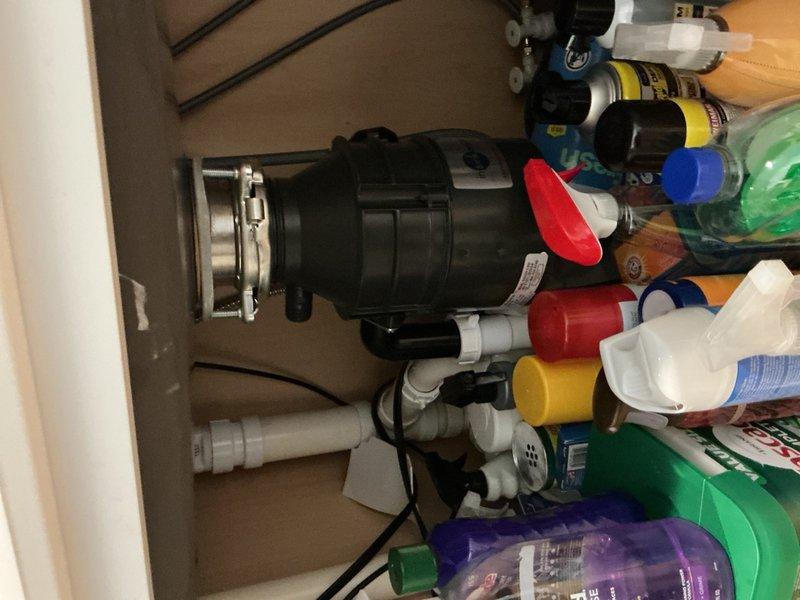

Responded to service call for non-functional garbage disposal and toilet flushing issues that developed following previous drain service. Evaluated existing garbage disposal unit and associated plumbing connections beneath kitchen sink, including PVC drain lines and water supply configuration. Provided estimate for complete removal and elimination of garbage disposal system to resolve ongoing drainage concerns.
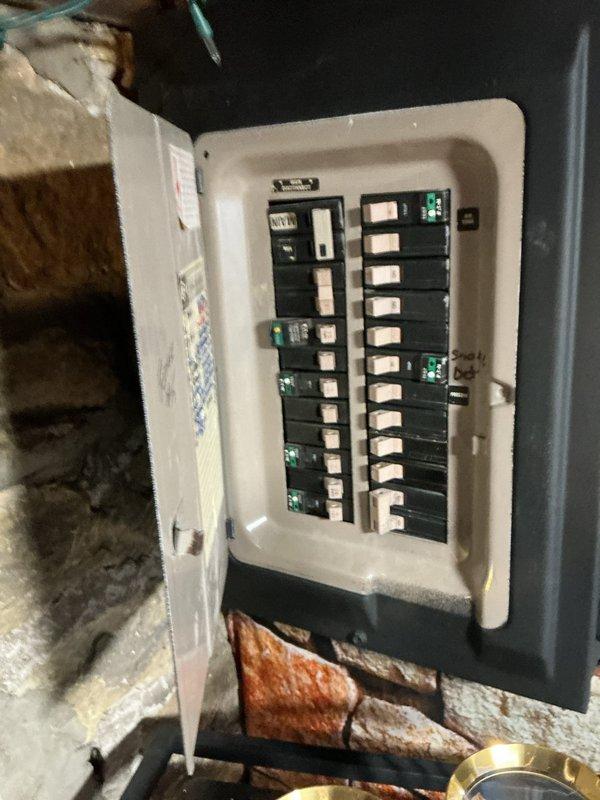
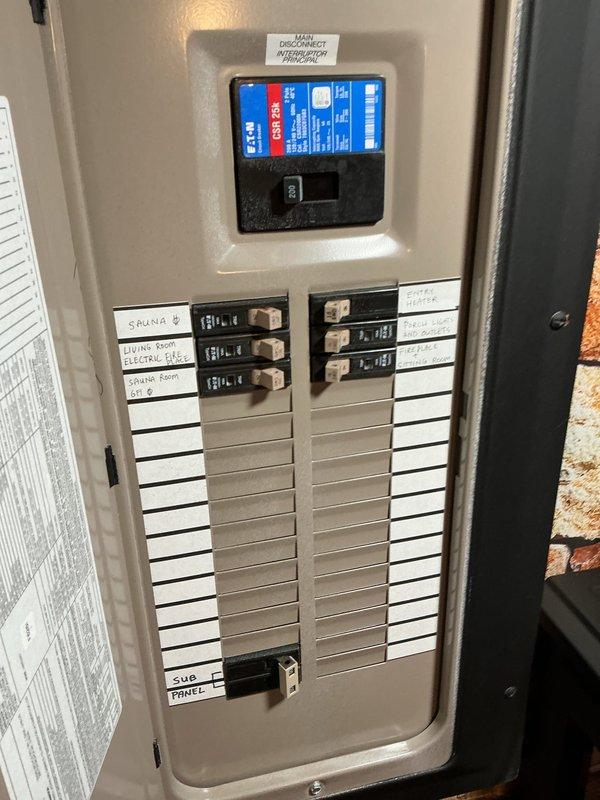

Completed scheduled heating maintenance on 8-year-old furnace system and performed AC tune-up on 7-year-old Armstrong Air unit. System operating properly at time of inspection. Verified electronic air filter functionality, inspected electrical panels and circuit breakers, and documented all components for maintenance records.
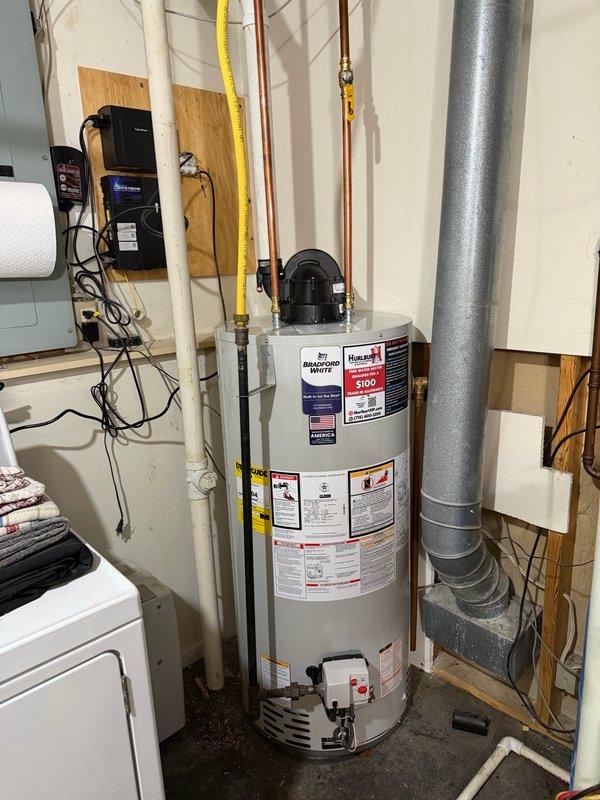
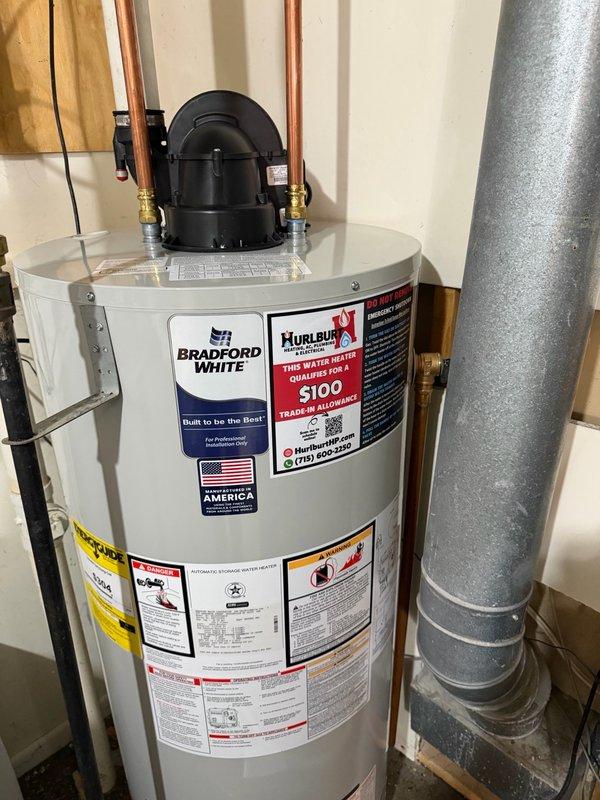
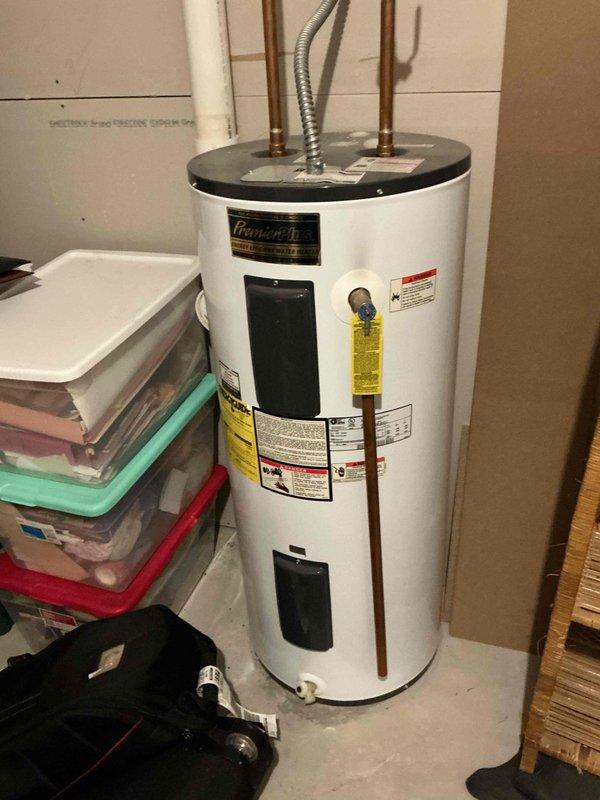
Responded to no hot water complaint at residential property. Upon inspection, found existing water heater leaking from bottom of tank, which caused startup failure and complete loss of hot water supply throughout home. Due to extent of tank failure and safety concerns, determined replacement was necessary. Removed and properly disposed of failed unit. Installed new Bradford White 50-gallon natural gas power vent water heater in utility room. Connected all water supply lines using copper piping with brass fittings, installed yellow-jacketed natural gas line, and configured PVC venting system for power vent exhaust. Verified all connections for proper operation and tested unit for leaks. System fired successfully and began heating water. Confirmed hot water restoration throughout home before completing service.
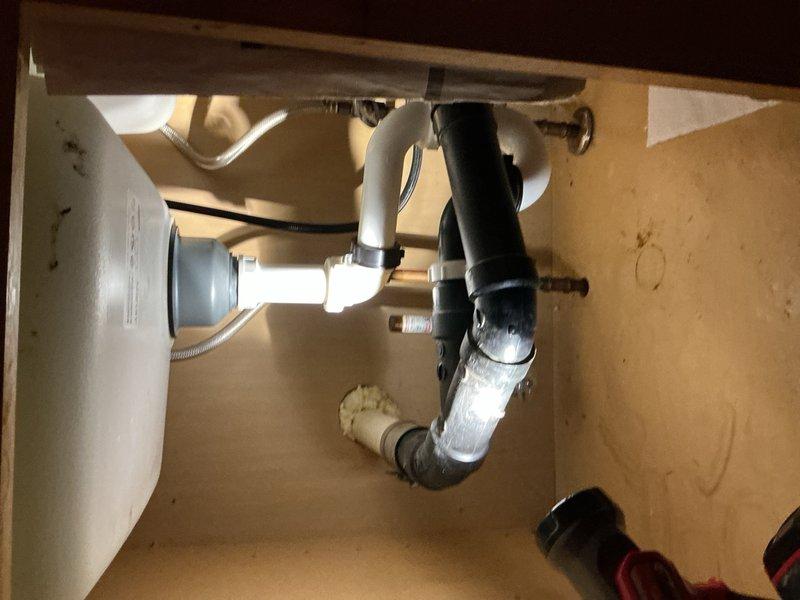
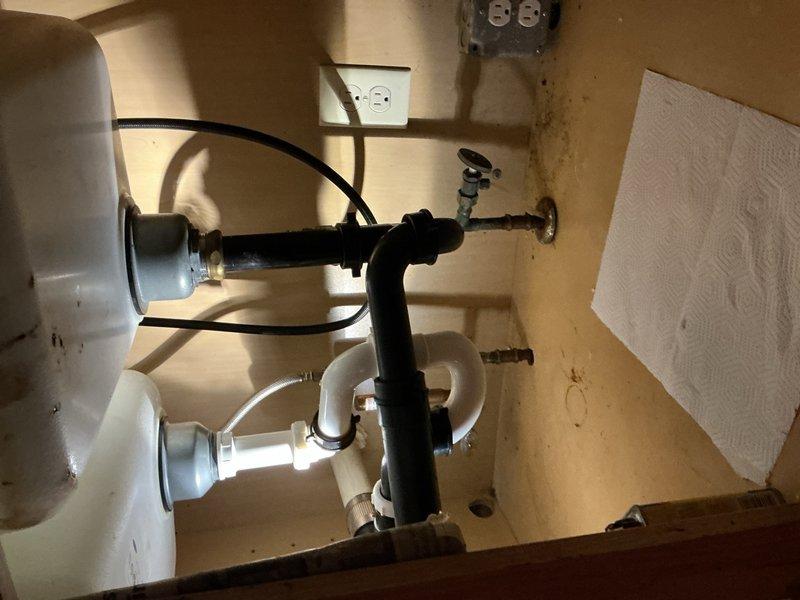
Responded to service call for leak under kitchen sink. Upon inspection, identified leak in drain assembly beneath sink with garbage disposal. Examined P-trap connections and tailpiece assembly for source of water intrusion. Assessed condition of existing drain piping system, noting mixed materials including PVC and corrugated flexible tubing. Provided estimate for complete replacement of kitchen drain piping system to resolve leak issue and upgrade to code-compliant materials. Documented existing plumbing configuration with photographs showing garbage disposal connection, P-trap assembly, and cabinet condition for repair proposal.
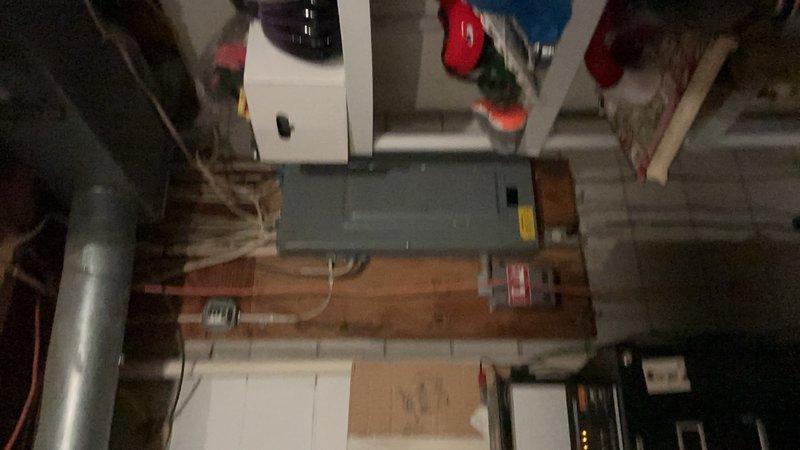
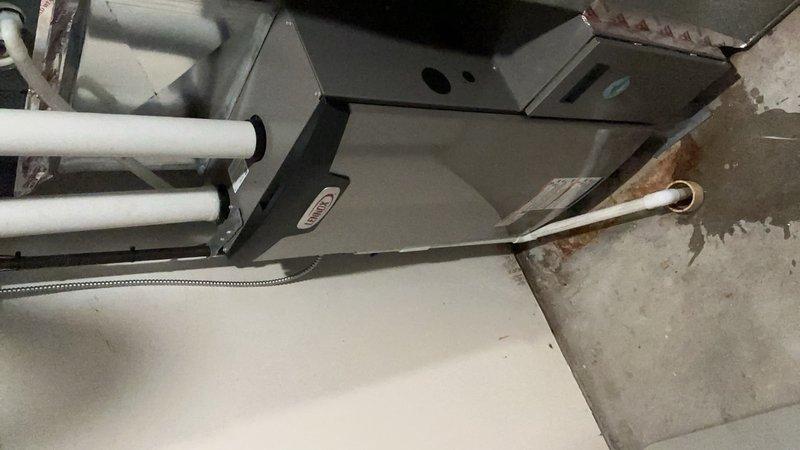
Performed routine maintenance flush on a 9-year-old tanked water heater as part of scheduled tune-up service. Drained sediment buildup from tank bottom to maintain heating efficiency and extend equipment lifespan. Inspected water heater components and confirmed all systems operating within normal parameters with no leaks, corrosion, or performance issues detected.
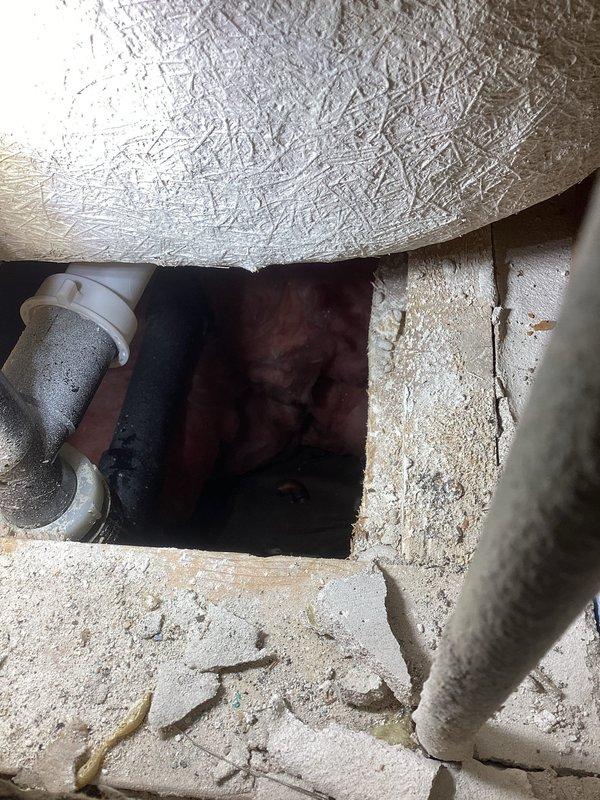
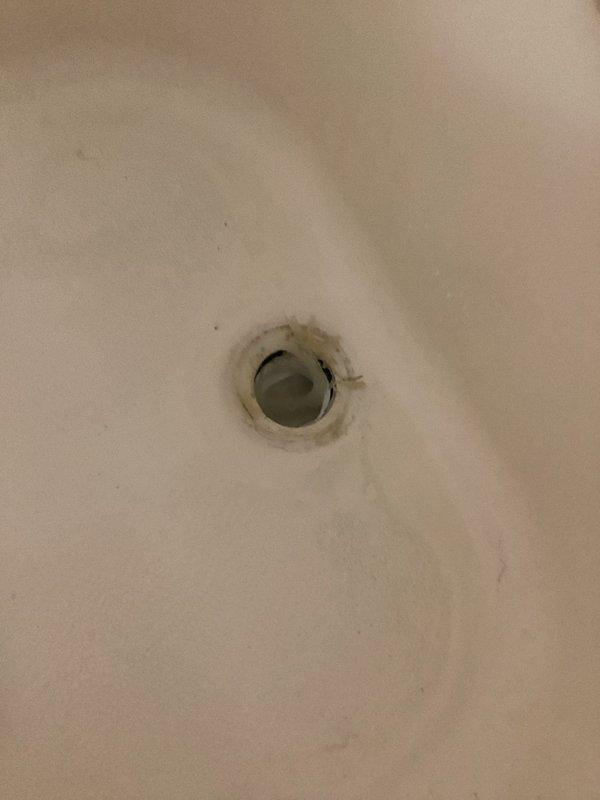

Responded to water leak originating from bathtub drain, causing water damage to ceiling of downstairs unit. Upon inspection, determined that drain was leaking when tub was filled with water. Removed existing drain assembly, cleaned drain opening of previous sealant residue, and reinstalled drain using plumber's putty to create proper watertight seal, resolving the leak issue.
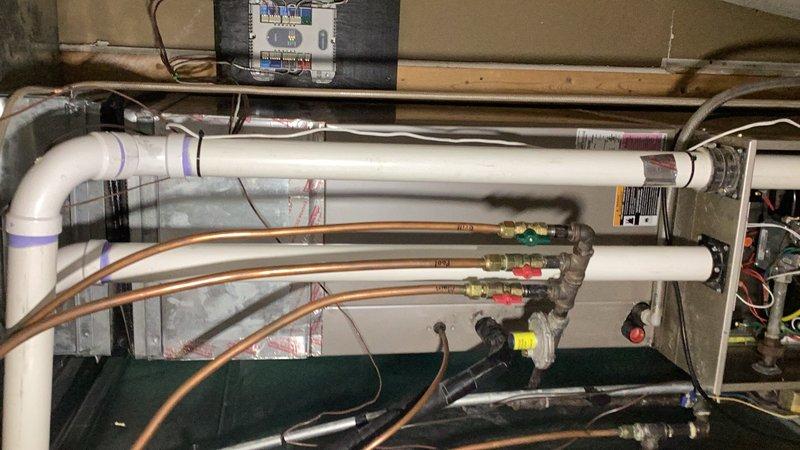
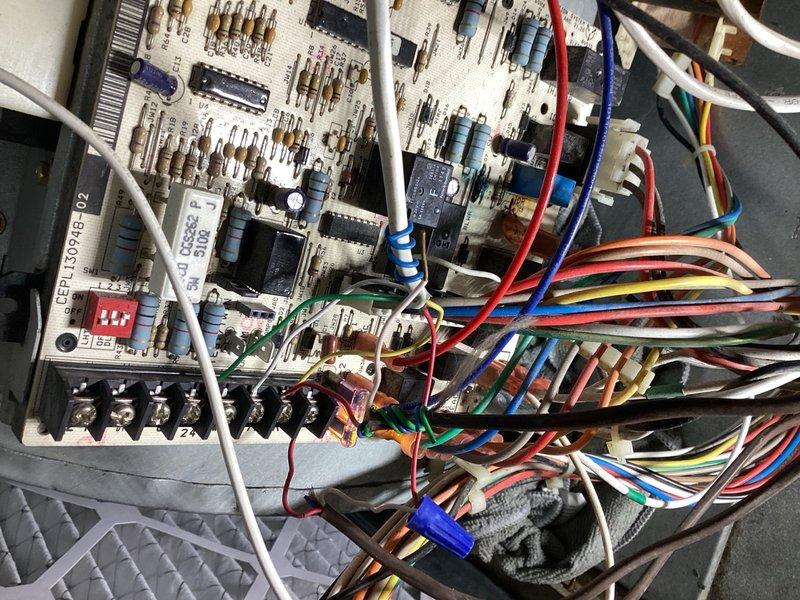

Performed comprehensive cooling system evaluation on dual-zone residential air conditioning system. South Side unit operational with failed zone damper motor identified and condensate pump overflow resolved; pump restored to working condition. Completed full system inspection including evaporator coil, blower assembly, air filter, condenser unit, contactor, compressor, and refrigerant levels. Cleaned condenser coil and verified all components and controls. North Side unit found inoperative due to failed blower motor ECM requiring replacement. Blower wheel requires cleaning. Evaporator coil exhibited ice buildup resulting from blower failure. Inspected condenser, capacitor, contactor, and compressor; cleaned condenser coil. Unable to verify refrigerant levels due to system shutdown. Identified second failed zone damper motor on this unit requiring replacement. Provided repair estimate for ECM blower motor replacement, blower wheel cleaning, and replacement of two zone damper motors ac
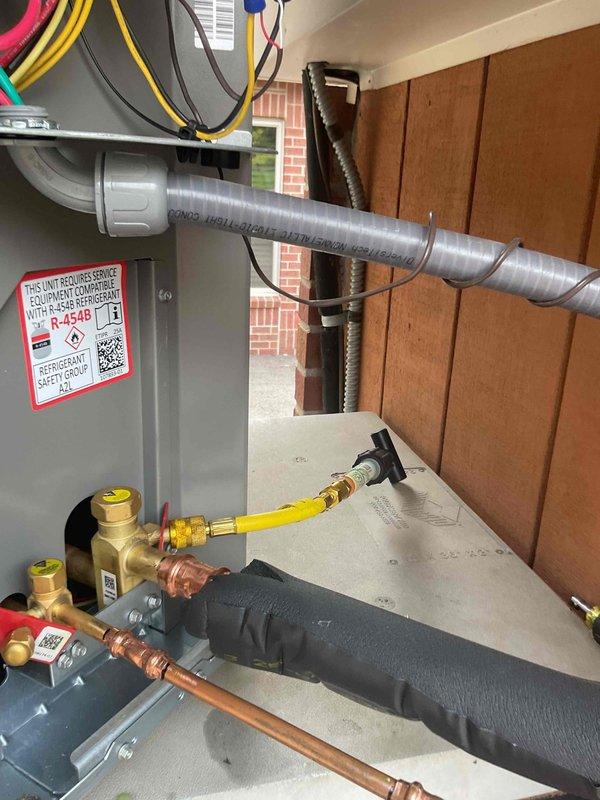
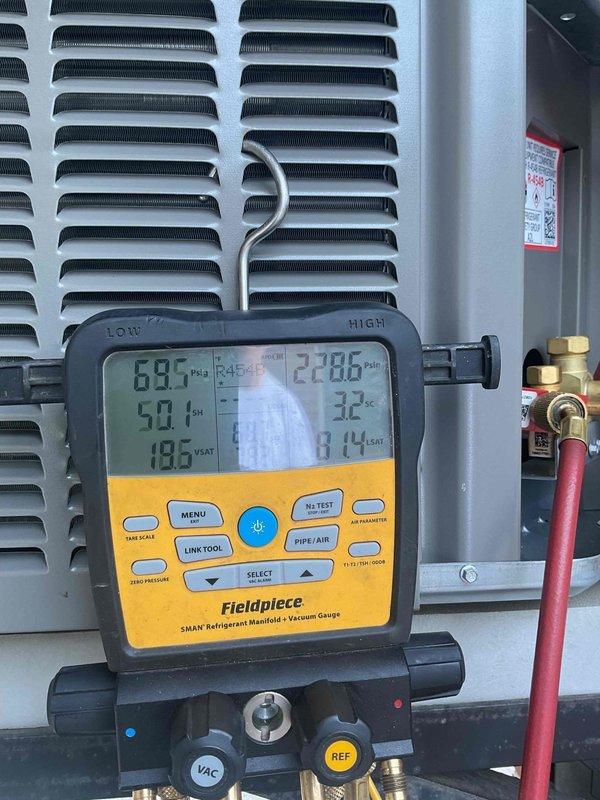

# HVAC Service Completed Responded to no cooling complaint on residential air conditioning system less than 10 years old. Upon arrival, observed condenser unit short cycling with approximately 10-second run cycles before shutting down. Confirmed system was not providing adequate cooling to structure. Performed diagnostic evaluation of refrigerant circuit using digital manifold gauges. System pressures indicated critically low refrigerant charge, confirming loss of R-454B refrigerant. Conducted leak inspection of refrigerant lines, coils, and connections. Located refrigerant leak in system requiring repair. Evacuated remaining refrigerant from system per EPA regulations. Recharged air conditioning system to manufacturer specifications with R-454B refrigerant. Added UV leak detection dye to refrigerant circuit to facilitate future leak identification and monitoring. Verified proper refrigerant pressures on both high and low sides of system using calibrated gauges. Cycled system throu
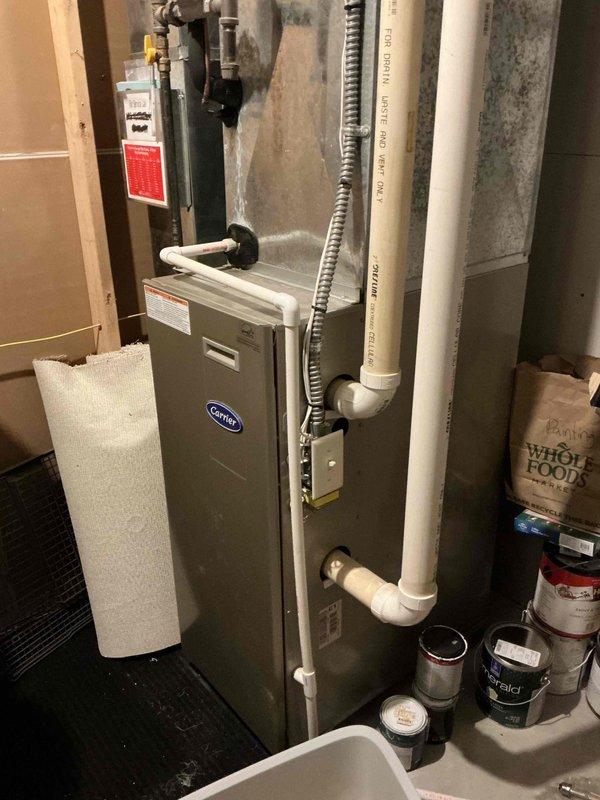
Responded to no cooling complaint with indoor temperature at 80°F. Found severely restricted air filter at furnace which was replaced with homeowner-supplied filter. Outdoor unit contactor was buzzing but compressor and condenser fan motor were not running. Tested electrical components and determined dual run capacitor had failed. Replaced defective capacitor, verified proper system startup, and confirmed unit returned to normal cooling operation. Advised homeowner on importance of regular filter maintenance.
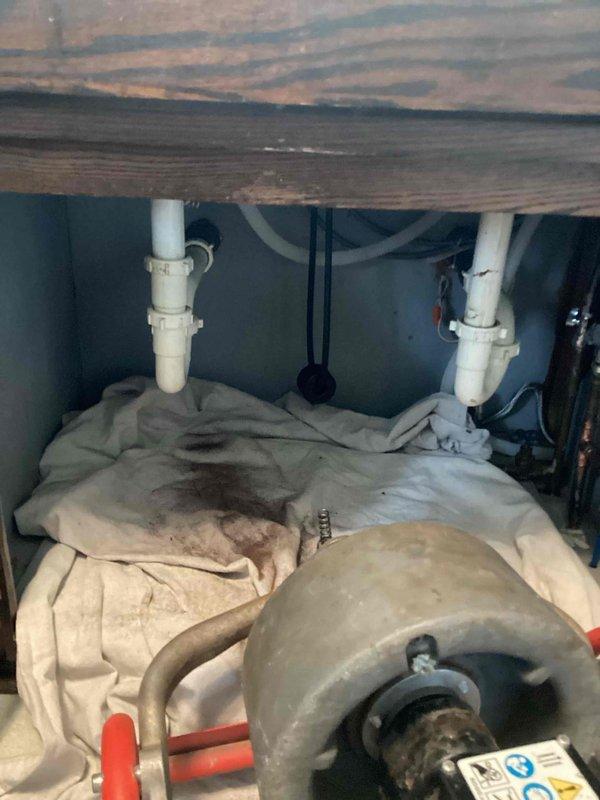
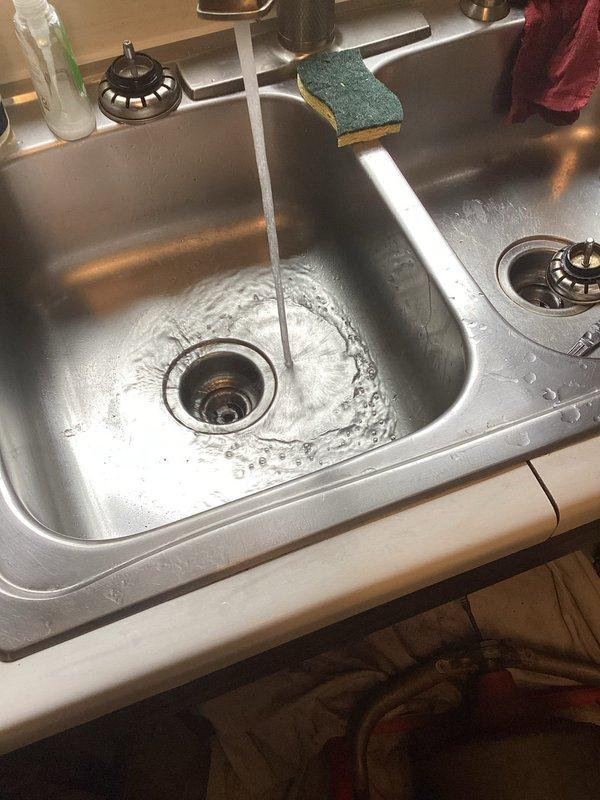

Responded to a recurring kitchen sink drain blockage that had been previously serviced less than a month prior. Accessed the drain system through the cabinet base and utilized mechanical cable equipment to clear the obstruction in the drain line. Upon completion, tested water flow through both basins of the double-bowl stainless steel sink to verify proper drainage and confirm the blockage was fully removed.
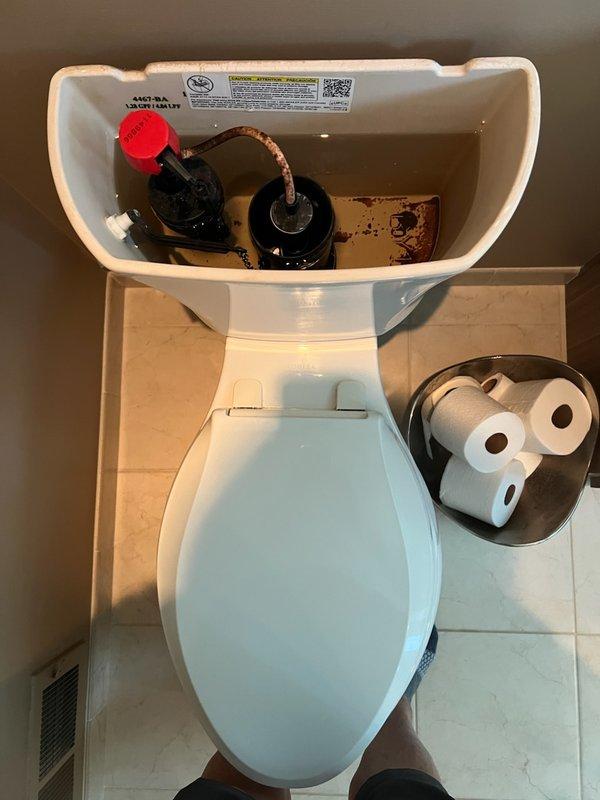
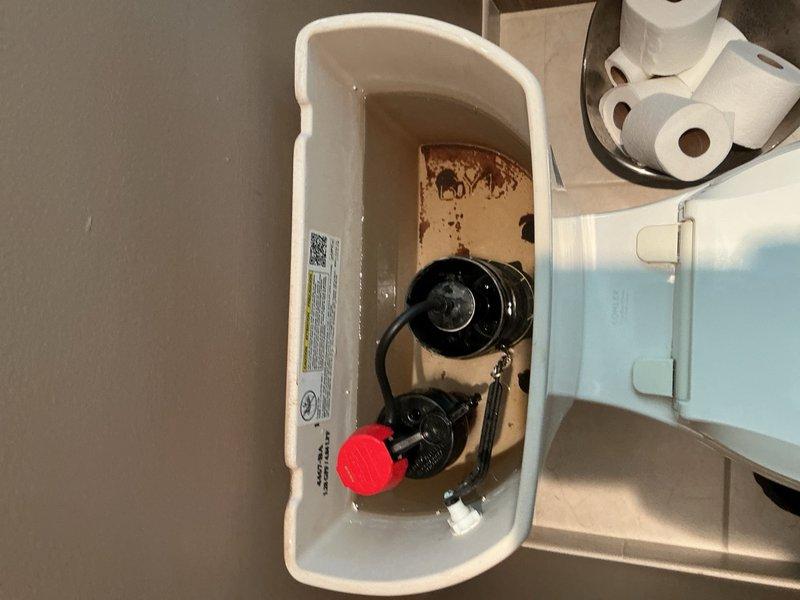
Responded to service call for continuously running toilet in master bathroom on top floor. Upon inspection, identified failed flush seal causing constant water flow and inefficient flushing mechanism. Removed tank lid and assessed internal components, noting deteriorated flush seal and aging fill valve assembly. Replaced both the flush valve seal and complete fill valve assembly with new components to restore proper operation. Tested flush cycle and verified proper water shutoff, fill level, and refill tube connection. Toilet now functioning correctly with no running water between flush cycles.
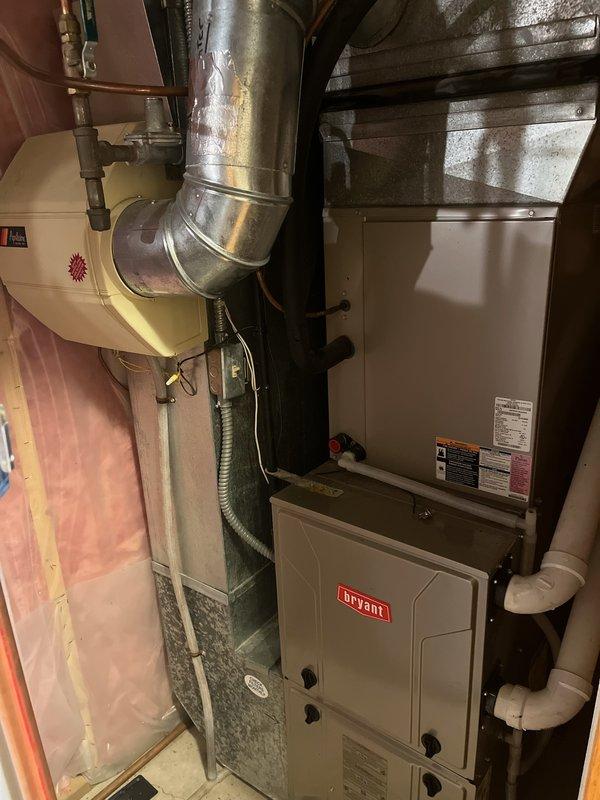
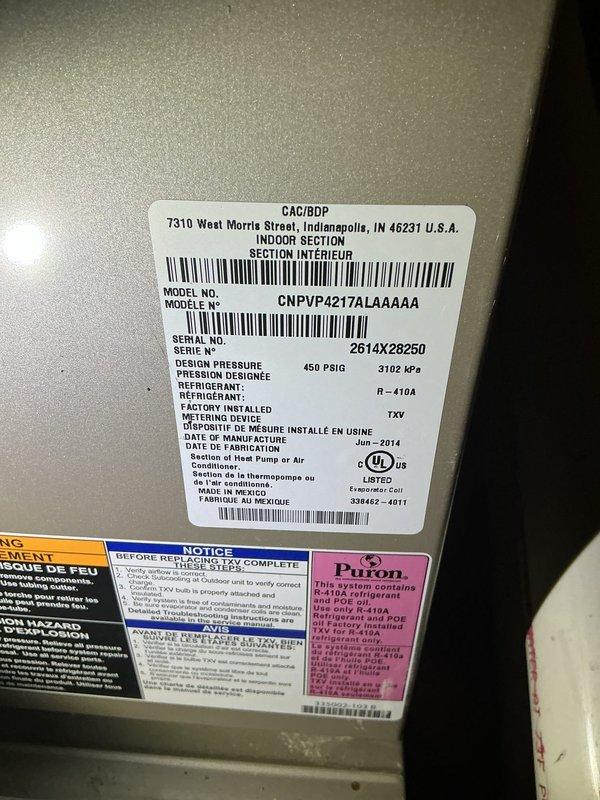
Completed comprehensive furnace and air conditioning maintenance on 13-year-old Bryant HVAC system. Identified and replaced faulty dual capacitor that was out of specification and noisy draft inducer motor to restore proper system operation. Discussed system performance and upgrade options with homeowner, noting units are functioning well overall despite age.
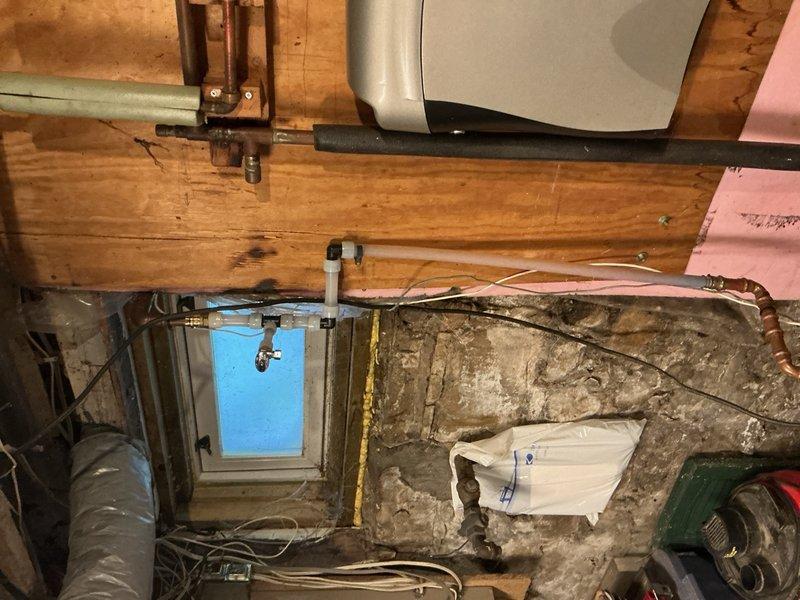
Responded to a pinhole leak in a basement waterline and irrigation line. Upon arrival, located the compromised sections of piping in the unfinished basement area among the floor joists and existing mechanical systems. Replaced the deteriorated piping sections to eliminate the leaks and restore proper water flow to the system.
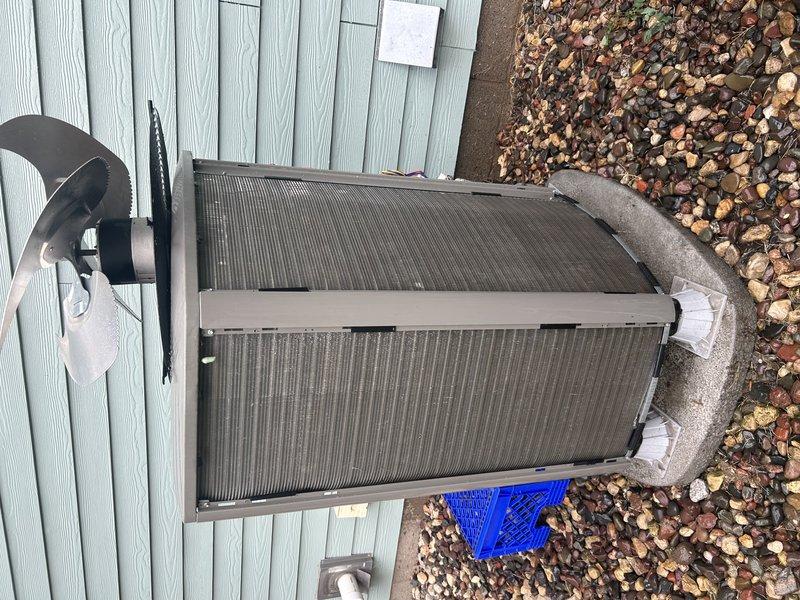
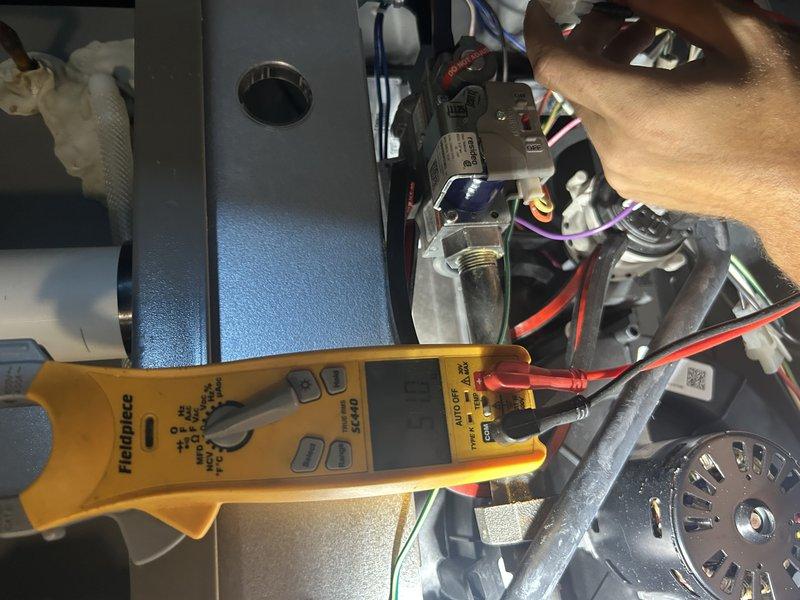

Performed comprehensive tune-up on furnace and air conditioning system with three-zone configuration. Verified operation across all zones, confirmed air filter condition, and cleared condensate trap and pressure switch ports. Cleaned flame sensor, inspected igniter, and verified blower compartment was clear of debris. Proceeded to outdoor unit where critical issues were identified and resolved. Discovered defrost board incorrectly set to 50° instead of proper 90-100° range and corrected setting. Found incoming line voltage connections to contactor were extremely loose, causing overheating and melting of the contactor. Replaced failed contactor and secured all electrical connections. Performed thorough coil cleaning on condenser unit and tested all components. System now operating within manufacturer specifications across all zones.
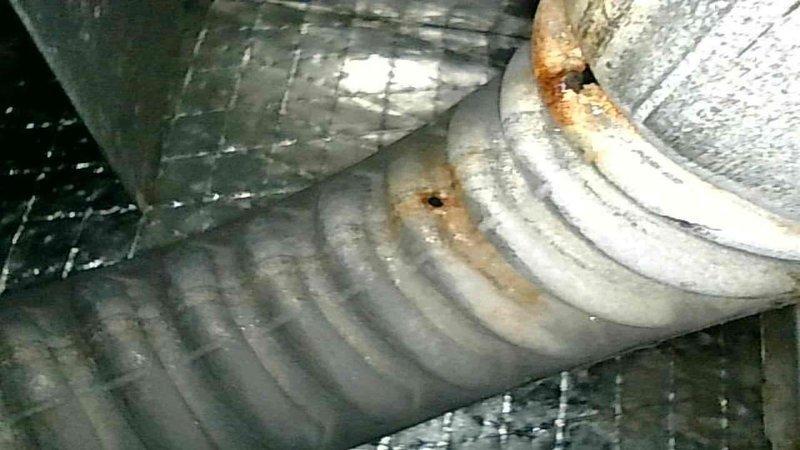
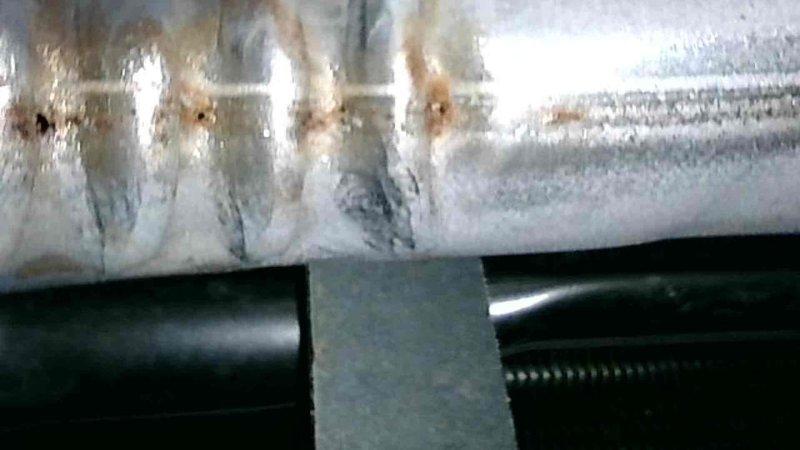
Performed scheduled furnace maintenance tune-up on gas furnace of unknown age. Cleaned flame sensor and verified condensate drain was functioning properly. During heat exchanger inspection, discovered multiple holes in the heat exchanger assembly. Used camera equipment to document damage and showed findings to homeowner, who confirmed air purifier had been detecting carbon monoxide in the home. Red-tagged and removed furnace from service due to safety hazard. Provided homeowner with options for heat exchanger replacement versus complete furnace replacement and arranged for pricing consultation.
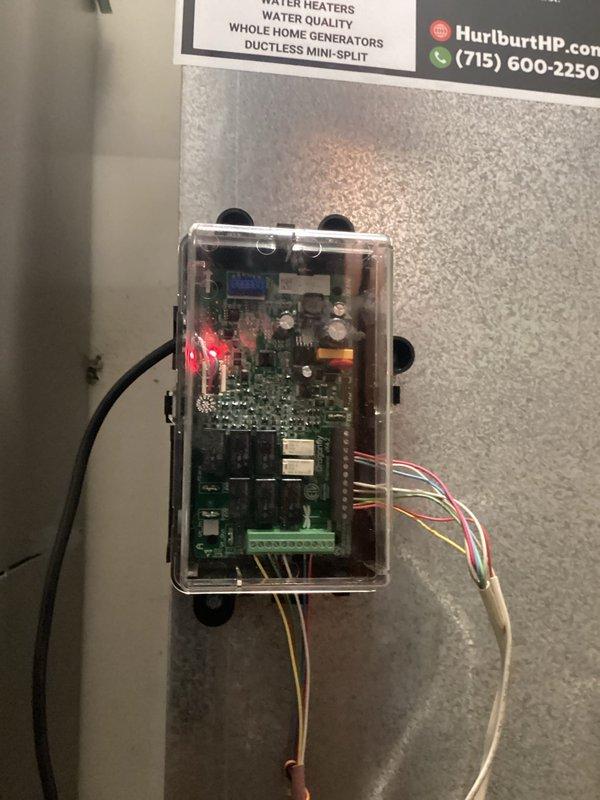
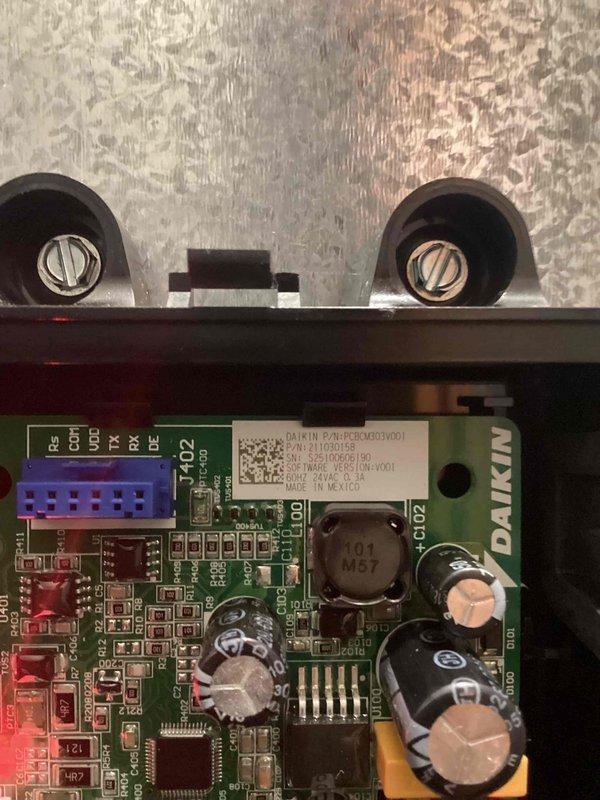

Responded to callback for recently installed Daikin A2L system experiencing slow cooling performance (approximately one degree per hour). Upon inspection, identified air exchanger was running simultaneously with cooling system and furnace blower speed was set to medium, both contributing to reduced cooling efficiency during hot, humid conditions. Increased furnace fan speed to high and advised homeowner to discontinue air exchanger operation during summer months to prevent interference with air conditioning performance. Addressed concerns regarding red LED indicator light on outdoor unit control board, which is part of normal system operation. All system components including compressor and condenser verified operational at time of service with proper run cycles observed. Potential sensor issue noted for monitoring on future visits if cooling concerns persist.
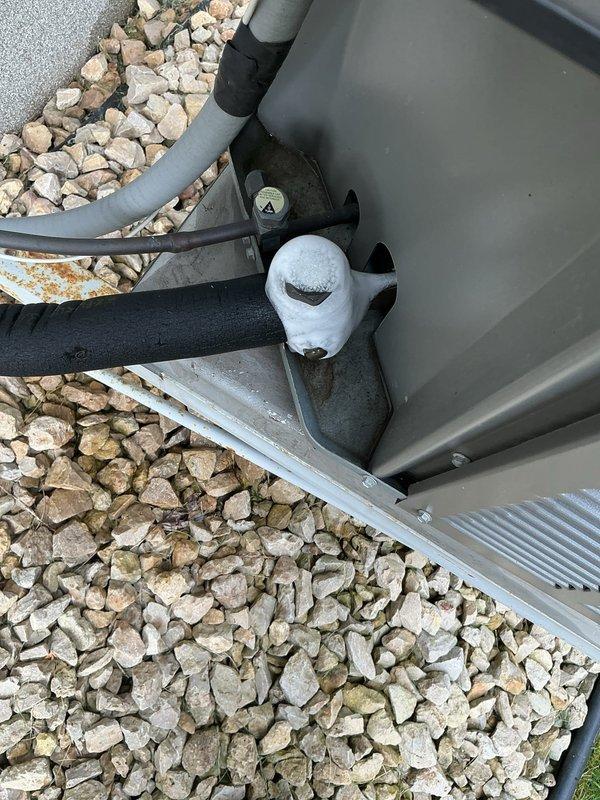
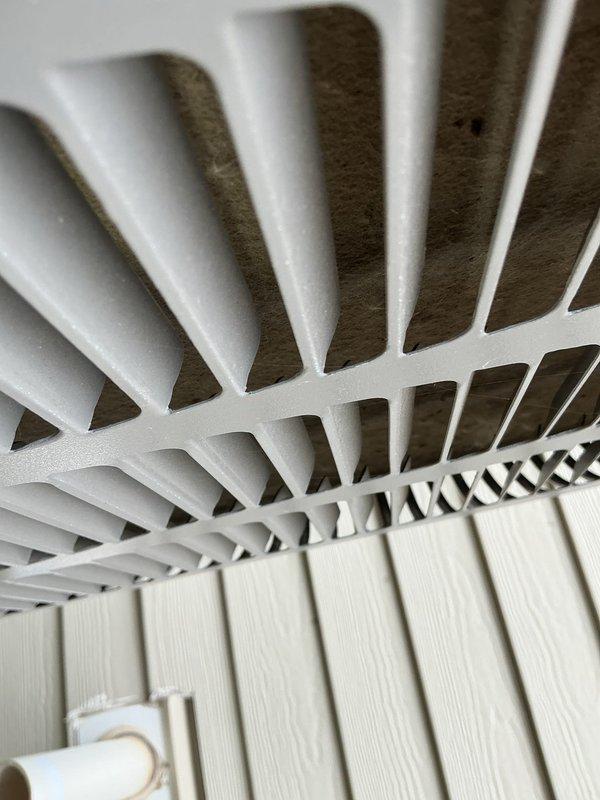
Responded to no cooling complaint on 12-year-old residential HVAC system. Upon arrival, found extensive ice formation from evaporator coil through to compressor motor, indicating restricted airflow or refrigerant issue. System was shut down to allow complete thawing of frozen components. Scheduled return visit for next day to perform diagnostic evaluation once system has fully thawed and can be properly tested to determine root cause of freezing condition.
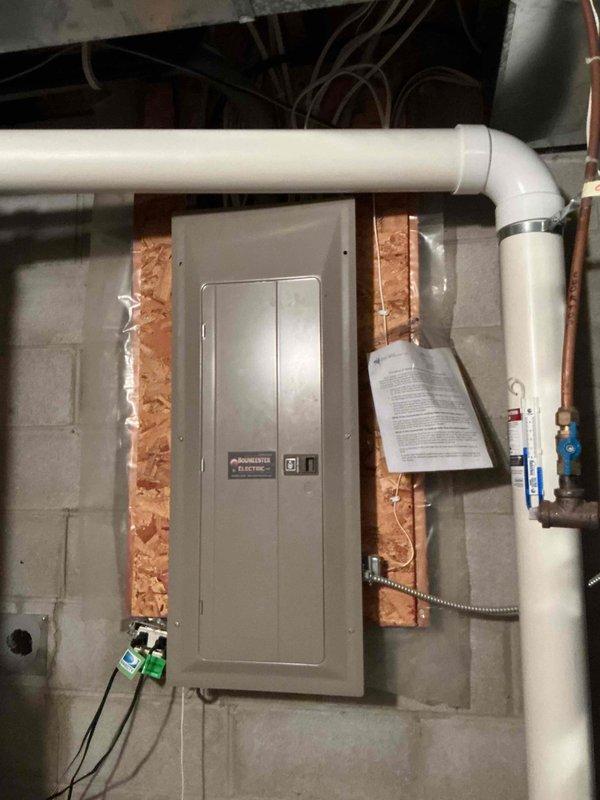
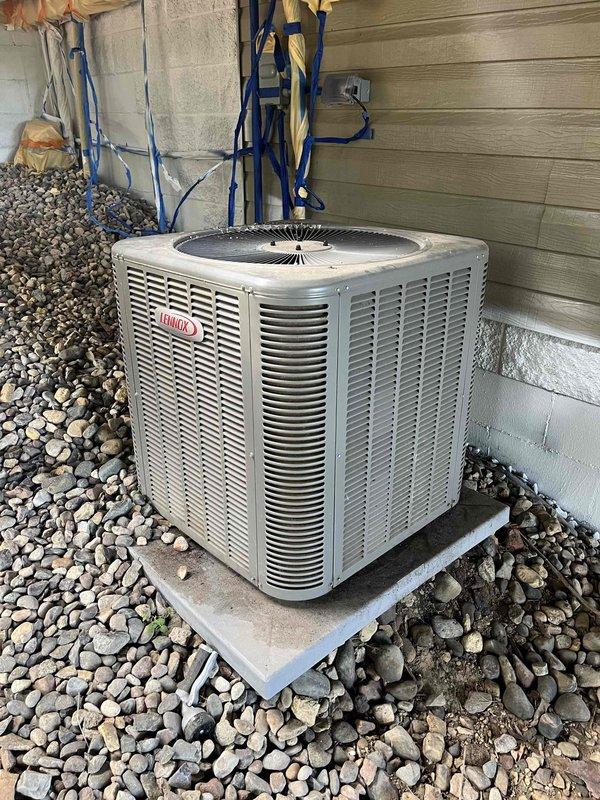
Responded to no cooling complaint on 1-year-old system. Found indoor unit operating but outdoor condenser not receiving power. Traced electrical circuit and discovered contactor not energizing due to loose thermostat wire connections. Located improperly secured wire nuts with masking tape at wall penetration point before furnace connection, likely disturbed during recent painting work. Removed inadequate connections, stripped and re-terminated thermostat wiring with proper wire nuts, and secured connections with electrical tape to prevent future loosening. Verified contactor engagement and confirmed outdoor unit operation. System restored to normal cooling function.
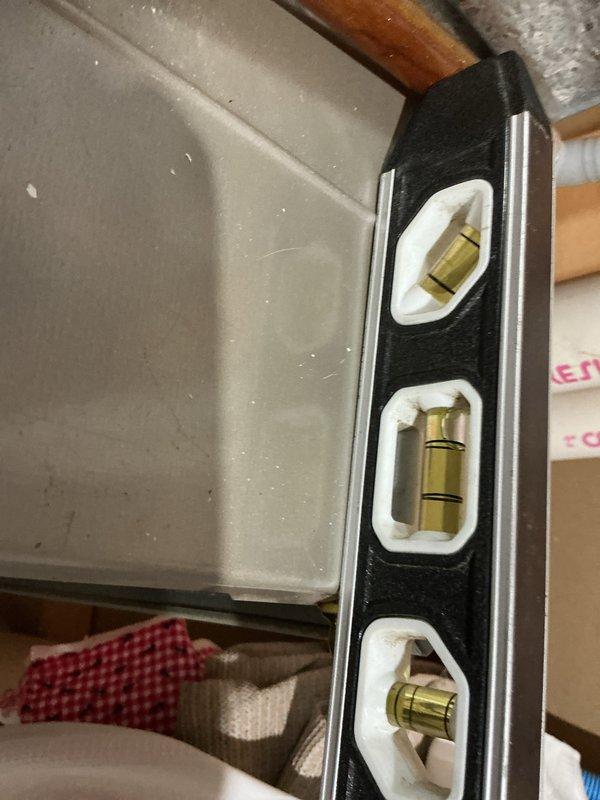
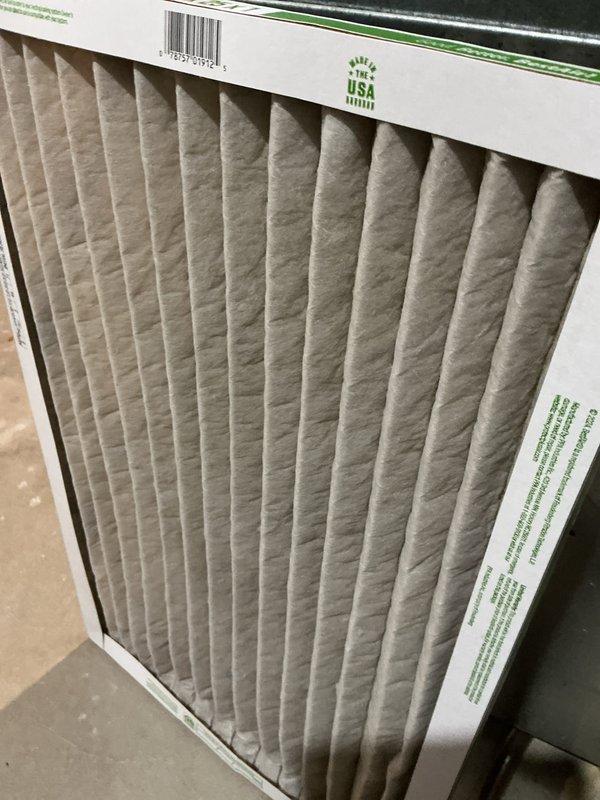
Responded to a scheduled tune-up appointment for a 22-year-old HVAC system. During inspection, identified a failed heat exchanger in the furnace unit. Customer elected to discontinue the maintenance service upon learning of the heat exchanger failure, choosing to pursue full system replacement rather than invest in repairs for the aging equipment.
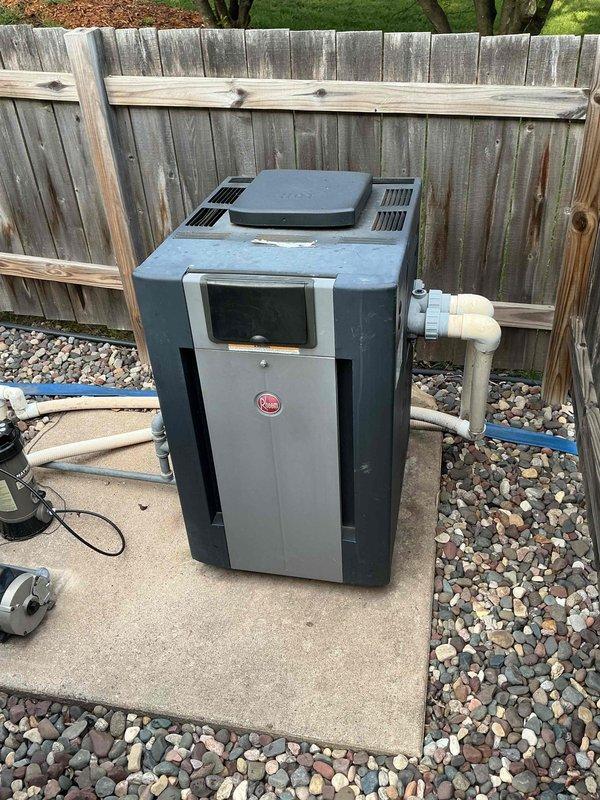
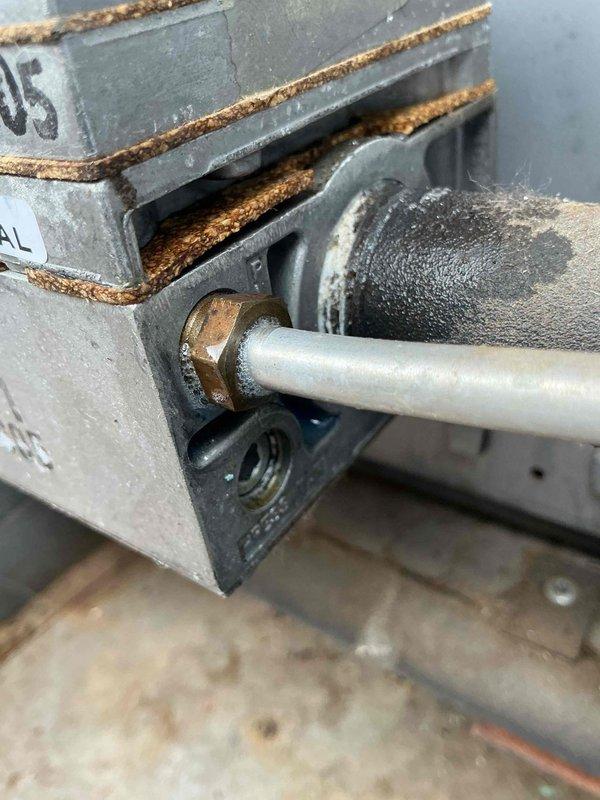
Responded to report of gas odor near furnace. Conducted thorough gas leak inspection and located leak at pilot line fitting on pool heater gas valve. Tightened loose fitting to stop gas leak. Performed comprehensive leak test on all remaining gas fittings in the area with no additional leaks detected. System restored to safe operating condition.



©2026 Hurlburt. All Rights Reserved.
Privacy Policy | Terms and
Conditions
This site is protected by reCAPTCHA and the Google Privacy Policy and Google Terms of Service apply.
