


Local Plumbers and HVAC Services in Hudson, WI


Why Hudson Homes Require a Different Approach
Hudson’s housing market looks very different from many communities across western Wisconsin. Near Historic Downtown Hudson, the Octagon House Museum, and the St. Croix River, you’ll find homes that have stood for generations. Travel toward County Road F, County Road A, Heritage Greens, or the Troy Burne area, and you’ll see neighborhoods built within the last two decades featuring advanced Air Conditioning and Heating systems, smart home technology, and increasingly sophisticated electrical infrastructure.
That variety creates very different service needs from one property to the next. On any given day, our technicians may be servicing a boiler in an older riverfront home, installing a whole-home generator in a newer subdivision, or helping a homeowner improve humidity control in a house overlooking the St. Croix Valley. Understanding how Hudson has grown allows us to make recommendations that fit the specific home rather than offering a one-size-fits-all solution.
Managing St. Croix River Valley Humidity and Summer Comfort
When homeowners in Hudson call about cooling problems, temperature is often only part of the story. Humidity plays a major role in how comfortable a home feels, particularly for properties located closer to the St. Croix River, North Hudson, and other lower river valley areas. Even when temperatures remain reasonable, excess moisture can leave a home feeling uncomfortable and force air conditioning systems to work harder than necessary.
Many homeowners assume they need a larger air conditioner when the real issue is humidity management, airflow design, or aging equipment that is no longer operating efficiently. We regularly help homeowners improve comfort while reducing energy usage by addressing the actual cause of the problem.
Cooling Services Include:
- AC Repair
- AC Installation
- AC Replacement
- AC Maintenance
- Ductless Air Conditioning
- Ductless AC Repair
- Ductless Installation & Replacement
Whether your air conditioner struggles to keep up, certain rooms stay warmer than others, or humidity becomes a constant frustration, our team can help identify the right solution.

Better Indoor Air Quality for Hudson Families
Hudson homeowners deal with two very different air quality challenges throughout the year. During the summer, humidity can make homes feel damp and uncomfortable. During the winter, months of furnace operation can leave indoor air excessively dry, affecting comfort throughout the home.
Many homeowners are surprised by how much indoor air quality impacts their day-to-day comfort. Dust buildup, inconsistent humidity levels, pet dander, and poor airflow often contribute to issues that homeowners mistakenly blame on their heating or cooling equipment.
Indoor Air Quality Services Include:
The right combination of filtration and humidity control can improve comfort, protect furnishings, and help AC and Heating equipment perform more efficiently throughout the year.
Preparing Hudson Homes for Wisconsin Winter Temperature Swings
Anyone who has spent a winter in Hudson understands how quickly conditions can change. One week may bring relatively mild temperatures, while the next delivers subzero wind chills and significant snowfall. Those rapid weather swings place tremendous stress on heating equipment and expose weaknesses that may have gone unnoticed earlier in the season.
For many Hudson residents, reliability is just as important as efficiency. A large percentage of local homeowners commute daily along Interstate 94 into Minneapolis or St. Paul. Nobody wants to return home after a long day to discover the furnace stopped working hours earlier. That is why preventative maintenance and proactive system upgrades remain such a priority throughout the area.
Heating Services Include:
- Heating Repair
- Heating Installation
- Heating Replacement
- Heating Maintenance
- Furnaces
- Boilers
- Heat Pumps
- Geothermal Systems
- Commercial Heating and A/C
- Emergency Heating Repair
Whether you’re maintaining an existing system or evaluating replacement options before winter arrives, we can help you make a confident long-term decision.
Why More Hudson Homeowners Are Installing Generators and EV Chargers
Hudson’s continued growth has created increasing demand for electrical upgrades. Newer homes often include electric vehicles, home offices, smart home systems, advanced Heating and Air Conditioning equipment, and entertainment systems that place greater demands on electrical infrastructure than homes built decades ago.
We continue to see strong demand for panel upgrades, backup generators, surge protection, and EV charger installations throughout neighborhoods like Willow River, Troy Burne, Stone Pine, and newer developments along County Road F. Many homeowners are choosing to make these upgrades proactively rather than waiting for electrical limitations to become major problems.
Electrical Services Include:
- Electrical Repair
- Whole Home Generators
- Electrical Installation and Wiring
- Switches, Outlets, and Ceiling Fans
- Panel Replacement & Repair
- EV Chargers
- Smart Home Installation
Whether you’re planning future upgrades or dealing with an existing electrical concern, our team can help ensure your system is ready for today’s demands.
Protecting Hudson Homes from Water Damage and Plumbing Emergencies
Many Hudson homes feature finished basements, updated living spaces, and valuable personal property that can be vulnerable to water damage. Between spring storms, heavy rainfall, frozen pipes, aging water heaters, and sump pump failures, plumbing issues can become expensive very quickly if not addressed promptly.
We regularly help homeowners protect their homes through preventative plumbing improvements, water quality upgrades, and fast repairs when problems occur. Whether you’re in a newer development or an older home near downtown, protecting your plumbing system helps protect the value of your property.
Plumbing Services Include:
- Plumbing Repair
- Plumbing Installation
- Water Heaters
- Leak and Pipe Repair
- Toilet and Faucet Repair
- Sump Pumps
- Water Softeners
- Water Filtration
- Outdoor Faucets
- Gas Line Repair
From water heater replacements and filtration systems to emergency leak repairs and sump pump installations, we help homeowners prevent small problems from becoming major repairs.
Recent Jobs and Reviews in Hudson, WI
Hudson, WI at a glance
Hurlburt Heating & Plumbing has completed 20 jobs in Hudson, WI in August 2026.
The most recent job was on August 21, 2026.
Job Locations and Reviews
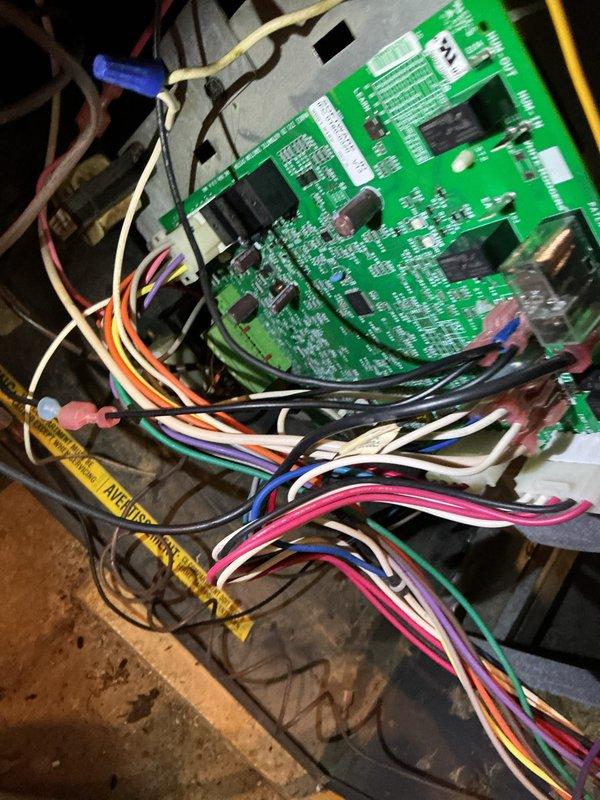
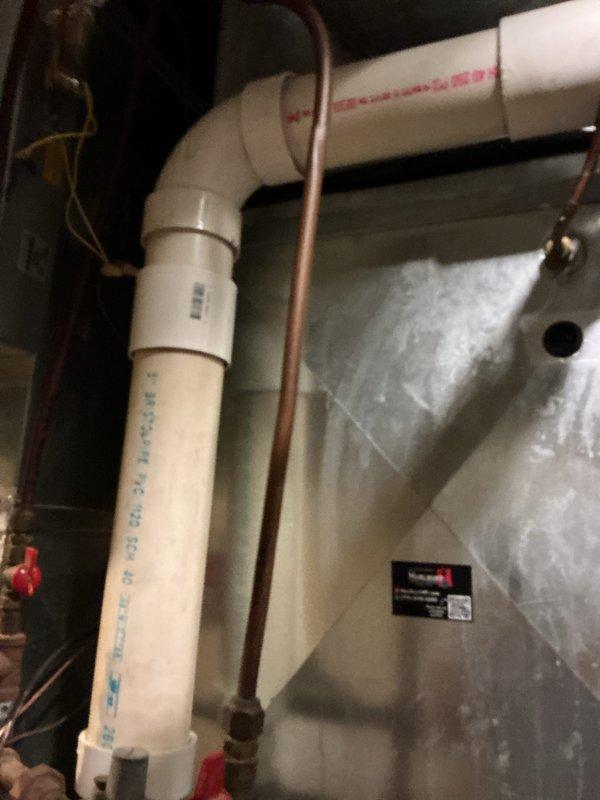

Completed routine preventive maintenance on a 13-year-old Goodman HVAC system including both furnace and air conditioning components. During inspection, identified and replaced a failed dual capacitor that was reading out of specification and a deteriorated humidifier pad. All system components tested and operating within normal parameters following repairs.
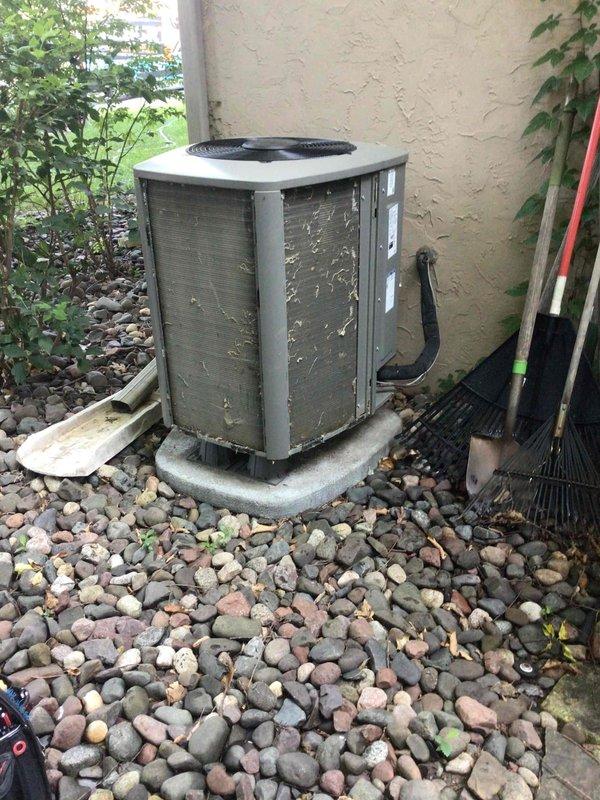
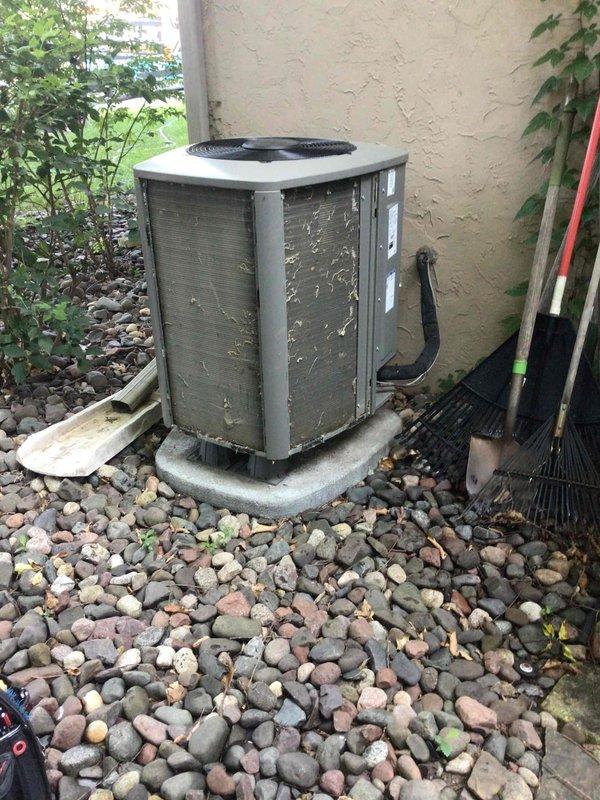

Completed comprehensive air conditioning tune-up on residential outdoor condenser unit as part of maintenance agreement. Performed thorough washing of outdoor unit to remove accumulated debris, inspected and verified all electrical connections and components, and replaced air filter with customer-supplied unit. System tested and confirmed operating within normal parameters with no deficiencies noted.
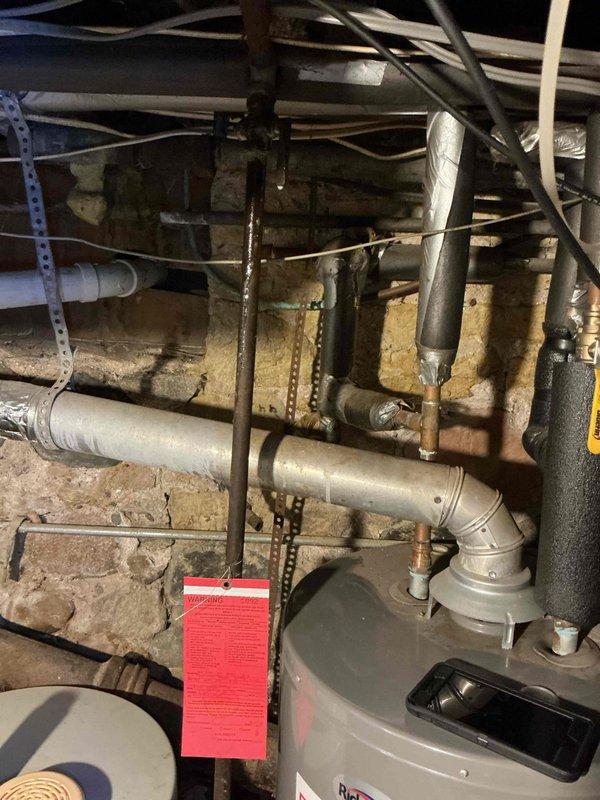
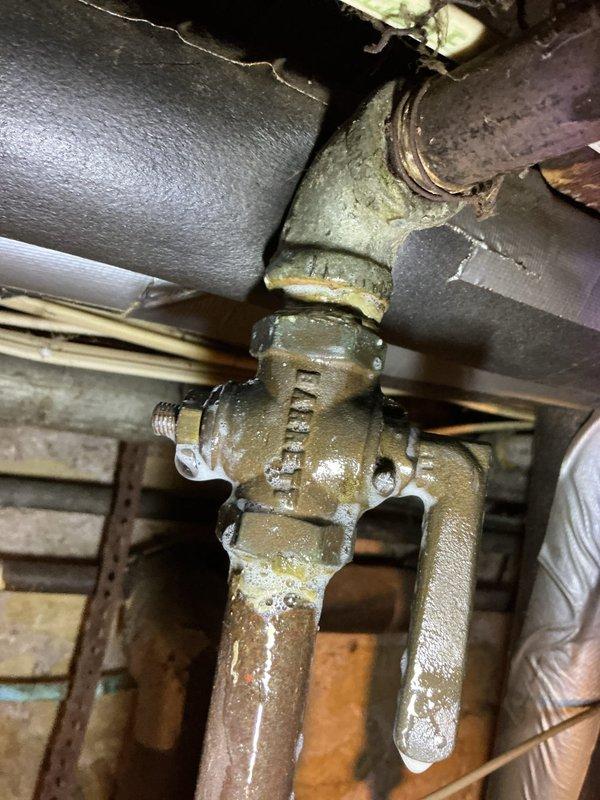

Responded to gas odor complaint at tanked water heater following previous unsuccessful leak detection attempt. Conducted systematic inspection beginning at main gas shut-off valve to water heater. Located gas leak at shut-off valve connection point that had been previously overlooked. Documented findings with photographs showing valve assembly, piping connections, and surrounding plumbing infrastructure. Coordinated with HVAC department for immediate repair of compromised gas valve and associated piping to eliminate safety hazard and restore safe operation of water heating system.
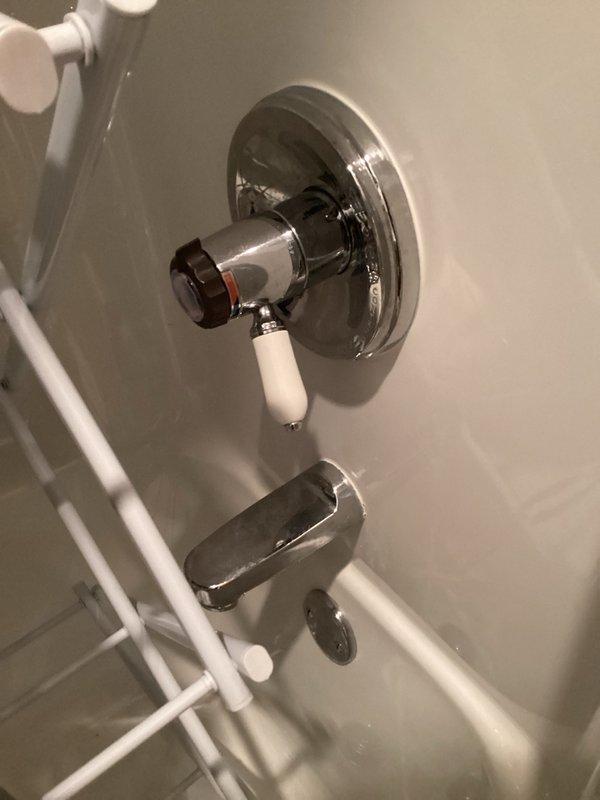
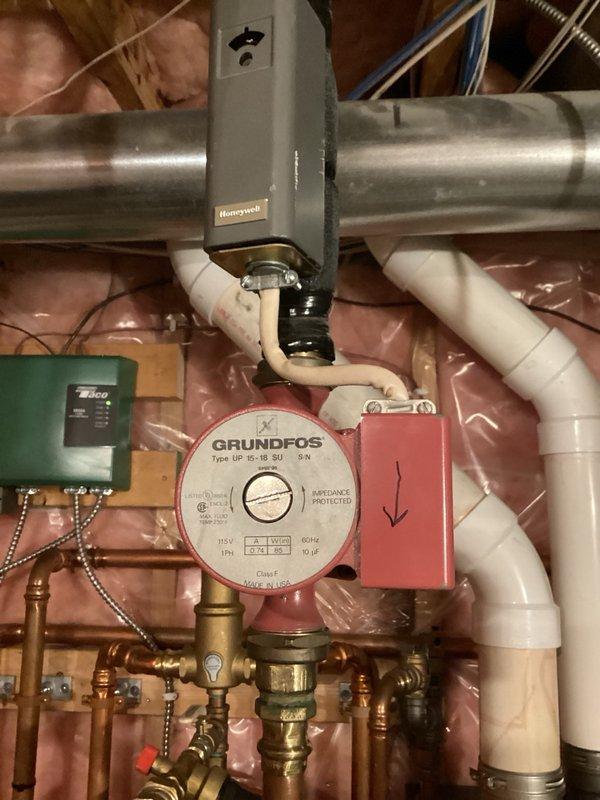

Completed comprehensive plumbing inspection including evaluation of bathroom fixtures and hot water recirculating system. Inspected shower valve assembly with chrome fixtures and porcelain handle, bathtub spout, and associated plumbing connections, confirming proper operation and no visible leaks. Examined Grundfos UP 15-18 SU hot water recirculation pump installation in mechanical space, verifying pump operation, electrical connections to control relay, copper piping integrity, brass fittings, shutoff valves, and associated PVC drainage lines, with all components functioning within normal parameters.
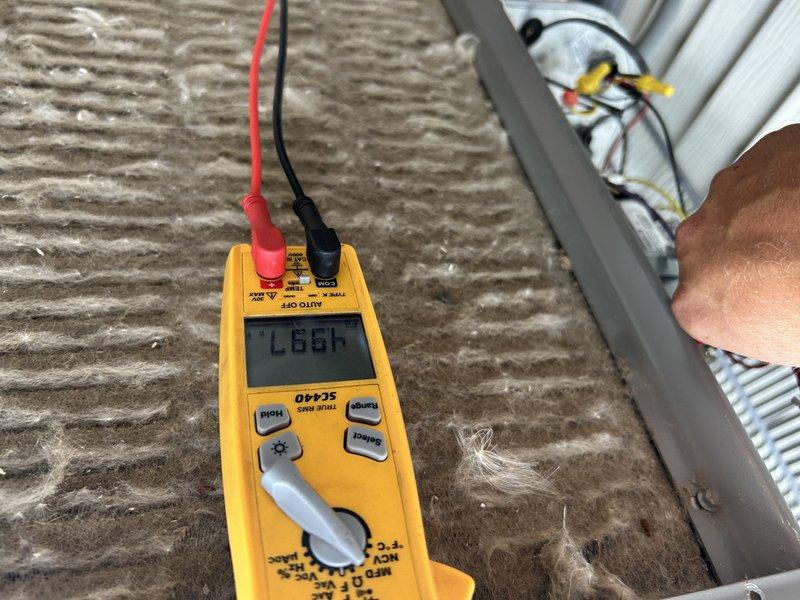
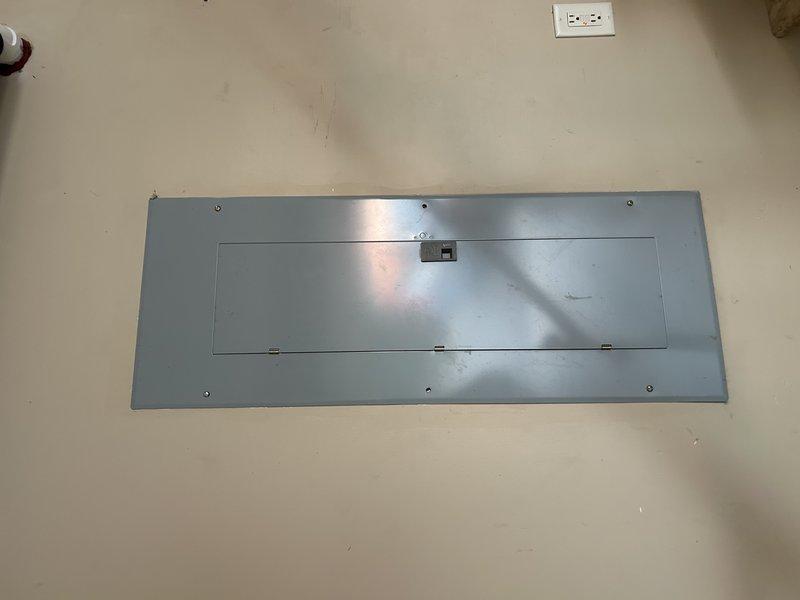

Performed comprehensive AC tuneup on three-year-old unit, including operational testing, condenser coil cleaning, air filter replacement, and condensate drain clearing. Conducted electrical diagnostics with multimeter and inspected all system components. Identified noisy condenser fan motor requiring replacement; unit otherwise operating within normal parameters, and follow-up visit scheduled to install new motor.
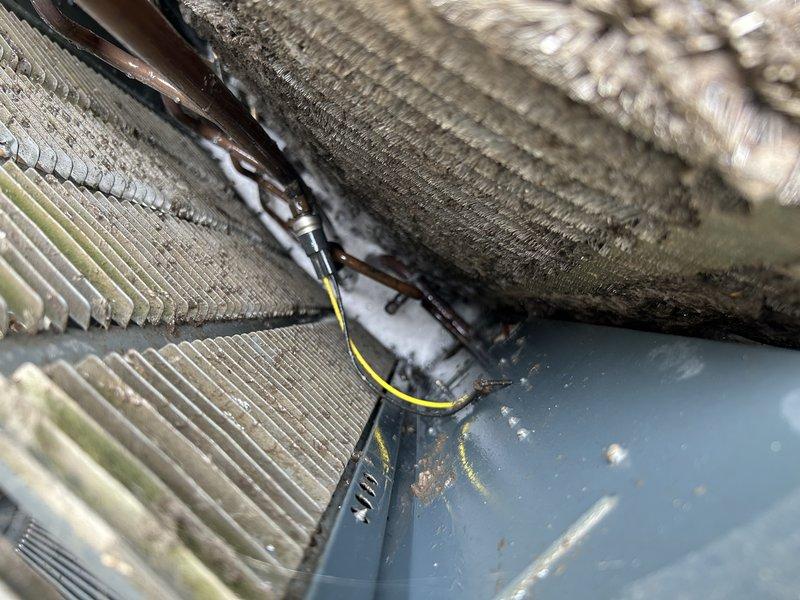
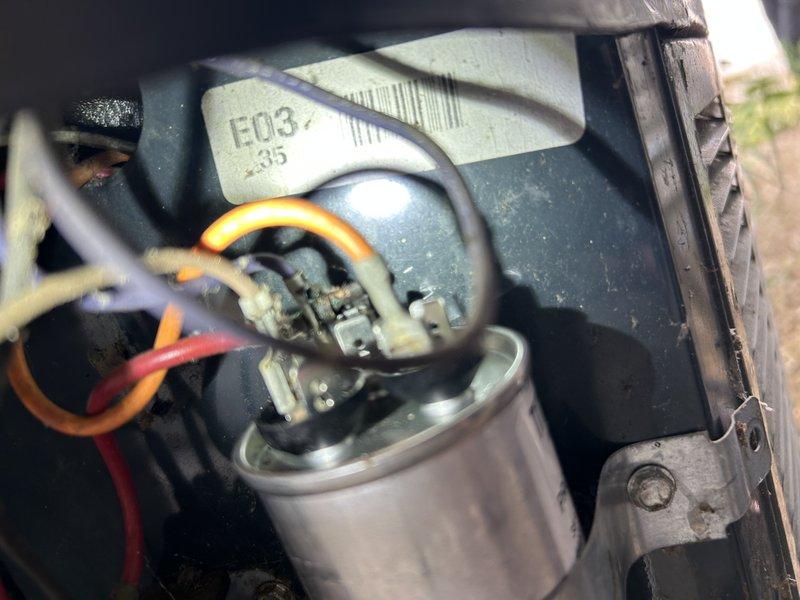
Performed routine maintenance agreement cooling visit on air conditioning system. Upon arrival, homeowner reported excessive noise during unit operation. Inspection revealed condenser fan motor bearings with lateral play and restricted rotation, indicating imminent failure. Motor was not achieving proper RPM, though system maintained adequate cooling performance. Replaced air filter and cleared condensate drain line. Performed condenser coil cleaning to remove accumulated dirt and debris from fins. Tested all system components and operations. Capacitor had been previously replaced by homeowner. Contactor showed signs of wear and pitting. Recommended replacement of condenser fan motor and contactor to prevent system failure and restore quiet operation. Advised that refrigerant pressures would be verified upon motor replacement to ensure optimal system performance.
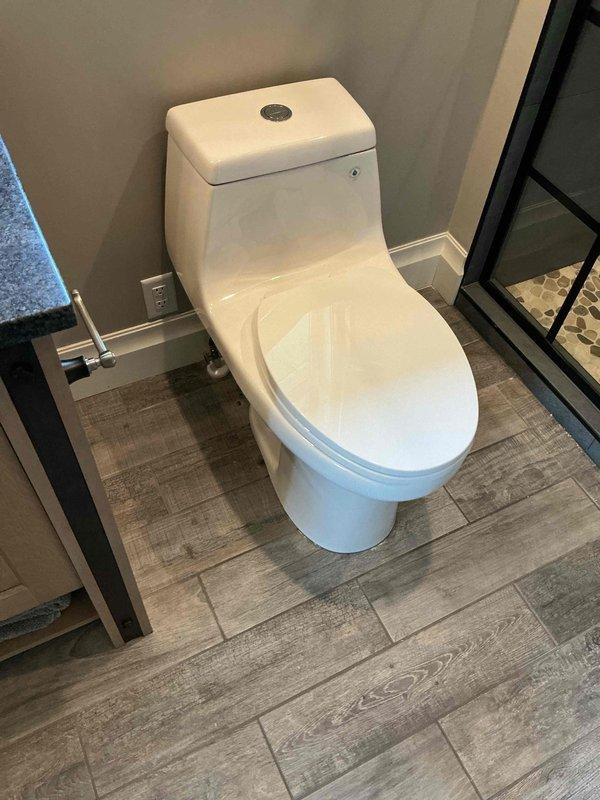
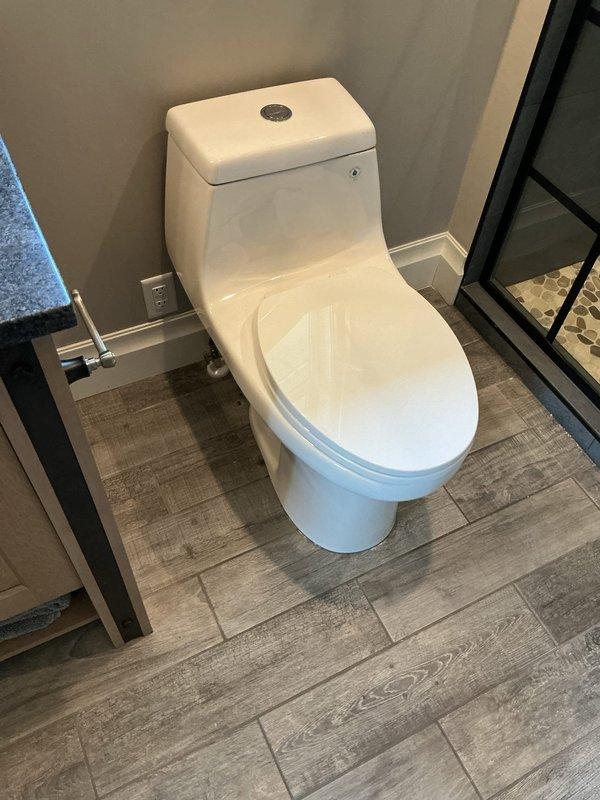
Responded to service call for leaking toilet in residential bathroom. Upon inspection, identified internal mechanical failure in three-year-old Toto one-piece toilet causing persistent water leak. Removed and disposed of failed unit, then installed new white one-piece toilet with dual-flush mechanism. Ensured proper seating on wax ring, secured mounting bolts, connected water supply line, and tested for leaks and proper flush operation. Verified all functions working correctly before completing installation.
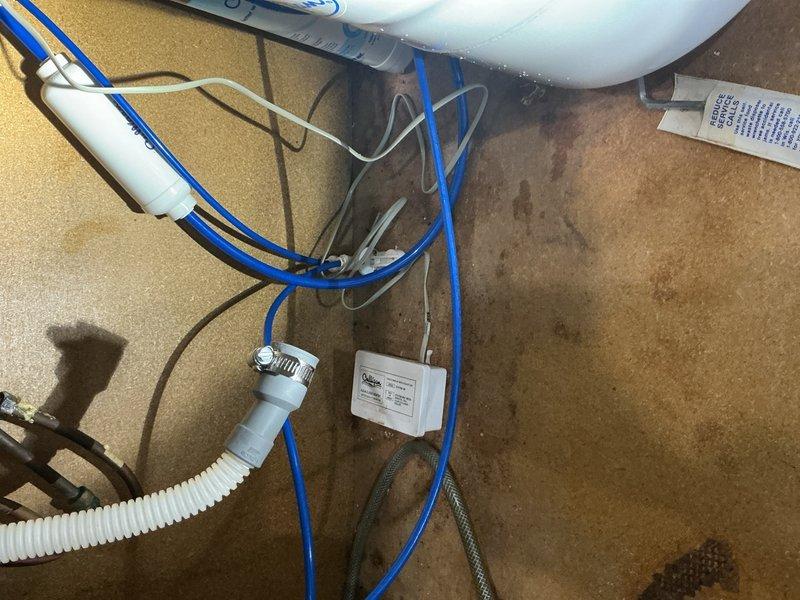
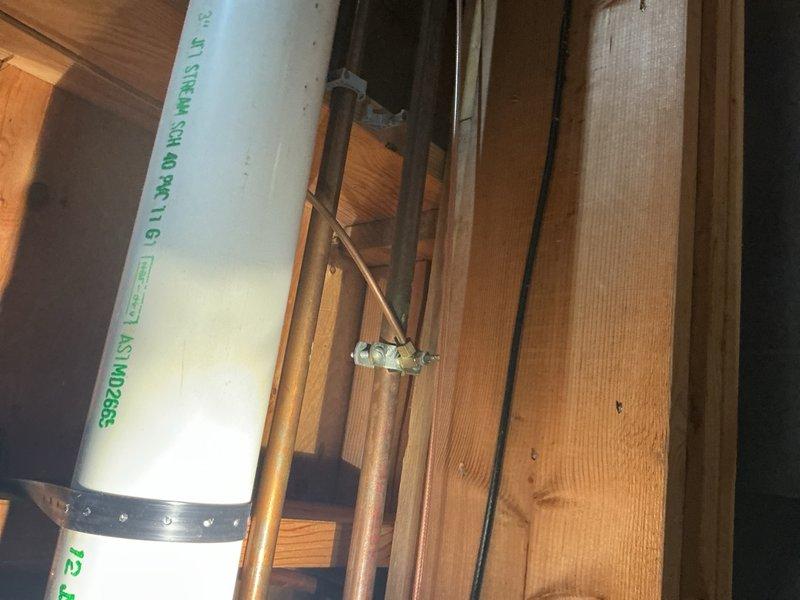

Completed kitchen plumbing installation and disconnection in preparation for countertop replacement. Installed customer-supplied kitchen faucet and lavatory faucet, two basket strainers, and reconnected kitchen drain. Ran new supply line to refrigerator ice maker with new shutoff valve installed. Reconnected reverse osmosis system under sink. All installations were pressure tested and inspected for leaks with no issues found. Subsequently disconnected all plumbing fixtures and supply lines to facilitate countertop removal and replacement. All work completed per specifications with systems verified operational prior to disconnection.
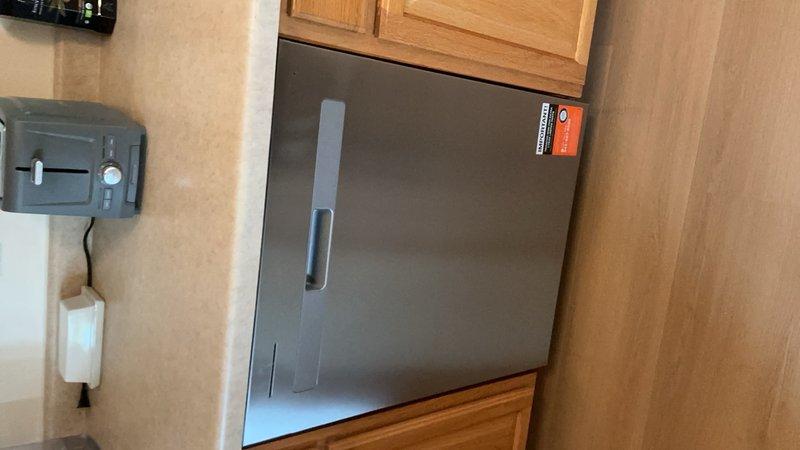
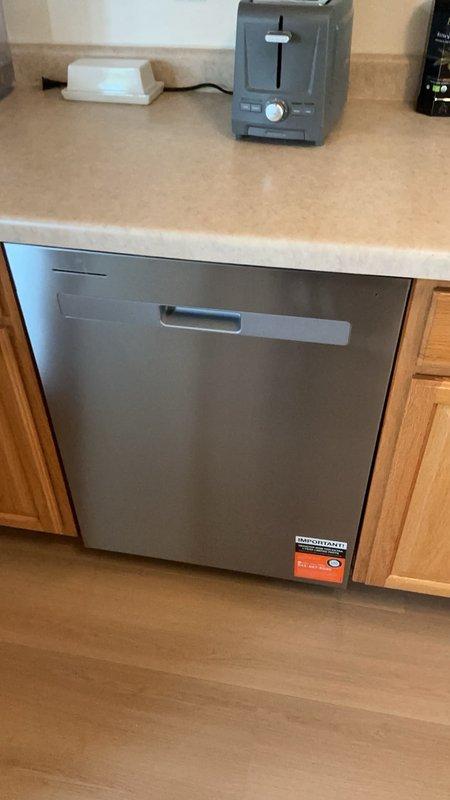

Installed customer-supplied stainless steel dishwasher in residential kitchen beneath existing countertop. Connected water supply line, drain hose, and electrical connections per manufacturer specifications, ensuring proper fit within cabinetry opening and verifying operational functionality upon completion.
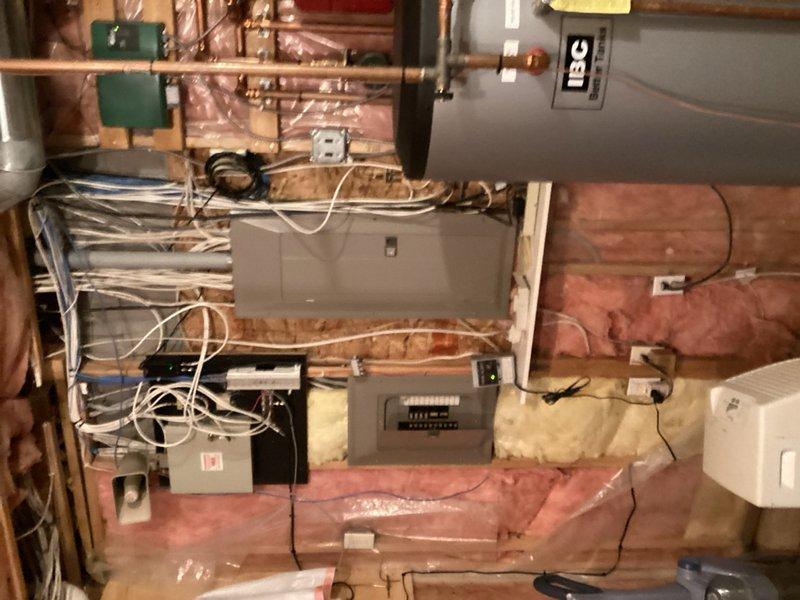

Completed comprehensive air conditioning maintenance tune-up including inspection of evaporator coil, blower assembly, condenser unit, and all major components. Verified refrigerant charge levels were within specification, cleaned condenser coil to optimize heat transfer efficiency, and confirmed air filter had been recently replaced. Tested contactor, compressor operation, and all electrical connections; system operating normally with no deficiencies noted.
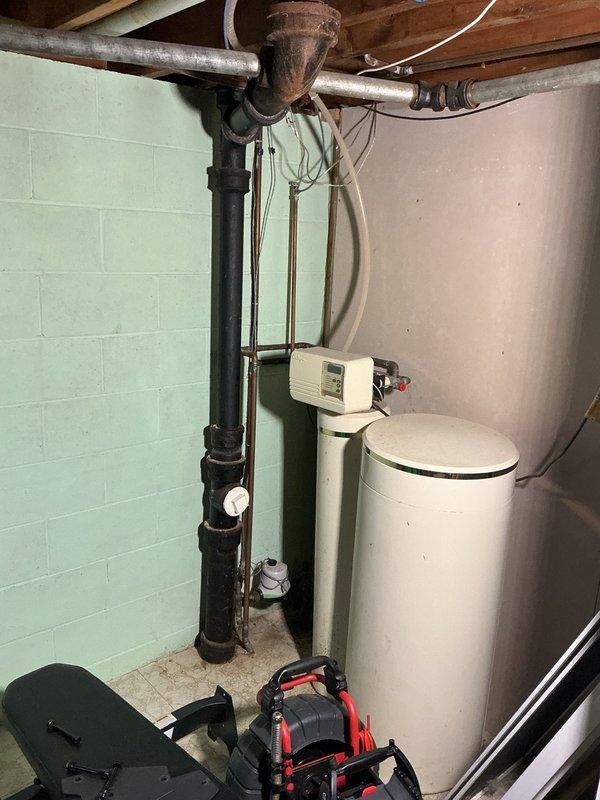

Responded to customer report of gurgling toilets in residential property. Upon arrival and inspection, verified that both toilets were operating normally with no gurgling sounds present. Performed camera inspection of main sewer line from basement cleanout to verify system integrity and rule out any blockages, root intrusion, or pipe defects that could cause intermittent drainage issues. Camera inspection confirmed sewer line was clear with no obstructions, roots, or structural concerns identified throughout the accessible main line run.
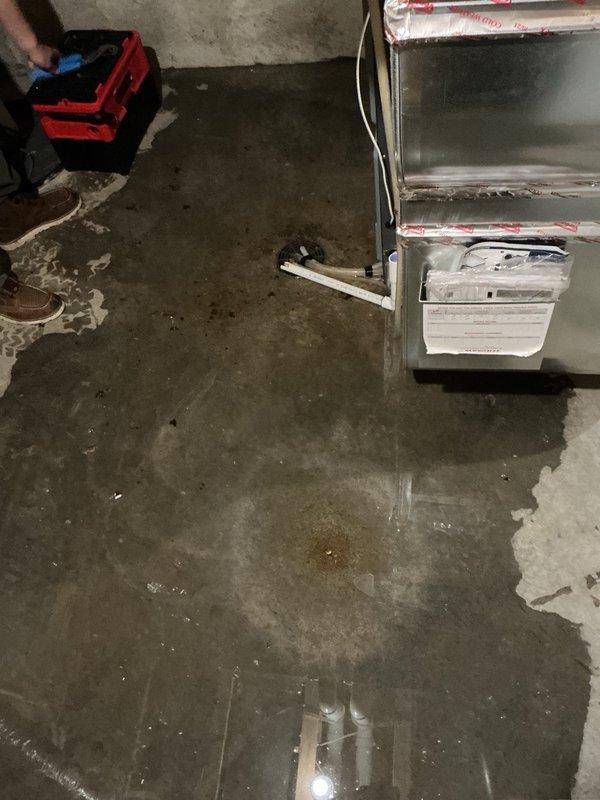
Responded to a clogged floor drain causing water backup in basement. Upon inspection, discovered that a test cap had been left installed on the floor drain with only a small hole allowing minimal water flow, resulting in drainage obstruction and standing water accumulation. Removed the test cap to restore full drainage capacity and resolve the backup issue.
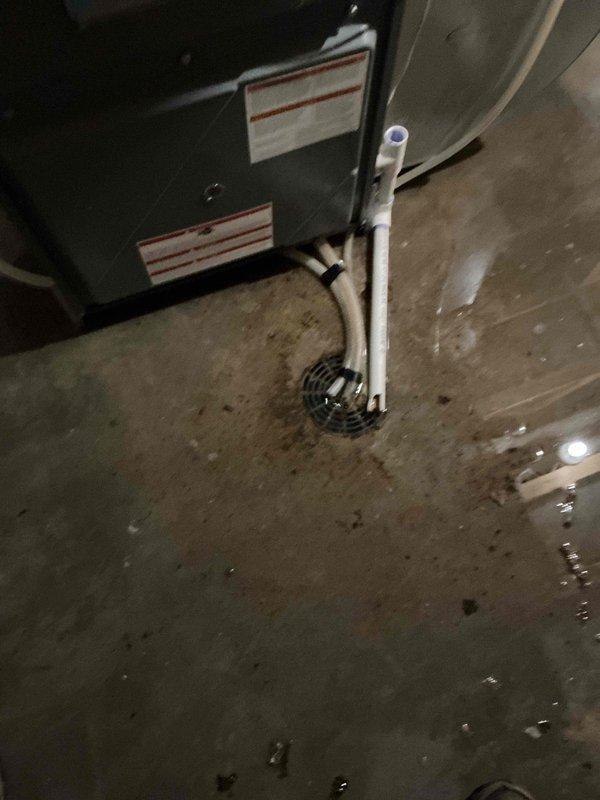
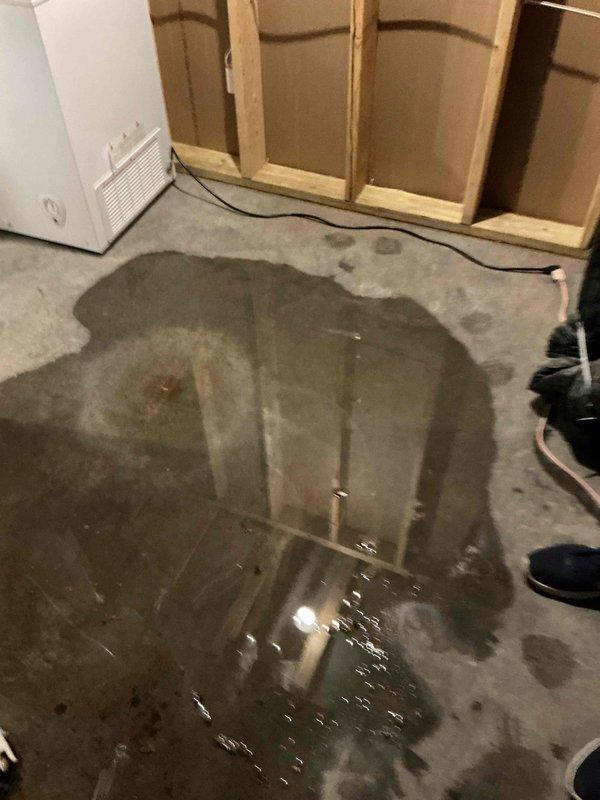
Responded to a no cooling call and member tune-up request for a 5-year-old natural gas furnace system. Upon arrival, discovered extensive water pooling around the furnace and on the concrete floor of the mechanical space. Diagnosed that water leakage occurred only when the HVAC system was operational and ceased when the unit was turned off, indicating a condensate drainage issue rather than an equipment malfunction. Inspected the condensate drain system and confirmed that the drain line was completely plugged, causing water to back up and overflow around the furnace base. No error codes were present on the unit at time of inspection. Documented the water damage with photographs showing standing water on the floor and moisture staining on the concrete surface. Coordinated with dispatch to schedule a specialized drains technician to clear the blocked condensate line and restore proper drainage function.
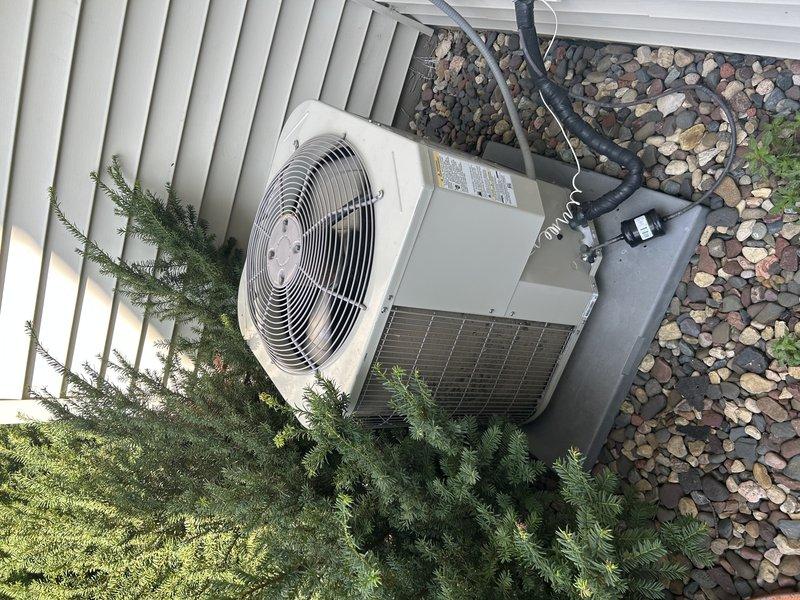
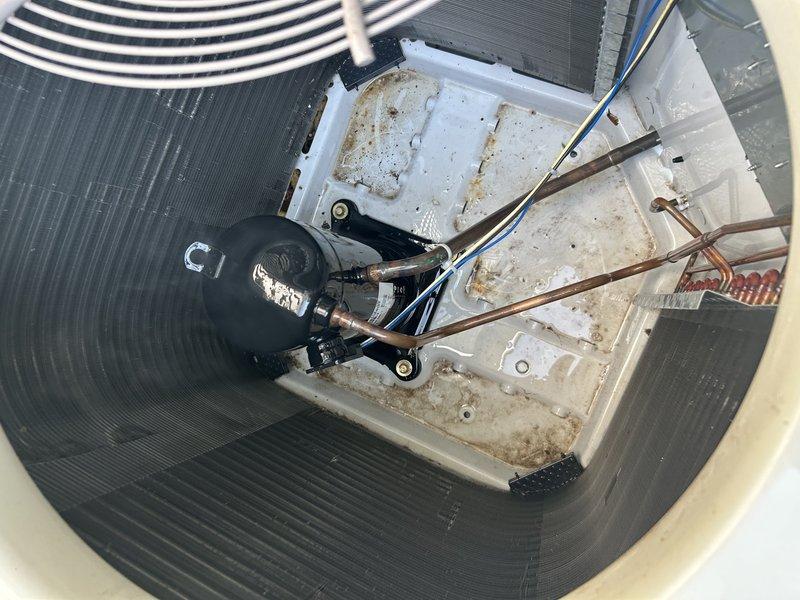
Performed comprehensive air conditioning tuneup and system evaluation. Tested AC operation and replaced air filter. Inspected furnace blower compartment for proper function. Cleaned condenser coil by washing exterior unit and removing accumulated debris. After allowing system to run for 20 minutes, connected manifold gauges to assess refrigerant charge. System diagnostics revealed TXV system operating with only 1° subcooling, indicating refrigerant charge is below optimal levels. Unit currently providing adequate cooling but performance would improve with proper refrigerant charge. Provided recommendations for refrigerant service to restore system to manufacturer specifications for optimal efficiency and longevity.
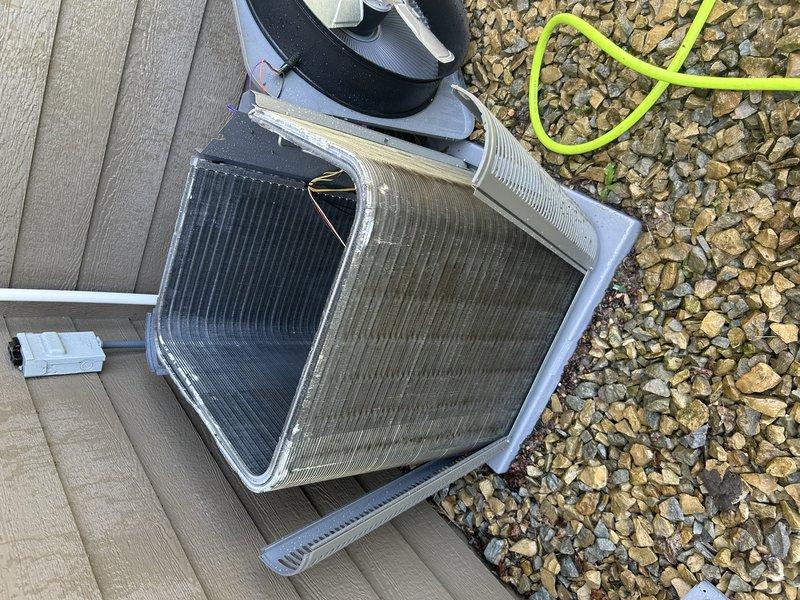
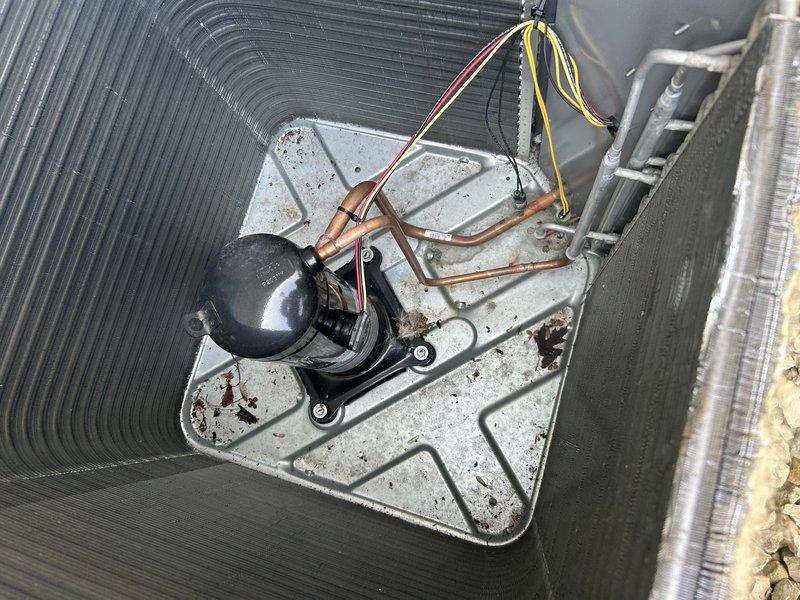
Performed comprehensive air conditioning tune-up and maintenance inspection per service agreement. Tested system operation and verified air filter condition, confirmed condensate drain was clear and flowing properly. Cleaned outdoor condenser coil, inspected all exterior components, and measured refrigerant pressures and temperatures to confirm system operating within manufacturer specifications with proper temperature differential in conditioned space.
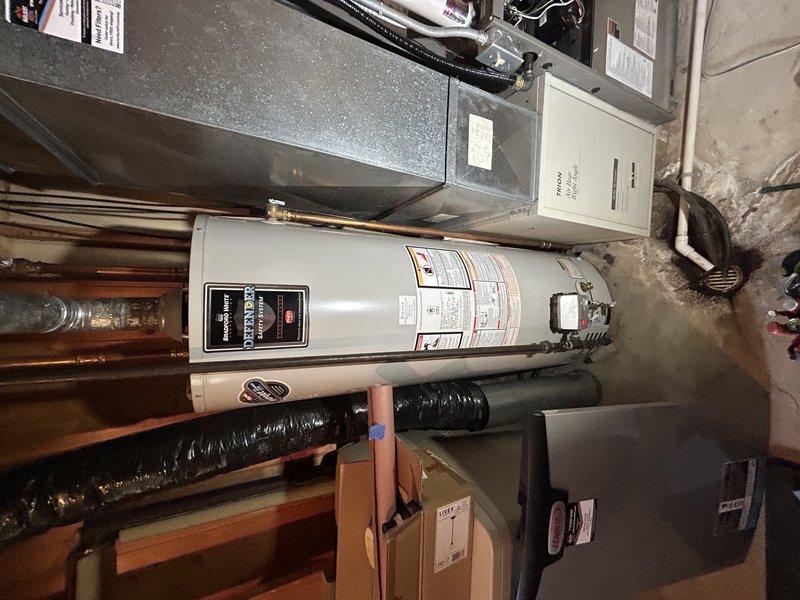
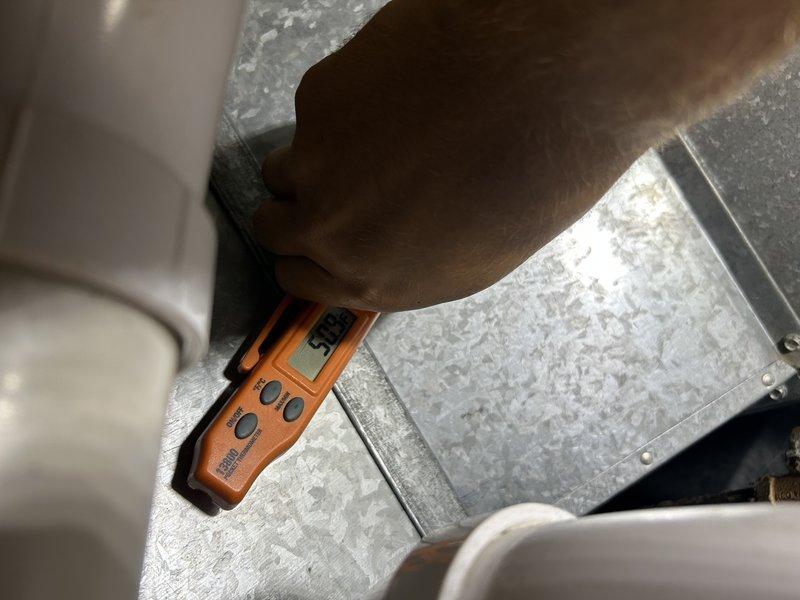
Performed comprehensive air conditioning tune-up on unit less than 10 years old. Tested system operation and verified proper cooling performance throughout. Inspected blower compartment, cleared condensate drain line, and cleaned outdoor condenser coil. All components functioning within normal parameters. Recommended air filter replacement within the next few months to maintain optimal airflow and system efficiency.
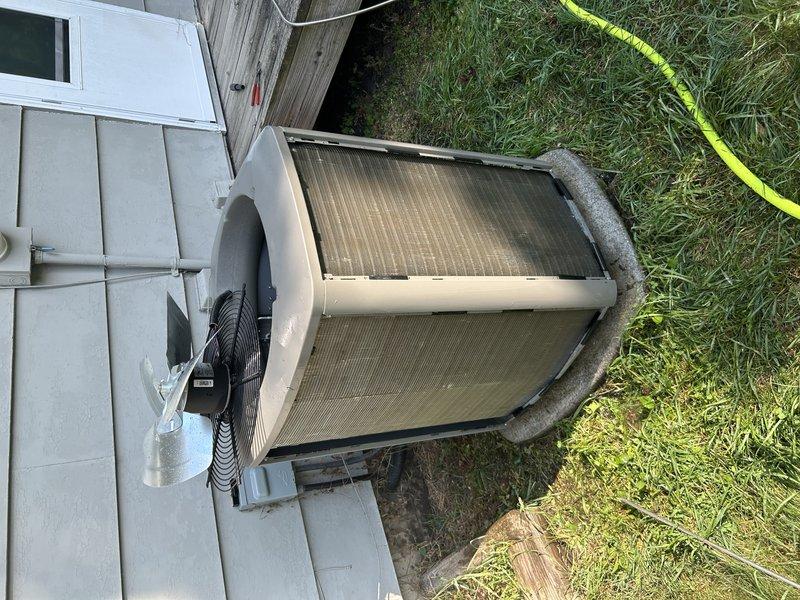
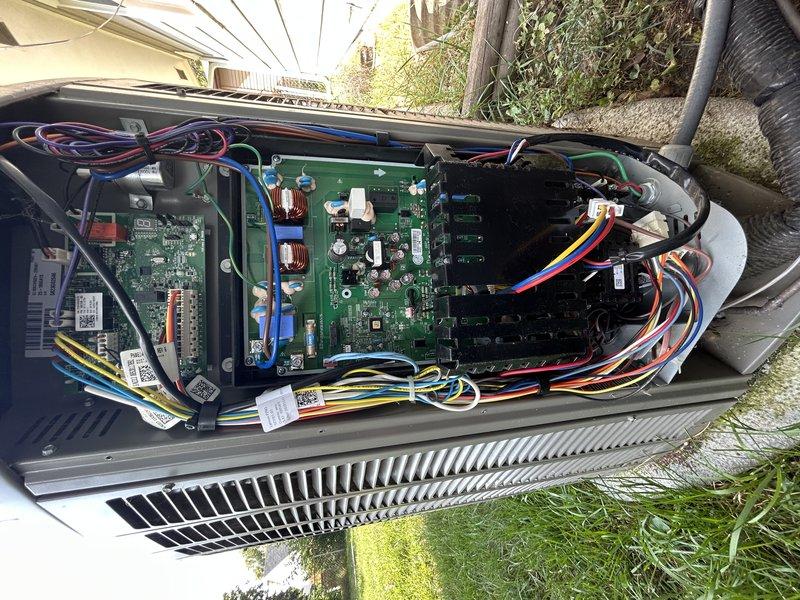
Completed comprehensive air conditioning tune-up and maintenance agreement service. Tested system operation and verified proper cooling performance with satisfactory temperature differential across evaporator coil. Replaced dirty air filter, cleared condensate drain line, and inspected blower compartment for proper operation. Performed exterior condenser coil cleaning to remove debris and ensure optimal heat transfer, inspected all electrical components and connections, and confirmed all system parameters are within normal operating specifications.
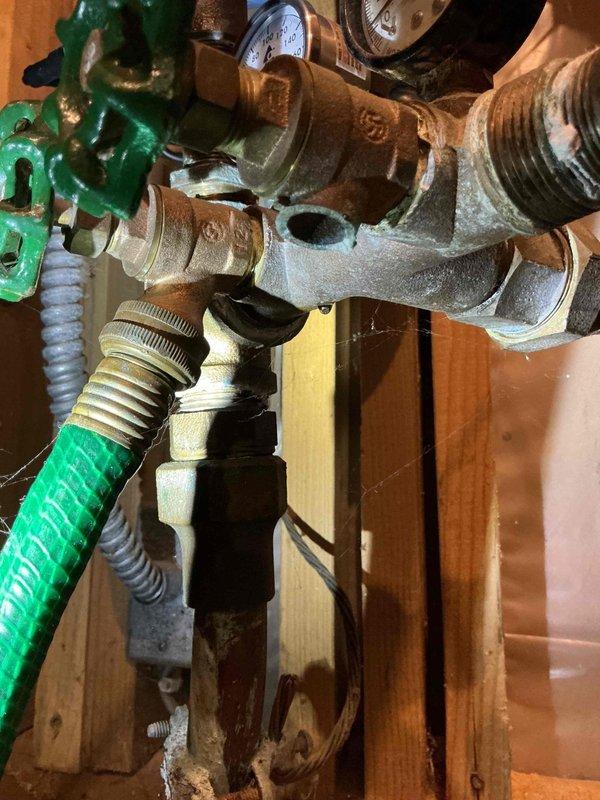
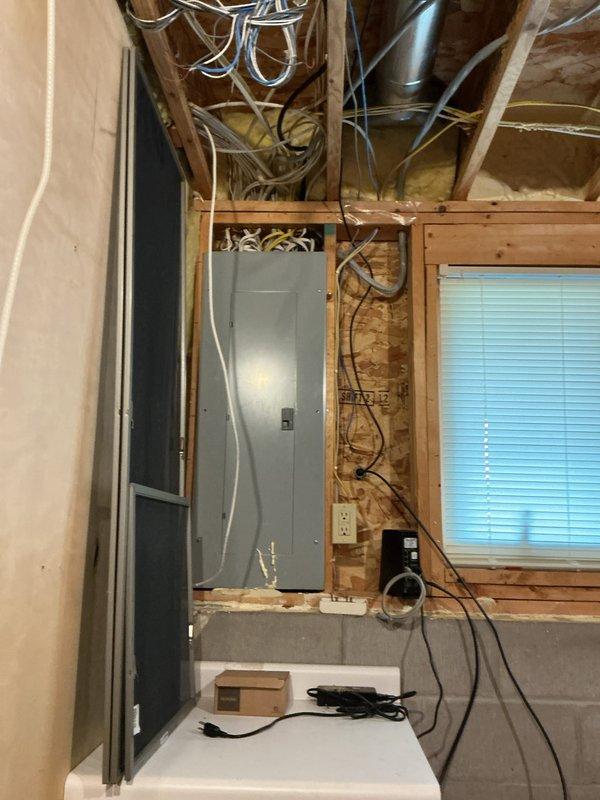
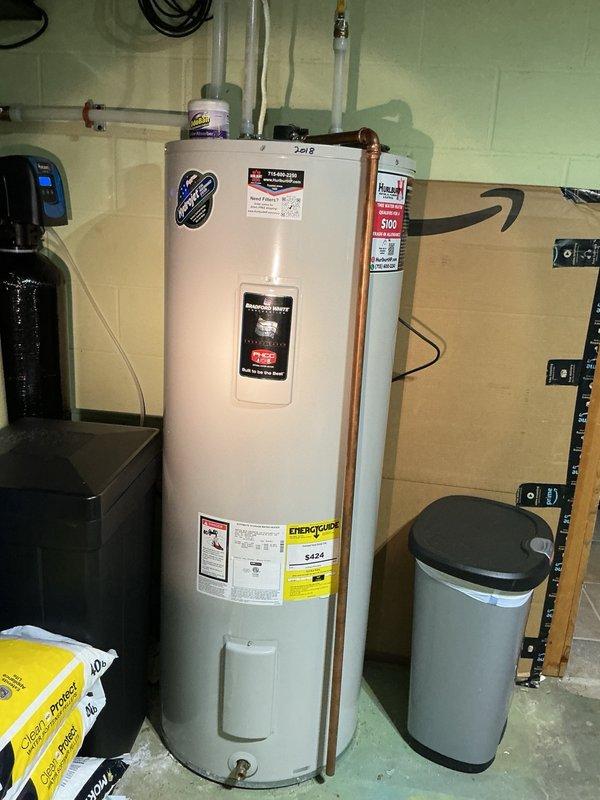
Responded to service call for reported water condensation behind furnace. Upon thorough inspection of HVAC equipment and surrounding area, determined that moisture issue was unrelated to heating or cooling systems. Identified source of water leak as faulty pressure gauge on main water supply line. Documented plumbing components with photos and recommended scheduling licensed plumber to address water line issue.
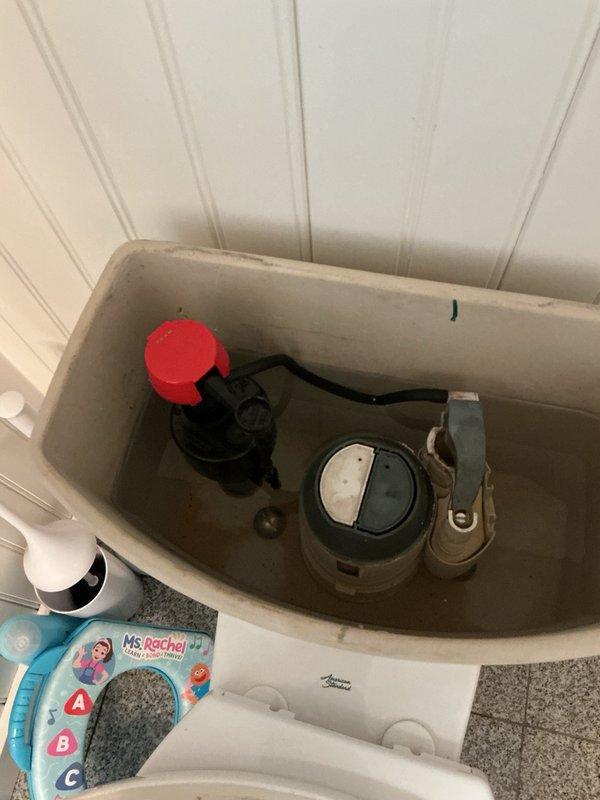

Responded to a service call for a toilet that was running constantly. Upon inspection, determined that the existing American Standard fill valve had failed and was no longer functioning properly. Removed the old fill valve and installed a new replacement unit to restore proper operation. Due to the skirted toilet design, which presents additional complexity for fill valve replacement, advised the customer to monitor the fixture for any potential leaks or drips following the repair.
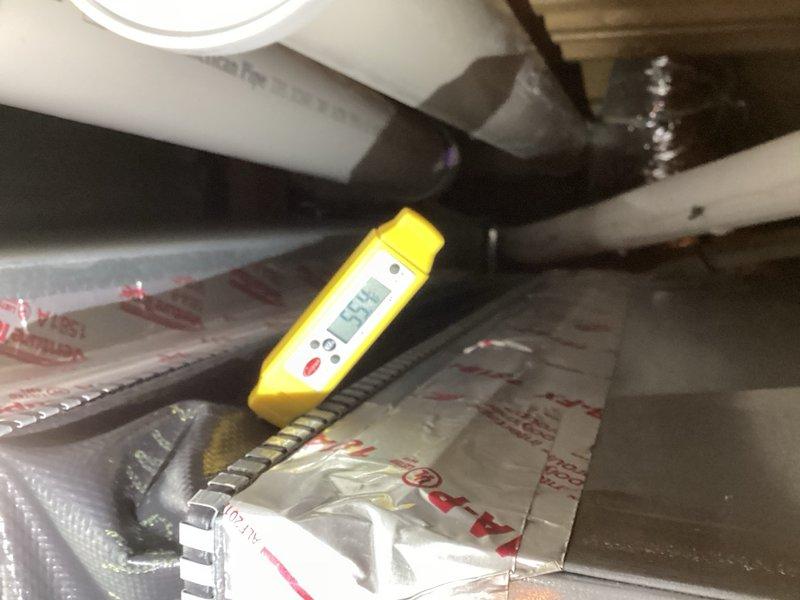
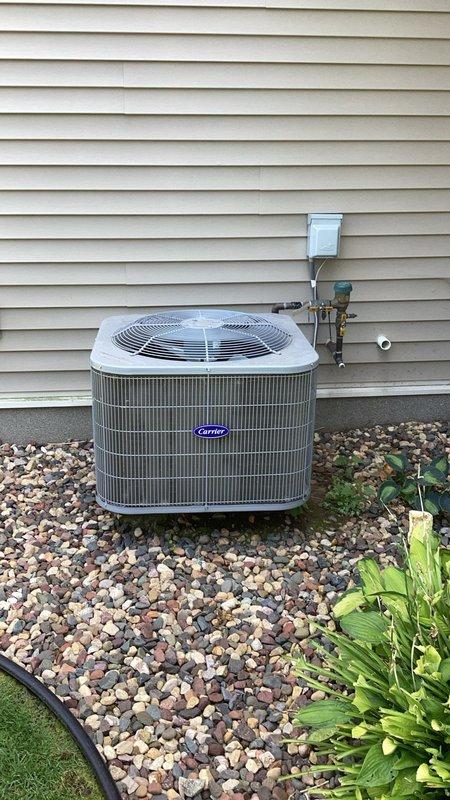
Completed annual cooling system maintenance on 9-year-old Carrier air conditioning unit as part of preventative maintenance agreement. Performed comprehensive system inspection including evaporator coil, blower assembly, condenser unit, contactor, compressor, and all related components. Replaced air filter, verified refrigerant charge levels at proper specifications, and cleaned condenser coil to ensure optimal heat transfer. Measured supply air temperature at 59.9°F, confirming adequate cooling performance. All components operating within normal parameters with no deficiencies noted.



©2026 Hurlburt. All Rights Reserved.
Privacy Policy | Terms and
Conditions
This site is protected by reCAPTCHA and the Google Privacy Policy and Google Terms of Service apply.
