


HVAC, Plumbers, and Electricians Serving Prior Lake, MN
Since 1959 Hurlburt, we make it our mission to keep your home comfortable and protected.


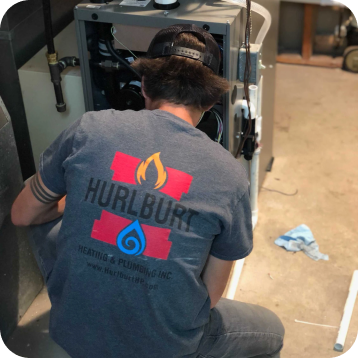
Professional Plumbers in Prior Lake
When you have a broken pipe or no hot water, you want a plumber at your doorstep fast. At Hurlburt, our 24/7 emergency service means we’ll be knocking in a matter of hours to help stop the flooding and start fixing the problem.
From leaky faucets to adding bathrooms, we do it all, and we do it right. Our team has more than 65 years of experience working on all types of plumbing problems.
- Faucet Repair/Install
- Shower Repair/Install
- Garbage Disposals
- Sprinkler Systems
- Septic Tank Repair
- Gas Lines
- Sump Pumps
- Camera Inspections
- Boilers
- Leak Detection
- Pipe Lining
- Radiant Heating
- Water Filtration
- Remodels
- Slab Leaks
- Toilet Repair/Install
Charging Up With Licensed Electricians
Most homes in Prior Lake are more than 25 years old, which isn’t old for a house but can be pretty old for wiring. If your home has original wiring and a low-amp panel box, it might be time for some major upgrades. No matter what electrical service you need, our team is quick, courteous, and honest.
- Appliances
- Electrical Upgrading
- Electrical Repairs
- Fan Installation
- Backup Generators
- Panel Replacements
- Indoor Lighting
- Panel Inspections
- Outdoor Lighting
- Electrical Replacement
- Remodels
- Surge Protection
- Smoke Alarms
- Outlet Repair/Install
- CO Testing
- Switch Repair/Install
- EV Charging Stations

When you want 5-star service for your indoor air quality, HVAC system or when you are looking for an electrician or plumber in Prior Lake, you want Hurlburt. We have the experience and more than 2,500 reviews about our high-quality and affordable service.
Recent Jobs and Reviews in Prior Lake, MN
Prior Lake, MN at a glance
Hurlburt Heating & Plumbing has completed 20 jobs in Prior Lake, MN between June 2026 and July 2026.
The most recent job was on July 28, 2026.
Hurlburt Heating & Plumbing has completed 138 jobs in Prior Lake, MN in the last 12 months. The first job there was in October 2024.
Job Locations and Reviews
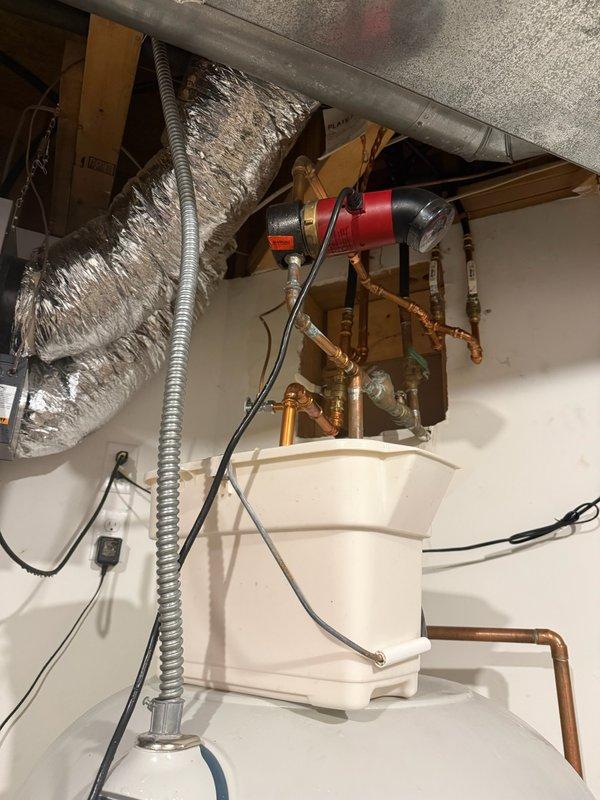
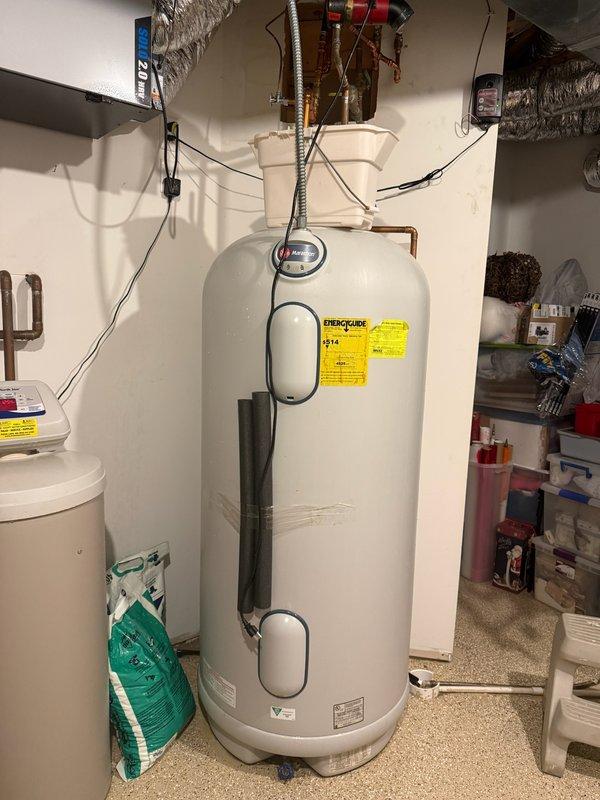

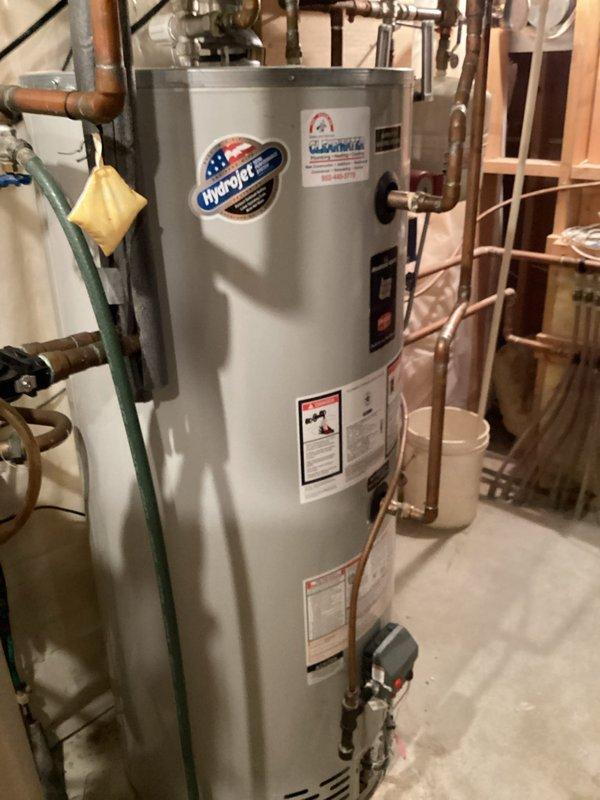
Responded to reported leak at top of 2011 Marathon water heater unit. Upon inspection, determined the leak was originating from the hot water circulating pump mounted above the water heater, not from the tank itself. Documented existing conditions with photographs showing the pump installation, copper piping connections, and overall water heater setup. Circulating pump requires replacement to resolve the active leak. Customer will be scheduled for follow-up appointment to complete pump replacement and restore proper operation of the recirculation system.
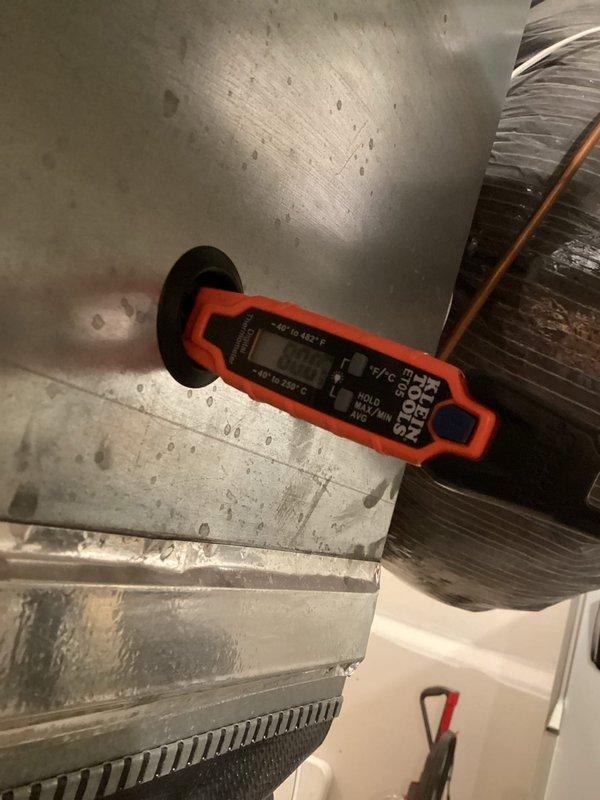

Responded to warranty follow-up for system low on refrigerant. Customer approved addition of R-410A refrigerant and UV leak detection dye, understanding that refrigerant and dye materials are not covered under parts warranty. Added refrigerant to proper charge levels and injected UV dye into system for future leak detection and diagnosis.
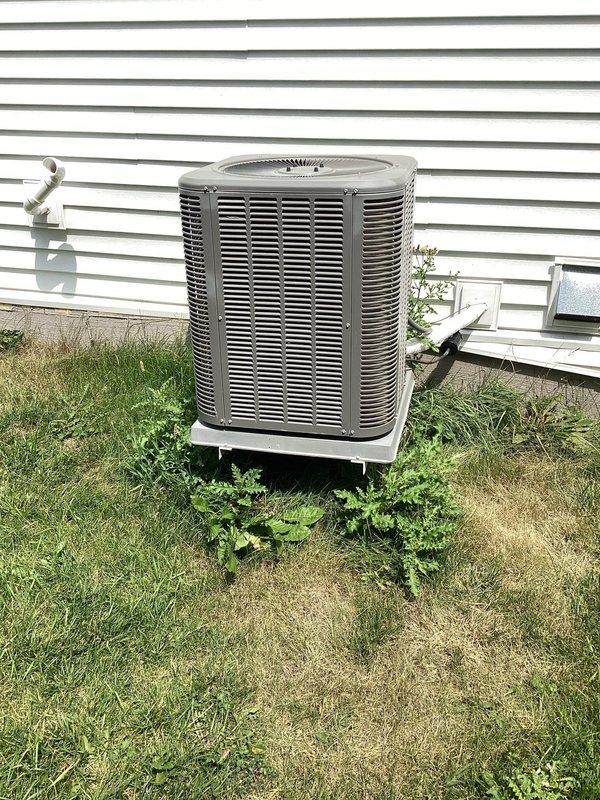

Responded to a no cooling call on a 7-year-old residential air conditioning system. Diagnosed a failed capacitor as the cause of the unit's inability to operate. Replaced the defective capacitor, restoring full cooling functionality to the system.
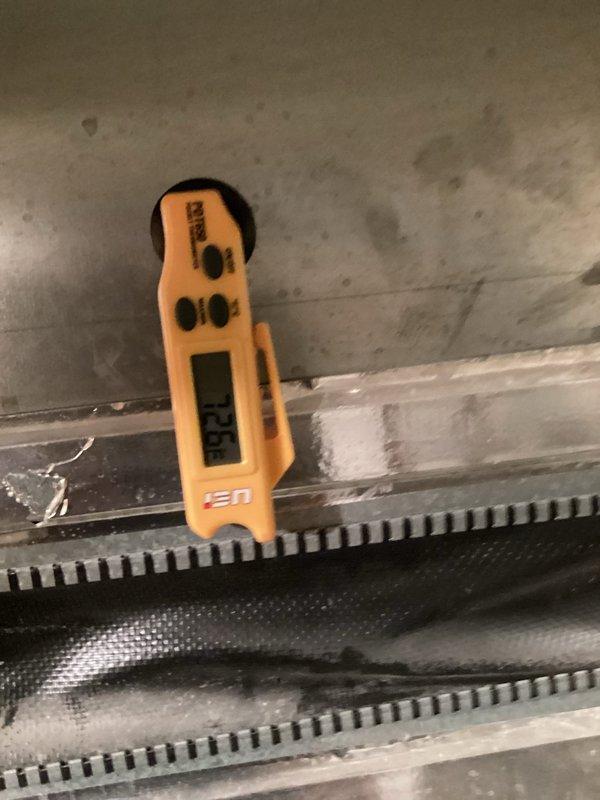
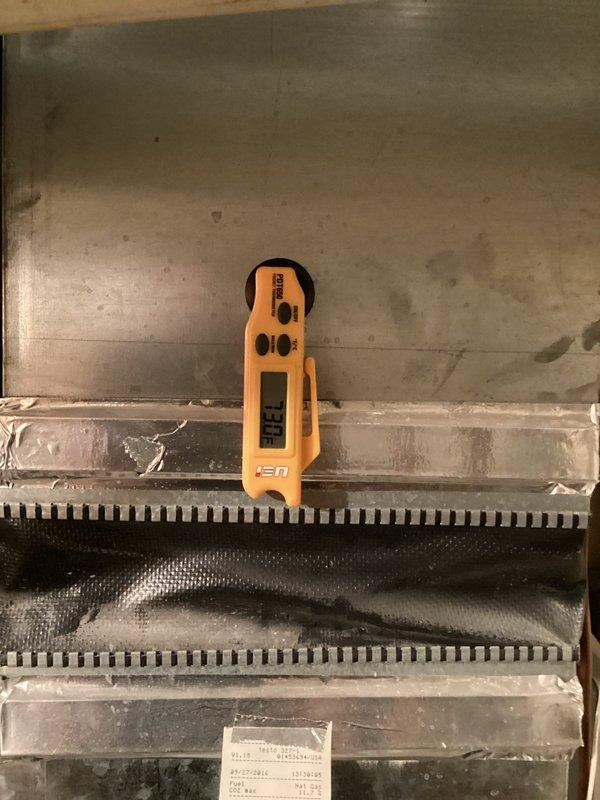

Responded to no-cool complaint on 9-year-old residential air conditioning system unable to maintain setpoint of 73°F, holding at 78°F. Upon arrival, found A/C unit running continuously but providing insufficient cooling to the residence. Performed diagnostic evaluation of system operation and measured temperature differentials across the evaporator coil using digital thermometer. Inspection revealed evaporator coil exhibiting ice formation, indicating low refrigerant charge. Confirmed system was operating with inadequate refrigerant levels, causing reduced cooling capacity and coil freeze-up. Low charge condition was preventing proper heat absorption and causing compressor to run continuously without achieving desired indoor temperature. Advised homeowner to power down system for 24 hours to allow complete defrost of evaporator coil before proceeding with refrigerant service. Shut down unit to prevent potential compressor damage from continued operation in frozen condition. Scheduled
Responded to first call on newly installed IAQ system experiencing loud humming noise that was disruptive during business hours. Upon inspection, confirmed unit was operating properly with all functions working as designed. Adjusted fan speed settings to lower level to reduce operational noise while maintaining proper air circulation and system performance.
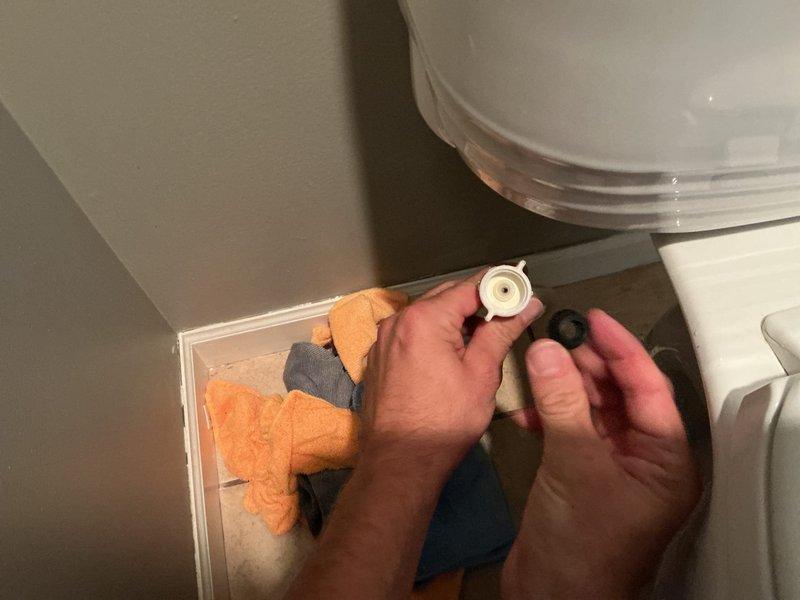
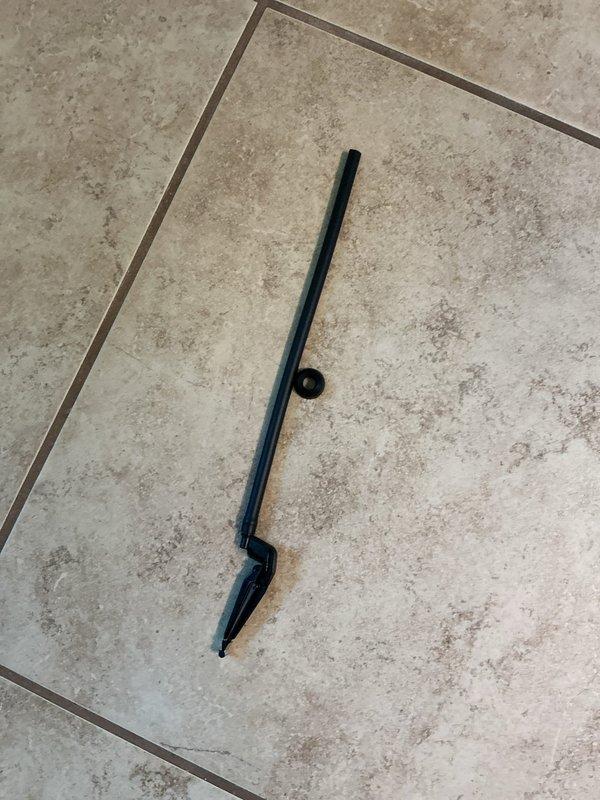

Responded to a toilet fill valve leak following homeowner's DIY replacement attempt. Upon diagnostic inspection, identified two missing components: the refill tube connecting the fill valve to the flush valve and the water supply line gasket. Located the original supply line gasket on-site and inspected for wear and damage; gasket condition was acceptable for reinstallation. Installed the gasket to the water supply connection and attached the refill tube from the fill valve to the overflow tube on the flush valve. Tested system operation to verify proper fill cycle, water level, and leak-free connections at all points. Noted aging flapper valve showing signs of deterioration and recommended replacement; homeowner elected to complete flapper replacement independently. System restored to proper working order with no active leaks detected.


Responded to basement toilet leaking issue where homeowner attempted DIY repair of flapper and refill valve assembly without success. Upon arrival, found toilet components improperly installed with persistent leak from tank. Performed complete rebuild of toilet mechanism, including proper installation and adjustment of fill valve, flush valve assembly, and flapper system. Reconnected refill tube to overflow pipe, verified all compression fittings and supply line connections were secure, and tested system for proper operation and water seal integrity.


Responded to water leak near the main water meter and shut-off valve assembly. Upon inspection, identified multiple leak sources including a failed compression seal at a pipe coupling connection and a pinhole leak in a secondary fitting body. The main water shut-off valve exhibited significant cracking and corrosion, rendering it unsafe for continued operation. Replaced the compromised main shut-off valve with new assembly to restore proper water control and prevent future failures. Repaired leaking compression fittings and addressed pinhole leak in the piping near the water meter and softener connection point. All copper piping, brass fittings, and valve components showed extensive oxidation and corrosion consistent with age and moisture exposure. Tested all connections for proper seal integrity and verified full system functionality upon completion.


Responded to water leak investigation in mechanical room ceiling. Previous HVAC contractor had determined leak was not originating from furnace system. Upon arrival, performed visual inspection of affected ceiling area and accessed ceiling cavity to diagnose water source. Cut access opening in drywall to expose plumbing lines and HVAC ductwork above mechanical room. Thoroughly inspected all visible plumbing connections, supply lines, and drain lines within the ceiling cavity. Examined galvanized HVAC ductwork and transitions for signs of condensation or moisture accumulation. Confirmed that plumbing system was not the source of the water leak. Documented conditions with photographs showing ductwork installation, wooden framing, and ceiling cavity components for further investigation by appropriate trade contractor.


Responded to customer concern regarding brown spots and condensation appearing on furnace room ceiling. Conducted thorough diagnostic inspection of HVAC system including downflow furnace, return air ducts, refrigerant lines, venting, and fresh air return to identify potential moisture sources. Inspected return duct pathways and confirmed no signs of condensation or water accumulation within ductwork. Verified refrigerant line routing does not pass through affected ceiling areas. Confirmed downflow furnace configuration eliminates cold supply ducts as potential condensation source. Determined water damage and ceiling discoloration is not HVAC-related based on equipment location, duct routing, and absence of moisture in system components. Documented findings with photographic evidence showing water staining patterns on ceiling and confirmed HVAC equipment condition. Recommended plumbing department investigation with exploratory ceiling access to identify actual water source above damaged


Completed annual air conditioning tune-up on DryAire dehumidification system. Found and replaced failed capacitor and dirty air filters located above stairway requiring extended ladder access. System tested and verified operational with multimeter readings confirming proper electrical performance.


Responded to no cooling call on 3-year-old system. Upon arrival, unit was operational after homeowner had cleaned outdoor unit and reset system following weekend failure with clicking noise and non-functioning indoor blower. Performed thorough inspection of Rheem Criterion high-efficiency system to identify cause of initial failure. Examined electrical connections at dual capacitor, noting discoloration and corrosion on capacitor housing with multiple wire terminals showing signs of heat stress and weathering. Verified all electrical connections were secure and tested capacitor functionality. Inspected air handler cabinet and confirmed proper airflow through louvers. System operating normally at time of inspection with no faults detected. Documented equipment condition with photos of capacitor connections and air handler for future reference.


Installed three new chrome vanity faucets with drain stems on double sink bathroom vanity in vacant property. Diagnosed and repaired refrigerator water line leak caused by faulty coupling, replaced defective coupling with new fitting, and restored water supply to appliance. Verified all fixtures operational and confirmed completion of work order items prior to departure.


Responded to service call for 78-gallon electric water heater with no hot water production. Upon inspection, determined the flammable vapor sensor had tripped, preventing the unit from operating. Replaced the defective flammable vapor sensor and restored full functionality to the one-year-old water heater system.


Responded to no cooling call on Veromar high efficiency system. Upon arrival, confirmed unit was running but blowing warm air. Diagnosed failed capacitor preventing compressor from operating. Replaced defective capacitor with proper replacement part. Tested system operation and verified cooling restored to normal function. Unit operating within manufacturer specifications at time of departure.


Conducted follow-up phone call to review previous service visit and discuss system configurations. Customer expressed interest in obtaining estimates for two potential projects: zoning the basement heating system separately from the garage area, and installing a combination boiler system. Documented existing radiant heating manifold with PEX distribution lines and electrical panel for future estimate preparation.


Responded to service call for radiant floor heating system experiencing leaks in the supply manifold zones 8-12. Identified loose fittings on manifold connections, disassembled affected joints, applied fresh Teflon tape to threads, and retightened nuts to proper torque specifications. Verified leak-free operation of both repaired connections. Performed system flush on two zones using existing glycol/water premix and homeowner's circulation pump to remove air and ensure proper flow through radiant loops. System tested and confirmed operational with no leaks detected at manifold connections.


Performed comprehensive plumbing inspection at vacant residential property in preparation for sale. Identified and diagnosed multiple issues including leaking faucet handles at base on two upper-level bathroom fixtures and one additional bathroom faucet, all requiring replacement. Repaired refrigerator water supply line connection where copper pipe meets plastic fitting, eliminating active leak and restoring water supply to appliance. Evaluated existing water softener system and determined unit was not functioning correctly due to age and wear. Provided detailed estimate for faucet replacements and water line repair, which was approved by property owner. Documented all findings with photographic evidence of basement utility area showing water treatment equipment and water heater installations with visible floor staining indicating prior moisture issues. Coordinated follow-up service appointment for approved repair work. Confirmed completion of full inspection checklist with property ow


Installed a proper P-trap on the HVAC condensate drain line to replace the temporary drainage setup. The condensate line was previously running directly to the drain without appropriate trap configuration. Completed installation of code-compliant P-trap assembly using white PVC piping with proper fittings to ensure adequate drainage and prevent air infiltration into the system.


Completed comprehensive cooling maintenance on 16-year-old Bryant air conditioning system. Inspected contactor (good condition), tested capacitor and found weak readings on both fan and compressor nodes at 3.52 μF, verified refrigerant charge is adequate with dye present in system, confirmed amp draws within specifications, and inspected condenser coil (clean). Indoor inspection included furnace filter (clean), control board (good), blower wheel (clean), and evaporator coil (clean). Heat exchanger shows heavy heat stress on back bends. Measured temperature drop at 19 degrees, within acceptable range. Discussed findings and equipment condition with homeowner and scheduled follow-up consultation with service advisor for capacitor replacement and heat exchanger concerns.


©2026 Hurlburt. All Rights Reserved.
Privacy Policy | Terms and
Conditions
This site is protected by reCAPTCHA and the Google Privacy Policy and Google Terms of Service apply.
