


HVAC, Plumbing, & Electrical Company in Minneapolis, MN
Since 1959 Hurlburt, we’ve made it our mission to keep your home safe, comfortable and protected.

Highly Rated

Satisfaction Guaranteed

0% Financing

Friendly Technicians
Plumbing Services in Minneapolis
From freezing pipes in winter to heavy usage throughout the year, your plumbing system in Minneapolis faces unique challenges. Hurlburt provides reliable plumbing services to keep water flowing safely and efficiently throughout your home.
Reliable Service and Install Plumbers the MSP Metro
As a trusted plumber in Minneapolis, Hurlburt offers dependable solutions for everything from routine maintenance to complex repairs. Our team handles drain cleaning, pipe repairs, water heater services, and more, all with a commitment to prompt, high-quality service.
Reliable Plumbing Solutions
Plumbing issues can escalate quickly, especially in colder climates. Our team responds promptly to diagnose and fix problems before they cause serious damage, helping you avoid costly repairs and disruptions.
- Plumbing Repairs: We handle leaks, clogs, burst pipes, slab leaks, and more, helping you avoid water damage and mold growth.
- Plumbing Installation: Whether it is new construction or system upgrades, we install durable, efficient plumbing built to last.
Our plumbing services include:
- Faucet Repair and Installation
- Shower Repair and Installation
- Garbage Disposals
- Sprinkler Systems
- Septic Tank Repair
- Gas Lines
- Sump Pumps
- Camera Inspections
- Boilers
- Leak Detection
- Pipe Lining
- Radiant Heating
- Water Filtration
- Remodels
- Slab Leaks
- Toilet Repair and Installation
Electrical Services in Minneapolis
Modern homes depend on safe, reliable electrical systems. Hurlburt’s licensed electricians in Minneapolis provide a full range of services, from upgrades to repairs, ensuring your home remains powered safely and efficiently.
Top Electrical Services From Licensed Electricians
Our electricians bring the same level of expertise and customer care to every job, ensuring the safety and efficiency of your electrical system. From panel upgrades to lighting installations, we handle every project with attention to detail and a strong focus on safety.
Expert Electrical Solutions
Electrical work should always be handled by professionals. Our team focuses on safety, performance, and long-term reliability with every project, helping homeowners avoid hazards and maintain consistent power throughout their homes.
- Electrical Repairs: Flickering lights, burning smells, or damaged outlets are warning signs that need immediate attention.
- Electrical Installation: From EV chargers to panel upgrades, we ensure your system is installed correctly and built for today’s energy demands.
Our electrical services include:
- Appliances
- Electrical Upgrading
- Electrical Repairs
- Fan Installation
- Backup Generators
- Panel Replacements
- Indoor Lighting
- Panel Inspections
- Outdoor Lighting

AC Repair Services in Minneapolis
While winters are known for their intensity, Minneapolis summers can bring heat and humidity that make indoor comfort just as important. Hurlburt offers expert air conditioning services to keep your home cool, efficient, and comfortable all season long.
Hurlburt Home Comfort Solutions
From quick repairs to full furnace and AC system upgrades, our technicians are ready to handle any cooling challenge. We service both central air and ductless systems with precision and care.
- AC Repairs: Warm air, weak airflow, leaks, or unusual noises are all signs your AC needs professional attention.
- AC Installation: Upgrading your air conditioning system can improve comfort, indoor air quality, and energy efficiency.
- AC Maintenance: Spring maintenance helps your system run efficiently during peak summer heat.
Furnace Repair Services in Minneapolis
Winters in Minneapolis are not just cold, they are relentless. Hurlburt provides complete heating services including repairs, maintenance, installations, and system replacements to ensure your home stays warm when it matters most. We work on furnaces, boilers, and ductless heating systems, so no matter what setup you have, we can help.
Hurlburt Furnace Solutions
When your heat stops working during a Minnesota winter, it becomes an urgent issue. Our team offers fast, reliable service, including emergency heating repairs, to restore comfort quickly.
- Furnace Repairs: If you notice uneven heating, strange noises, rising energy bills, or unusual smells, it is time to call for service before the issue worsens.
- Furnace Installation: Whether you are building a new home or upgrading an outdated system, we install high-efficiency units designed for Minnesota’s climate.
- Furnace Maintenance: Annual tune-ups, ideally in the fall, help prevent breakdowns and extend the life of your system.
Complete Residential HVAC Services in Minneapolis
For top-quality furnace repair, AC repair, indoor air quality, plumbing, or electrical services in Minneapolis, reach out to Hurlburt and schedule your service today.
Recent Jobs and Reviews in Minneapolis, MN
Minneapolis, MN at a glance
Hurlburt Heating & Plumbing has completed 20 jobs in Minneapolis, MN in September 2026.
The most recent job was on September 25, 2026.
Hurlburt Heating & Plumbing has completed 1,695 jobs in Minneapolis, MN in the last 12 months. The first job there was in October 2024.
Job Locations and Reviews

Tony C.
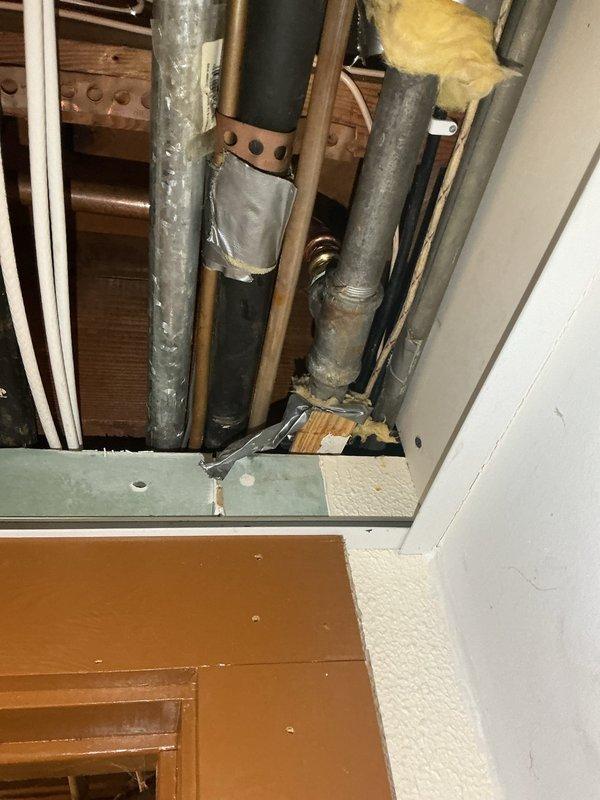
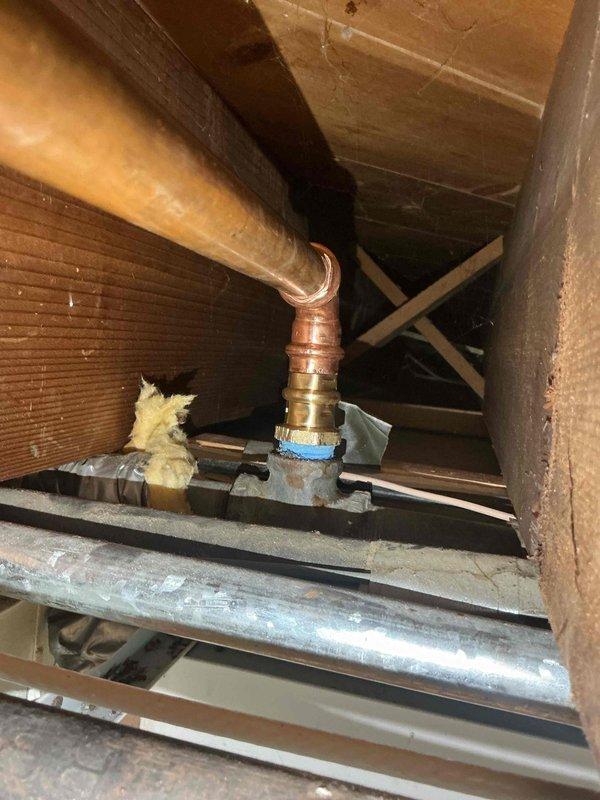
Responded to a water leak in the basement originating from a three-quarter inch galvanized pipe supplying an exterior hose bib. Upon inspection, identified active leak at the galvanized pipe connection. Removed the deteriorated galvanized supply line and replaced with copper piping. Installed a new shutoff valve to control water flow to the outside hose connection. Verified all connections were secure and leak-free upon restoration of water pressure. Work area was left clean and accessible.
Minneapolis, MN 55406

Lazlo L.
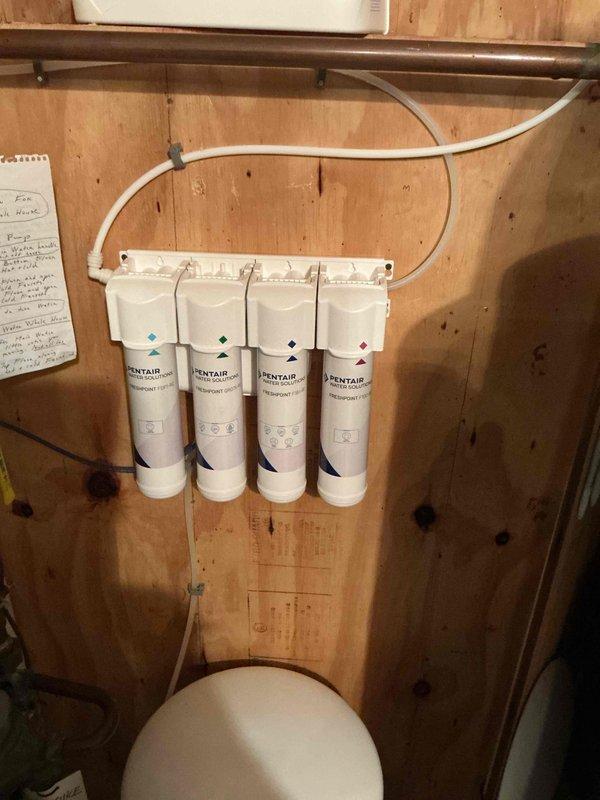
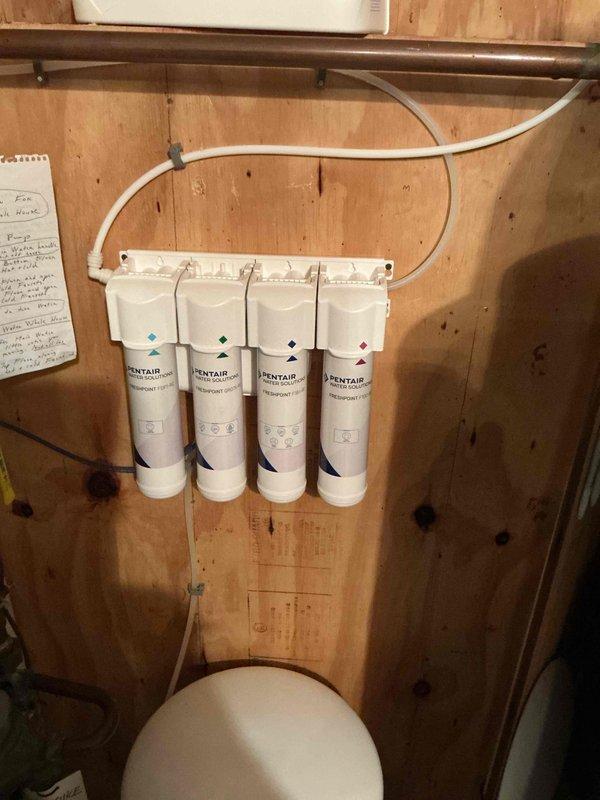
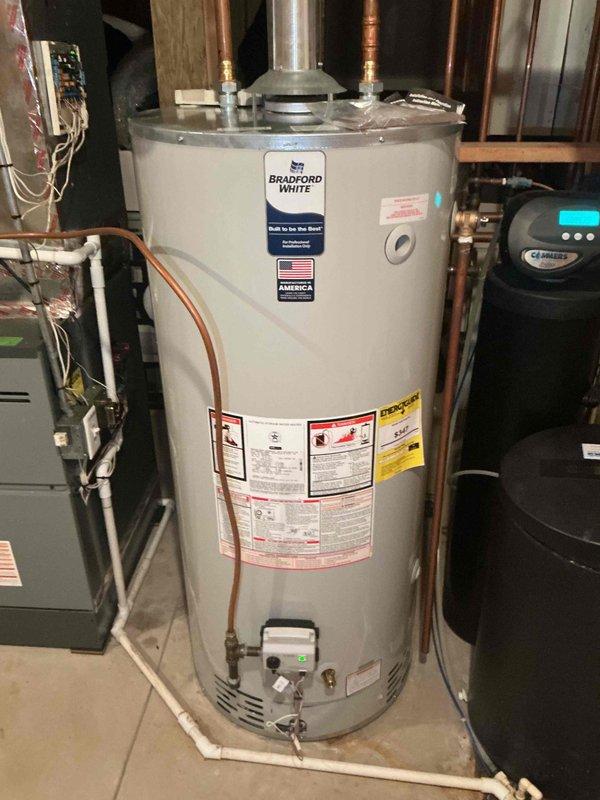
Responded to service call for malfunctioning reverse osmosis drinking water system. Upon inspection, discovered the RO water retractor component was missing from the installation. Installed replacement retractor to restore proper system function. Replaced complete set of filters in the four-stage Pentair filtration system as part of scheduled maintenance. Evaluated water softener system while on-site and provided technical recommendations to address identified issues. Verified all connections, tested water flow, and confirmed RO system operational upon completion.
Minneapolis, MN 55447
Tony C.
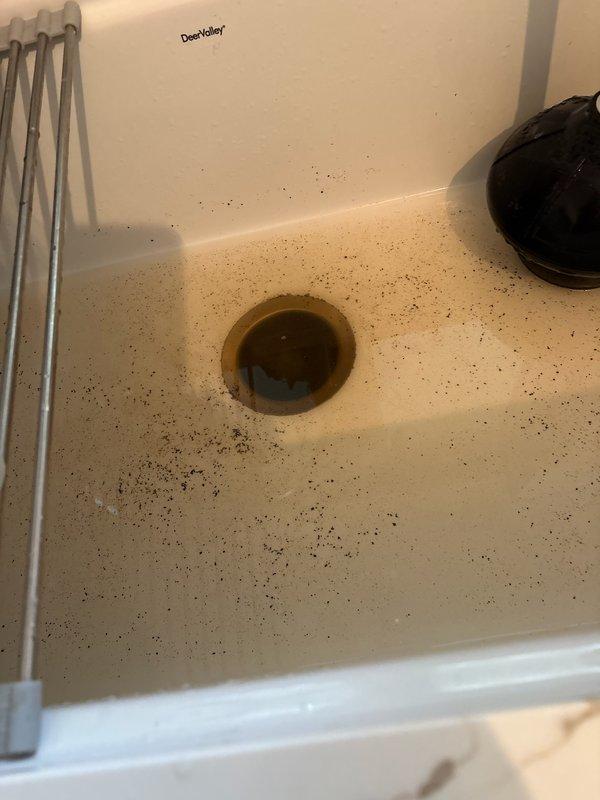
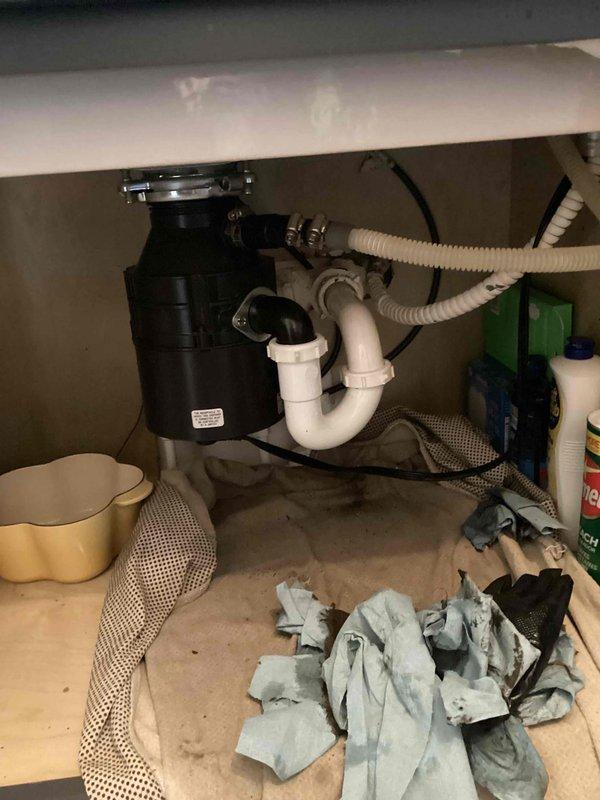
Responded to service call for malfunctioning garbage disposal. Upon inspection, found existing unit heavily corroded and inoperative, causing slow drainage at kitchen sink. Removed old disposal unit and installed new replacement disposal. Tested unit for proper operation and verified drainage system functioning correctly with no leaks.
Minneapolis, MN 55405

Alex B.
Responded to kitchen sink backup caused by clogged drain line. Upon arrival, found sink draining slowly with standing water and debris accumulation around drain opening. Customer had previously removed partial blockage from P-trap but drainage issue persisted. Inspected under-sink plumbing assembly including garbage disposal unit, PVC drain pipes, and P-trap configuration. Utilized drain cable to clear main drain line, successfully removing remaining obstruction that was causing backup. Verified proper drainage flow through sink and disposal unit. Tested garbage disposal operation to ensure functionality was restored. System now draining properly with no backup issues.
Minneapolis, MN 55426

Kyle F.
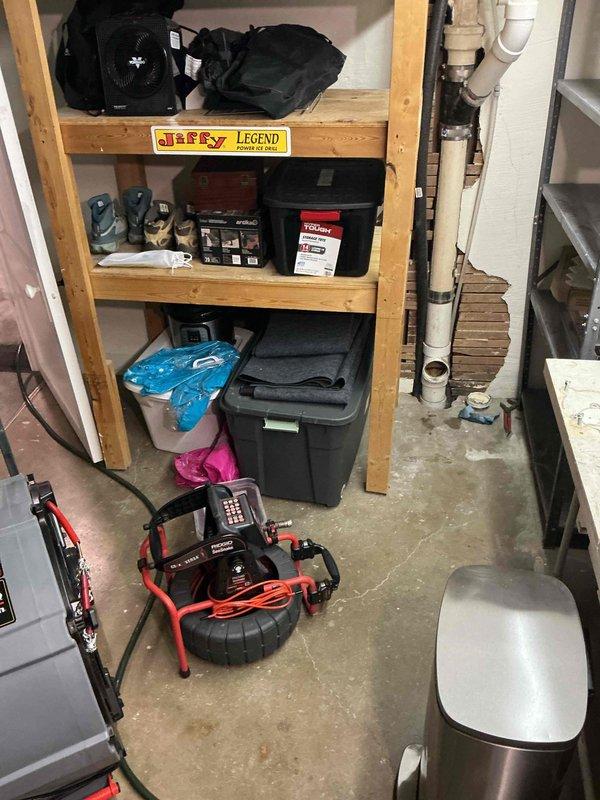
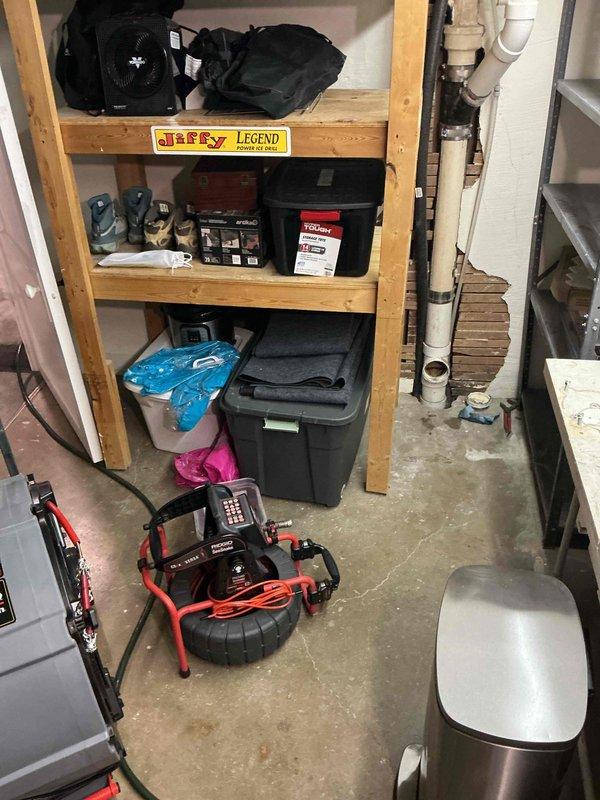
Performed mainline sewer inspection and cleaning. Initial camera inspection revealed tree root intrusion throughout the mainline drain system. Utilized flex shaft equipment to mechanically remove all tree roots from the entire length of the mainline. Conducted follow-up camera inspection to verify complete root removal and confirm proper drainage flow throughout the system. All blockages cleared and line restored to full operational capacity.
Minneapolis, MN 55417

Jarrod S.
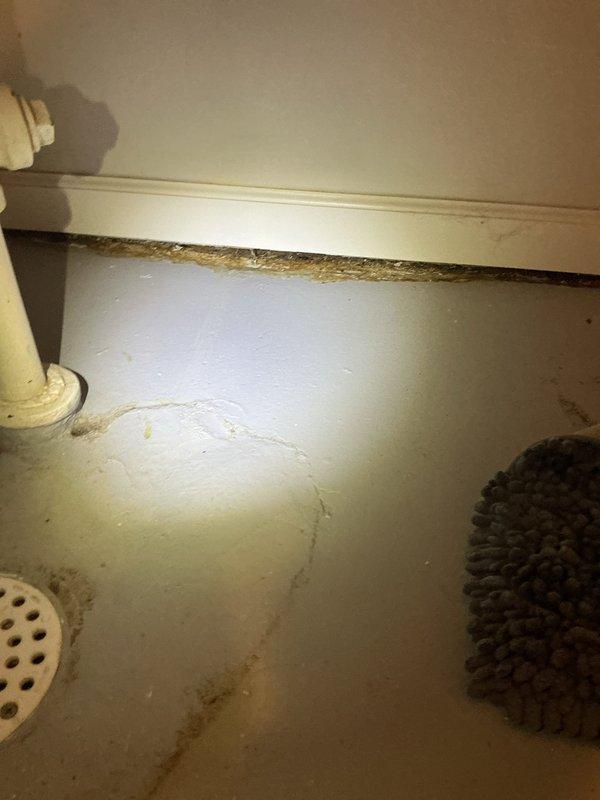
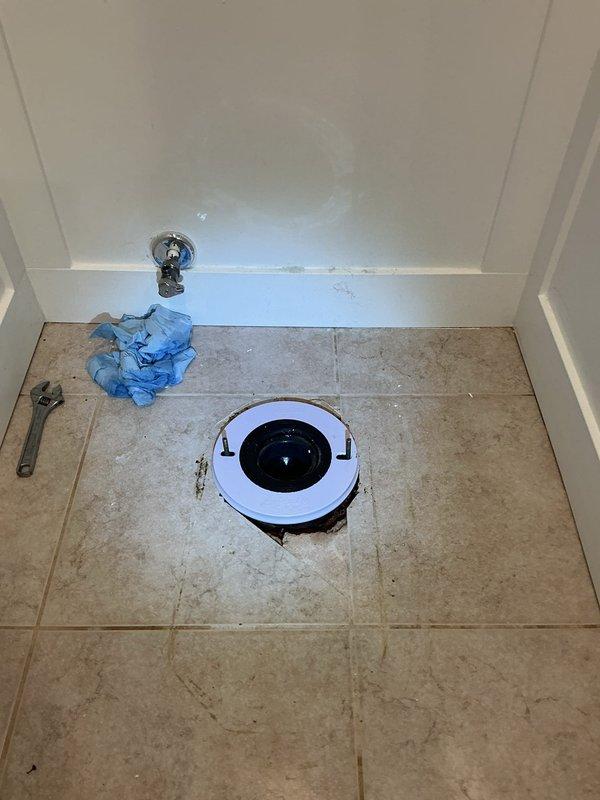
Responded to water leak originating from toilet and seeping underneath tile into laundry room below. Upon inspection, found existing skirted toilet improperly set with plastic ring causing seal failure. Removed defective unit and installed new Gerber Viper round front toilet with proper wax ring seal to eliminate leak and prevent further water damage.
Minneapolis, MN 55417

Jonaha J.
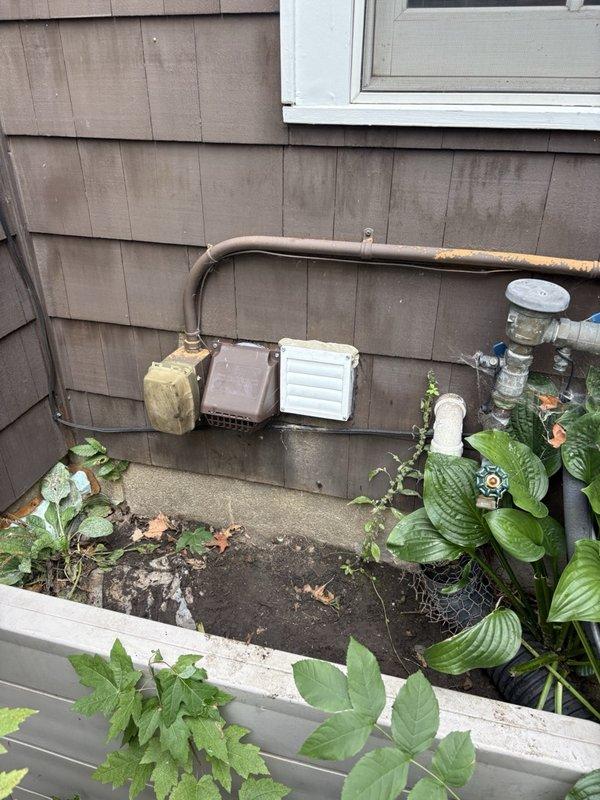
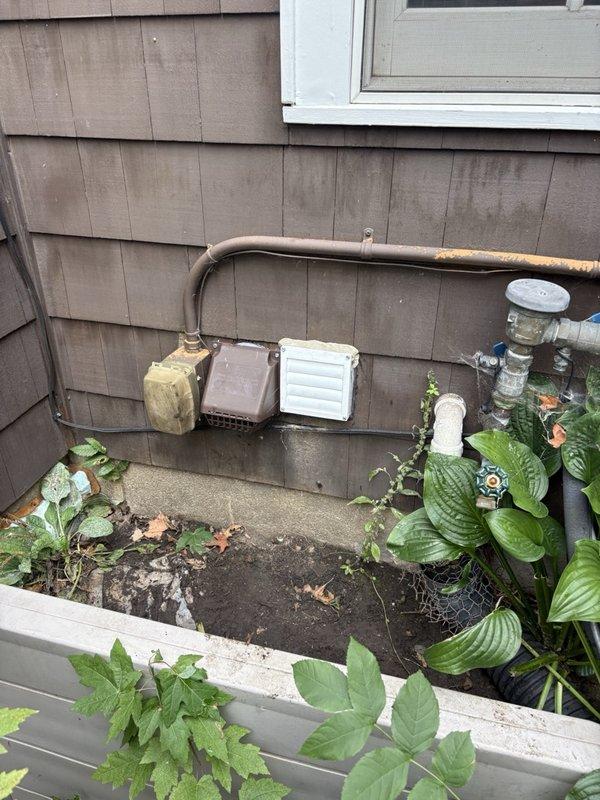
Responded to callback for incorrect hood installation on bathroom exhaust fan. Previous service had mistakenly installed dryer vent hood instead of proper bathroom fan termination. Removed incorrect dryer hood from exterior wall and installed correct white louvered bathroom exhaust vent cover. Verified proper connection to existing ductwork and confirmed adequate airflow through new termination. Installation complete and operational.
Minneapolis, MN 55424

Ali T.
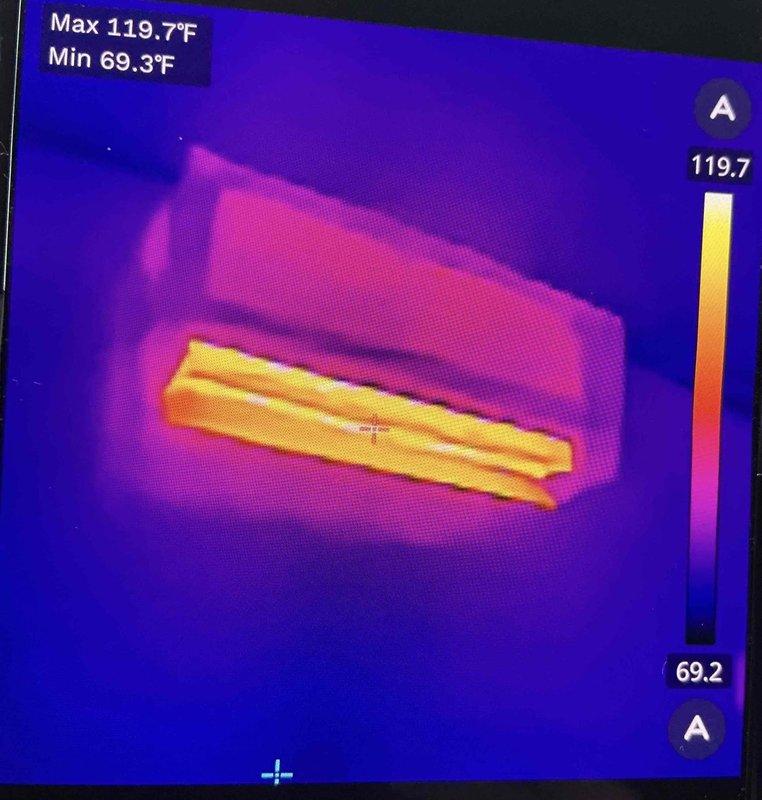
Responded to no heat call on two heat pump systems installed 24 days prior. Upon arrival, determined units were not providing heat due to remote thermostats being set to auto mode instead of heat mode. Adjusted both thermostat settings from auto to heat mode, restoring full heating operation to both systems. Verified proper heat output using thermal imaging, confirming discharge air temperatures reaching 119.7°F, indicating normal heat pump operation in heating mode.
Minneapolis, MN 55414

Roger M.
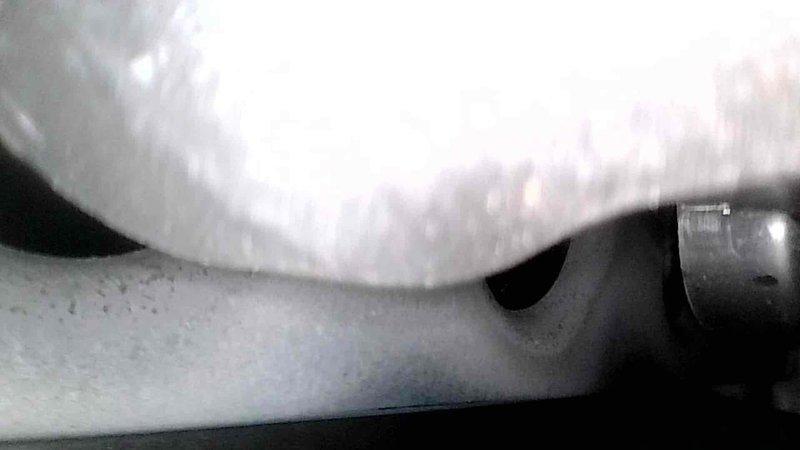
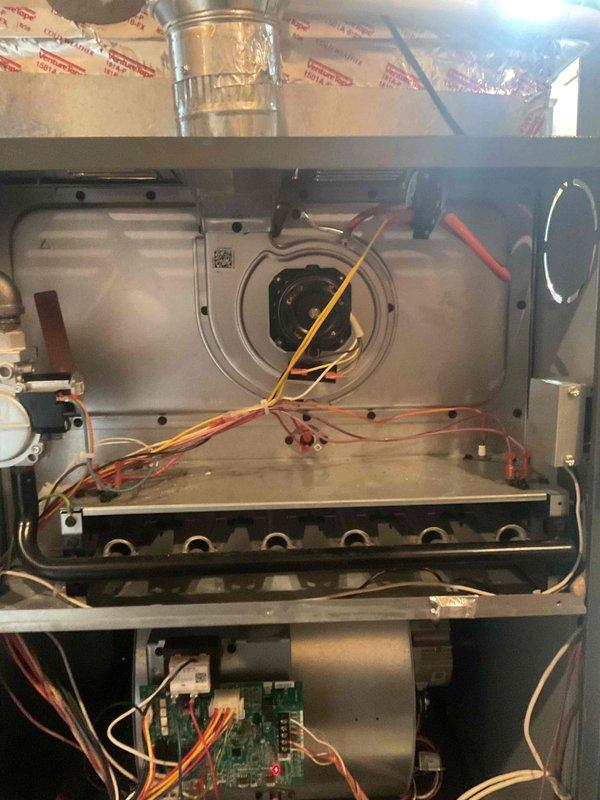
Completed annual furnace tune-up and preventative maintenance inspection. Removed access panel and performed comprehensive system evaluation including blower assembly, burner operation, electrical connections, and control board functionality. All components operating within normal parameters with no deficiencies identified. Unit returned to service in proper working condition.
Minneapolis, MN 55436

Jared R.
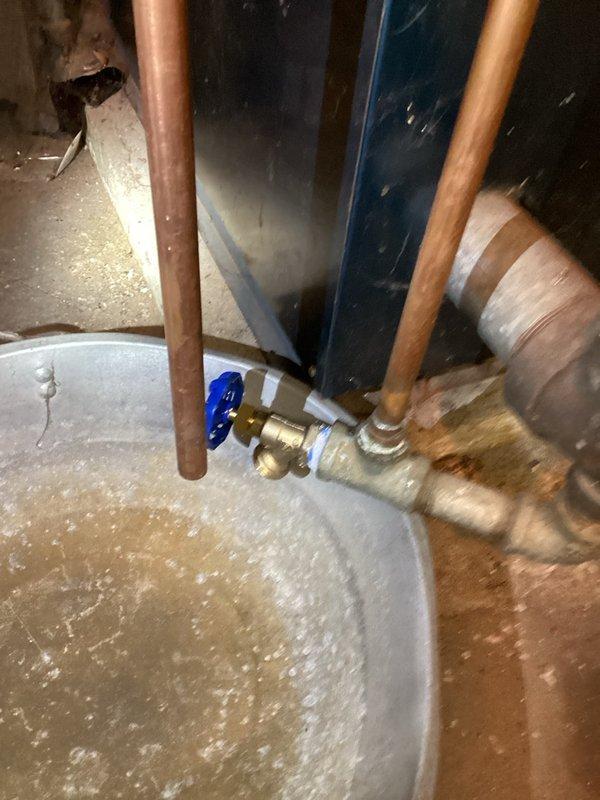
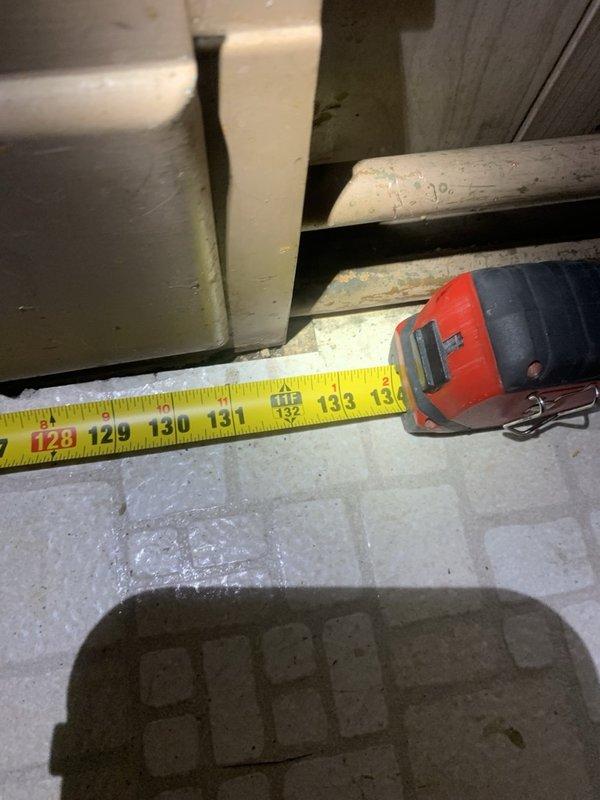
Completed hydronic heating system repairs including replacement of damaged radiator connector, connecting pipe, and boiler pump relay. Bled air from all radiators and set system water pressure to 18 psi. Performed comprehensive boiler inspection including burners, heat exchanger, gas valve, pumps, gas pressure, and combustion air verification. System cycled successfully and relay operation confirmed. During final inspection, identified additional leak on cast iron baseboard that requires future replacement, as cast iron repair is not feasible with available methods.
Minneapolis, MN 55413
Jarrod S.
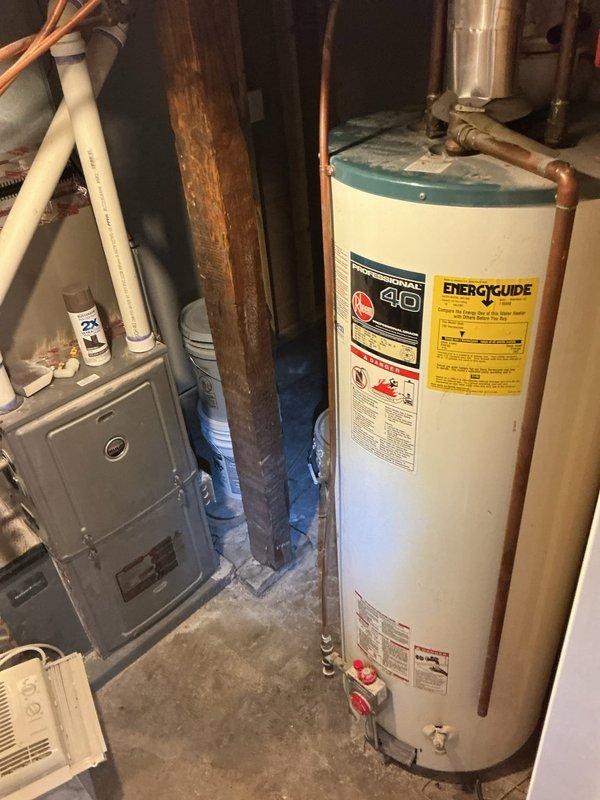
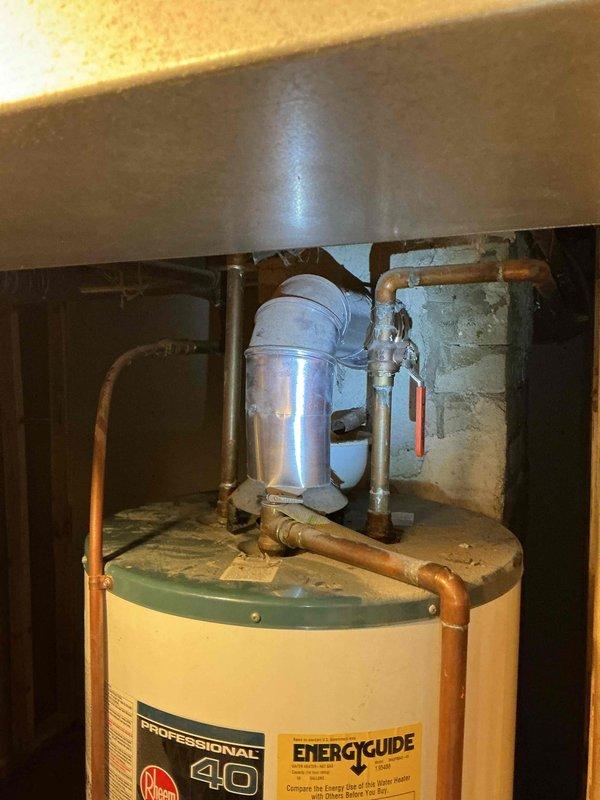
Responded to service call for water heater venting issue in residential basement. Upon inspection, identified improper back-venting condition on natural gas standard atmospheric vent water heater causing drafting problems. Corrected venting configuration to ensure proper draft and safe exhaust of combustion gases. Verified unit operation and proper venting performance upon completion. Documented existing 40-gallon tank water heater installation with standard copper supply line connections and expansion tank present. All work performed in accordance with current plumbing and mechanical codes for natural gas appliance venting requirements.
Minneapolis, MN 55406
Ali T.
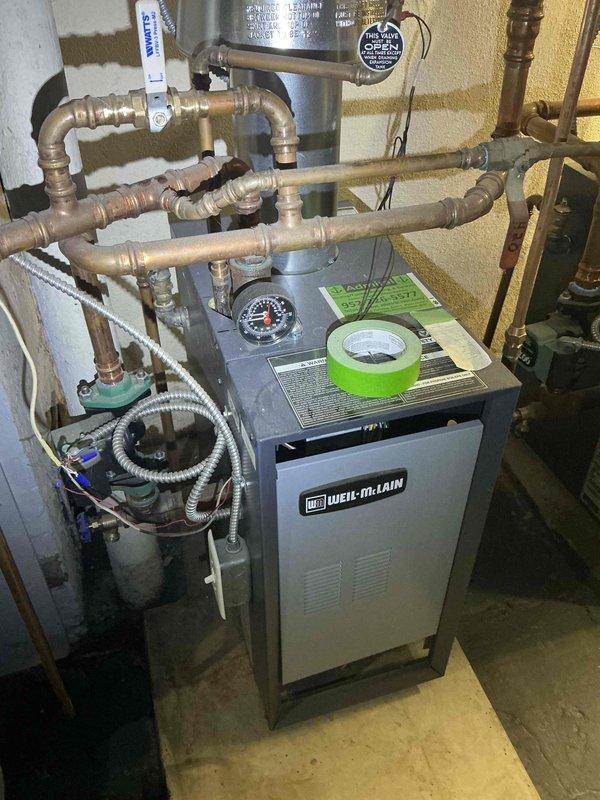
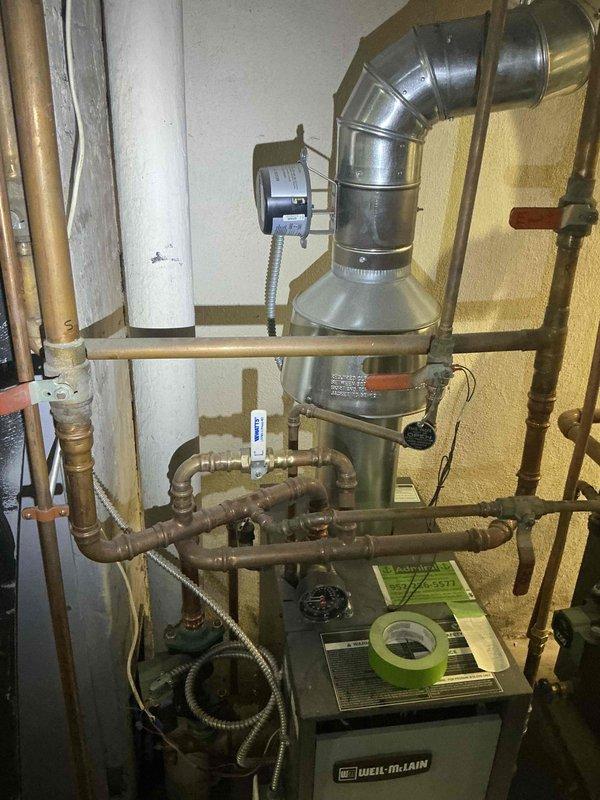
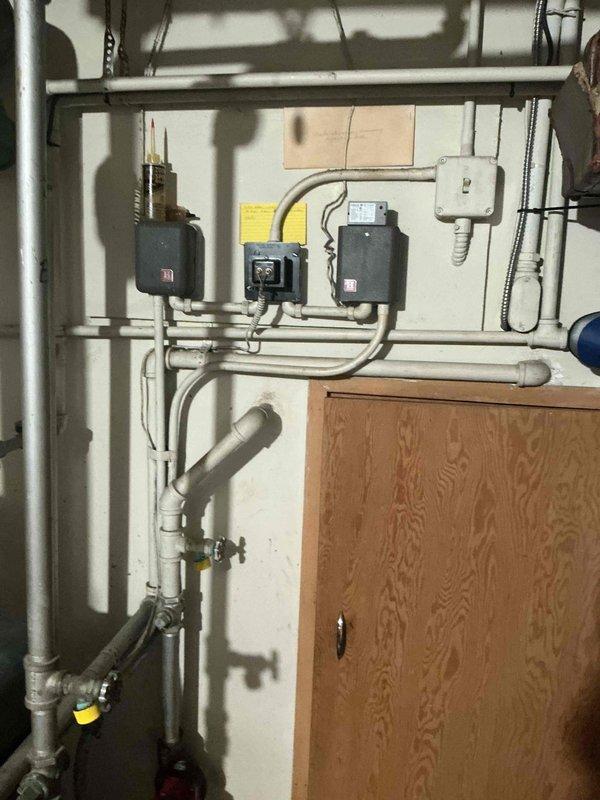
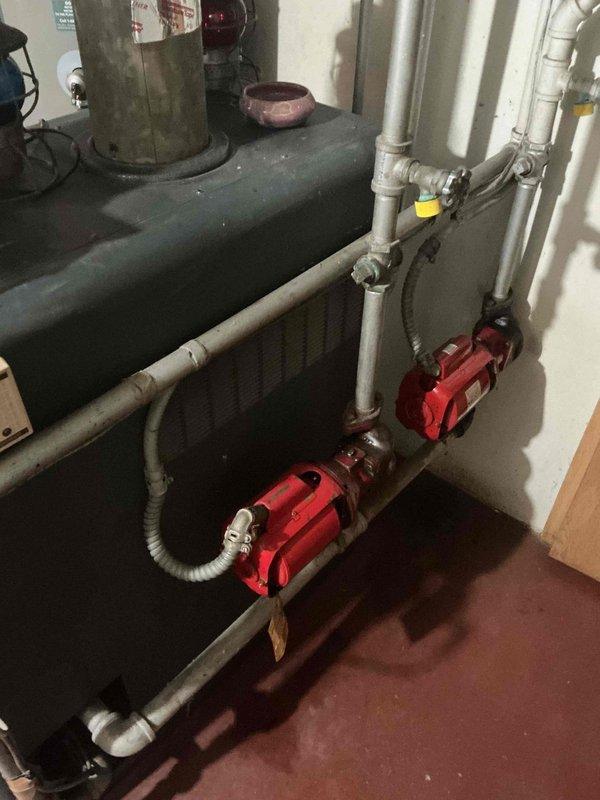
Responded to service call for Weil-McLain boiler system with active water leaks. Upon inspection, found disconnected radiator supply line at floor level and failed radiator valve causing system to leak when operated. Documented existing conditions including aged copper piping with significant corrosion and deterioration throughout distribution system. Assessed boiler unit, circulation components, and venting system. Photographed installation for estimate preparation. Recommended complete repair of broken radiator line, replacement of defective radiator valve, and evaluation of additional piping concerns due to advanced age and condition of system components.
Minneapolis, MN 55403
Ali T.
Responded to no-heat call on boiler system. Found control stuck in fault position preventing unit operation. Reset control mechanism, verified proper operation, and tested system through complete heating cycle. Unit restored to normal function with heat output confirmed.
Minneapolis, MN 55417
Ali T.
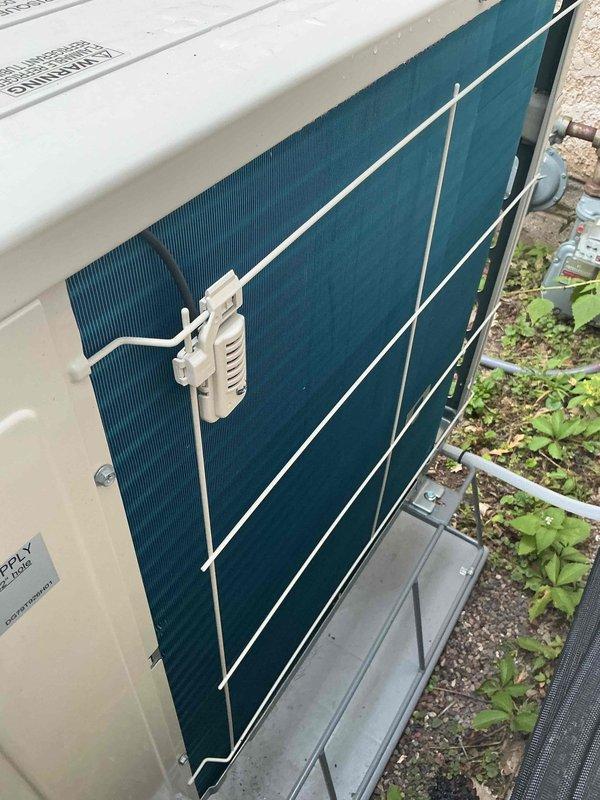
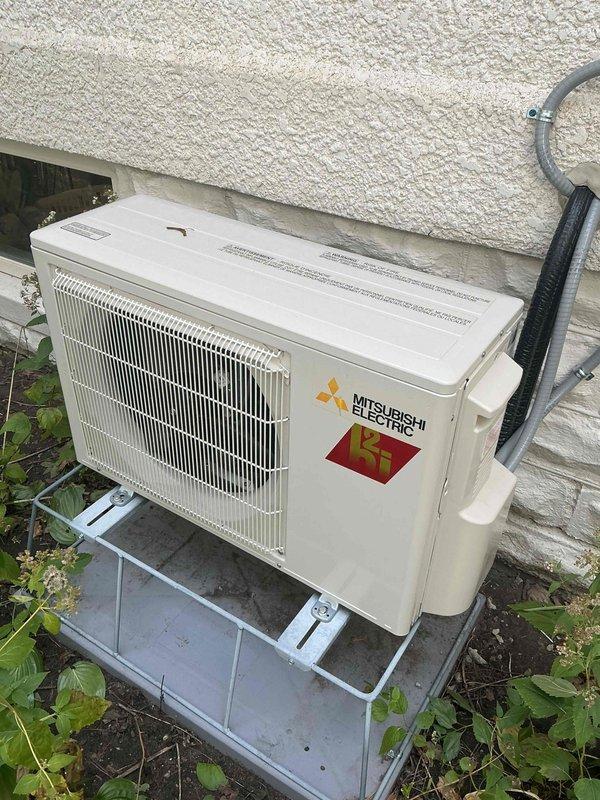
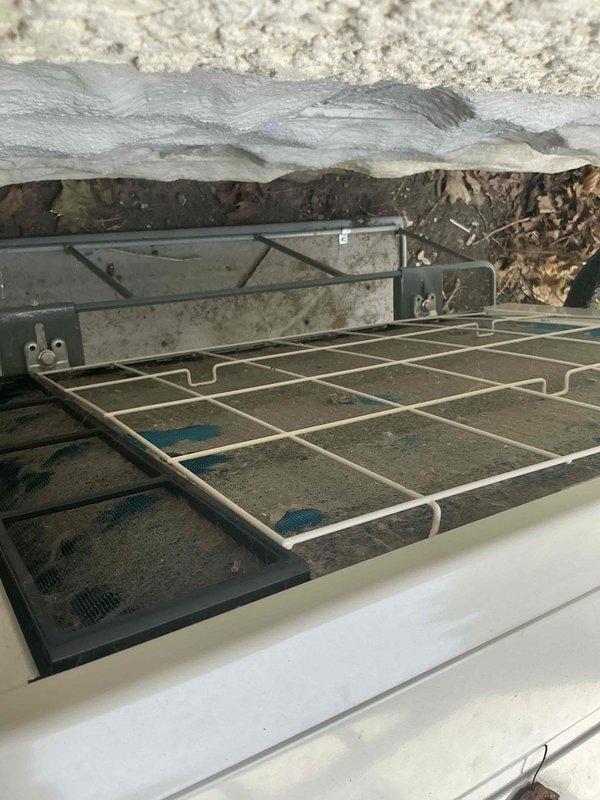
Responded to warranty call for Mitsubishi Electric mini-split system experiencing sensor reading issues on indoor head unit, particularly when exposed to direct sunlight. Performed diagnostic inspection of both indoor and outdoor components. Confirmed outdoor condenser unit requires cleaning due to accumulated debris and dust buildup on coils and filter assembly. Documented current system condition with photos showing outdoor unit mounted on metal platform stand with vegetation growth around base, and interior components displaying significant dust accumulation on filter grille and internal surfaces. Verified system operation and provided assessment for necessary maintenance to restore optimal performance.
Minneapolis, MN 55419

Moe R.
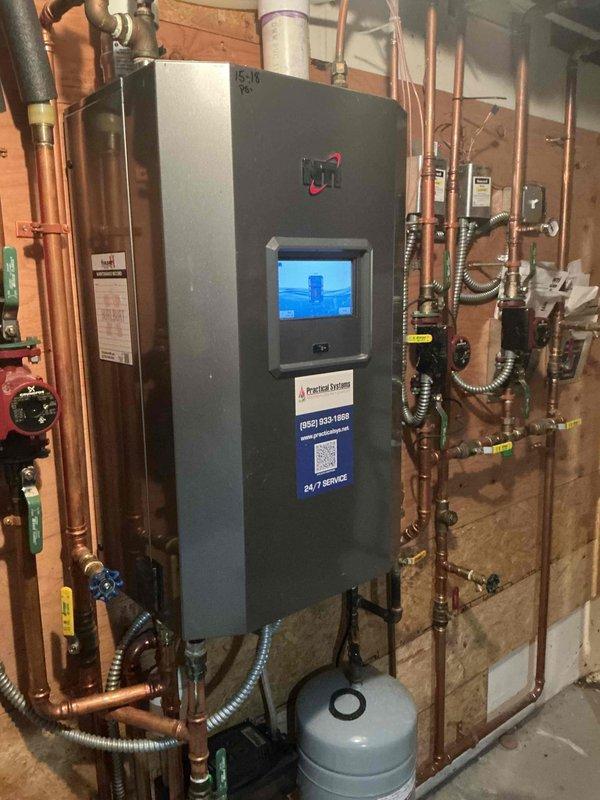
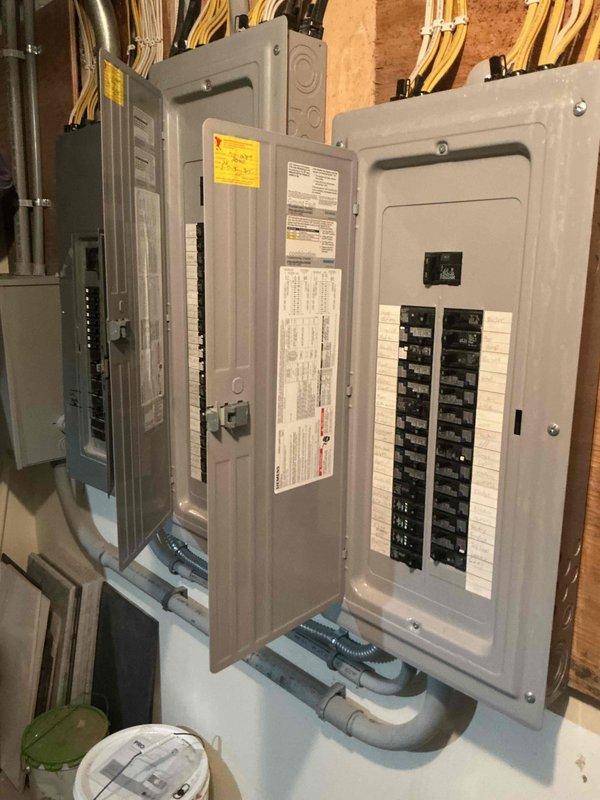
Responded to no-heat service call with intermittent carbon monoxide detector alarms and loud pump noises on NTI boiler system. Performed comprehensive safety inspection including examination of all venting seals, joints, and condensate terminations for potential CO leakage. Applied sealant to venting joints as preventative measure. Verified condensate trap securely fastened to heat exchanger outlet with no CO escape detected. Tested all boiler components, seals, and connections—found all systems operating within normal parameters with no CO leakage present from either boiler unit. Determined CO detector activation likely caused by other gas appliances in home or age-related sensor failure. Recommended specialized CO detector service company evaluate interconnected alarm system for proper function and potential replacement due to age of detectors.
Minneapolis, MN 55408

Jon W.
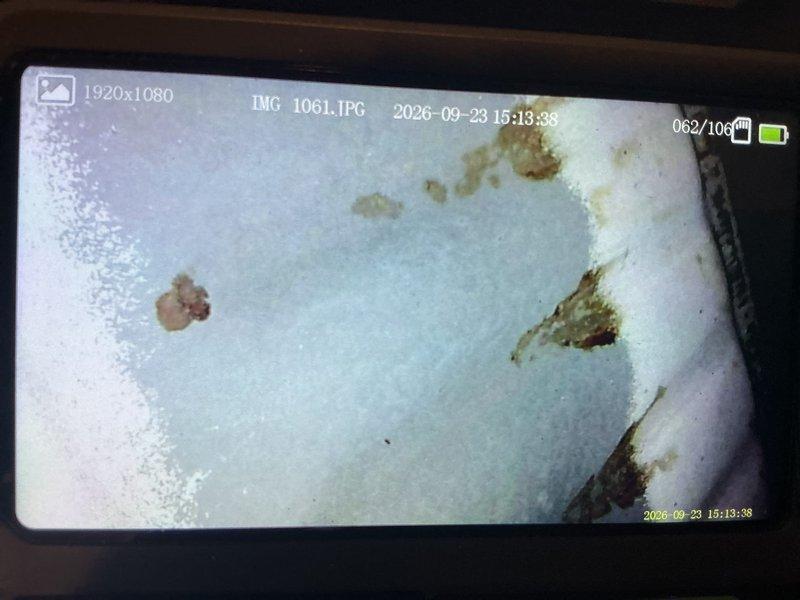
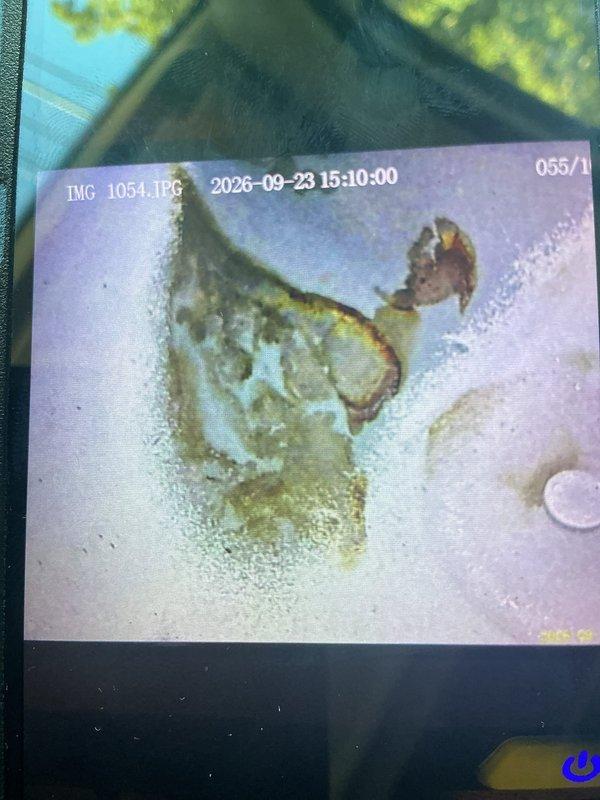
Responded to no heat call on 28-year-old furnace. Upon arrival, furnace operated and ran continuously during inspection; all current components including recently replaced blower motor functioning within specifications. However, discovered severe rust and corrosion on heat exchanger with multiple areas appearing cracked and potentially leaking combustion gases, creating possible carbon monoxide hazard and safety concern. Intermittent failure may be caused by failing gas valve or heat exchanger cracking causing unit to overheat and shut down on limit switch. Unable to definitively confirm intermittent issue with system operating normally during service call. Due to age of equipment, extent of heat exchanger deterioration, and potential safety hazards, recommended furnace replacement. Documented findings with inspection photos and scheduled replacement estimate.
Minneapolis, MN 55431

Eric V.
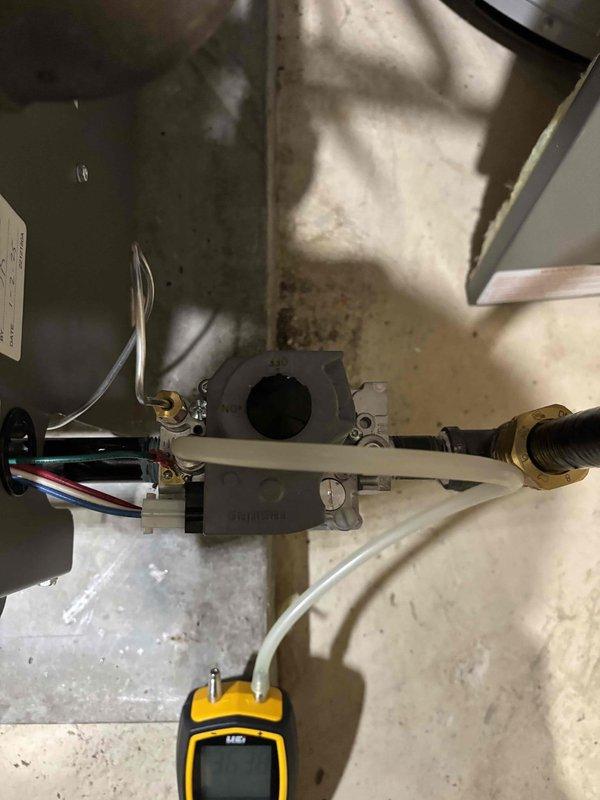
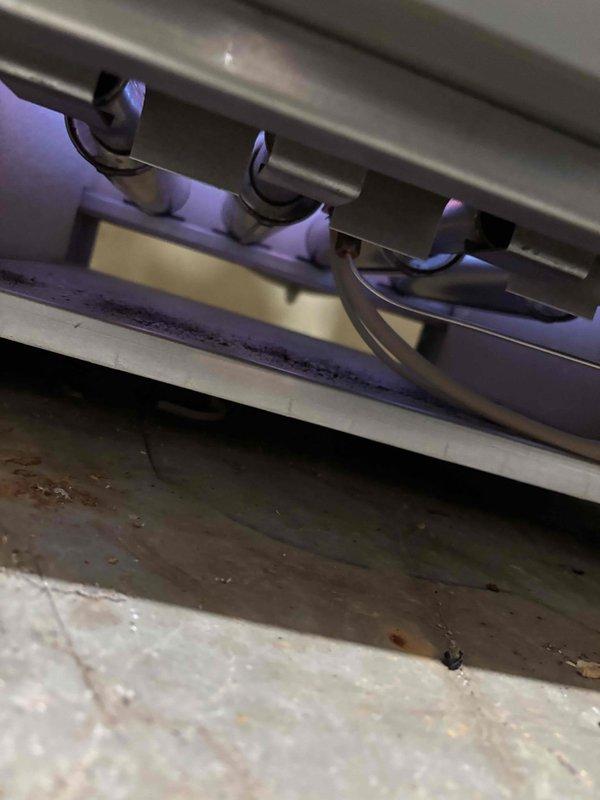
Performed scheduled maintenance on one 1-year-old boiler system. Verified thermostat operation and calibration. Cleaned and inspected burners and spark assembly for proper ignition. Examined heat exchanger for cracks, corrosion, or deterioration. Checked expansion tank for proper air charge and mounting. Measured and verified gas supply pressure and water pressure within manufacturer specifications. Tested temperature differential across system. Inspected all zone valves and circulator motors for proper operation. System operating normally with no deficiencies noted at time of service completion.
Minneapolis, MN 55405
Jon W.
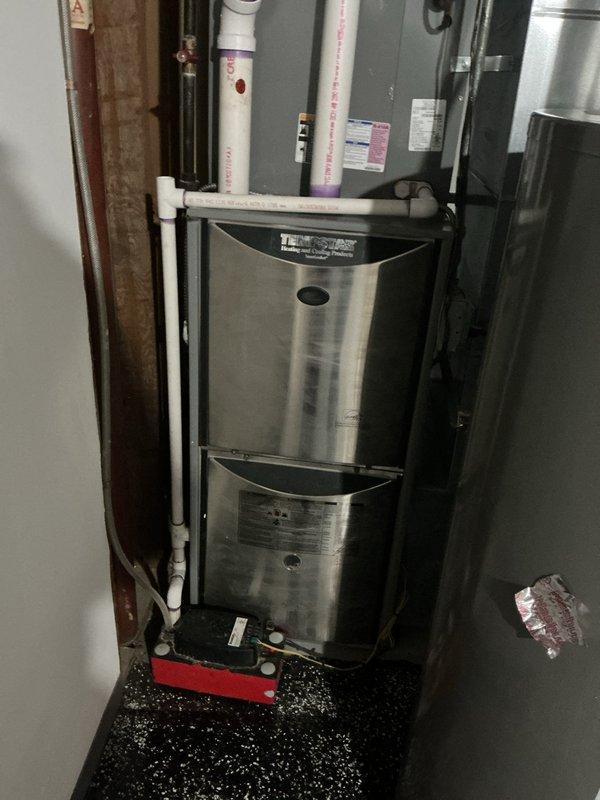
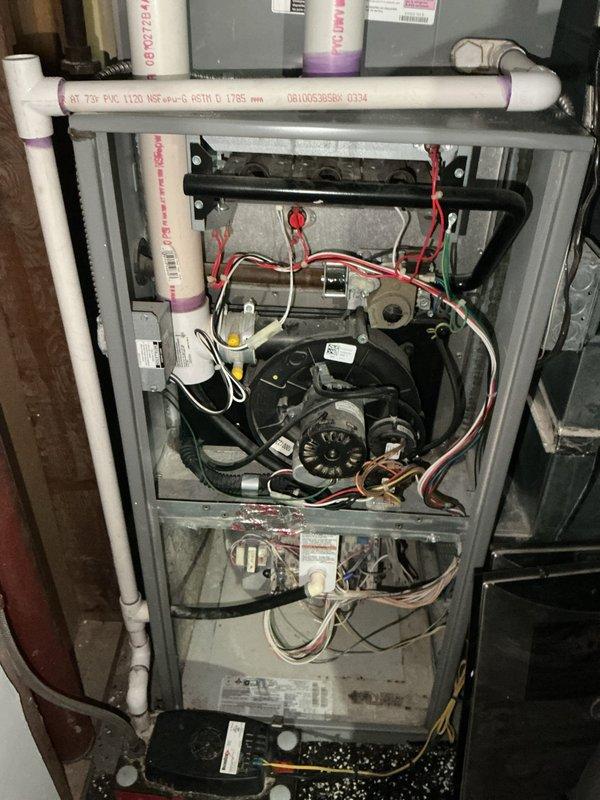
Responded to no heat call on 16-year-old furnace system. Upon inspection, diagnosed failed gas valve preventing ignition. Further evaluation revealed heat exchanger exhibiting severe temperature stress points, extensive rust, and corrosion throughout, creating potential safety concerns. Inducer draft motor showing signs of failure with abnormal operation. Due to multiple critical component failures and age of unit, recommended full system replacement rather than repairs. Documented conditions with photographs and scheduled furnace replacement estimate.
Minneapolis, MN 55441
Eric V.
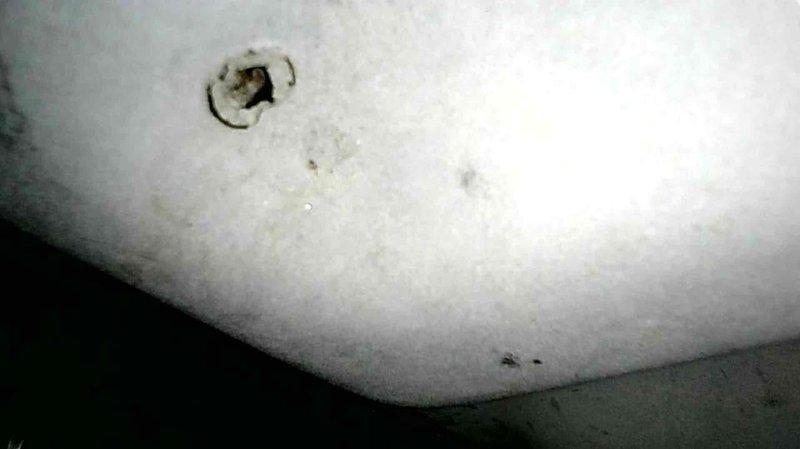
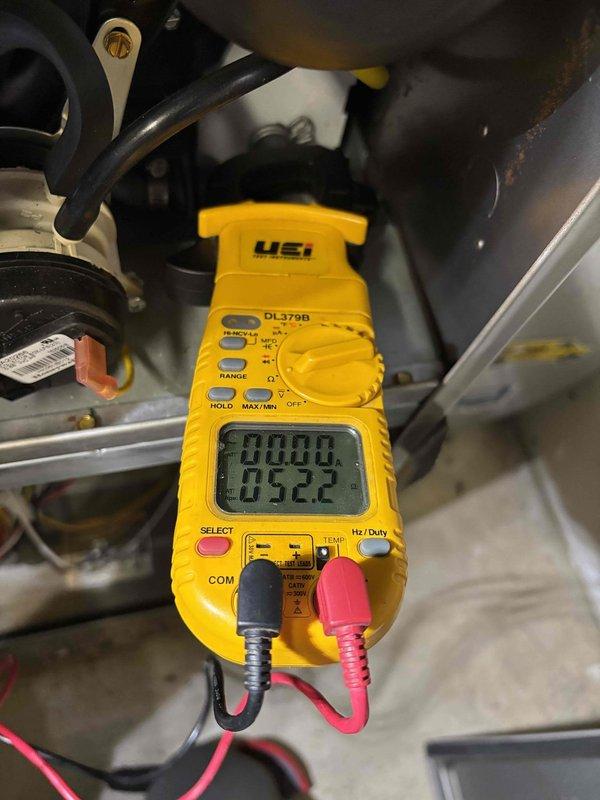
Performed annual heating maintenance on single furnace system. Conducted comprehensive inspection including thermostat operation, air filter condition, condensate drain, blower motor, inducer motor, and electrical wiring—all components functioning properly. Verified temperature split across system within acceptable range. Inspected igniter, flame sensor, and gas pressure readings, all within manufacturer specifications. During heat exchanger inspection, discovered multiple holes in the middle bottom section indicating compromised integrity and potential safety hazard. Immediately red-tagged the unit and shut down gas supply and system operation per safety protocols. Documented findings with photographs showing deterioration of heat exchanger surface. Presented replacement options to property owner, including heat exchanger replacement and full furnace replacement alternatives. Verified active warranty coverage for heat exchanger component. Property owner approved warranty heat exchange
Minneapolis, MN 55429

Alton S.
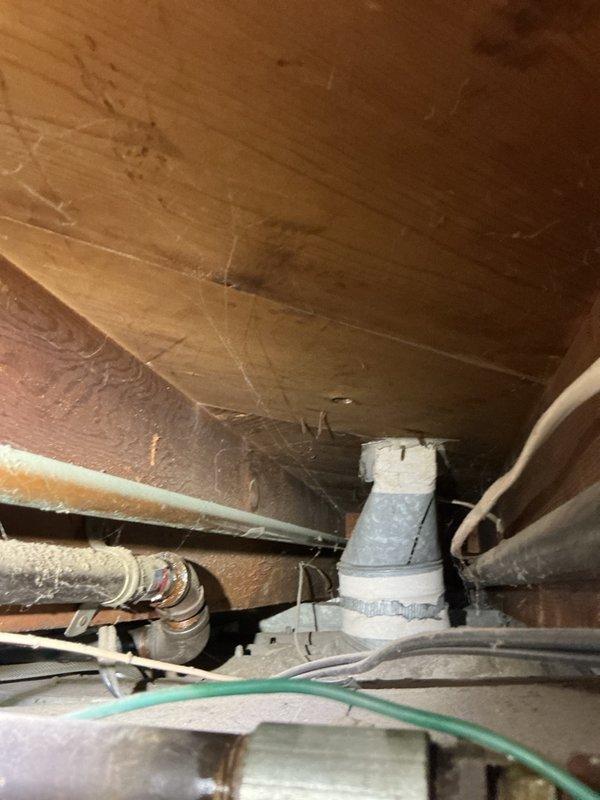
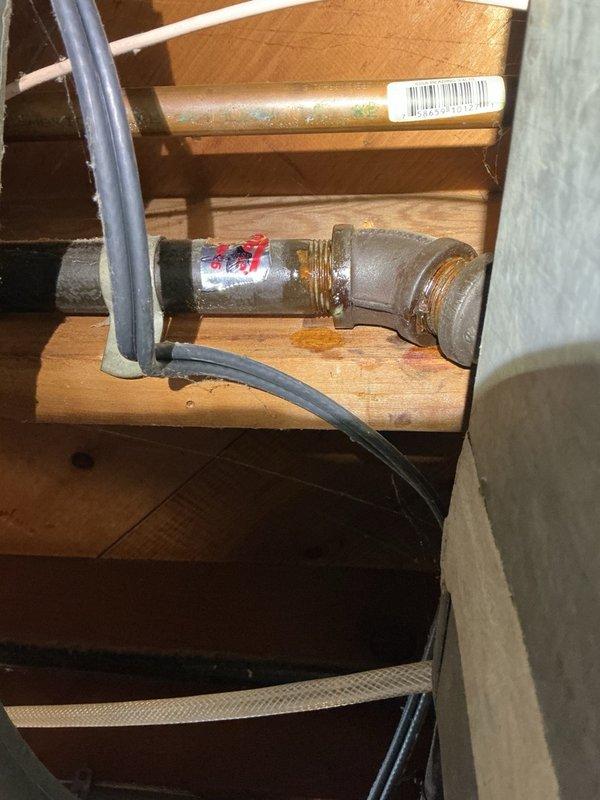
Responded to gas leak service call on furnace supply line. Upon arrival, performed comprehensive leak detection inspection of gas piping system in basement. Property has dual gas meter configuration with separate lines serving residence and adjacent unit. Identified two active gas leaks at pipe fittings: one at T-joint connection serving water heater and one at 45-degree elbow joint on furnace supply line. Conducted thorough leak testing of downstream components including furnace gas valve and water heater connections, confirming no leaks present at appliance connection points. Leaks isolated to upstream pipe fittings showing visible corrosion and deterioration at joint connections. Documented leak locations with photographs showing corroded elbow fitting and affected piping in crawl space area. Repair estimate required for replacement of compromised T-joint and 45-degree elbow fittings. Follow-up appointment needed for permanent repair work.
Minneapolis, MN 55418


“Mark was very pleasant to work with! He was on time and took care of my plumbing needs efficiently and effectively. I would definitely use him again for any plumbing issues I may have. I have been using Hurlburt for all of my heating, plumbing, and electrical needs and have always been satisfied!”
Alison A.

“Great service! Professionals starting from the first person I spoke to on the phone and finalizing with the person who finished the installation and cleaned up after. Staff explained everything well. Highly recommended!!!”
Jessica F.
"Outstanding service as always! Hurlburt goes above and beyond for their customers. We got scheduled right away, and Shawn did a great job. I will continue to use these guys for everything!!!"
Nicole T.
"Our technician Mike was just awesome. Took the time to show me what he was doing and explained why he was doing it. Gave me an honest evaluation of my situation. You can’t go wrong with Hurlburt and the work ethics of the employees."
Jean C.
Trevor came to service our AC unit. Very happy with his work. Trevor was friendly and knowledgeable, and got our issue fixed quickly. Hurlburt Heating and Plumbing is a great company to work with."
Debbie L.
"Hurlburt has helped us out with both plumbing and HVAC services in the past and have always done a great job. All their technicians, especially Mark, have been kind, professional, and quick with service!"
Sara N.
©2026 Hurlburt. All Rights Reserved.
Privacy Policy | Terms and
Conditions
This site is protected by reCAPTCHA and the Google Privacy Policy and Google Terms of Service apply.
