


AC Repair, Heating Repair, Plumbing, and Electrical Contractor in Menomonie, WI
Since 1959 Hurlburt, we make it our mission to keep your home comfortable and protected.

Highly Rated

Satisfaction Guaranteed

Family Owned

Friendly Technicians
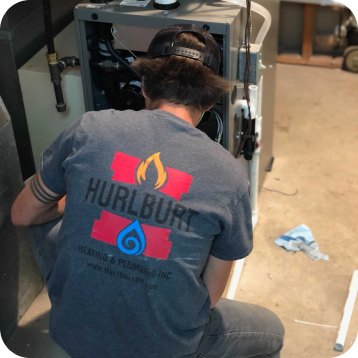
Serving Menomonie Homes Through Every Wisconsin Season
Menomonie has a wide range of housing styles and ages, which creates a unique mix of heating, cooling, plumbing, and electrical needs. Older homes near downtown and the university area often still rely on aging infrastructure, while newer homes near the south side and Cedar Falls Road continue adding modern Heating and Cooling systems, generators, smart home technology, and upgraded electrical service.
Plumbing Services in Menomonie, WI
A lot of plumbing work in Menomonie comes back to the age of the homes and the way the city has expanded over time. Around the older neighborhoods near downtown, Wilson Avenue, and the university area, we regularly work on aging drain lines, outdated shutoffs, older water heaters, and plumbing systems that have been modified multiple times over the years.
On the newer side of town, homeowners are often calling about water softeners, sump pumps, filtration systems, and plumbing upgrades tied to remodels and additions.
- Plumbing repair
- Plumbing installation
- Water heaters
- Leak and pipe repair
- Toilet and faucet repair
- Sump pumps
- Water softeners
- Outdoor faucets
- Water filtration
- Gas line repair
If your plumbing system is giving you problems, we can help.


Heating, Cooling, Plumbing & Electrical FAQs
The average heating and cooling repair service costs from $100 – $1,000 or more depending on what needs to be fixed. If you have a simple fan blade that is broken, your repair will be much less than it would for a condenser replacement, for instance.It’s important to always have a licensed technician fix your system; that way, you won’t have to worry about additional problems and expensive repairs down the road. Our team at Hurlburt is fully licensed and insured for you. Contact us today to learn more or to schedule your A/C repair service!
A/C and Furnace installation can cost between $4,000 – $10,000 in and around Menomonie, WI. This price includes the unit as well as labor costs. The cost will be affected by a few things:
- The quality and energy efficiency rating of the system.
- The size of the home you are heating and cooling, as larger homes require larger more expensive systems.
- Any extras you would like included, such as replacing your ductwork, adding zoning controls, etc.
Are you interested in a new Heating and Cooling system? Call the team at Hurlburt today for a FREE estimate!
Some common plumbing problems that many homeowners near Menomonie, WI face include:
- Low water pressure.
- Broken or running toilet.
- Clogged or slow drain.
- Dripping faucets and pipe leaks.
Here at Hurlburt, we can help you with any of your home’s plumbing concerns. Just connect with one of our friendly team members today!
Electrical Services in Menomonie, WI
Electrical systems in Menomonie homes vary more than most people realize. We might spend the morning upgrading an older panel near downtown and then head out toward newer developments near Highway 12 to install EV chargers or backup generators.
A lot of older homes throughout Menomonie still operate with panels and wiring that were never designed for modern electrical demand. Once homeowners start adding newer appliances, Air Conditioning and Heating systems, or home office equipment, those limitations start showing up quickly.
- Electrical repair
- Whole-home generators
- Electrical installation and wiring
- Switches, outlets, and ceiling fans
- Panel replacement and repair
- EV chargers
- Smart home installation
Heating Services in Menomonie, WI
Heating season in Menomonie is long enough that homeowners usually notice problems before winter is even halfway over. We spend a lot of time working on aging furnaces, older boilers, and systems that struggle to maintain even temperatures once the colder weather settles in.
Homes around the older parts of Menomonie often have airflow limitations, undersized ductwork, or heating systems that have been patched together over decades of repairs and upgrades.
- Heating repair
- Heating installation
- Heating replacement
- Heating maintenance
- Furnace repair and replacement
- Boiler service and upgrades
- Heat pump installation and repair
- Geothermal systems
Indoor Air Quality Services in Menomonie, WI
Menomonie homeowners deal with completely different air quality concerns depending on the season. During the winter, homes dry out fast once the furnace runs constantly. During the summer, humidity becomes the bigger issue, especially around lower areas near Lake Menomin and the Red Cedar River.
We also see a lot of dust buildup and airflow issues in older homes with aging duct systems.
The right humidity and filtration setup can make a noticeable difference in comfort year-round.
Cooling Services in Menomonie, WI
Cooling problems in Menomonie usually come down to airflow, humidity, or older systems trying to cool homes that were never originally built for central air. We work on a lot of older houses where the AC system was added years later, which often leaves upstairs rooms warmer and airflow inconsistent.
The humidity around Menomonie can also make systems run longer than homeowners expect, especially during stretches of hot weather in July and August.
- AC repair
- AC installation
- AC replacement
- AC maintenance
- Ductless air conditioning
- Ductless AC repair
- Ductless installation and replacement
Ductless mini-splits have become a popular solution throughout Menomonie for older homes, finished basements, additions, and garages.
Why Menomonie Homeowners Continue to Call Hurlburt
Menomonie is already part of our daily service area. Our technicians know the neighborhoods, the older housing stock, and the common repair issues homeowners here deal with every year.
- Serving the Chippewa Valley for more than 67 years
- Technicians working throughout Menomonie daily
- Full support for Heating, Cooling, plumbing, electrical, and air quality
- Seven-day A/C and Heating service availability
- No after-hours fees for A/C and Heating service and maintenance calls
- Experienced technicians familiar with older and newer home systems
From homes near Broadway Street and downtown Menomonie to properties closer to Cedar Falls Road and the south side developments near I-94, we are already servicing homes throughout the area every week.
Recent Jobs and Reviews in Menomonie, WI
Job Locations and Reviews

Caleb S.
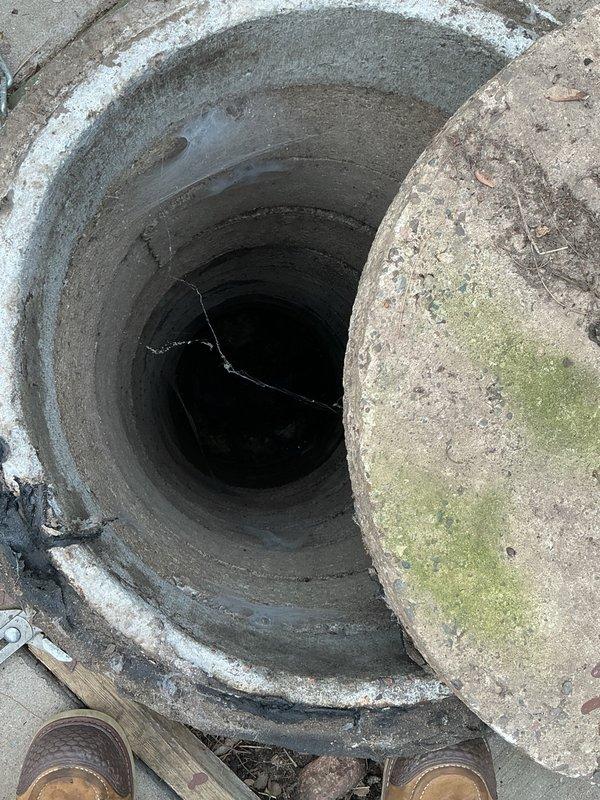
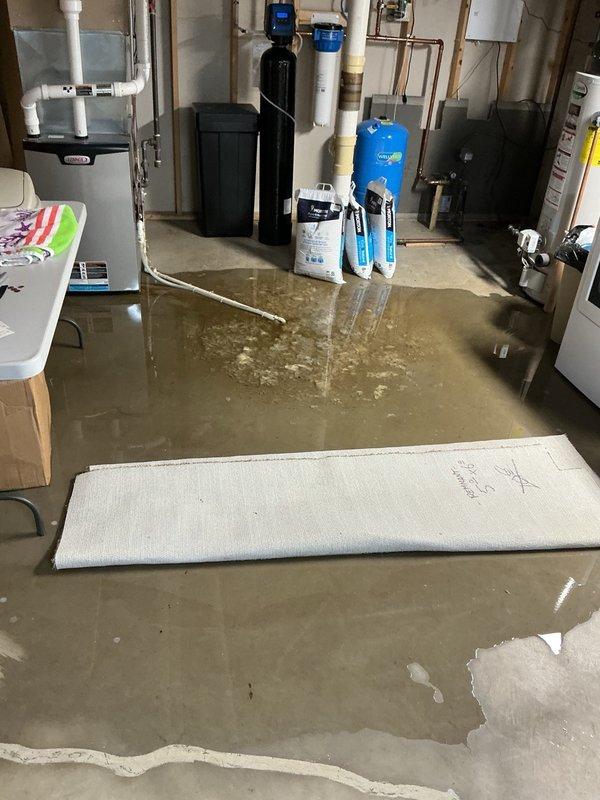
Responded to emergency call for basement flooding caused by backed-up sewer system. Upon arrival, found standing water throughout basement utility room and discovered main sewer tank completely full of sewage and toilet paper. Accessed main line cleanout opening and assessed condition of system. Customer arranged for septic pumping service to address full tank. Documented conditions of flooded basement mechanical room and main line access point for records.
Menomonie, WI 54751

Colten C.
Completed routine HVAC maintenance and tune-up on an older but functional air conditioning system. Performed comprehensive inspection and found no issues; unit operating within normal parameters.
Menomonie, WI 54751

Noah S.
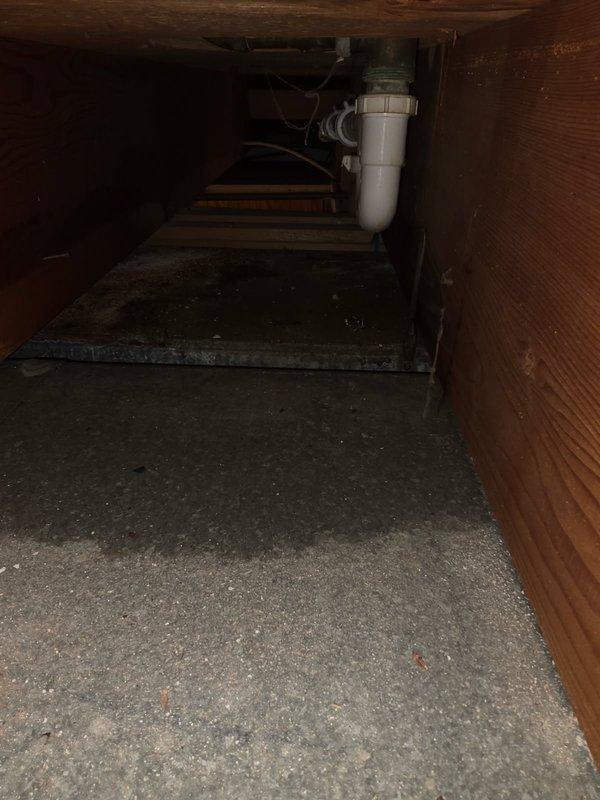
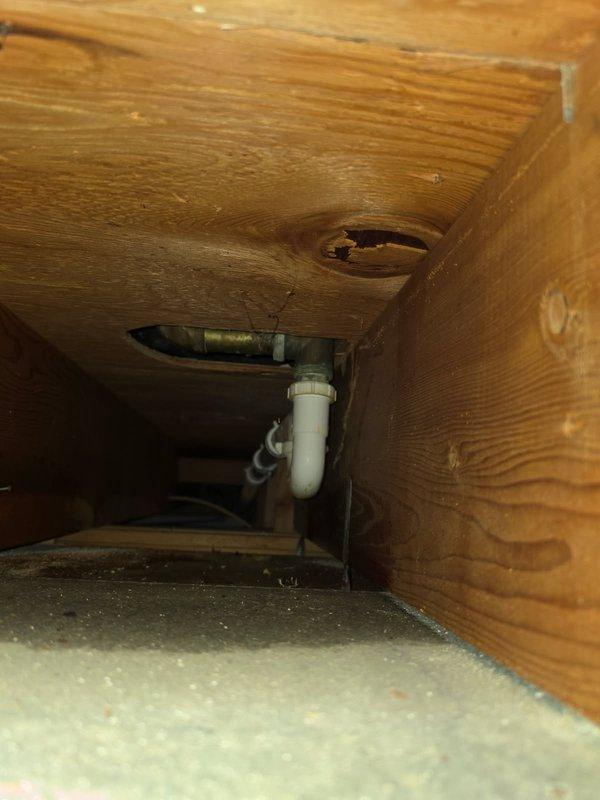
Responded to a tub drain leak causing water damage to basement ceiling and ductwork below. Created wall access to diagnose the issue and discovered a deteriorated tub/shower valve and cracked drain assembly. Installed new Moen tub and shower valve along with complete tub waste and overflow replacement. Conducted pressure testing by filling tub and running showerhead to verify proper operation and confirm leak resolution. Noted existing rust damage on ductwork beneath repair area from prolonged water exposure, recommended separate HVAC assessment for affected components.
Menomonie, WI 54751
Trent L.
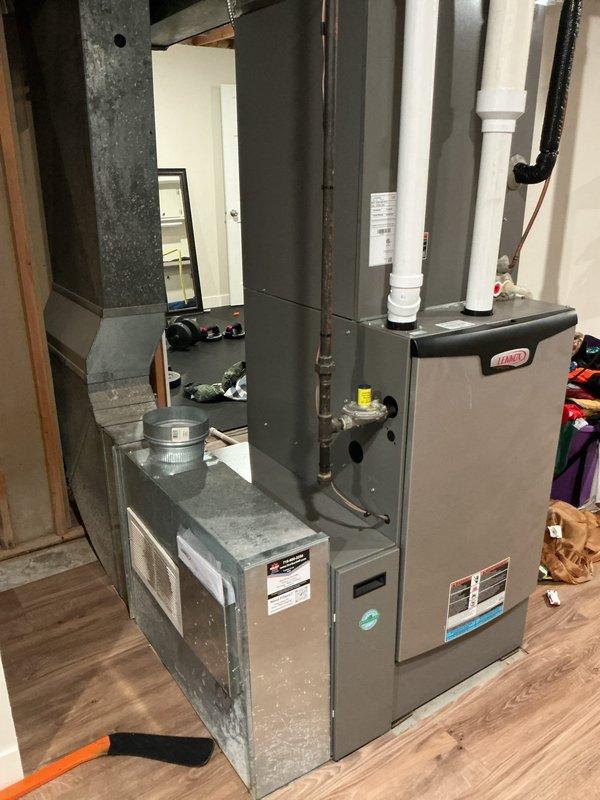
Completed Family Rewards cooling maintenance visit on residential AC system previously installed by our team. Performed comprehensive tune-up including panel removal, coil rinsing, drain line inspection with confirmed clear flow, and thorough electrical component testing with all connections verified operational. Replaced air filter to restore proper airflow and system efficiency.
Menomonie, WI 54751
Colten C.
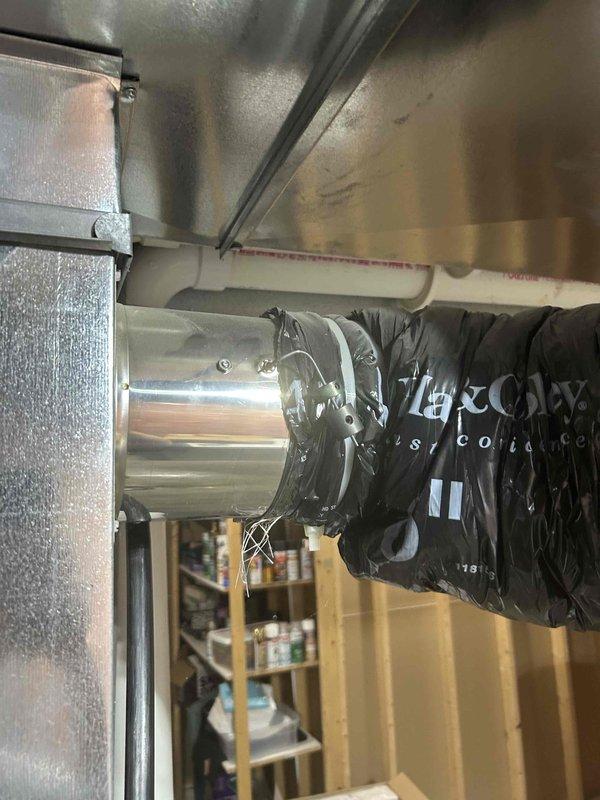
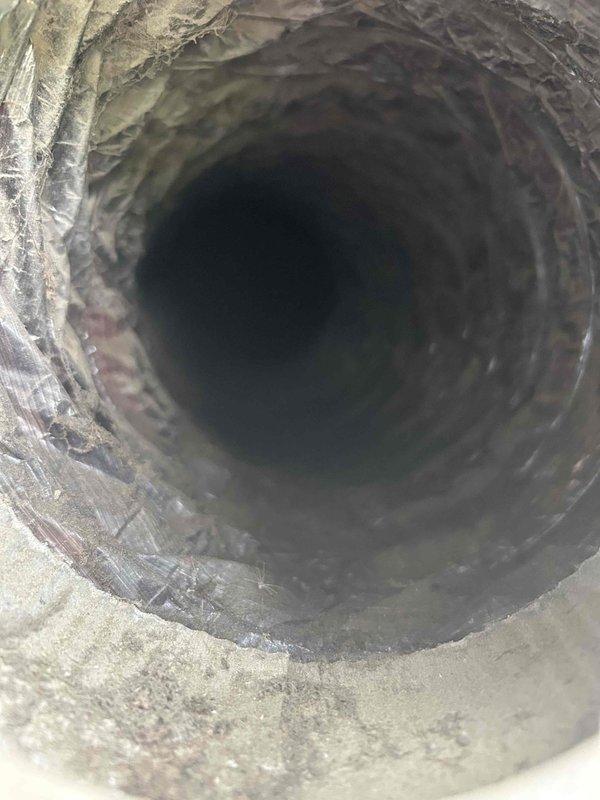
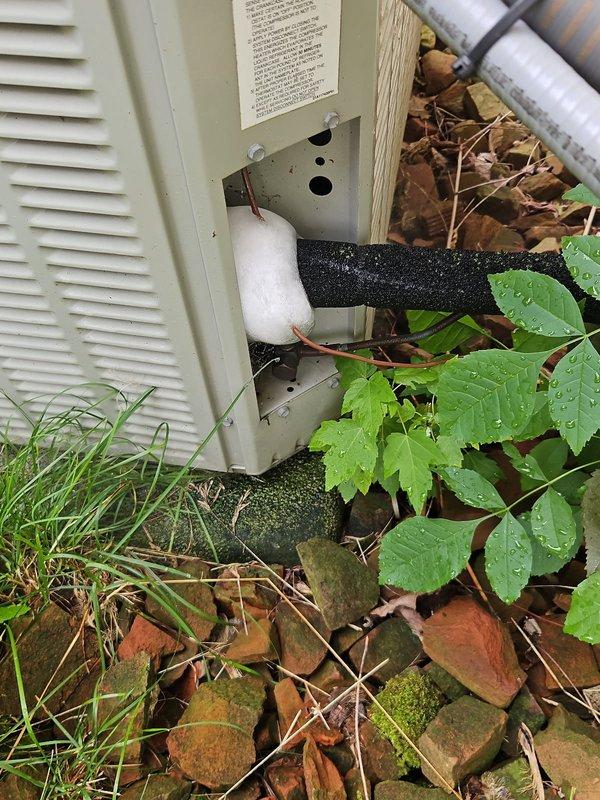
Responded to recurring condensation issue in insulated fresh air intake ductwork on 2-year-old Lennox system. Upon inspection, identified fresh air damper in fully open position, causing excessive humid outdoor air infiltration during blower operation. Basement temperature measured at 53°F due to aggressive thermostat setpoint, creating significant temperature differential on ductwork despite insulation. Drained accumulated water from affected ductwork and adjusted fresh air damper to minimal opening position to reduce humidity intake while maintaining code-required ventilation. Explained condensation mechanism to occupant, noting that combination of cold basement temperatures and humid air infiltration will continue to challenge insulation effectiveness. System operating normally with adequate cooling capacity. Recommended monitoring for recurrence and potential consideration of thermostat adjustment to reduce extreme temperature differential.
Menomonie, WI 54751
Noah S.
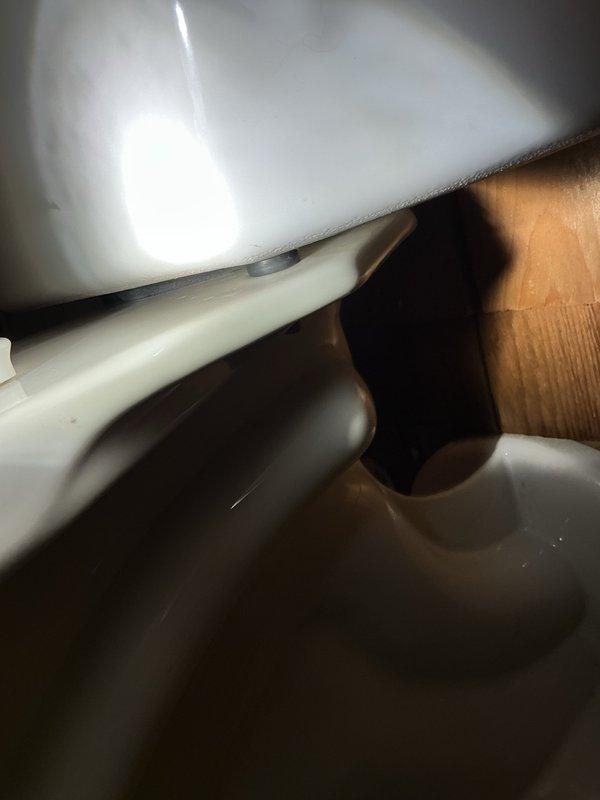
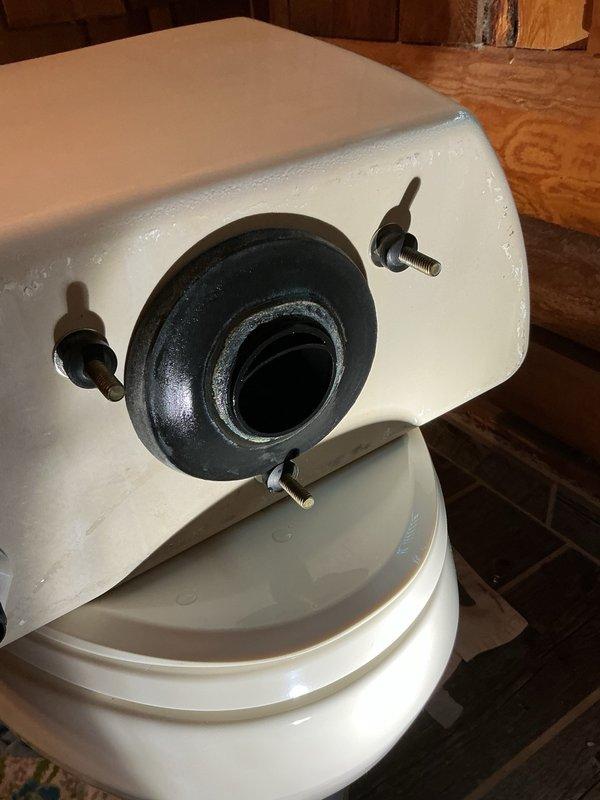
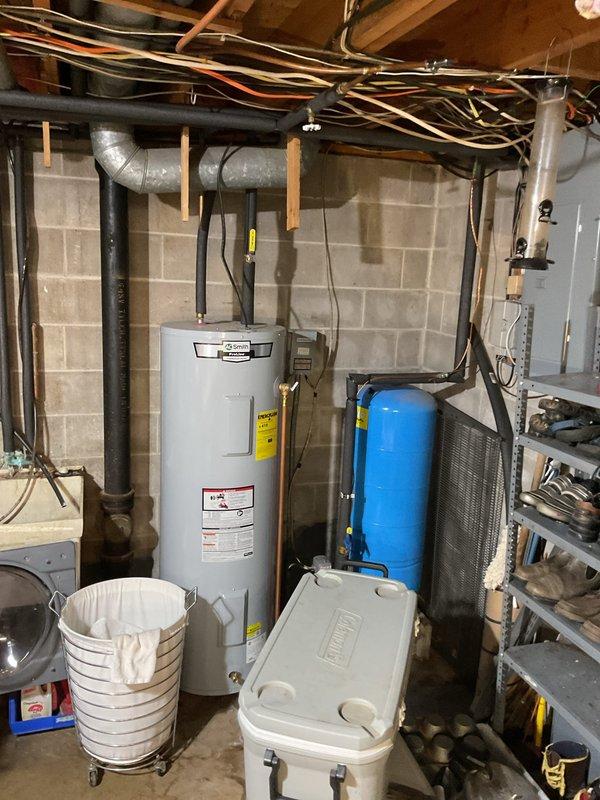
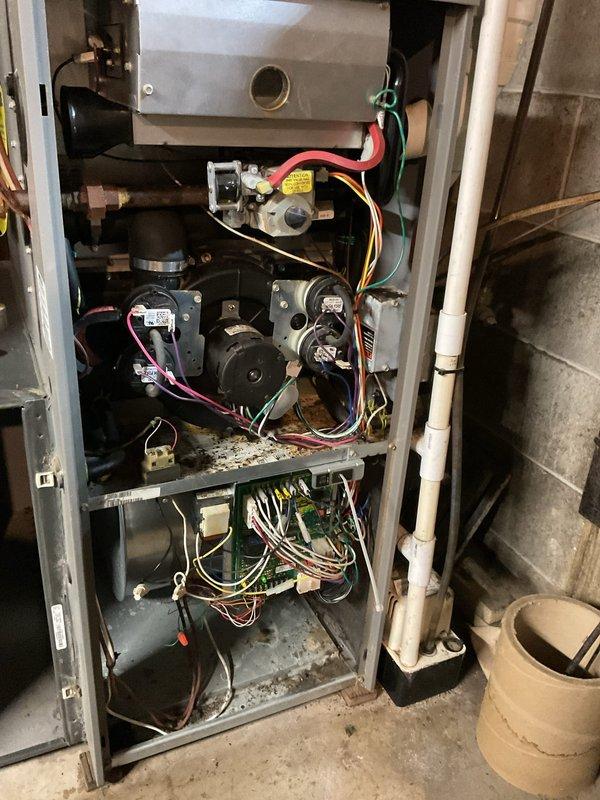
Replaced defective tank-to-bowl gasket on toilet to resolve leak issue. Installed new gasket, reassembled tank components, and conducted fifteen flush tests to verify proper seal with no leakage detected. During inspection, identified minor drip on basement ceiling shower originating from drain above; informed homeowner for monitoring and potential future service.
Menomonie, WI 54751

Mike B.
Responded to service call for heat pump producing thumping and wobbly noises during operation. Upon inspection, identified the source of the noise as the blower assembly. Discovered mice had infiltrated the blower wheel, causing the irregular sounds and vibration. Removed all rodent debris from the blower wheel and housing, cleaned affected components, and verified proper system operation. Unit tested and confirmed to be running quietly with normal airflow and no abnormal sounds following remediation.
Menomonie, WI 54751

Michael N.
Attempted phone contact to schedule thermostat installation appointment. Customer was unavailable or declined to schedule at this time. Follow-up will be required to coordinate installation timing.
Menomonie, WI 54751
Logan P.
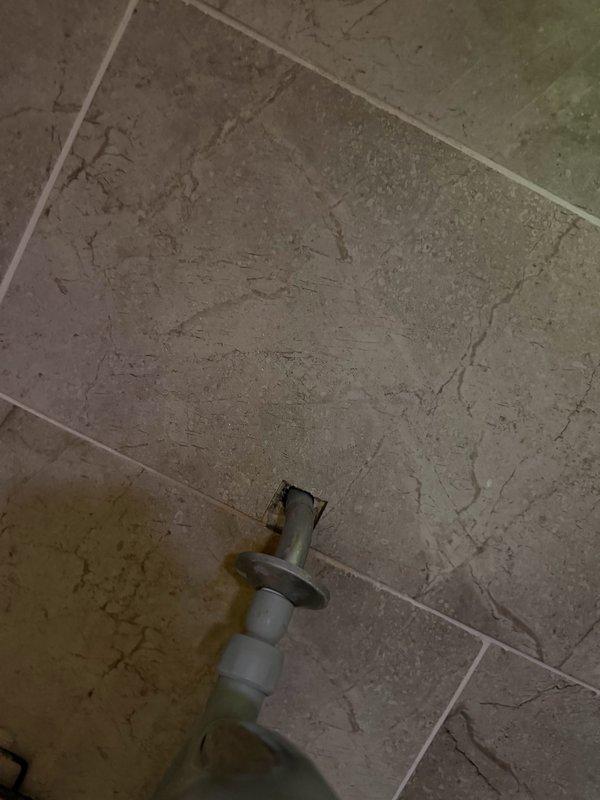
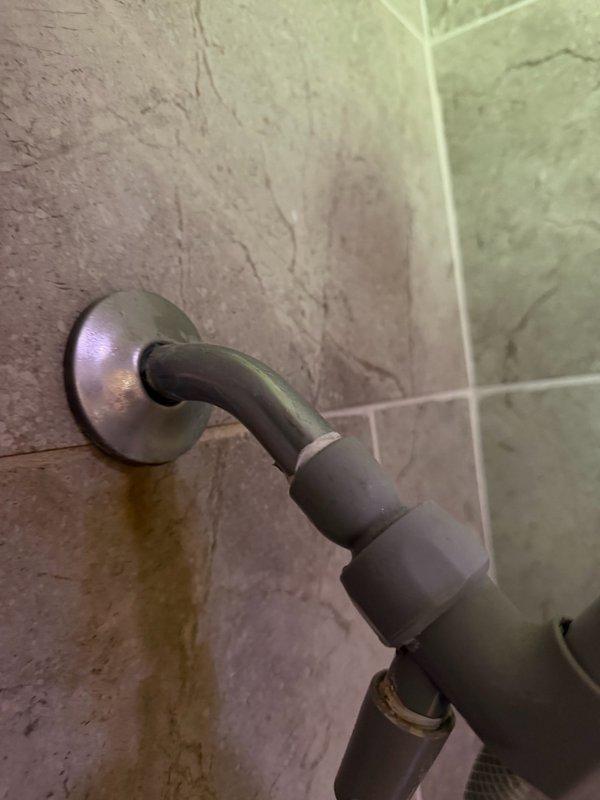
Responded to water leak originating from master bathroom shower affecting basement drop ceiling below. Upon investigation, identified shower head was spraying backwards toward wall, allowing water infiltration behind the escutcheon plate and subsequently running down interior drywall. Removed defective shower head and installed new replacement unit. Applied silicone sealant behind escutcheon to create proper water barrier and prevent future moisture penetration into wall cavity.
Menomonie, WI 54751

Beca R.
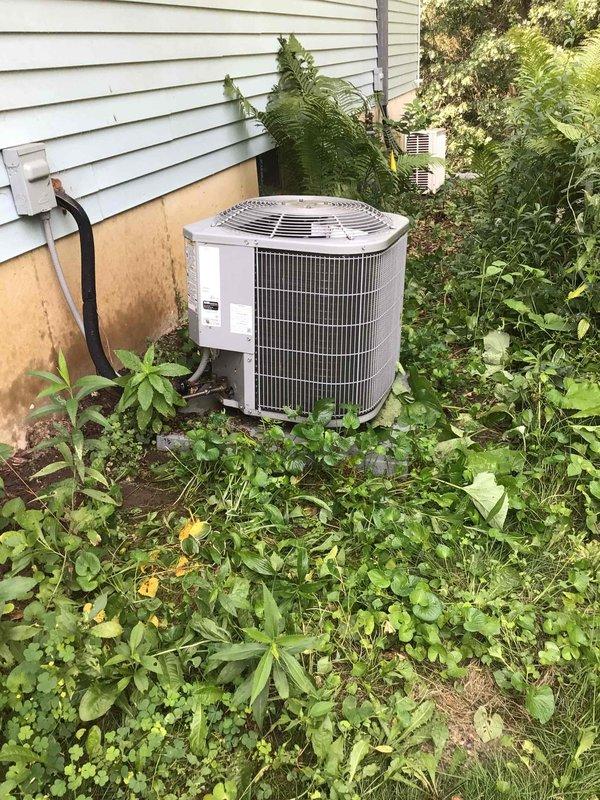
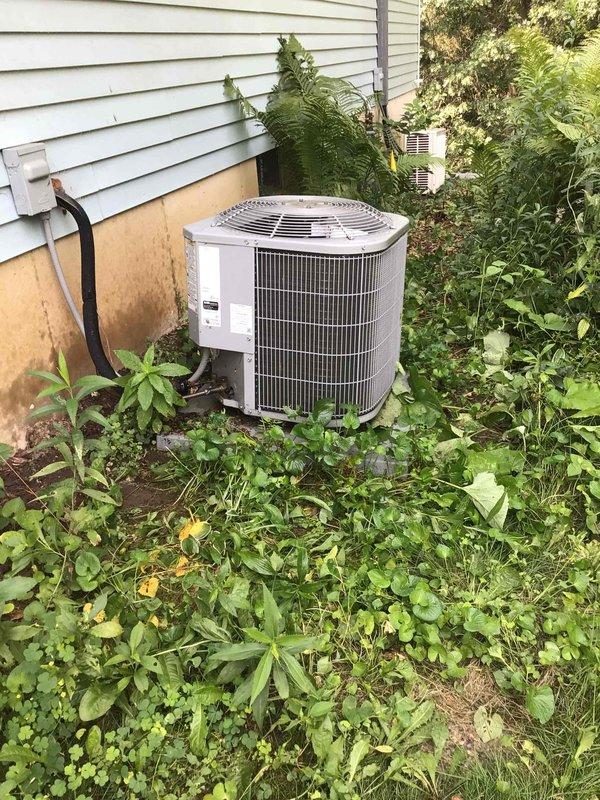
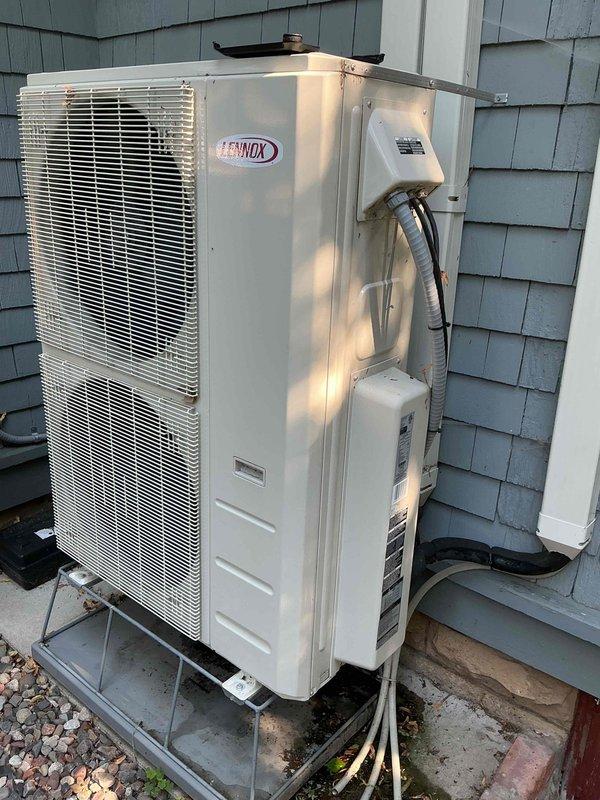
Completed comprehensive maintenance on central air conditioning system and mini split unit. Cleaned mini split filters, power washed both outdoor condenser units to remove debris and vegetation buildup, and performed complete electrical inspection with all readings confirmed within manufacturer specifications.
Menomonie, WI 54751

Liam D.
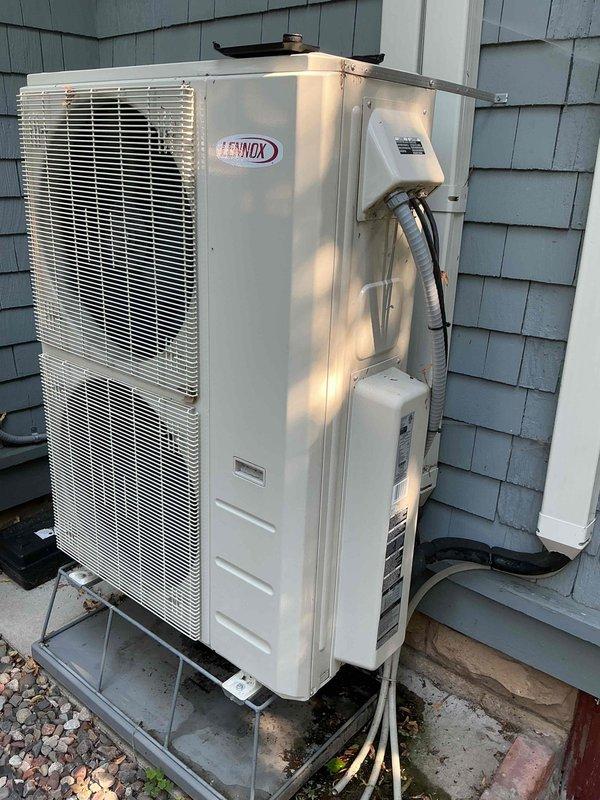
Responded to no cooling complaint on three mini-split units located on south side of residence. Found units freezing up due to low refrigerant charge. Added R-410A refrigerant to restore system operation and return units to cooling mode. System now operational but will require follow-up service to address underlying refrigerant loss and complete proper diagnosis and repair.
Menomonie, WI 54751
Ethan S.
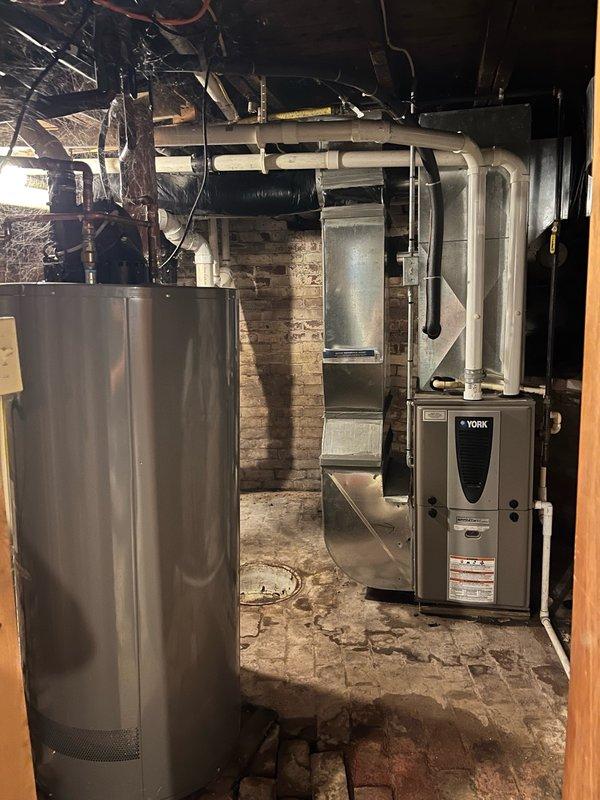
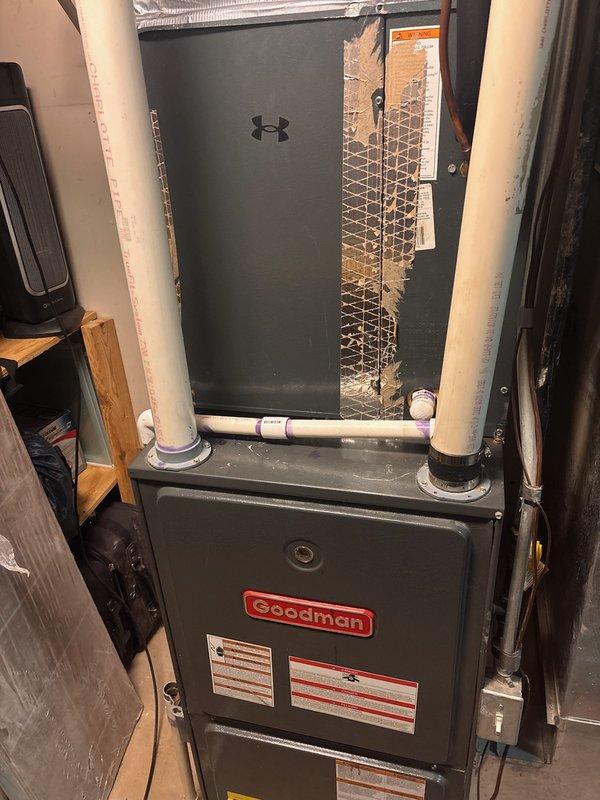
Responded to no cooling complaint on residential split system. Upon arrival, customer reported unit had been frozen up prior to service call and had turned system off with fan on to thaw coil. Confirmed no airflow at supply registers despite thermostat calling for blower operation. Inspected York furnace and verified proper voltage supply from control board to blower motor. Performed diagnostic testing with ECM tester to confirm motor failure. Blower motor determined to be defective and non-operational. Observed significant water accumulation throughout furnace cabinet from previous freeze-up event, indicating potential for additional component damage that cannot be fully assessed until airflow is restored. Given the age of the equipment (10+ years old, installed prior to 2010), overall condition of the unit, visible water damage, and history of previous service issues, recommended obtaining replacement system pricing for comparison against repair costs. Customer acknowledged ECM bl
Menomonie, WI 54751
Ethan S.
Responded to no cooling complaint on 12-year-old residential air conditioning system experiencing repeated freeze-up conditions. Upon arrival, performed comprehensive diagnostic evaluation of both indoor and outdoor equipment. Verified air filter was clean and evaporator coil showed no signs of blockage or contamination. Confirmed blower assembly operating properly with adequate airflow throughout the system. Conducted thorough inspection of outdoor condensing unit, verifying compressor, condenser fan motor, and electrical components functioning as designed. Performed refrigerant charge assessment and identified system critically low on R-410A refrigerant, indicating active leak in the system. Provided detailed explanation of findings and presented repair options to address the refrigerant leak. Customer declined repairs and opted to pursue replacement equipment through alternative provider.
Menomonie, WI 54751
Noah S.
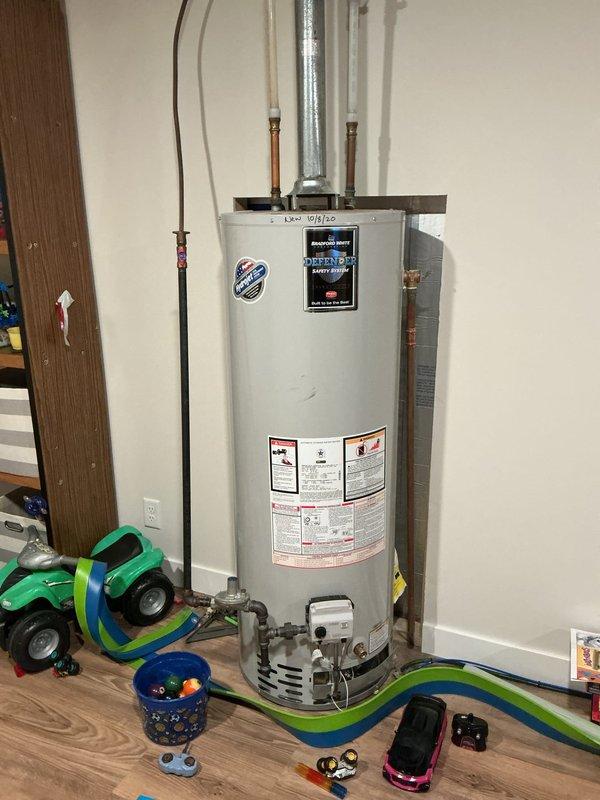
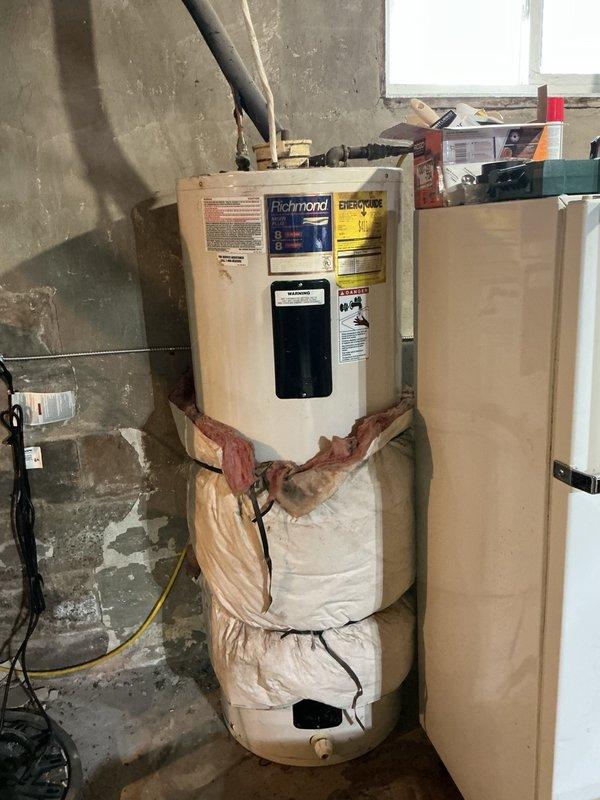
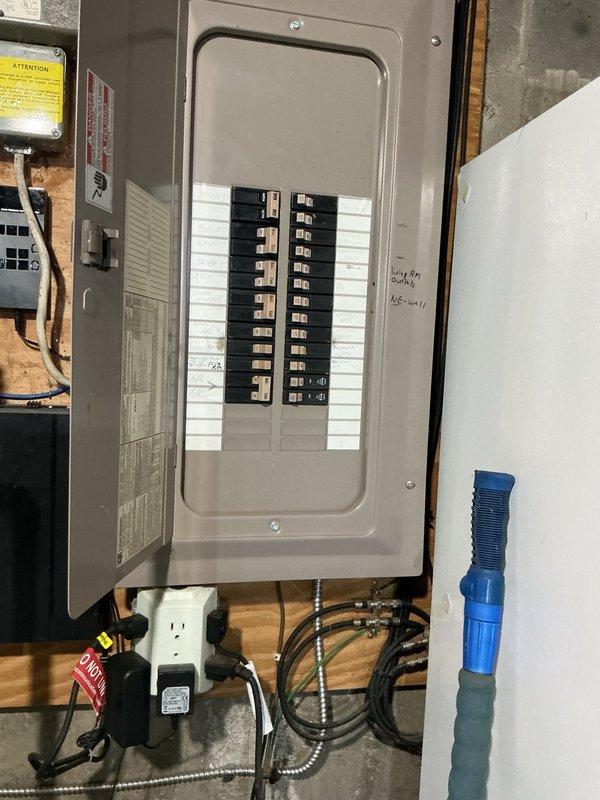
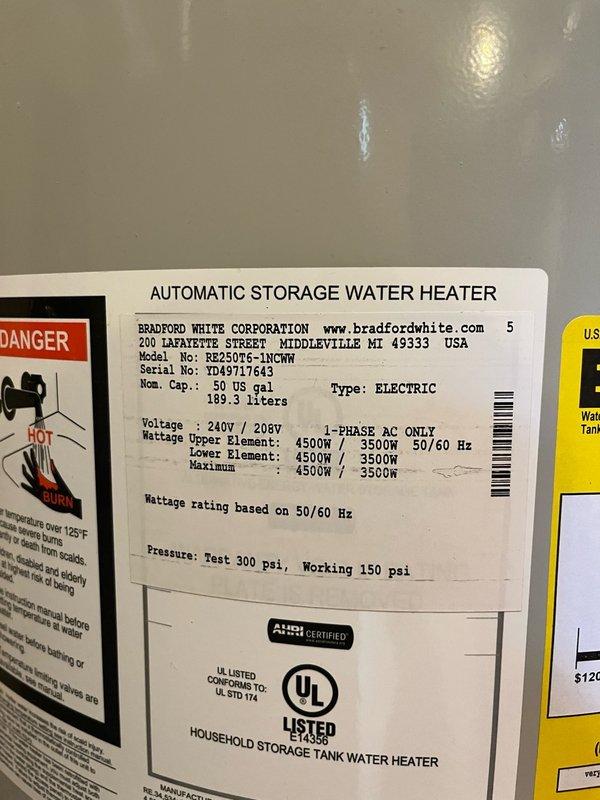
Replaced existing electric water heater with new 50-gallon Richmond brand unit in residential basement location. Drained and removed old water heater, then installed replacement unit using basic installation materials including pipe connections, insulation wrapping, and securing straps. Connected unit to existing electrical service and plumbing lines, verified proper amperage draw to confirm heating element operation, and tested system functionality to ensure proper performance. Installation completed with all applicable safety labels and energy guide information visible, and permit obtained per local code requirements.
Menomonie, WI 54751

Nick J.
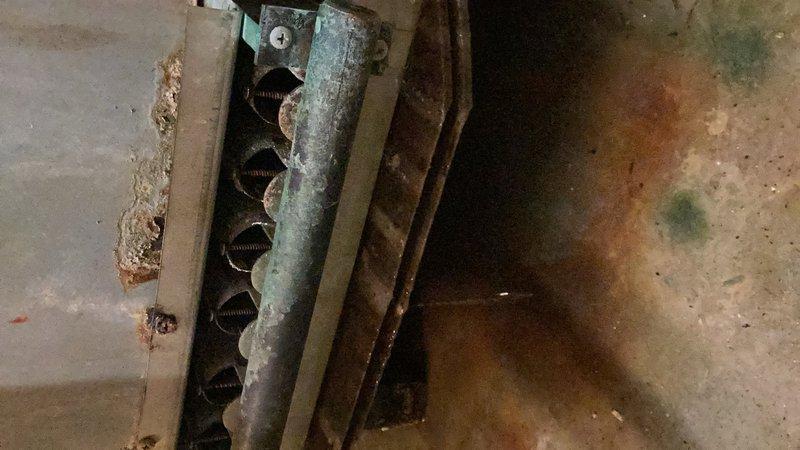
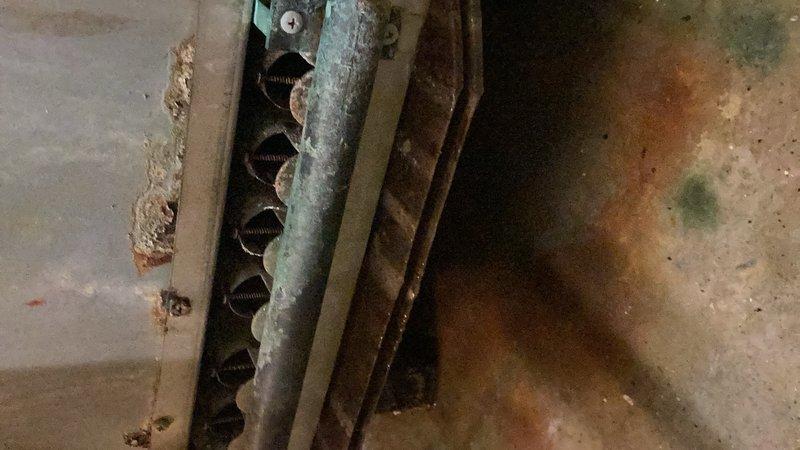
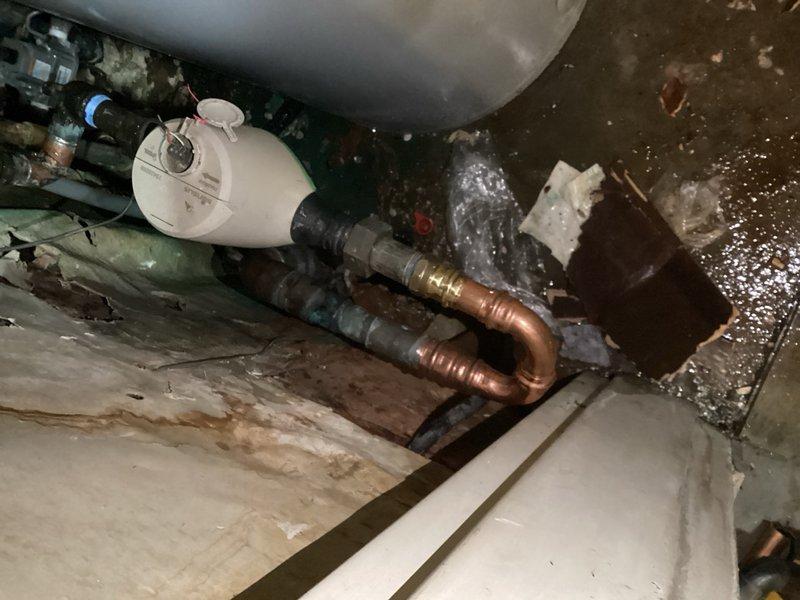
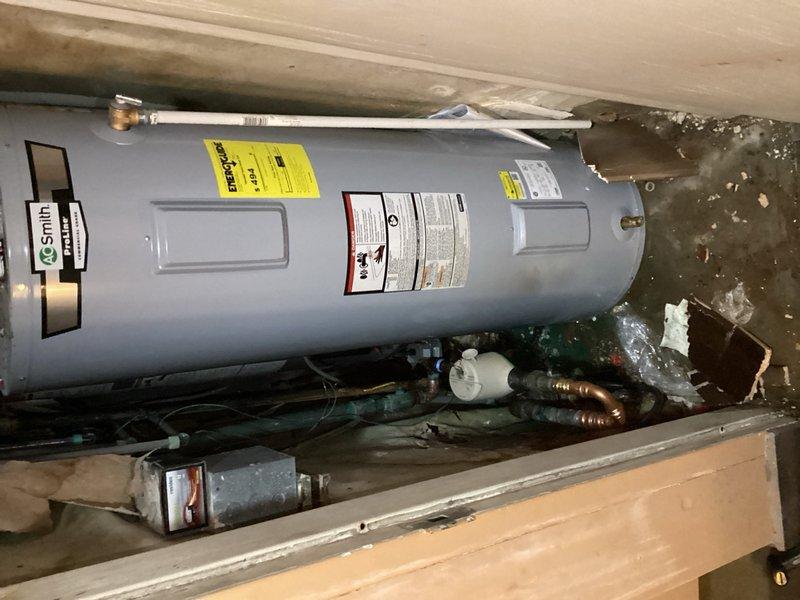
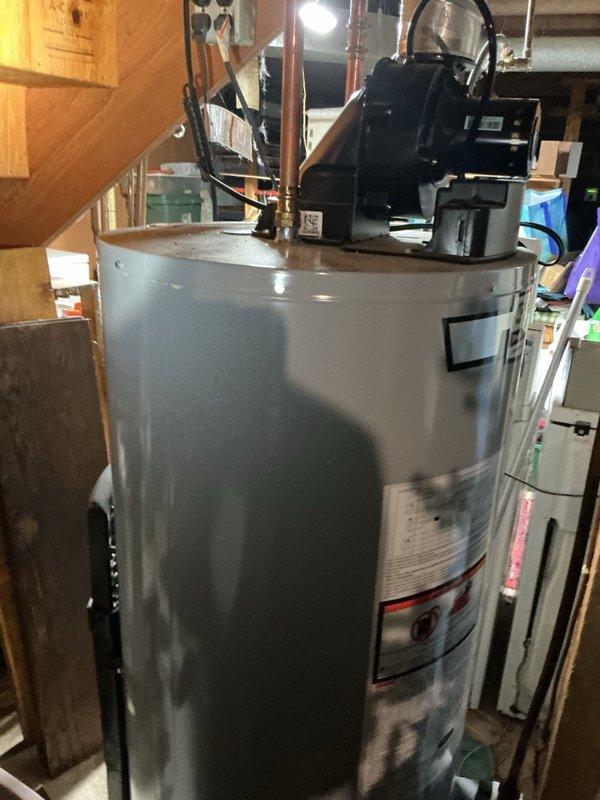
Responded to commercial natural gas water heater failure with reported leaking from bottom of unit. Upon arrival, conducted visual inspection of 10-year-old tanked water heater and confirmed active water leak originating from tank base. Photographic documentation revealed severe corrosion and mineral buildup on water heater components, with extensive verdigris oxidation present on copper connections and heat exchanger surfaces. Concrete floor exhibited significant water staining and discoloration patterns consistent with prolonged leakage. Due to location of leak at tank bottom and advanced corrosion throughout unit, determined tank integrity had been compromised and unit was beyond economical repair. Completed part order form for water heater replacement as existing unit posed risk of catastrophic failure and potential water damage to facility.
Menomonie, WI 54751
Ethan S.
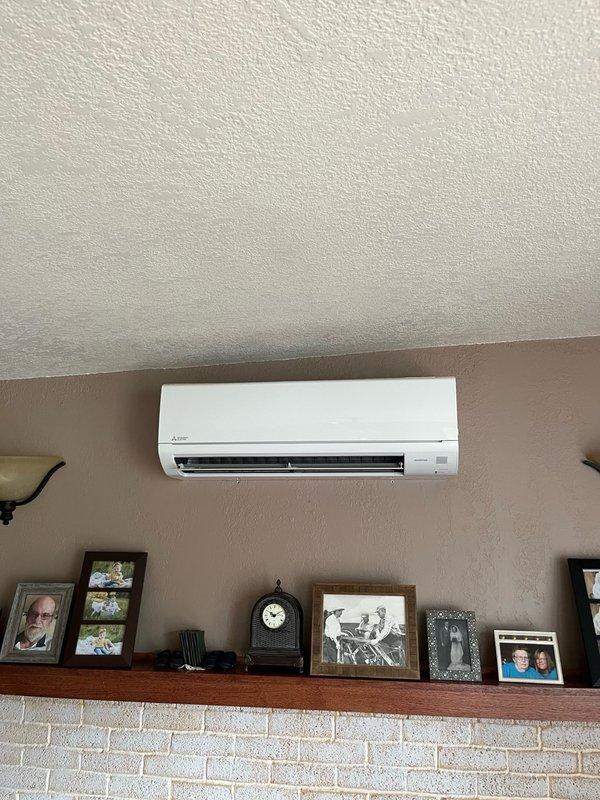
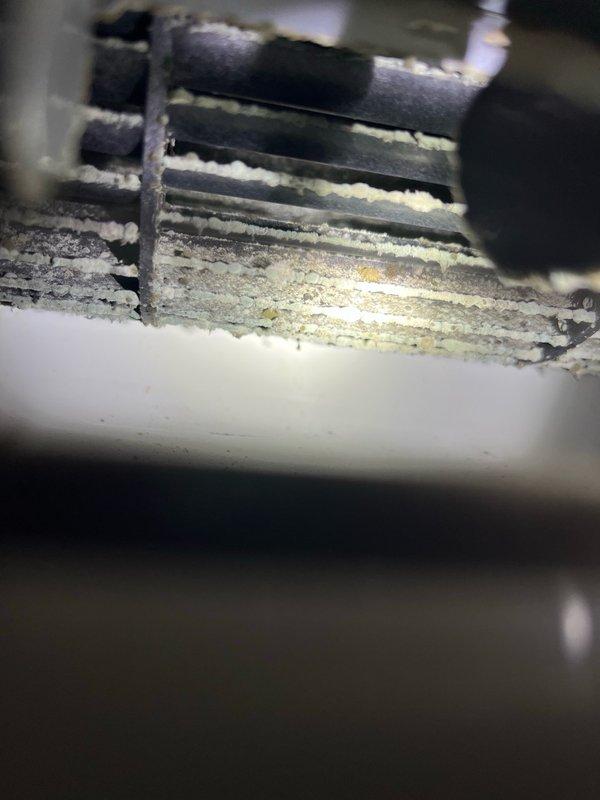
Responded to service call for 5-year-old Mitsubishi single-head mini-split system not maintaining temperature during hot weather. Upon arrival, performed comprehensive inspection of both indoor and outdoor units. Outdoor unit inspected and cleaned, with all routine components found to be functioning properly. Indoor head unit inspection revealed significant dirt accumulation on internal components, including debris beginning to collect on blower wheel, despite customer having recently cleaned filters. Verified condensate drain line was clear and flowing properly. System found to be operational but performance compromised by contaminated indoor coil and blower assembly. Recommended professional deep cleaning service for indoor head unit to restore optimal cooling efficiency and airflow. Customer requested coordination with home warranty provider before proceeding with additional cleaning services.
Menomonie, WI 54751
Ethan S.
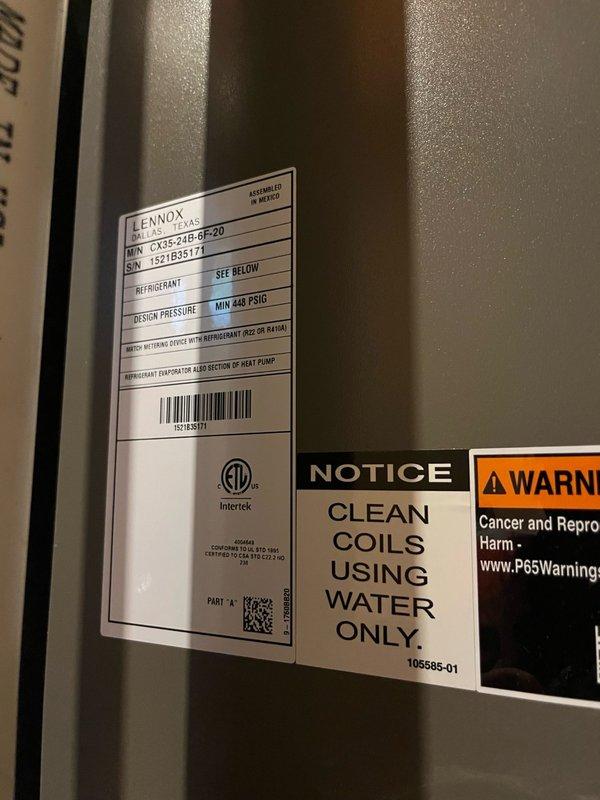
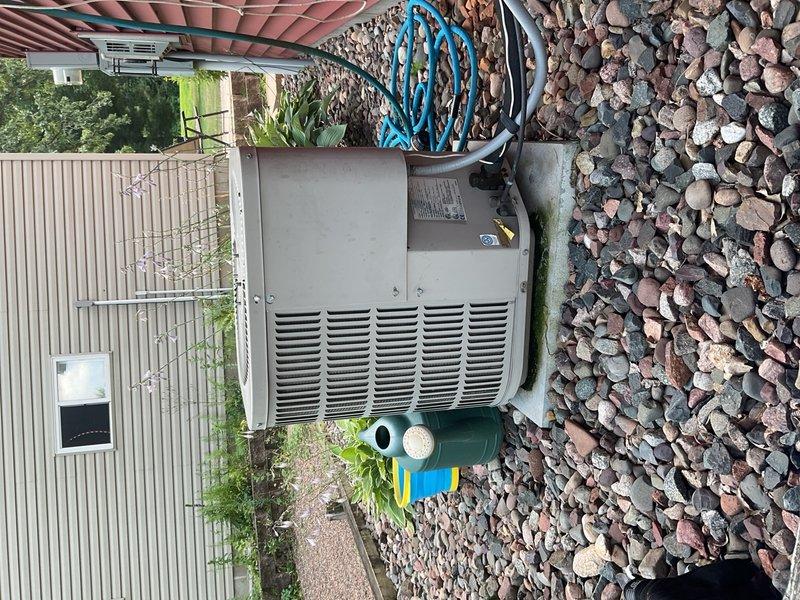
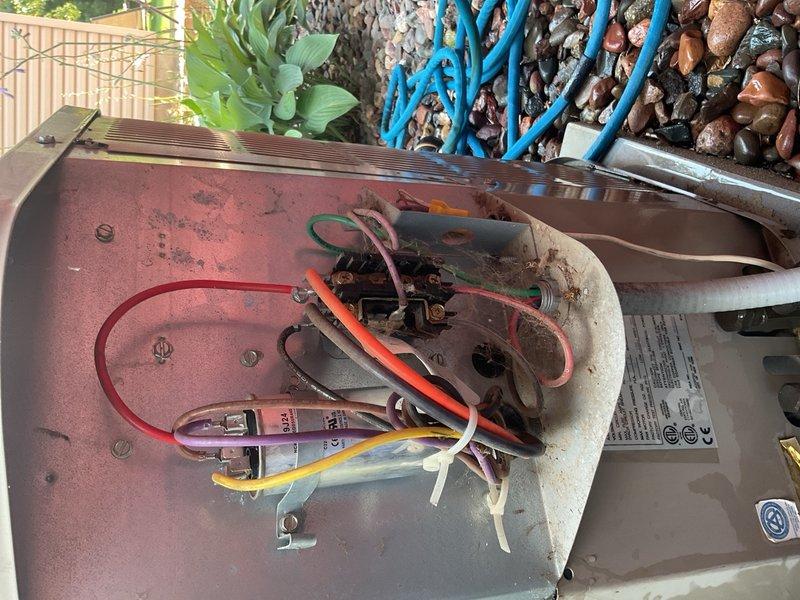
Completed preventive maintenance tune-up on 3-4 year old Lennox air conditioning system under family rewards program. Replaced air filter, vacuumed air handler cabinet due to accumulated debris, verified blower wheel and evaporator coil were clean with proper condensate drainage, inspected and cleaned outdoor condenser unit, tested all electrical components and connections which measured within manufacturer specifications. System operated properly with 18+ degree temperature split across evaporator coil after 15-minute runtime test, confirming optimal cooling performance with no deficiencies noted.
Menomonie, WI 54751

Mike A.
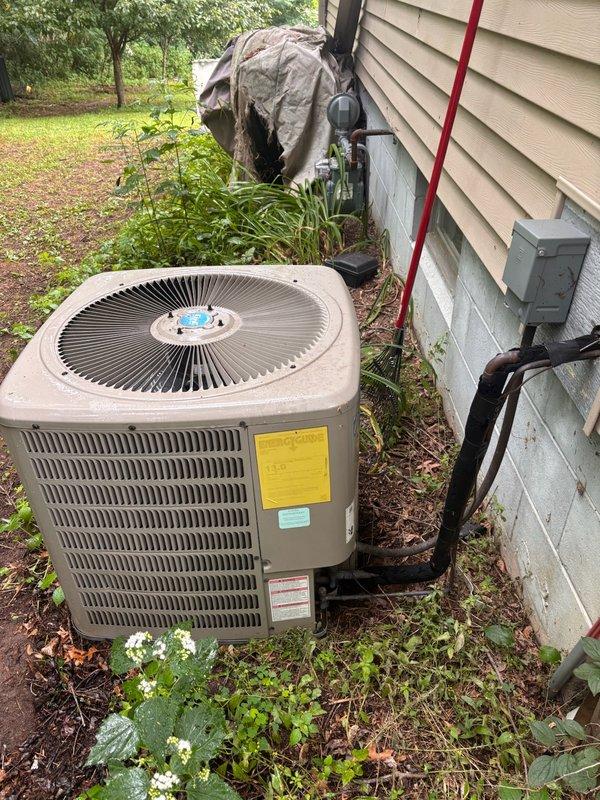
Performed routine maintenance inspection on a 2002 Goodman air conditioning system operating with R-22 refrigerant under 88°F outdoor ambient conditions. System operational but producing only 13°F temperature split, indicating diminished cooling capacity. New filter installed; however, airflow remains restricted, contributing to reduced system performance and comfort levels. Electrical connections and components inspected and found intact. Due to equipment age of 23 years, declining performance metrics, and inefficient operation with obsolete refrigerant, no adjustments available to significantly improve current cooling output. Advised homeowner that system is struggling to maintain desired setpoint temperatures and consuming excessive energy due to age-related degradation. Recommended planning for system replacement to restore adequate cooling capacity and energy efficiency.
Menomonie, WI 54751
Nick J.
Responded to emergency water leak in building's main water line. Upon arrival, identified pinhole leak in corroded copper pipe adjacent to the main water supply line near the meter. The shutoff valve and surrounding pipe showed significant corrosion from age and moisture exposure. Isolated the affected section by shutting off water supply to the entire building from the street-level main valve to prevent further water damage and allow safe repairs. Cut out the compromised section of copper pipe containing the pinhole leak and replaced with new piping and fittings. Completed proper soldering and connections to restore water main integrity. Tested all connections for leaks and verified proper water pressure throughout the system. Restored water service to the building and confirmed shutoff valve operation. Documented existing conditions including water pooling on concrete floor and moisture damage in the utility area, along with corroded plumbing components requiring monitoring for futu
Menomonie, WI 54751
Noah S.
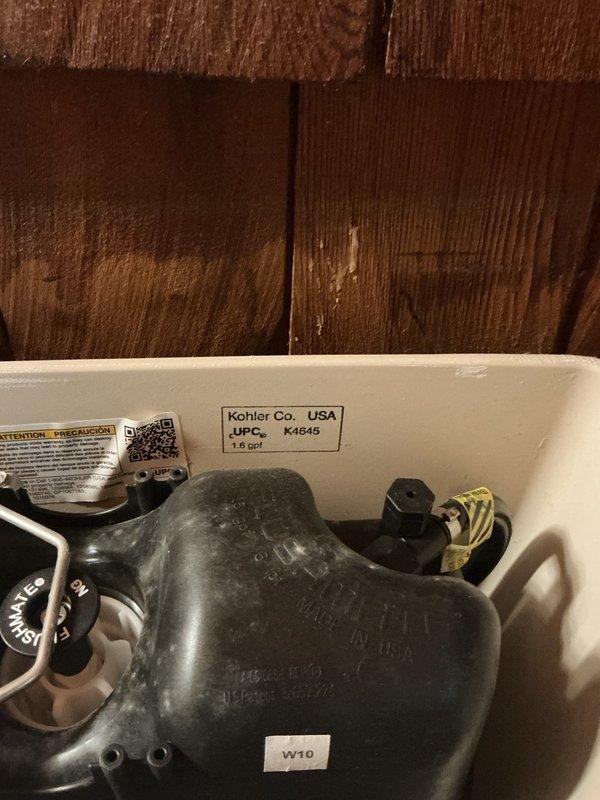
Responded to service call for non-functioning toilet with active leak. Upon inspection, performed power flush to assess system operation and identified deteriorated tank-to-bowl gasket as the source of water leakage. Removed tank lid to examine internal components, including Kohler flush valve assembly and connecting hardware. Documented existing conditions and verified model specifications (1.6 GPF) for proper parts ordering. Completed part order form for replacement tank-to-bowl gasket with manufacturer specifications to ensure correct fit upon return visit for installation and final repair.
Menomonie, WI 54751


“Mark was very pleasant to work with! He was on time and took care of my plumbing needs efficiently and effectively. I would definitely use him again for any plumbing issues I may have. I have been using Hurlburt for all of my heating, plumbing, and electrical needs and have always been satisfied!”
Alison A.

“Great service! Professionals starting from the first person I spoke to on the phone and finalizing with the person who finished the installation and cleaned up after. Staff explained everything well. Highly recommended!!!”
Jessica F.
"Outstanding service as always! Hurlburt goes above and beyond for their customers. We got scheduled right away, and Shawn did a great job. I will continue to use these guys for everything!!!"
Nicole T.
"Our technician Mike was just awesome. Took the time to show me what he was doing and explained why he was doing it. Gave me an honest evaluation of my situation. You can’t go wrong with Hurlburt and the work ethics of the employees."
Jean C.
Trevor came to service our AC unit. Very happy with his work. Trevor was friendly and knowledgeable, and got our issue fixed quickly. Hurlburt Heating and Plumbing is a great company to work with."
Debbie L.
"Hurlburt has helped us out with both plumbing and HVAC services in the past and have always done a great job. All their technicians, especially Mark, have been kind, professional, and quick with service!"
Sara N.
©2026 Hurlburt. All Rights Reserved.
Privacy Policy | Terms and
Conditions
This site is protected by reCAPTCHA and the Google Privacy Policy and Google Terms of Service apply.
