


Heating, Cooling, Plumbing, and Electrical Contractor in Eau Claire, WI
Since 1959 Hurlburt, we make it our mission to keep your home comfortable and protected.

Highly Rated

Satisfaction Guaranteed

0% Financing

Friendly Technicians
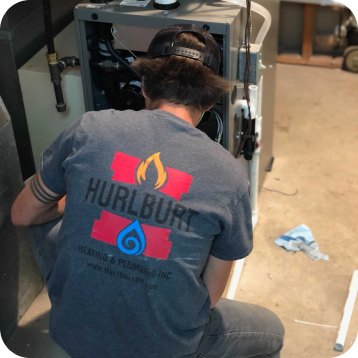
Heating Services in Eau Claire, WI
Heating calls in Eau Claire come with a wide mix of systems because the city has homes from nearly every era. Older neighborhoods like East Hill and Third Ward still have boiler systems, radiant heat, and homes that were never originally designed for central air. Meanwhile, many mid-century homes throughout Eau Claire still rely on aging forced-air furnaces that struggle to keep up during long Wisconsin winters.
We see a lot of airflow issues, aging heat exchangers, undersized ductwork, and systems that have simply reached the end of their lifespan. During sub-zero stretches, those problems become obvious fast.
- Heating repair
- Heating installation
- Heating replacement
- Heating maintenance
- Furnace repair and replacement
- Boiler service and upgrades
- Heat pump installation and repair
- Geothermal systems
Cooling Services in Eau Claire, WI
Eau Claire summers can get surprisingly humid, especially near the Chippewa River and lower areas around Half Moon Lake. That humidity puts extra strain on older AC systems, particularly in homes that were not originally built with central air.
We work on a lot of mid-century homes where the ductwork was designed for heating first and cooling second. That often leads to uneven temperatures, weak airflow upstairs, and systems that cannot keep up during July heat waves.
- AC repair
- AC installation
- AC replacement
- AC maintenance
- Ductless air conditioning
- Ductless AC repair
- Ductless installation and replacement
Plumbing Services in Eau Claire, WI
Plumbing problems in Eau Claire often come down to age, freezing temperatures, and older infrastructure. Homes in older parts of the city can still have aging drain lines, outdated water piping, or plumbing systems that have been patched together over several decades.
During Wisconsin winters, frozen pipes and sump pump failures become common calls, especially during freeze-thaw cycles. We also see a steady demand for water softeners and water filtration systems throughout the Eau Claire area.
- Plumbing repair
- Plumbing installation
- Water heaters
- Leak and pipe repair
- Toilet and faucet repair
- Sump pumps
- Water softeners
- Outdoor faucets
- Water filtration systems
- Gas line repair
Older Eau Claire homes often have tight mechanical spaces and aging plumbing layouts that require experience to service properly.
If you are dealing with leaks, drain backups, or sump pump problems, we can help, call (715) 227-4145 today or connect with Hurlburt online to schedule service.
Electrical Services in Eau Claire, WI
Electrical systems across Eau Claire vary just as much as the housing stock itself. Some older homes still operate on outdated panels that were never designed for modern electrical demand. We regularly see overloaded circuits, insufficient panel capacity, and aging wiring in homes built before the 1970s.
At the same time, newer neighborhoods are adding EV chargers, smart home systems, generators, and additional electrical loads that require upgraded infrastructure.
- Electrical repair
- Whole-home generators
- Electrical installation and wiring
- Switches, outlets, and ceiling fans
- Panel replacement and repair
- EV chargers
- Smart home installation
Indoor Air Quality Services in Eau Claire, WI
The dry winters and humid summers in Eau Claire create year-round indoor air quality challenges. During the winter, many homes become extremely dry once the furnace runs constantly. In the summer, excess humidity can leave the house feeling sticky even when the AC is operating.
A lot of homeowners also deal with dust buildup, pet dander, and poor airflow, especially in older homes with aging duct systems.
The right humidity and filtration setup can make a noticeable difference throughout the year. Call (715) 227-4145 today or connect with Hurlburt online to improve your comfort.

Why Eau Claire Homeowners Continue to Call Hurlburt
We are already working throughout Eau Claire every single day. This is not a secondary service market for us. It is where our company has operated for generations.
- Serving Eau Claire for more than 67 years
- Around 15 service and installation vehicles on the road daily
- Roughly 300 service calls every week in the area
- Heating and Cooling service available seven days a week
- No after-hours fees for A/C or Heating service and maintenance calls
- Full support for heating, cooling, plumbing, electrical, and air quality
You have likely seen us at the Chippewa Valley Home Show, sponsoring the Fairfax Pool or Hobbs Ice Arena, or on WEAU 13 News during the Morning Connection segments where we share seasonal homeowner tips.
Recent Jobs and Reviews in Eau Claire, WI
Eau Claire, WI at a glance
Hurlburt Heating & Plumbing has completed 20 jobs in Eau Claire, WI in October 2026.
The most recent job was on October 4, 2026.
Hurlburt Heating & Plumbing has completed 3,568 jobs in Eau Claire, WI in the last 12 months. The first job there was in October 2015.
Job Locations and Reviews

Mike A.
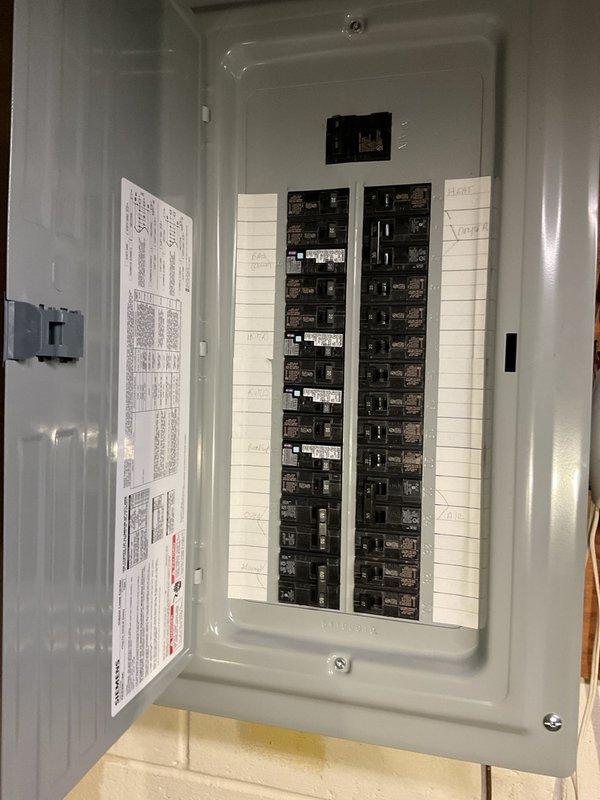
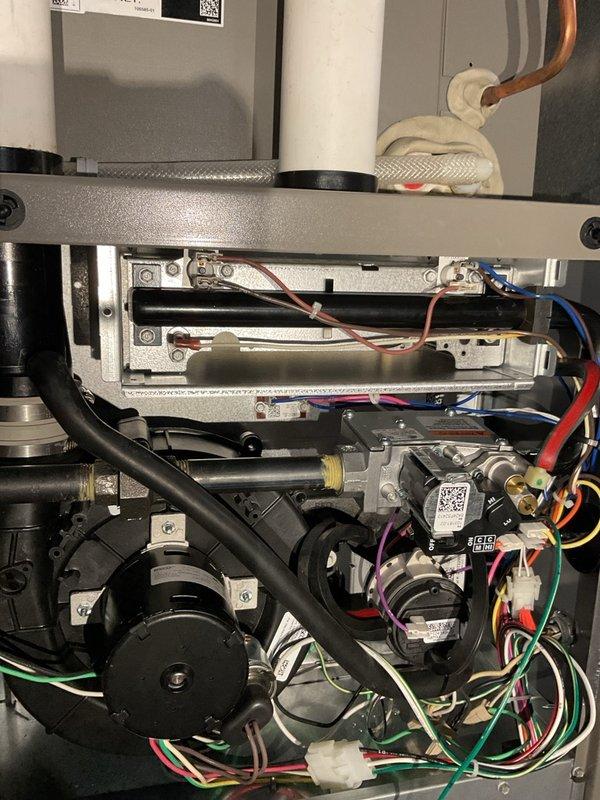
Completed comprehensive furnace maintenance on a 2-year-old FR unit, including full system inspection and diagnostics. Replaced dirty air filter and left additional filters for customer use. All furnace components, including heat exchanger, electrical connections, gas valve assembly, and blower motor, were inspected and found to be operating within normal parameters. During routine inspection, identified active leak on water heater and provided replacement quotes to customer for consideration.
Eau Claire, WI 54701
Trent L.
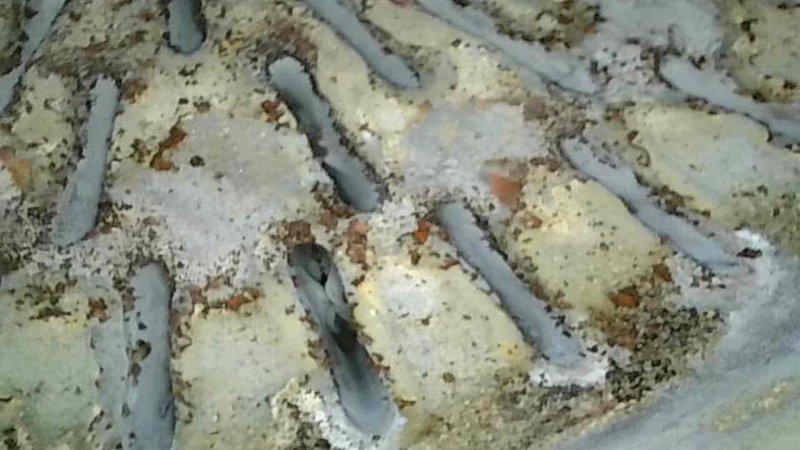
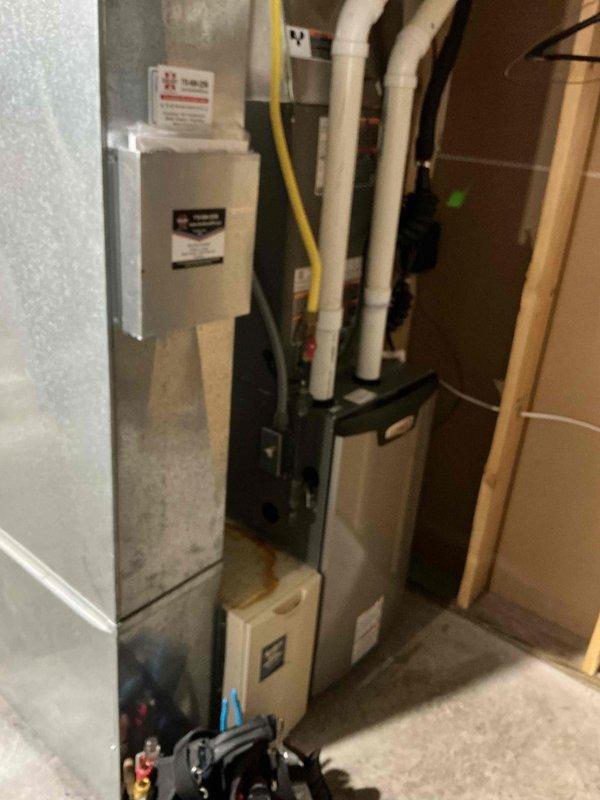
Completed comprehensive furnace tune-up on dual Lennox heating systems and boiler as part of annual maintenance agreement. Cleaned flame sensors on both furnaces and boiler, verified condensate drain lines were clear and draining properly, and inspected air filters which were found in good condition. Performed electrical component testing with all readings within manufacturer specifications. Test-ran both furnace units confirming proper modulation with temperature rise between 55-65 degrees. Conducted visual inspection of boiler heat exchanger, finding no buildup or deterioration. All systems operating efficiently and ready for winter season.
Eau Claire, WI 54703
Trent L.
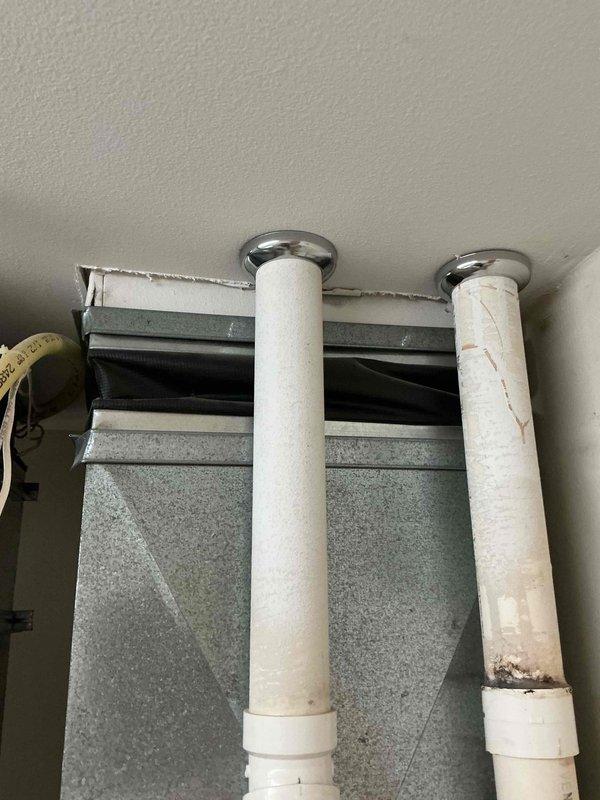
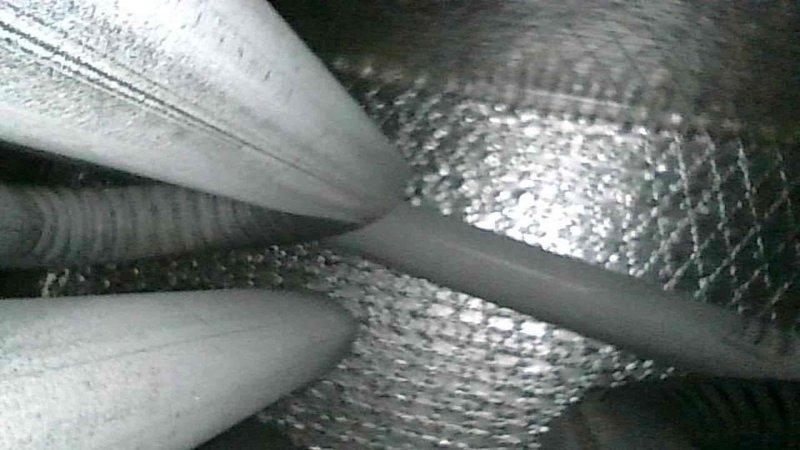
Responded to service call at recently purchased condominium for furnace evaluation and potential ductwork issue. Homeowner reported concern about ductwork appearing to hang down from ceiling, creating operational problems. Upon inspection, identified that the perceived issue was actually the black flexible spacer connector between the furnace and main ductwork, which is a standard component designed to allow height adjustment and accommodate thermal expansion. Explained to homeowner that this component is normal and functioning as designed. Performed comprehensive furnace inspection and maintenance service. Conducted thorough examination of heat exchanger for cracks or deterioration. Cleaned flame sensor to ensure proper ignition and burner operation. Inspected all furnace components including blower assembly, gas valve, ignition system, and safety controls. Verified all systems operational and functioning within normal parameters. Unit tested successfully with heat cycle completing p
Eau Claire, WI 54701
Trent L.
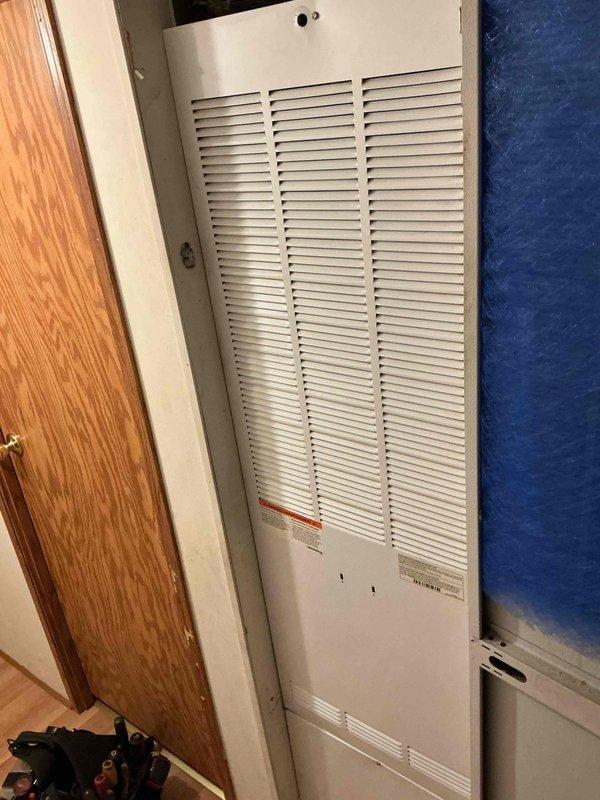
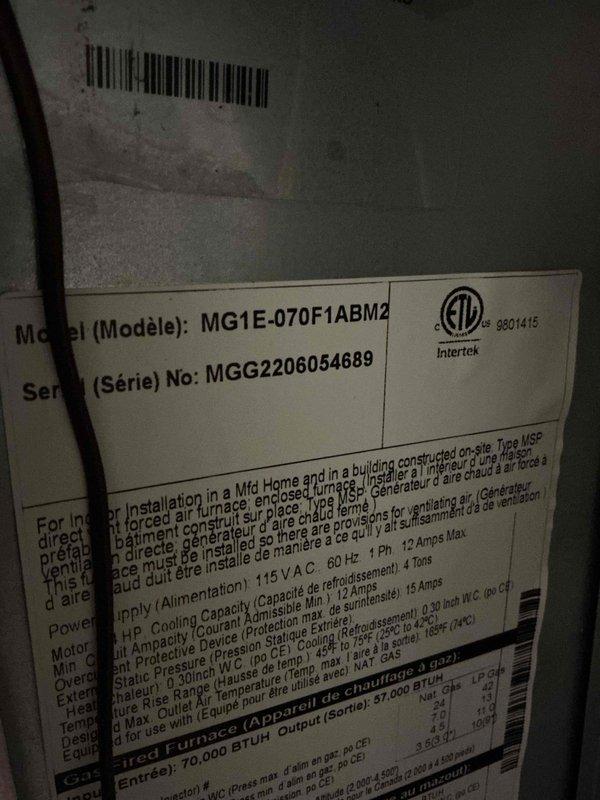
Responded to no-heat call on residential furnace. Upon inspection, found igniter failing to light burner assembly. Tested igniter and measured abnormally high resistance, indicating failure. Replaced defective igniter with new unit, restoring proper ignition and burner operation. Furnace now heating normally and cycling properly. Due to recurring igniter failures and known issue with control boards prematurely burning out igniters in this model series, submitted parts order for replacement control board to prevent future igniter damage and ensure long-term system reliability.
Eau Claire, WI 54703
Mike A.
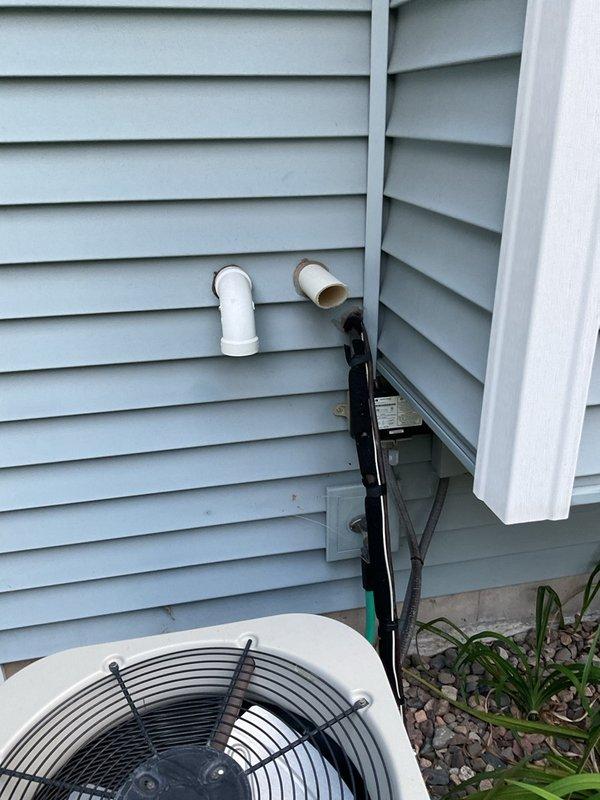
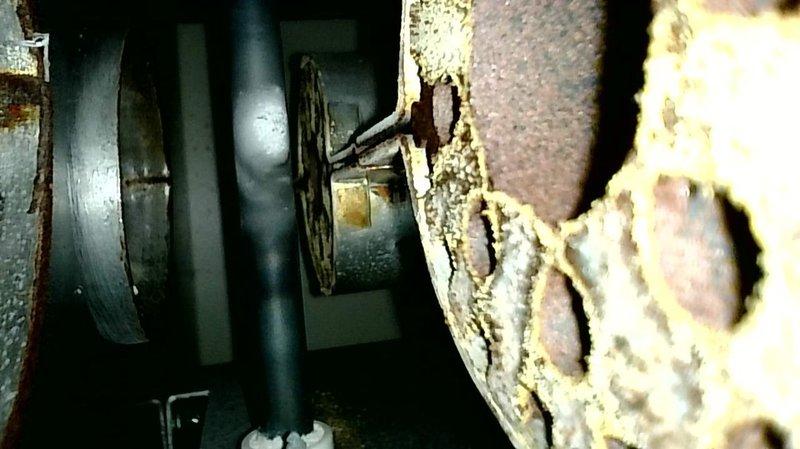
Performed comprehensive furnace maintenance on 13-year-old Gibson system. During inspection, discovered small gas leak on pipe leading into gas valve, blower capacitor reading out of specification, and hot surface igniter showing out-of-spec readings with visible hotspot. Replaced faulty blower capacitor and hot surface igniter, then repaired gas piping to eliminate leak and ensure proper connections. System tested and verified operating safely within manufacturer specifications. Customer enrolled in basic maintenance plan for continued service coverage.
Eau Claire, WI 54703

Shawn G.
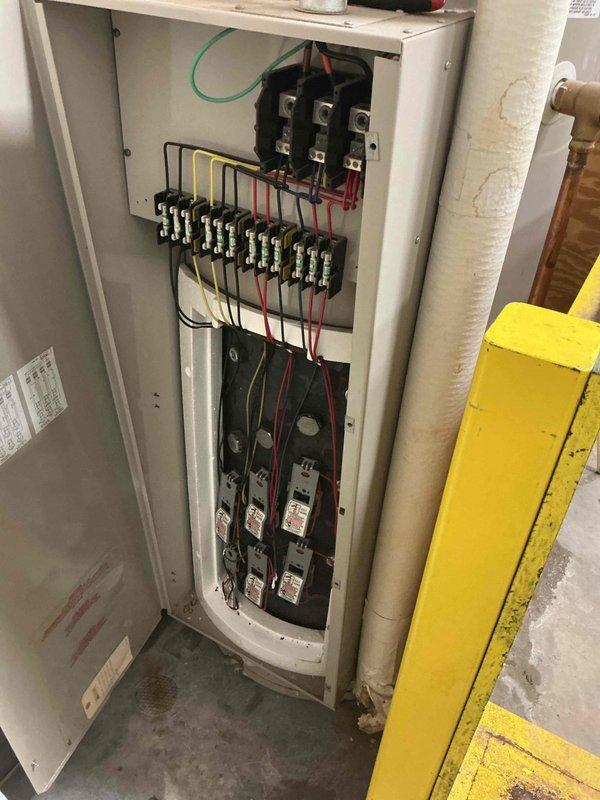
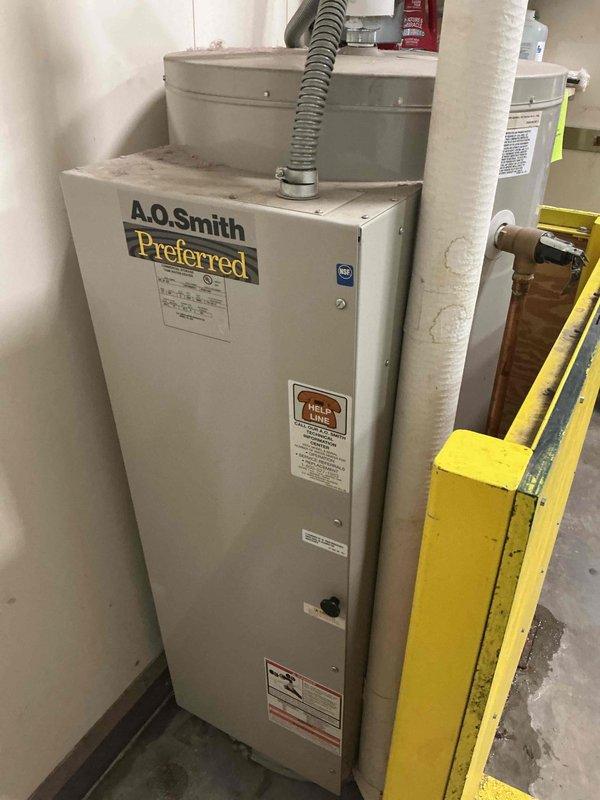
Responded to commercial water heater emergency at PetSmart location where unit had ruptured with active leak from bottom of tank. Upon arrival, immediately isolated water supply, shut down electrical power at panel, and secured the failed A.O. Smith Preferred model water heater to prevent further water damage to facility. Documented existing electrical connections and equipment condition with before photos for replacement planning and insurance purposes.
Eau Claire, WI 54701

Caleb S.
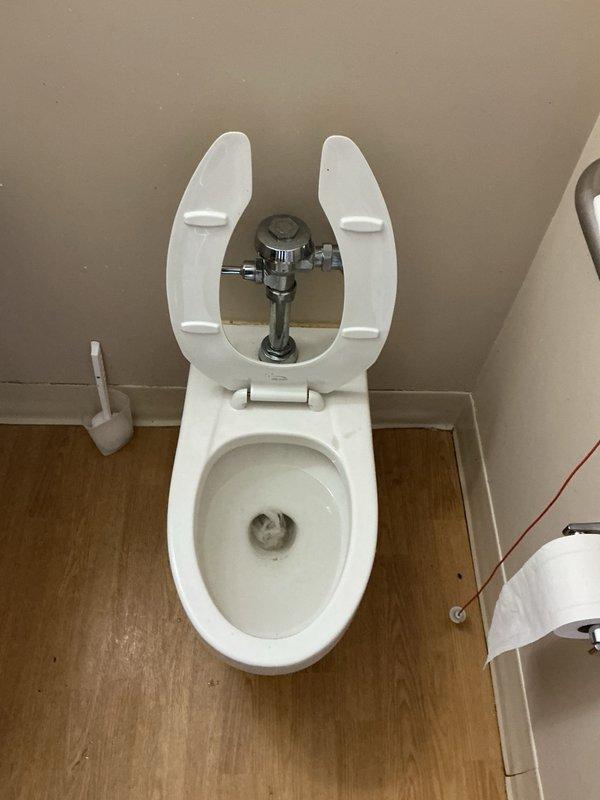
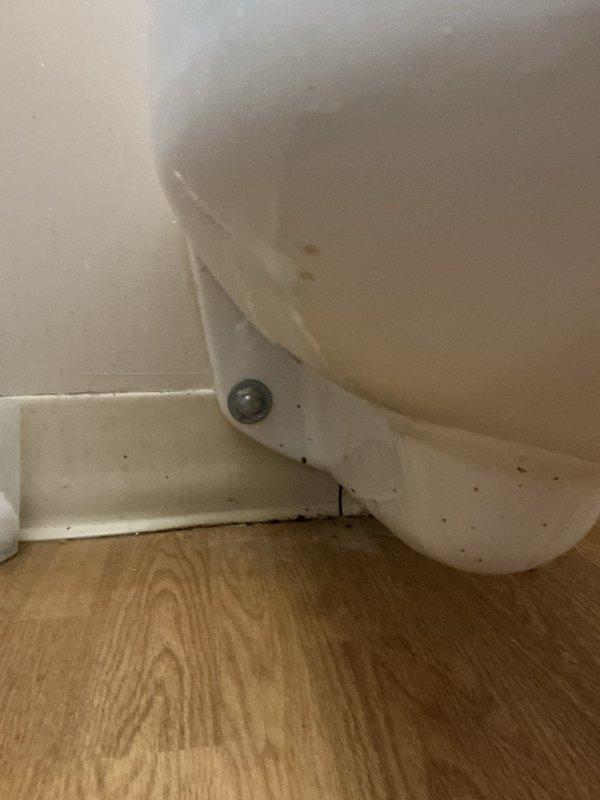
Responded to a clogged toilet that would not flush properly due to excessive foreign materials in the drain line. Utilized a drain auger for approximately 10 minutes to clear the obstruction, successfully removing toilet paper, wipes, and other debris from the waste line. Restored proper flushing function to the fixture.
Eau Claire, WI 54703

Xavier C.
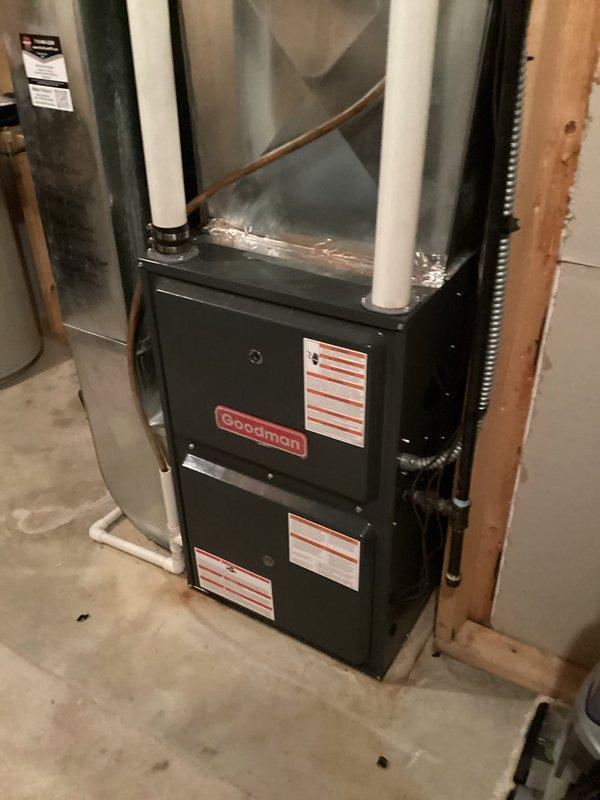
Responded to no heat call on 4-year-old Goodman furnace where fan would not run independently from thermostat but operated normally during heating and cooling cycles. Diagnosed faulty control board after jumpering at board confirmed fan would only operate with active call for heating or cooling. Replaced defective control board under warranty, restoring proper fan operation in all modes including continuous fan setting from thermostat.
Eau Claire, WI 54701

Derrick D.
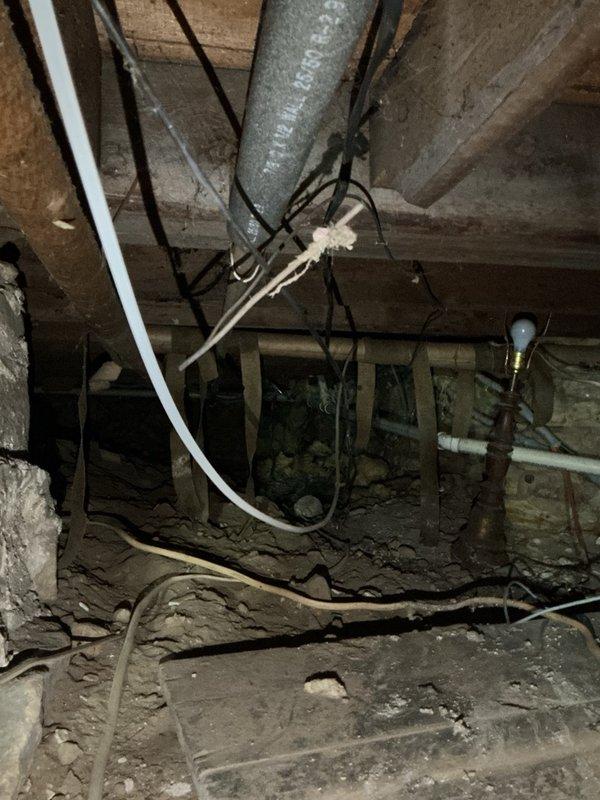
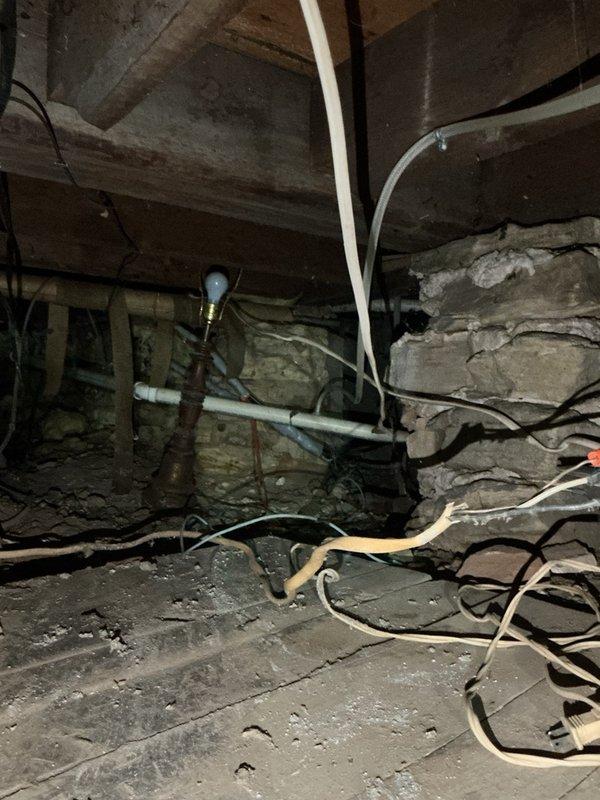
Provided estimate for capping hot and cold water lines in preparation for bathroom demolition in 110-year-old home with galvanized plumbing. Accessed 5-foot crawlspace to assess shower supply lines and documented existing conditions, including aged galvanized piping, stone foundation, and limited workspace beneath wooden floor joists. Customer will schedule service to complete line capping once demolition begins.
Eau Claire, WI 54701

Mike B.
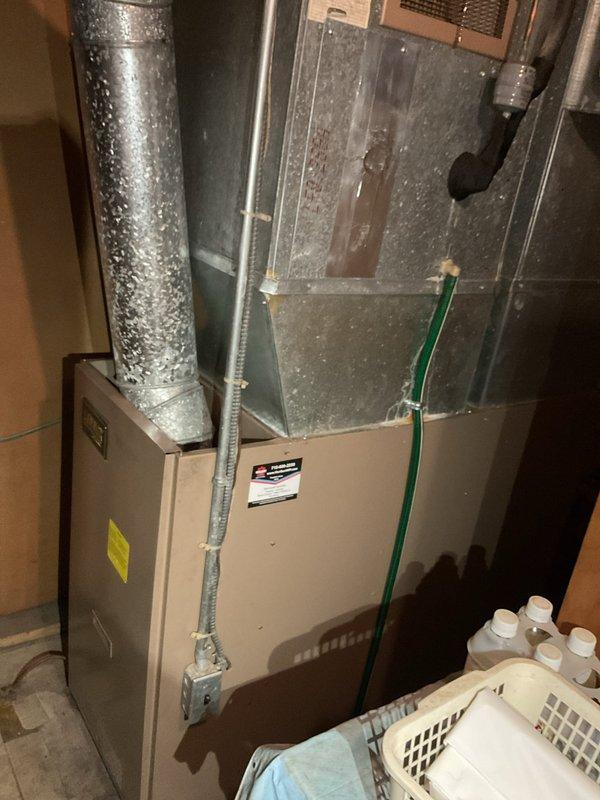
Responded to no heat call on 25+ year old oil furnace that had been serviced the previous week. Upon arrival, diagnosed weak ignition transformer preventing burner ignition. Replaced faulty ignition transformer, restored heat operation, and cycled unit multiple times to verify proper ignition and consistent performance.
Eau Claire, WI 54703
Derrick D.
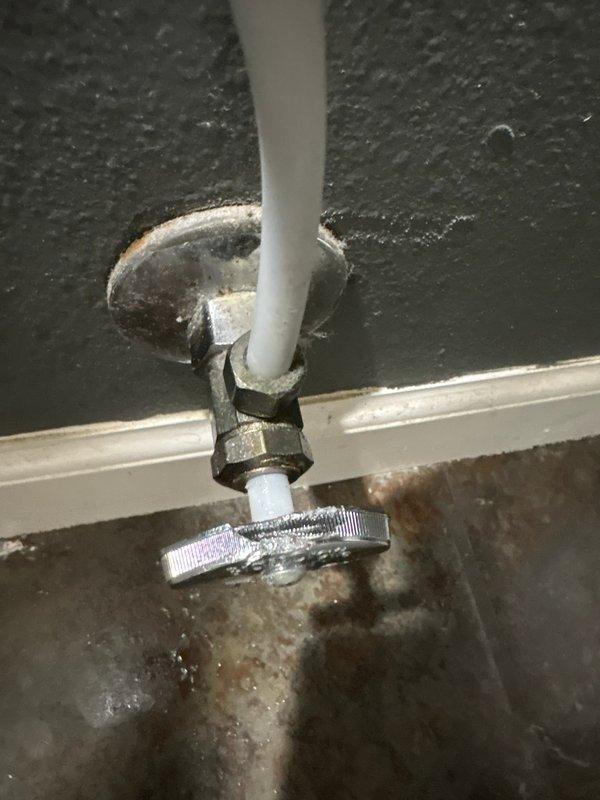
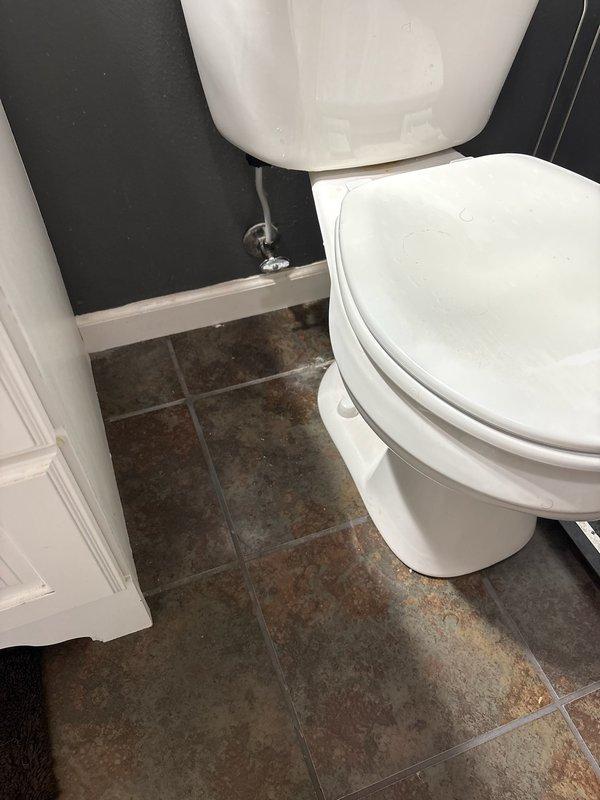
Responded to a non-functional toilet water shut-off valve that prevented the customer from performing necessary toilet repairs. Upon inspection, identified a broken water supply line valve at the wall connection to the toilet. Removed the failed compression fitting valve and installed a new replacement valve, ensuring proper threading and secure connection to both the supply line and toilet fill valve. Tested the new shut-off valve for proper operation and verified no leaks at the connection points.
Eau Claire, WI 54703
Caleb S.
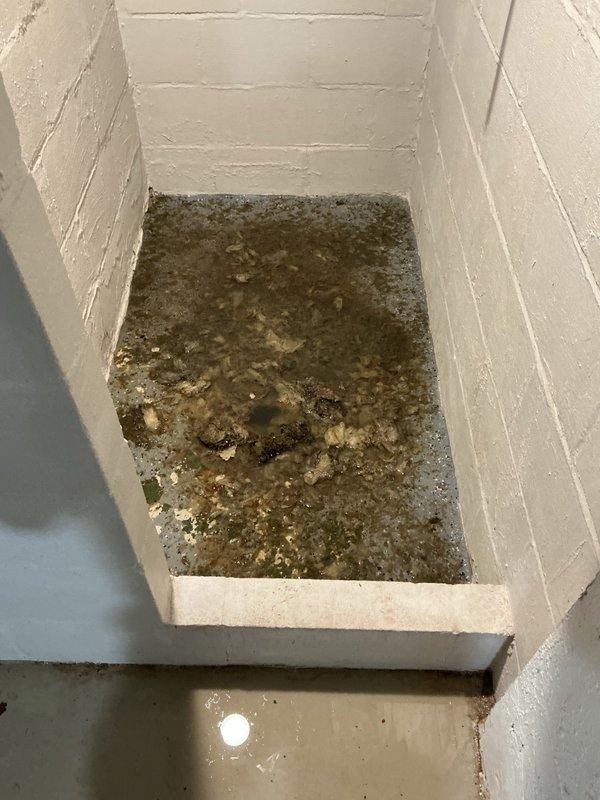
Responded to a return service call for a recurring sewer backup affecting the basement toilet. Located blockage at 32-40 feet in the line at a 90-degree fitting, consistent with previous service visit. Cleared obstruction caused by excessive toilet paper and debris accumulation. Performed camera inspection of entire sewer line to the main connection, confirming clear flow with only minor bellies present in the line. Addressed shower drain issue where accumulated hair caused water infiltration through floor into basement level.
Eau Claire, WI 54703
Derrick D.
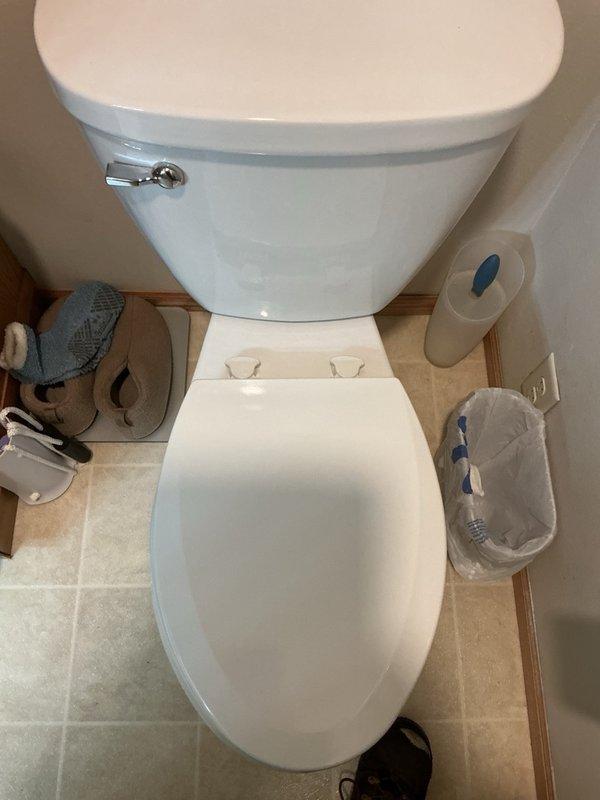
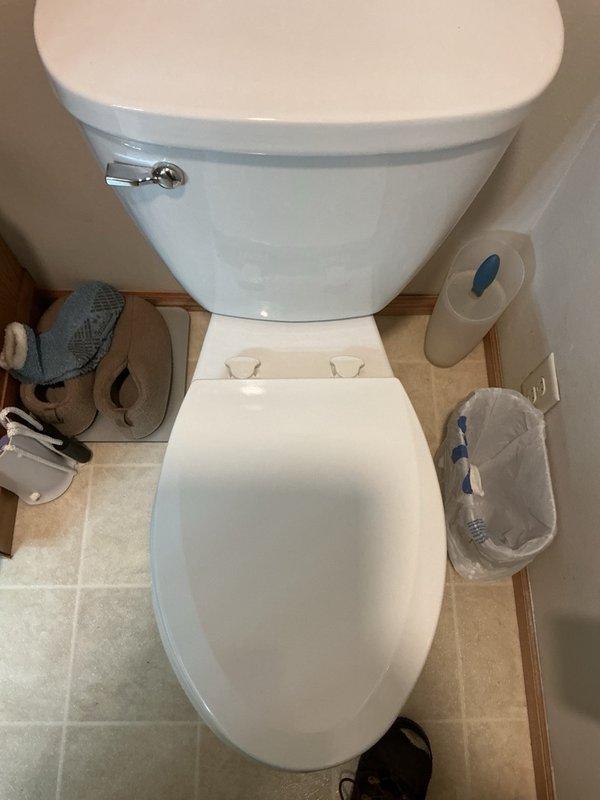
Responded to complaint of toilet seat repeatedly coming loose and failing to remain securely fastened. Upon inspection, determined that the existing easy-clean lock mechanism was unlocking spontaneously due to normal use and movement. Verified that mounting hardware was properly tightened to manufacturer specifications. Identified defective quick-release locking mechanism as root cause of instability. Removed existing toilet seat assembly and installed new replacement seat with functional locking hardware to ensure secure, stable seating surface.
Eau Claire, WI 54701
Derrick D.
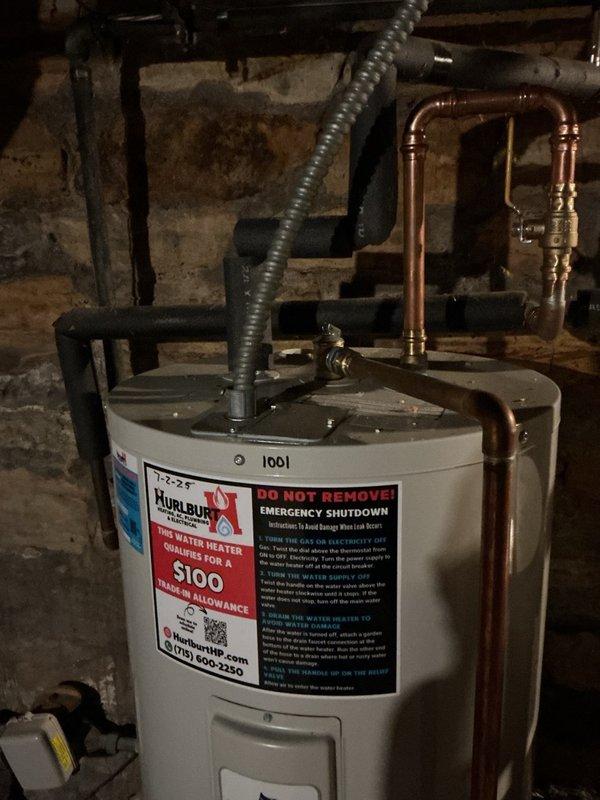
Responded to no hot water complaint on 6-year-old residential electric water heater. Upon arrival, confirmed complete loss of hot water throughout home. Inspected electrical panel and found dedicated breaker in tripped position. Attempted to reset breaker, which immediately tripped again, indicating potential electrical fault. Performed visual inspection of water heater electrical connections and wiring at junction box. Found no visible signs of damaged insulation, crossed wires, arcing, or burn marks that would indicate wiring issues at the unit itself. Due to persistent breaker trip with no apparent fault at the water heater, diagnosed issue as likely electrical problem in circuit wiring or panel. Referred customer to licensed electrician for further diagnosis and repair of electrical circuit before water heater service can continue.
Eau Claire, WI 54701
Caleb S.
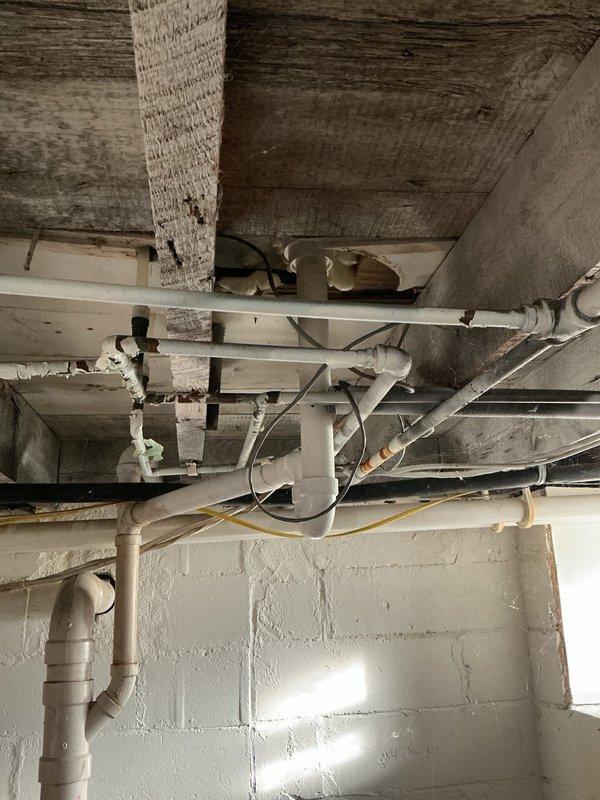
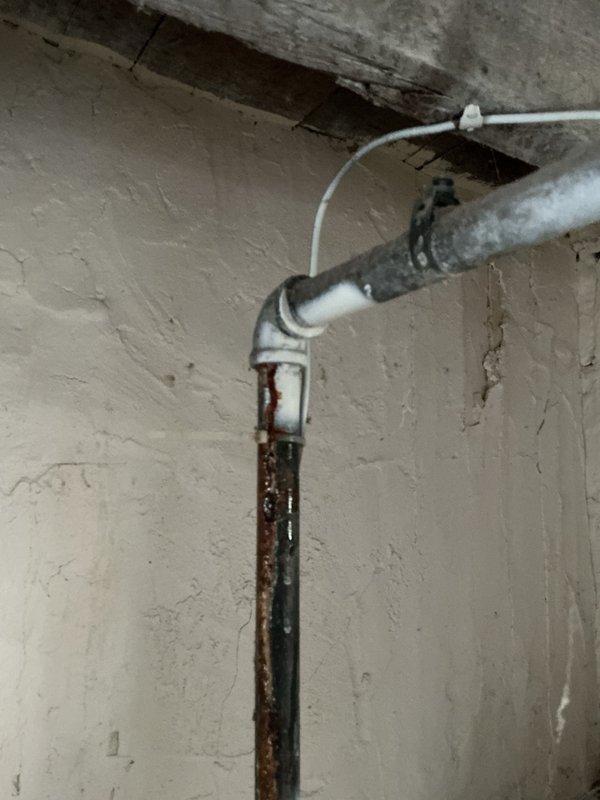
Responded to recurring toilet clog issue at group home facility. Thoroughly inspected toilet operation and downstream PVC drainage system, finding no mechanical defects or blockages in the fixture or drain lines. Toilet demonstrated proper flush function and water flow. Based on facility usage patterns, determined recurring clogs likely caused by excessive disposal of wipes or similar non-flushable materials in the drainage system. During inspection, identified multiple active leaks in existing galvanized water supply piping throughout the basement area, with visible corrosion and deterioration present on vertical and horizontal pipe runs. Documented condition of aging galvanized plumbing infrastructure with photographic evidence showing rust, corrosion, and pipe degradation. Advised property management of findings and recommended full water supply repipe to address failing galvanized lines and prevent future water damage. Verified toilet functionality and confirmed drainage system int
Eau Claire, WI 54703

Colten C.
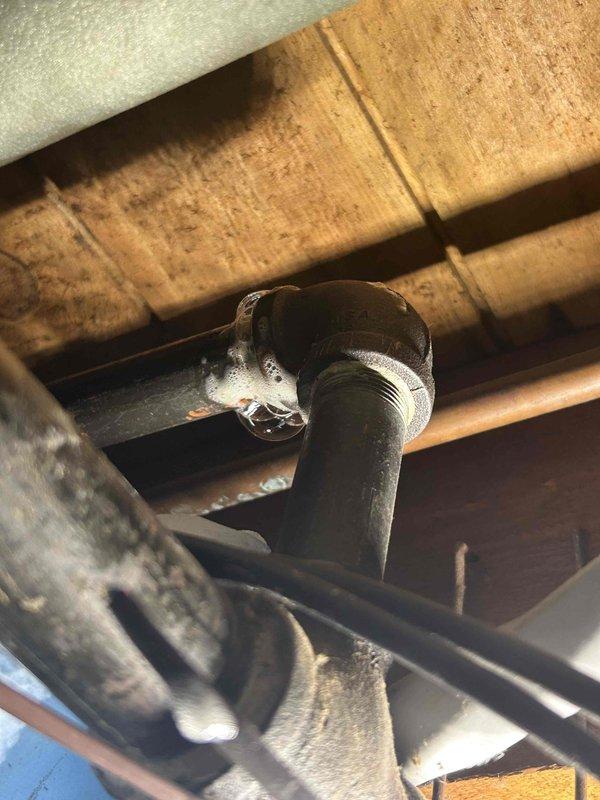
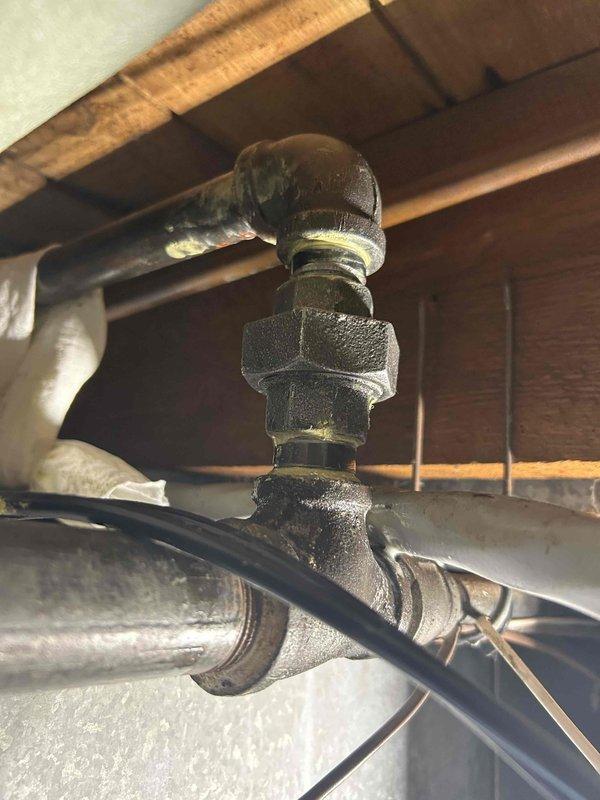
Responded to gas leak identified during home efficiency testing. Located active leak at three-quarter inch 90-degree elbow fitting on gas line supplying garage and dryer above furnace area. Due to configuration and accessibility constraints, determined optimal repair method was to cut existing nipple and re-thread pipe with union connection rather than disassembling entire gas line assembly. Obtained homeowner approval and proceeded with repair. Cut affected nipple, re-threaded pipe, and installed union fitting. Performed comprehensive leak check on repaired connection and surrounding gas line components. Confirmed all connections holding properly with no detectable leaks. System restored to safe operating condition.
Eau Claire, WI 54701
Shawn G.
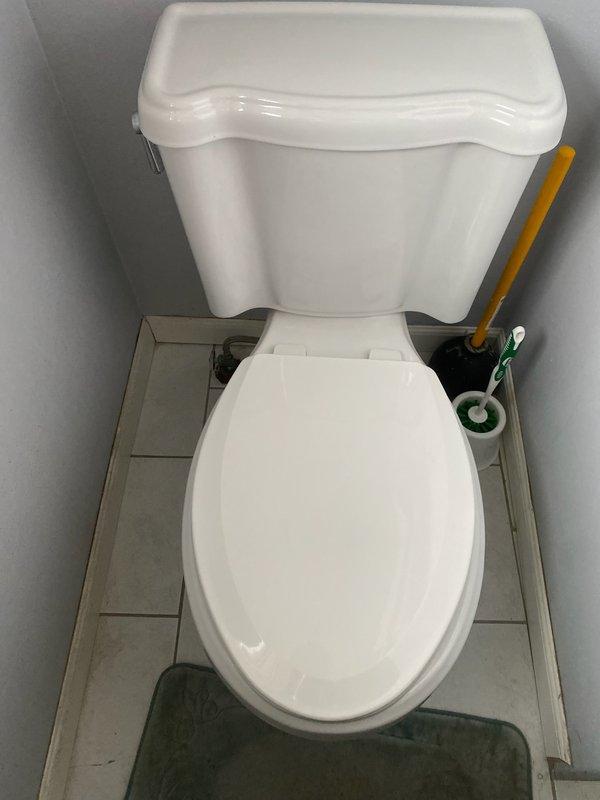
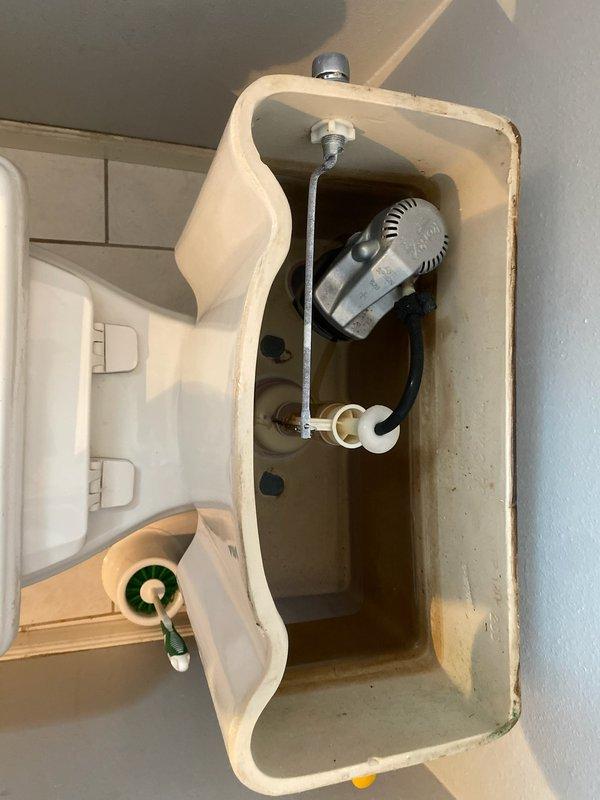
Responded to service call for continuously running toilet. Upon inspection, identified extensive calcium buildup and mineral deposits throughout the internal tank components, affecting the fill valve and flapper mechanism. The existing toilet was an older generic model showing significant age-related deterioration, with visible staining and corrosion inside the tank. Determined that repair was not cost-effective given the condition of the fixture. Performed complete toilet replacement, installing a new ADA-compliant toilet to meet current accessibility standards and ensure reliable long-term performance. Removed old toilet, prepared flange and mounting area, set new fixture with proper wax ring seal, secured mounting bolts, and connected water supply line. Tested flush operation and verified proper fill cycle, water level, and seal integrity with no leaks detected.
Eau Claire, WI 54701

Paul M.
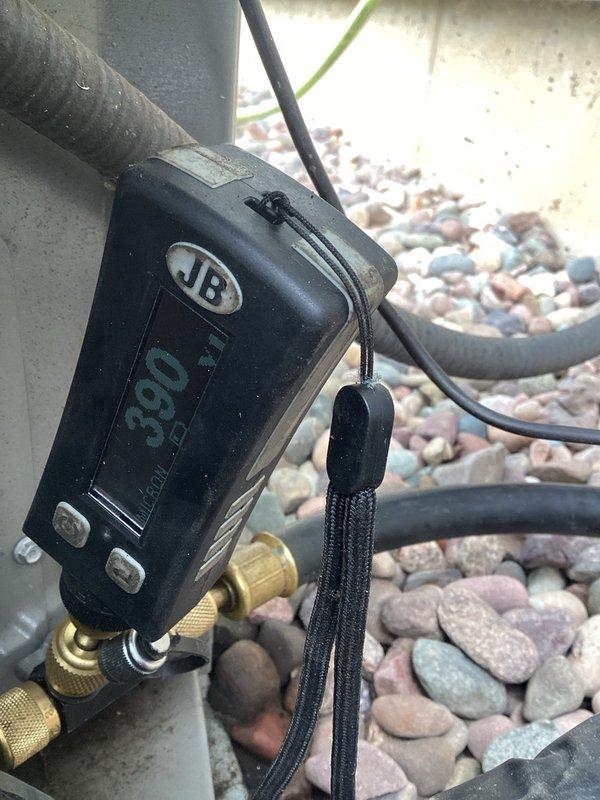
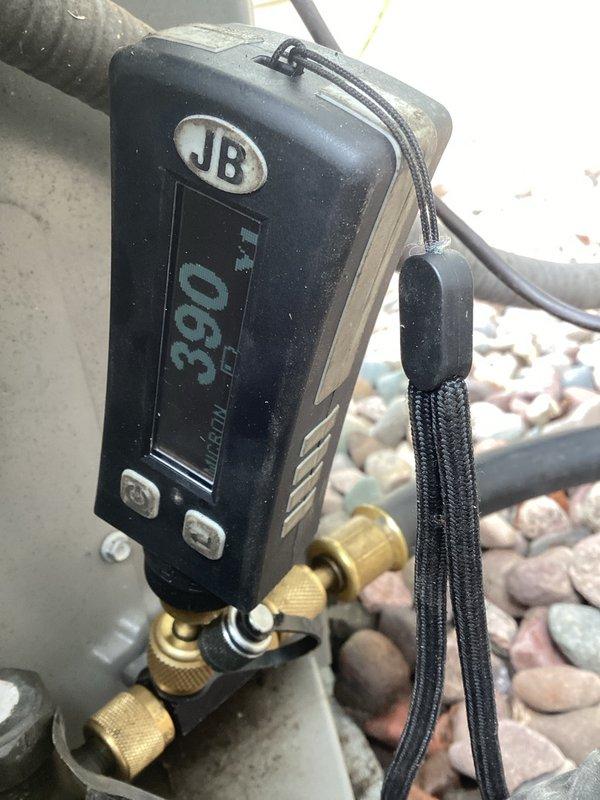
Responded to no cooling complaint and found compressor terminal blown off. Replaced failed compressor under parts warranty, ensuring proper refrigerant recovery and system evacuation prior to installation. Cleaned condenser coil thoroughly and removed oil stains from condenser unit exterior. Performed system startup, verified proper operating pressures at 390 PSI as shown on digital gauge, and confirmed adequate cooling performance. Unit restored to full operational status.
Eau Claire, WI 54703

Liam D.
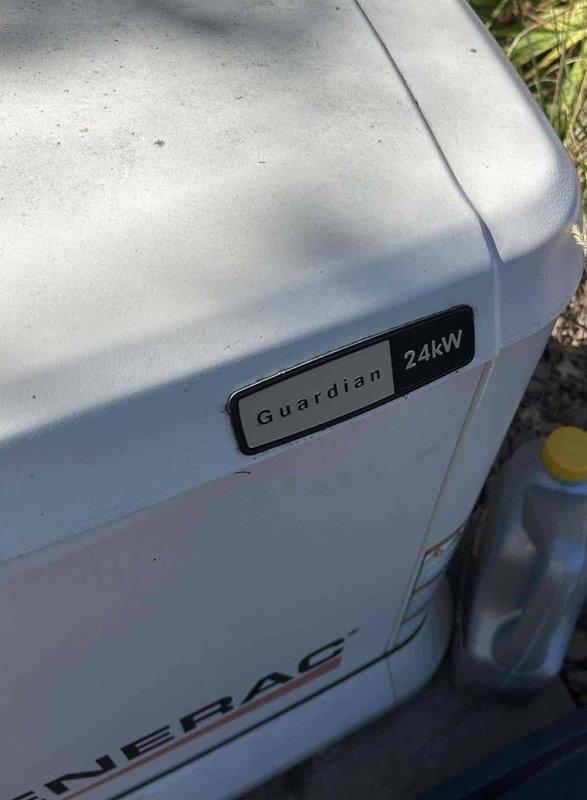
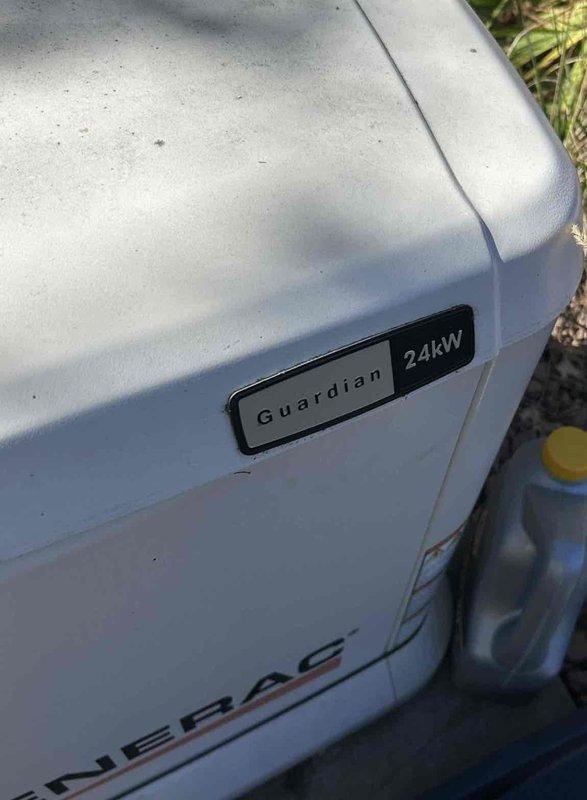
Completed repair on Guardian 24kW standby generator experiencing oil leak. Replaced both cylinder head gaskets to resolve the leak issue. Following installation, performed comprehensive system tests to verify proper operation and confirmed no further oil leakage present. Unit returned to full operational status.
Eau Claire, WI 54701
Colten C.
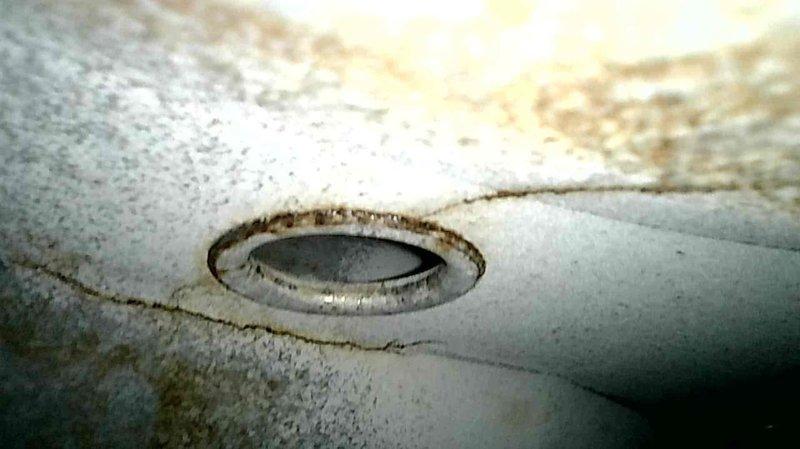
Performed furnace inspection on Val-Pak unit and discovered critical cracks around the eyelet through the limit hole on the heat exchanger, immediately tagging the equipment out of service due to safety concerns. Inspected the blower motor which exhibited rough operation on startup and recommended replacement, while noting the presence of an old brass gas valve that was left in service position. Advised homeowner not to operate the equipment due to carbon monoxide hazard and recommended research into replacement furnace options and carbon monoxide detectors.
Eau Claire, WI 54703


“Mark was very pleasant to work with! He was on time and took care of my plumbing needs efficiently and effectively. I would definitely use him again for any plumbing issues I may have. I have been using Hurlburt for all of my heating, plumbing, and electrical needs and have always been satisfied!”
Alison A.

“Great service! Professionals starting from the first person I spoke to on the phone and finalizing with the person who finished the installation and cleaned up after. Staff explained everything well. Highly recommended!!!”
Jessica F.
"Outstanding service as always! Hurlburt goes above and beyond for their customers. We got scheduled right away, and Shawn did a great job. I will continue to use these guys for everything!!!"
Nicole T.
"Our technician Mike was just awesome. Took the time to show me what he was doing and explained why he was doing it. Gave me an honest evaluation of my situation. You can’t go wrong with Hurlburt and the work ethics of the employees."
Jean C.
Trevor came to service our AC unit. Very happy with his work. Trevor was friendly and knowledgeable, and got our issue fixed quickly. Hurlburt Heating and Plumbing is a great company to work with."
Debbie L.
"Hurlburt has helped us out with both plumbing and HVAC services in the past and have always done a great job. All their technicians, especially Mark, have been kind, professional, and quick with service!"
Sara N.
©2026 Hurlburt. All Rights Reserved.
Privacy Policy | Terms and
Conditions
This site is protected by reCAPTCHA and the Google Privacy Policy and Google Terms of Service apply.
