


Heating, Cooling, Plumbing, and Electrical Contractor in Eau Claire, WI
Since 1959 Hurlburt, we make it our mission to keep your home comfortable and protected.

Highly Rated

Satisfaction Guaranteed

0% Financing

Friendly Technicians
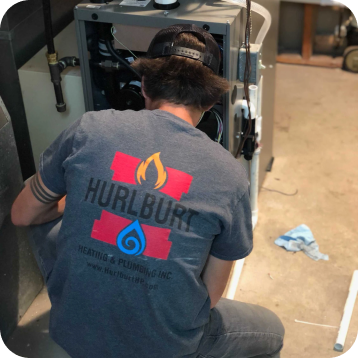
Heating Services in Eau Claire, WI
Heating calls in Eau Claire come with a wide mix of systems because the city has homes from nearly every era. Older neighborhoods like East Hill and Third Ward still have boiler systems, radiant heat, and homes that were never originally designed for central air. Meanwhile, many mid-century homes throughout Eau Claire still rely on aging forced-air furnaces that struggle to keep up during long Wisconsin winters.
We see a lot of airflow issues, aging heat exchangers, undersized ductwork, and systems that have simply reached the end of their lifespan. During sub-zero stretches, those problems become obvious fast.
- Heating repair
- Heating installation
- Heating replacement
- Heating maintenance
- Furnace repair and replacement
- Boiler service and upgrades
- Heat pump installation and repair
- Geothermal systems
Cooling Services in Eau Claire, WI
Eau Claire summers can get surprisingly humid, especially near the Chippewa River and lower areas around Half Moon Lake. That humidity puts extra strain on older AC systems, particularly in homes that were not originally built with central air.
We work on a lot of mid-century homes where the ductwork was designed for heating first and cooling second. That often leads to uneven temperatures, weak airflow upstairs, and systems that cannot keep up during July heat waves.
- AC repair
- AC installation
- AC replacement
- AC maintenance
- Ductless air conditioning
- Ductless AC repair
- Ductless installation and replacement
Plumbing Services in Eau Claire, WI
Plumbing problems in Eau Claire often come down to age, freezing temperatures, and older infrastructure. Homes in older parts of the city can still have aging drain lines, outdated water piping, or plumbing systems that have been patched together over several decades.
During Wisconsin winters, frozen pipes and sump pump failures become common calls, especially during freeze-thaw cycles. We also see a steady demand for water softeners and water filtration systems throughout the Eau Claire area.
- Plumbing repair
- Plumbing installation
- Water heaters
- Leak and pipe repair
- Toilet and faucet repair
- Sump pumps
- Water softeners
- Outdoor faucets
- Water filtration systems
- Gas line repair
Older Eau Claire homes often have tight mechanical spaces and aging plumbing layouts that require experience to service properly.
If you are dealing with leaks, drain backups, or sump pump problems, we can help, call (715) 227-4145 today or connect with Hurlburt online to schedule service.
Electrical Services in Eau Claire, WI
Electrical systems across Eau Claire vary just as much as the housing stock itself. Some older homes still operate on outdated panels that were never designed for modern electrical demand. We regularly see overloaded circuits, insufficient panel capacity, and aging wiring in homes built before the 1970s.
At the same time, newer neighborhoods are adding EV chargers, smart home systems, generators, and additional electrical loads that require upgraded infrastructure.
- Electrical repair
- Whole-home generators
- Electrical installation and wiring
- Switches, outlets, and ceiling fans
- Panel replacement and repair
- EV chargers
- Smart home installation
Indoor Air Quality Services in Eau Claire, WI
The dry winters and humid summers in Eau Claire create year-round indoor air quality challenges. During the winter, many homes become extremely dry once the furnace runs constantly. In the summer, excess humidity can leave the house feeling sticky even when the AC is operating.
A lot of homeowners also deal with dust buildup, pet dander, and poor airflow, especially in older homes with aging duct systems.
The right humidity and filtration setup can make a noticeable difference throughout the year. Call (715) 227-4145 today or connect with Hurlburt online to improve your comfort.

Why Eau Claire Homeowners Continue to Call Hurlburt
We are already working throughout Eau Claire every single day. This is not a secondary service market for us. It is where our company has operated for generations.
- Serving Eau Claire for more than 67 years
- Around 15 service and installation vehicles on the road daily
- Roughly 300 service calls every week in the area
- Heating and Cooling service available seven days a week
- No after-hours fees for A/C or Heating service and maintenance calls
- Full support for heating, cooling, plumbing, electrical, and air quality
You have likely seen us at the Chippewa Valley Home Show, sponsoring the Fairfax Pool or Hobbs Ice Arena, or on WEAU 13 News during the Morning Connection segments where we share seasonal homeowner tips.
Recent Jobs and Reviews in Eau Claire, WI
Eau Claire, WI at a glance
Hurlburt Heating & Plumbing has completed 20 jobs in Eau Claire, WI in August 2026.
The most recent job was on August 5, 2026.
Hurlburt Heating & Plumbing has completed 3,576 jobs in Eau Claire, WI in the last 12 months. The first job there was in October 2015.
Job Locations and Reviews
Logan P.
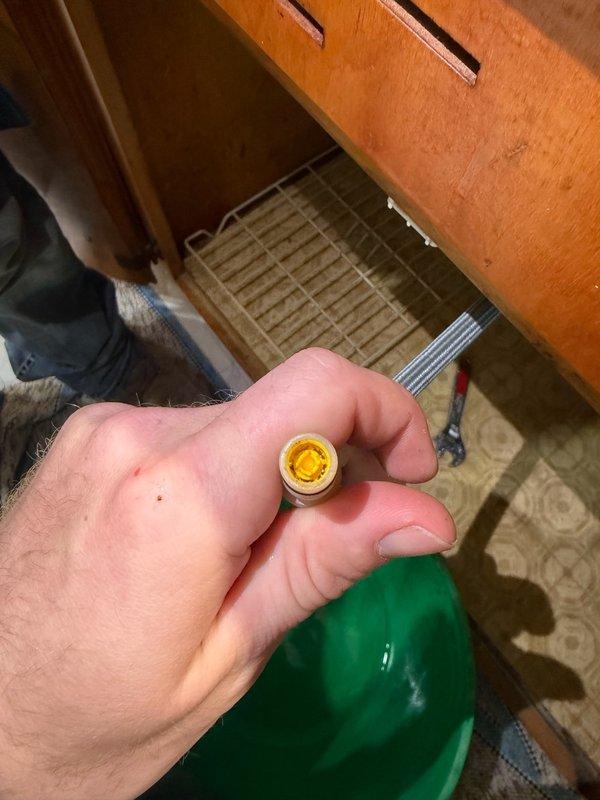
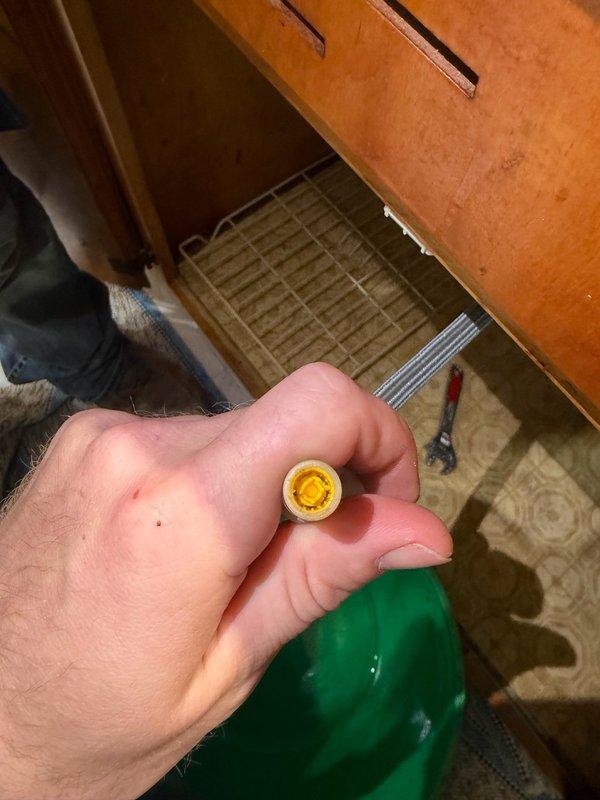
Responded to service call for kitchen sink faucet with low water pressure and slow stream. Upon inspection, identified sediment buildup in the aerator filter of the pull-down sprayer assembly. Removed, cleaned, and cleared the filter screen of debris, restoring full water pressure and flow to the faucet.
Eau Claire, WI 54701

Hunter A.
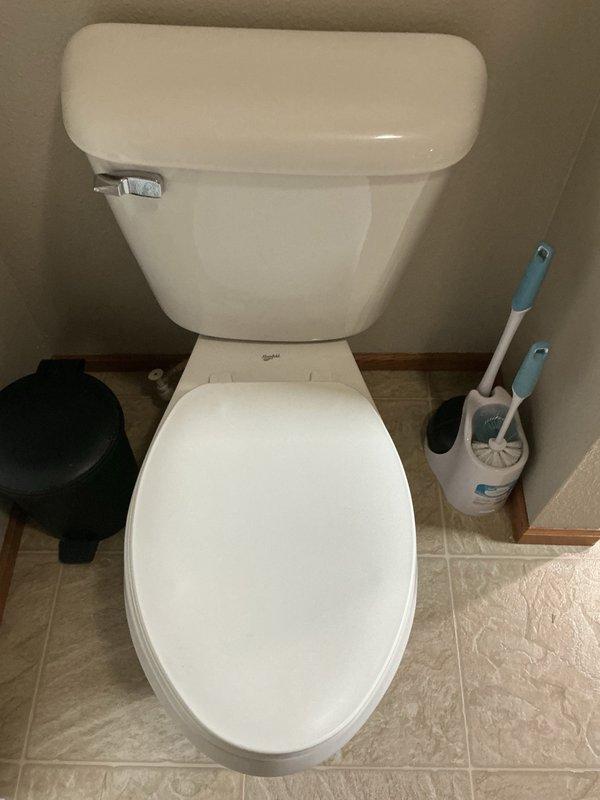
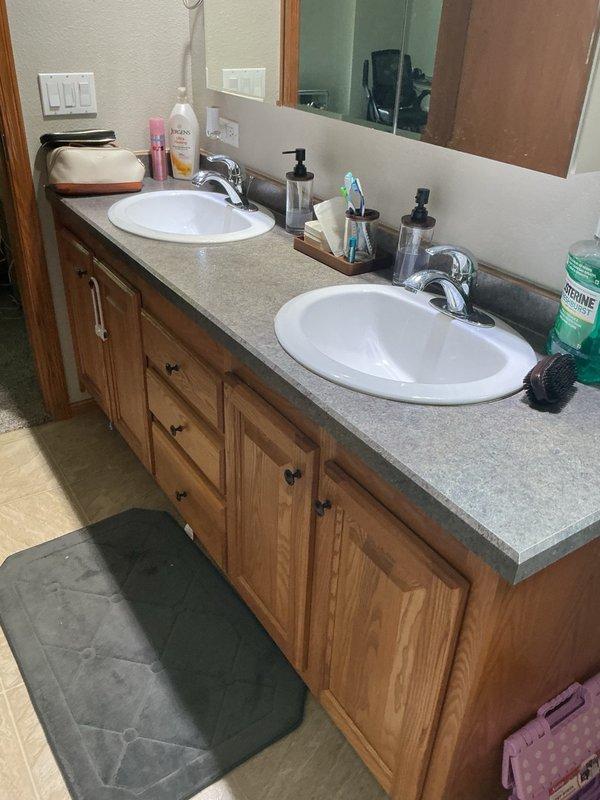
Responded to a leaking toilet in the master bathroom. Upon inspection, identified a faulty fill valve leaking from the top of the tank, causing water to run down the side and pool on the floor beneath the toilet. Removed the defective fill valve and installed a new replacement unit, restoring proper operation and eliminating the leak. Customer also reported a slight rotten egg odor in the water supply; advised that the well had been previously shocked and a filtration system installed, and recommended potential water testing and additional well treatment if the odor persists.
Eau Claire, WI 54703

David B.
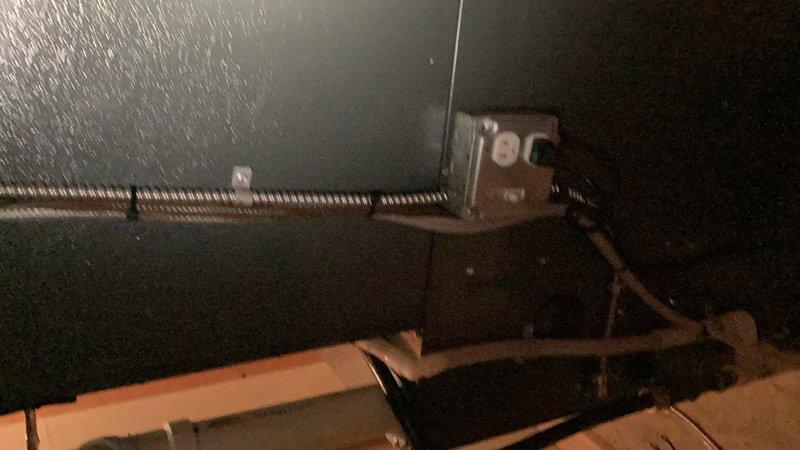
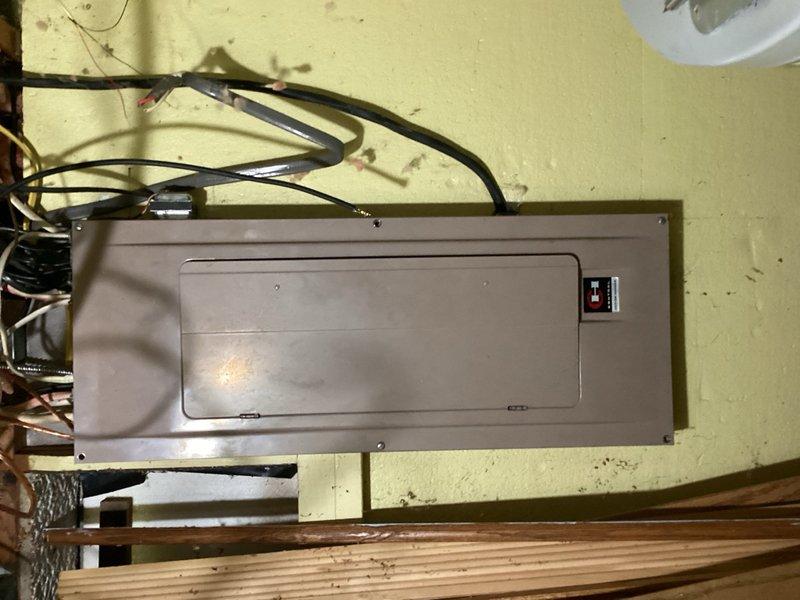
Responded to install callback to address high voltage wiring issue where furnace circuit lacked proper ground wire. Ran new MC cable with ground from electrical panel to furnace to meet code requirements. Additionally corrected protruding drive cleats on ductwork and cleaned up drives on return drop per homeowner request. All work completed and system verified operational.
Eau Claire, WI 54701

Doug T.
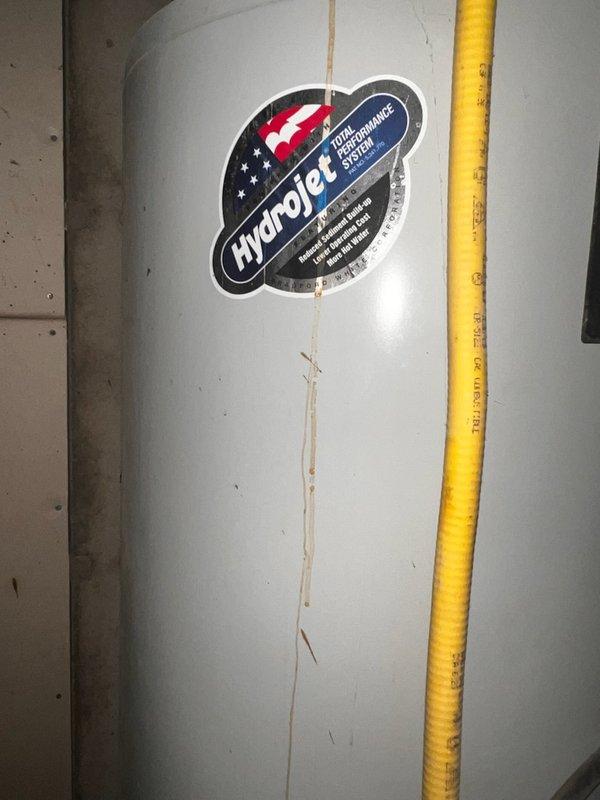
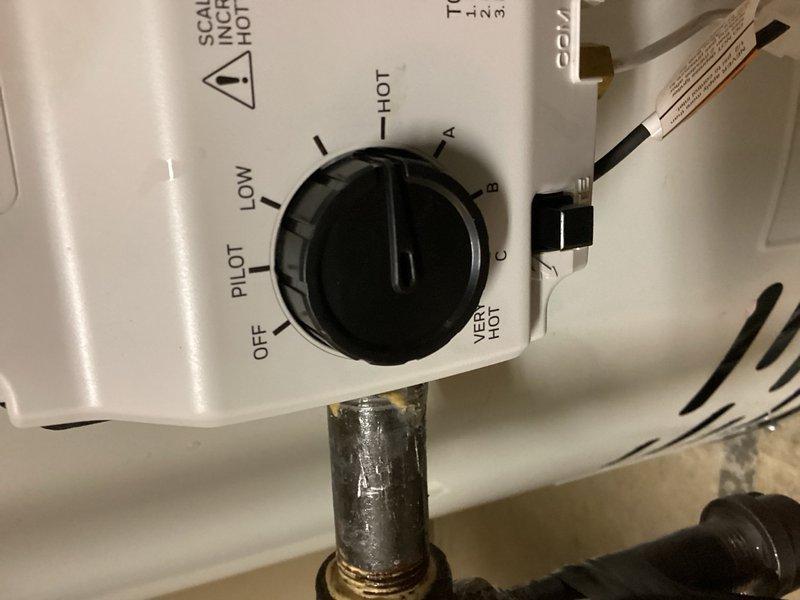
Responded to no hot water complaint and diagnosed 20-year-old gas water heater with failed gas valve stuck in closed position, preventing burner ignition. Removed and disposed of old unit, then installed new 50-gallon standard vent gas water heater with Hydrojet High Performance Energy Saver System, including new flexible gas line connection and proper venting. Tested unit operation, verified pilot light ignition, burner function, and temperature control settings to ensure proper hot water delivery.
Eau Claire, WI 54703

Liam D.
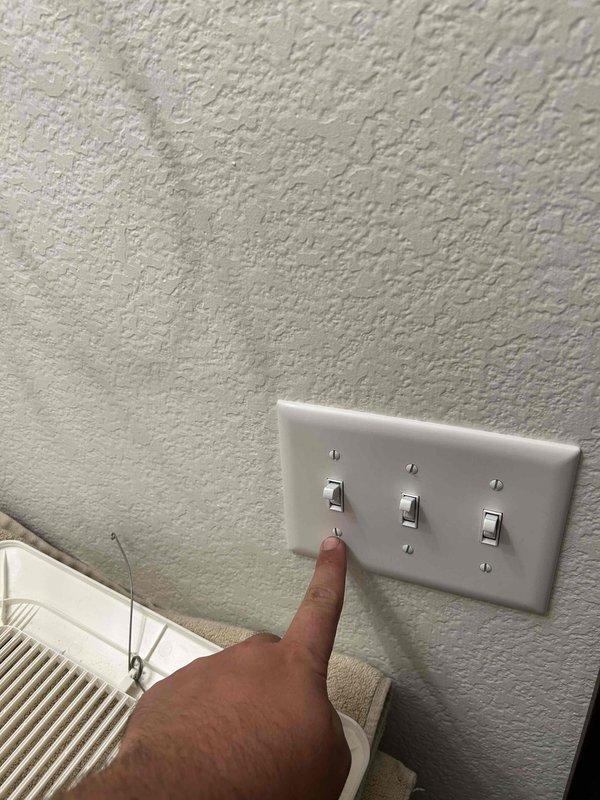
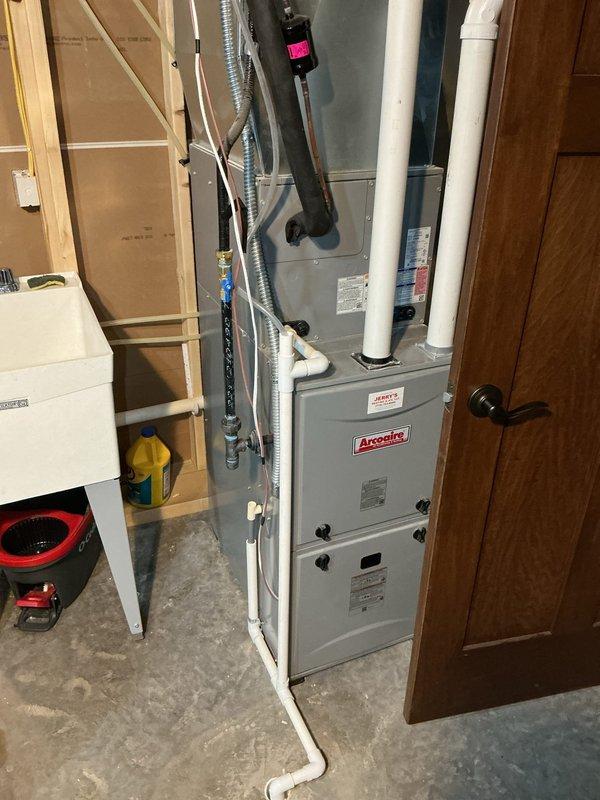
Responded to water leak complaint in lower level bathroom where clear water was dripping from exhaust fan unit. Performed diagnostic testing by running the bathroom exhaust fan independently and confirmed water immediately began dripping from the fan shroud assembly. Upon inspection of the mechanical space, identified that the issue is related to condensation or drainage from ductwork connected to the bathroom exhaust system rather than a plumbing leak, as no water supply lines were involved and testing isolated the source to the ventilation system. Documented conditions with photos showing the exhaust fan location and HVAC/ductwork configuration in the utility area. Advised customer that repair options need to be evaluated to address the moisture infiltration issue, which may involve exhaust duct insulation, proper venting termination, or fan housing seal repairs.
Eau Claire, WI 54701
Trevor P.
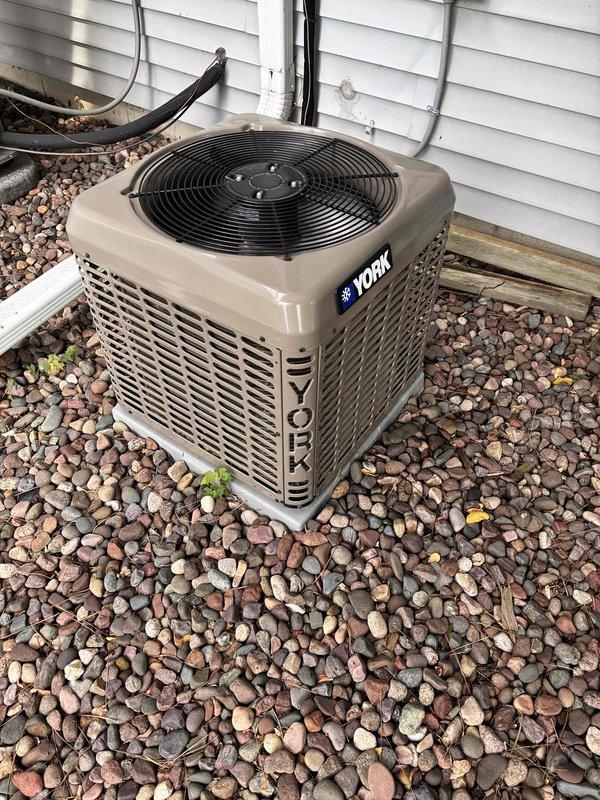
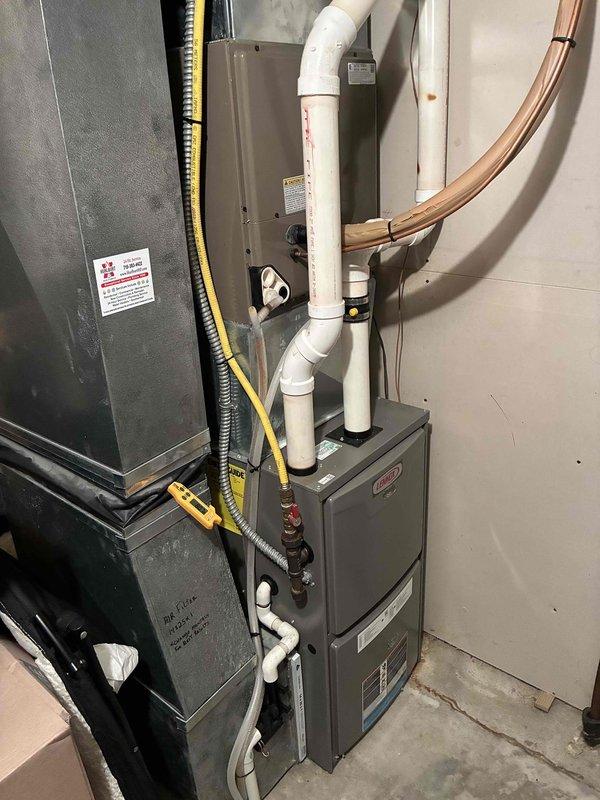
Completed preventive maintenance on York brand central air conditioning system. Performed condenser coil cleaning, verified all electrical components operating within manufacturer specifications, and confirmed system running and cooling properly. Unit tested and left in good working order.
Eau Claire, WI 54703

Shawn G.
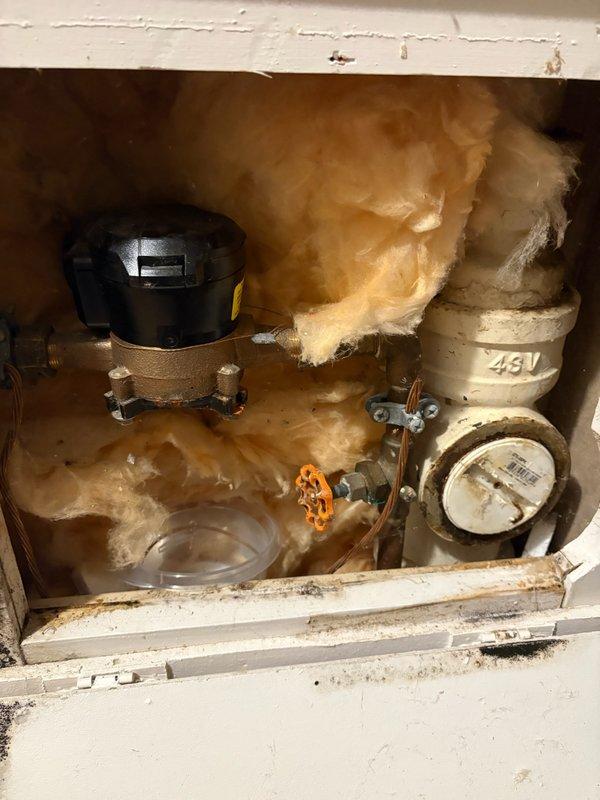
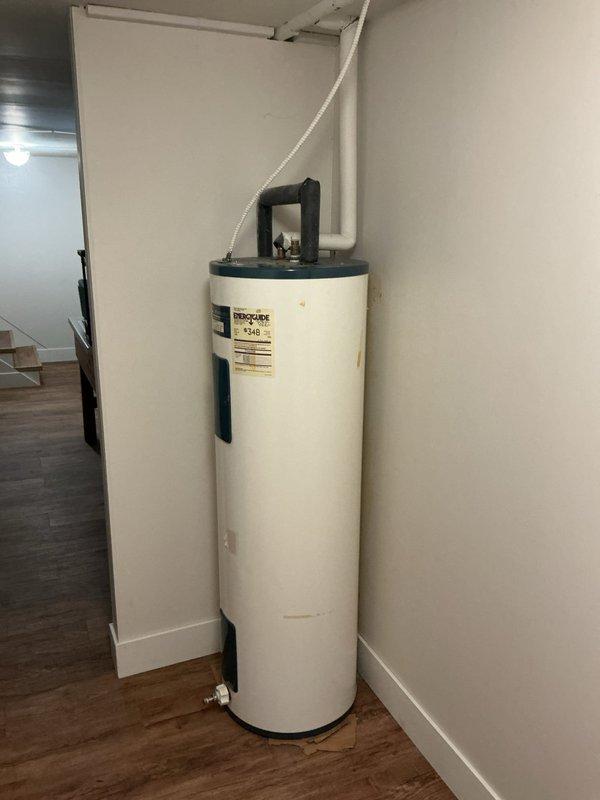
Responded to reported basement water leak initially suspected to be from sump pump. Upon inspection, identified leak originating from water meter assembly rather than sump pump system. Examined under-sink plumbing area and utility spaces including water heater location to confirm source. Advised homeowner that water meter is municipal property and responsibility, instructed them to contact city water department for repair as this falls outside homeowner plumbing system jurisdiction.
Eau Claire, WI 54703

Mike A.
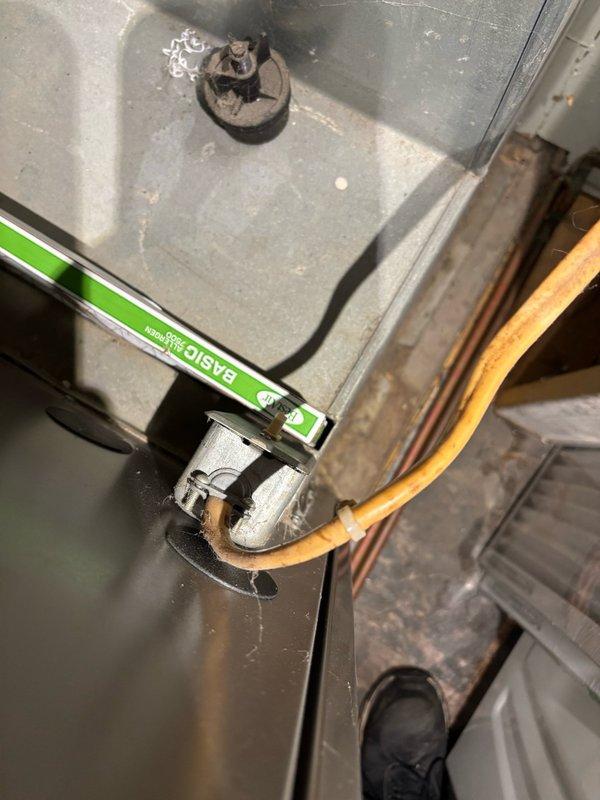
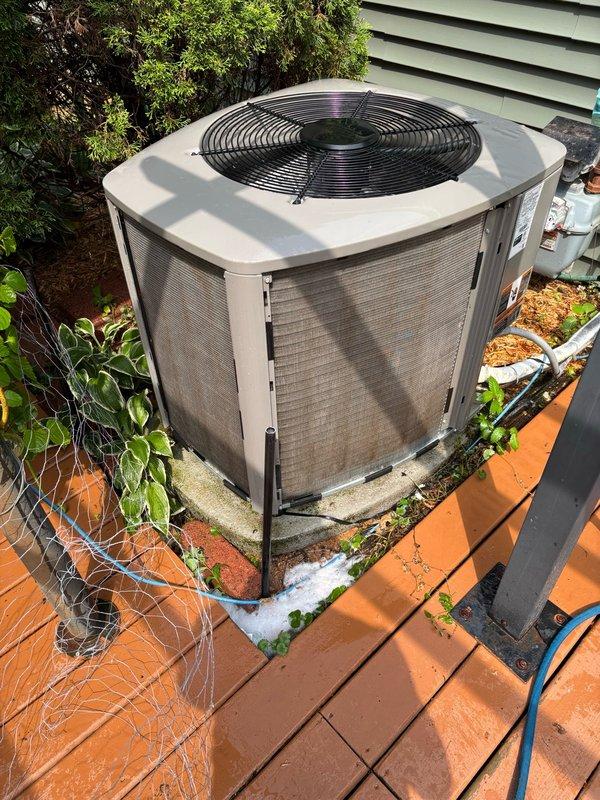
Completed preventive maintenance inspection on residential air conditioning system. Cleaned heavily debris-clogged condenser coil, inspected capacitor and contactor for proper operation, and checked condensate drain system. Identified incorrect air filter size currently installed—16-inch filter tested but determined too small for application. Documented problematic power switch placement directly above filter slot, which requires repeated power cycling during routine filter changes. Submitted work order request to relocate power switch away from filter access area to improve serviceability and prevent accidental system shutdowns during maintenance.
Eau Claire, WI 54703
Trevor P.
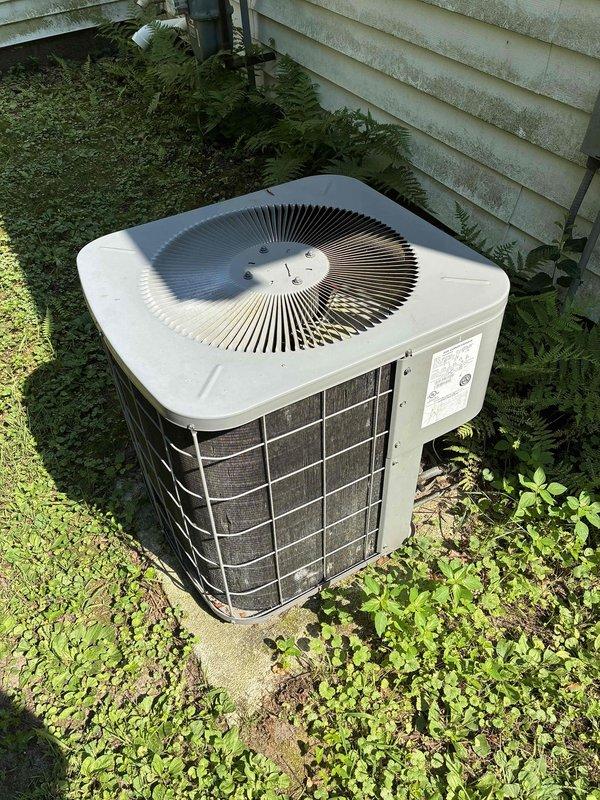
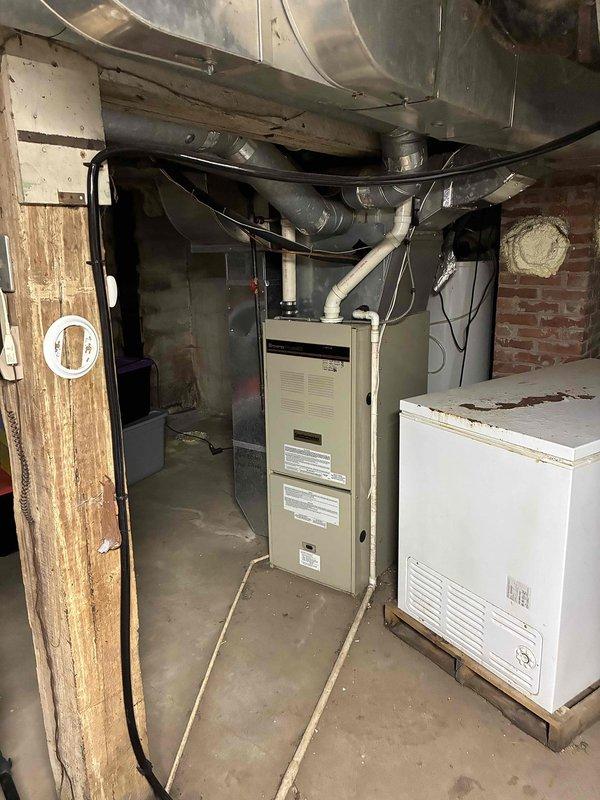
Replaced previously diagnosed capacitor on residential HVAC system using parts from van stock. Verified proper operation of both indoor and outdoor units, connected gauges to confirm refrigerant pressures were within acceptable range, and ensured all system components were functioning correctly upon completion.
Eau Claire, WI 54703
Doug T.
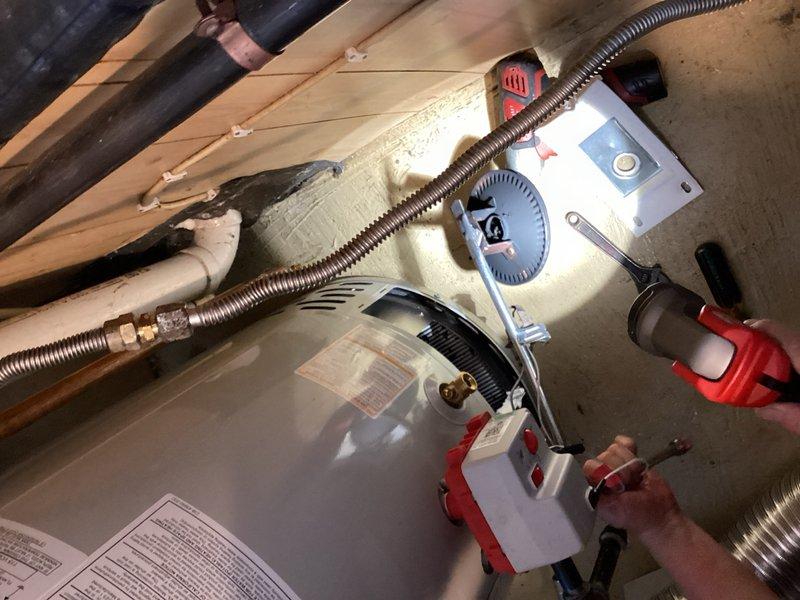
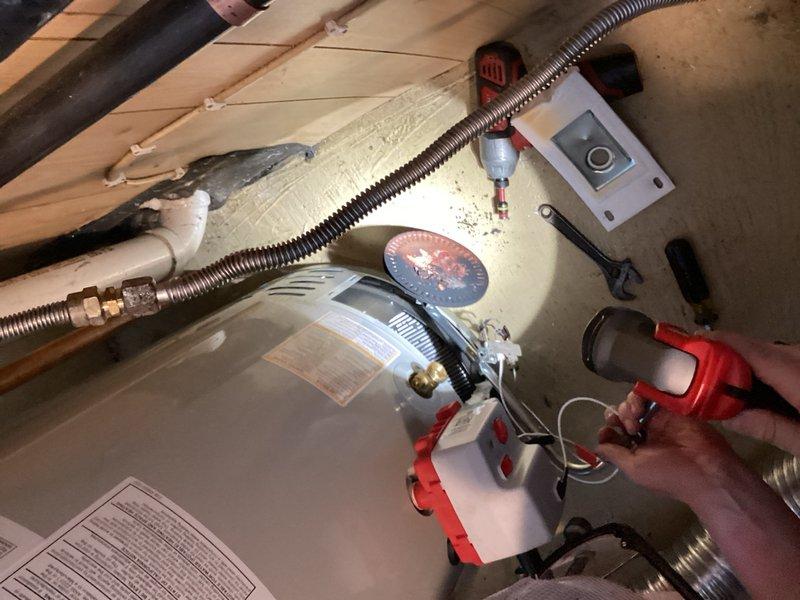
Responded to service call for pilot light relight following propane tank refill. Successfully relit both furnace and tanked water heater units. Upon inspection, discovered excessive soot buildup on water heater burner assembly indicating incomplete combustion. Performed comprehensive leak detection test on all gas fittings and connections throughout system using combustible gas detector—no leaks detected. Cleaned burner plate and combustion chamber of accumulated soot and debris. Water heater continued to exhibit rolling flame pattern after cleaning, indicating ongoing combustion efficiency issues likely caused by insufficient primary air intake or compromised burner orifice. Documented conditions with photos showing equipment setup, testing procedures, and current installation configuration in attic space. Unit operational but requires further evaluation and potential burner assembly replacement to resolve improper flame characteristics and prevent continued soot accumulation.
Eau Claire, WI 54703
Liam D.
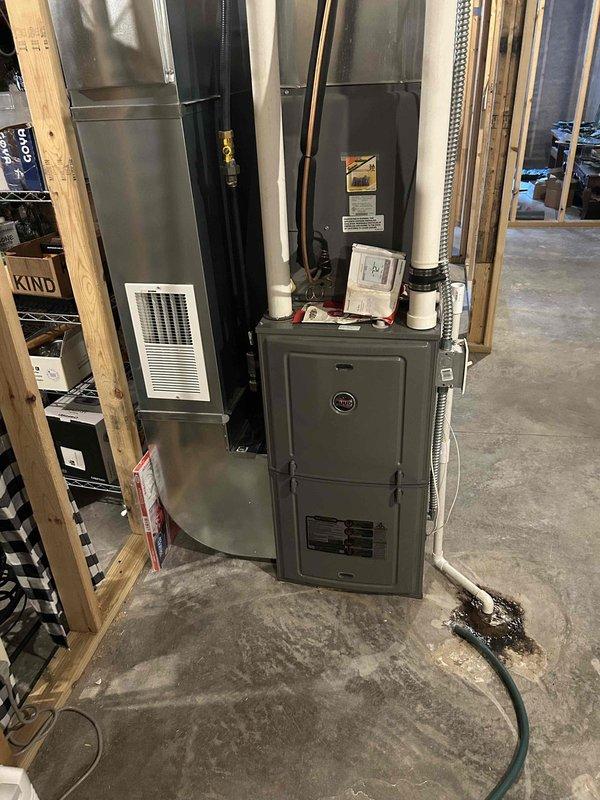
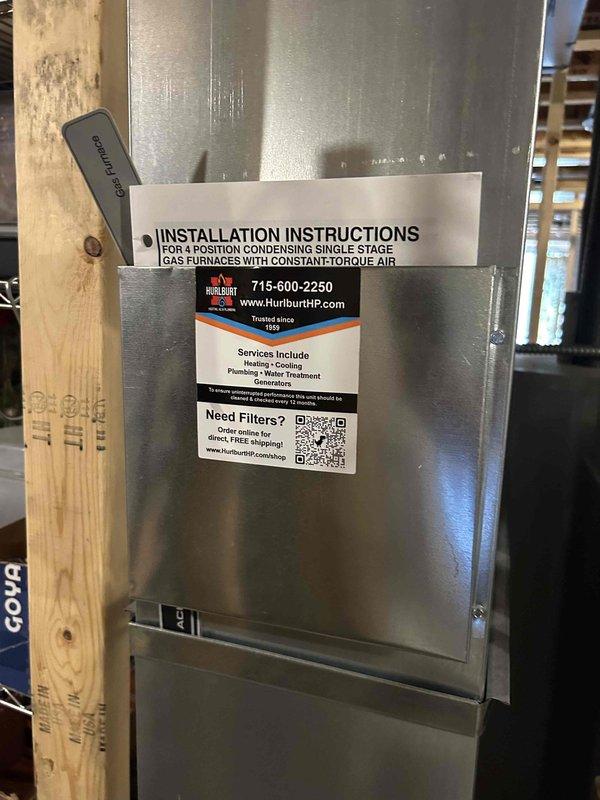
Responded to no cooling call on 9-year-old Ruud system where air conditioning would not activate from thermostat. Discovered damaged wiring in outdoor condensing unit and attempted troubleshooting by placing thermostat in test mode, which confirmed additional issues. Replaced faulty thermostat, repaired damaged wires in outdoor unit, and performed full system operational testing to verify proper cooling function restored.
Eau Claire, WI 54703

Noah S.
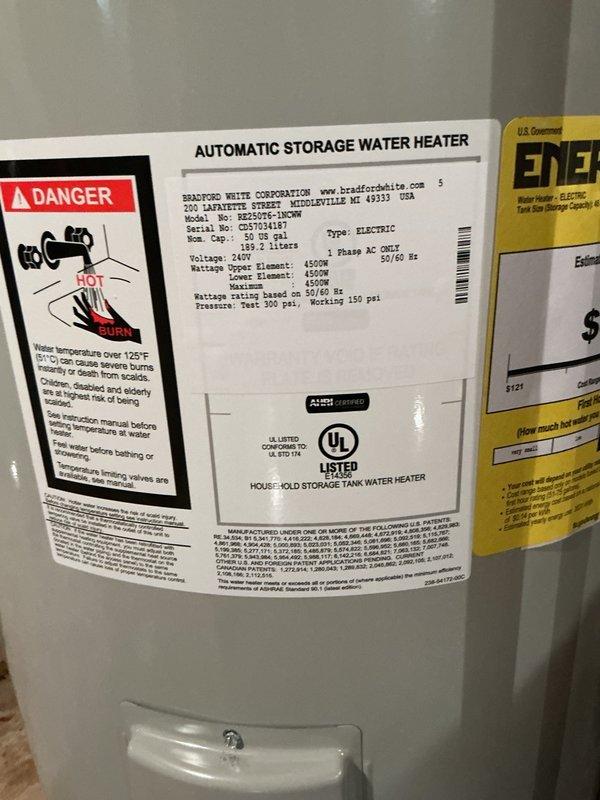
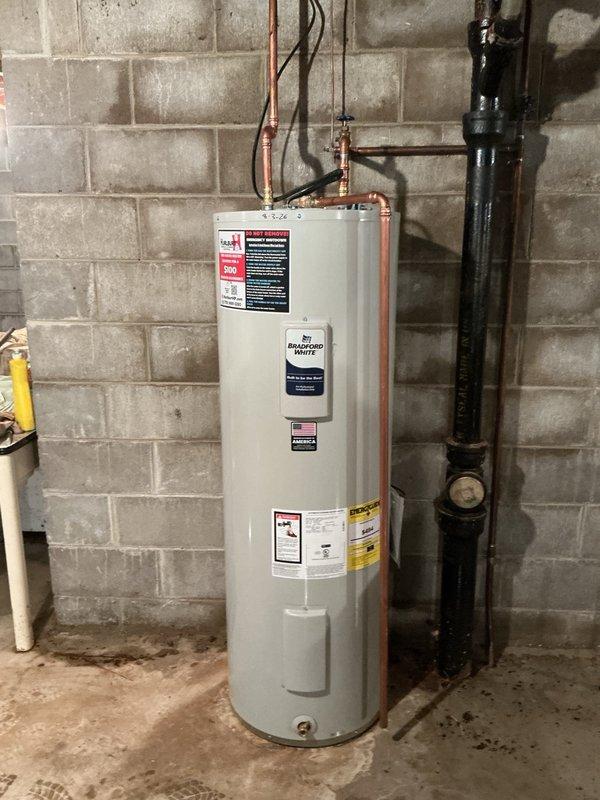
Responded to emergency call for water heater leaking from bottom and flooding basement. Upon arrival, found original unit installed in 1968, approximately 60 years old, actively leaking and causing water damage to basement floor. Assessed that tank had reached end of service life with catastrophic failure at base of unit. Shut off water supply and electrical power to failed water heater. Drained remaining water from old tank and disconnected all plumbing connections including cold water inlet and hot water outlet copper lines. Disconnected electrical wiring at junction box. Removed failed 50-gallon electric water heater from basement utility area and prepared installation site. Installed new Bradford White 50-gallon electric water heater in same location against concrete block wall. Unit specifications include 240V operation with dual 4500W heating elements (upper and lower). Connected copper supply lines to top of new tank, ensuring proper hot and cold water line orientation. Recon
Eau Claire, WI 54701
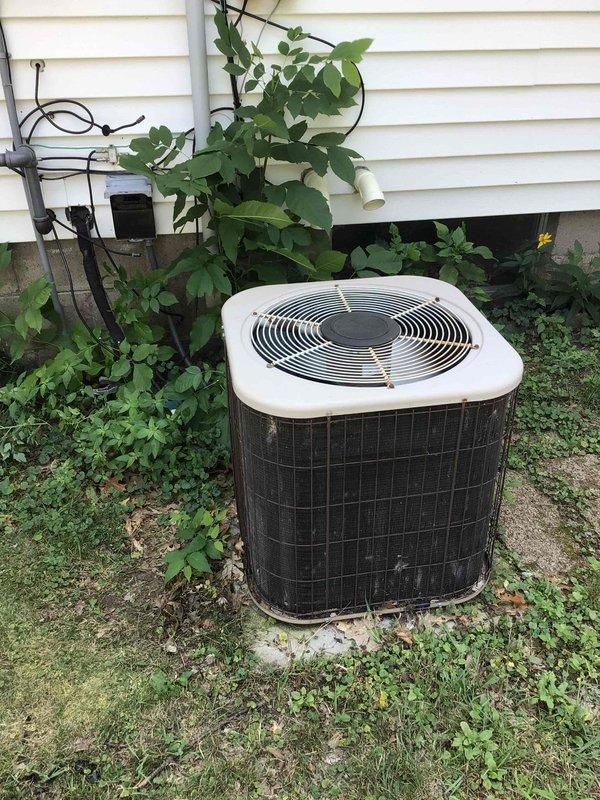

Beca R.
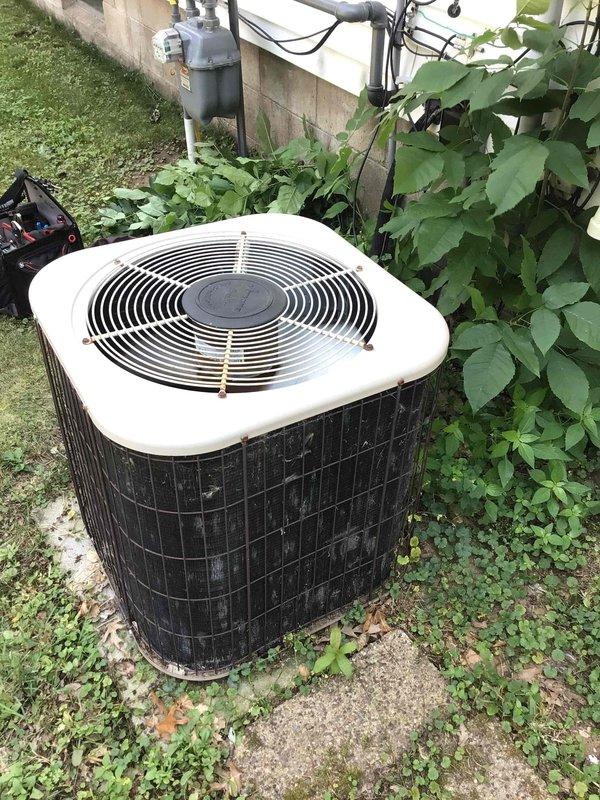
Responded to no cooling complaint on 15-year-old residential air conditioning system. Upon arrival, found outdoor condenser fan motor operating but compressor not running. Performed diagnostic testing on dual run capacitor and determined hermetic (compressor) side had failed with zero microfarad reading. Replaced failed capacitor with new unit to manufacturer specifications. Cycled system through complete operation and verified both condenser fan motor and compressor engaging properly. System restored to normal cooling operation.
Eau Claire, WI 54703
Mike A.
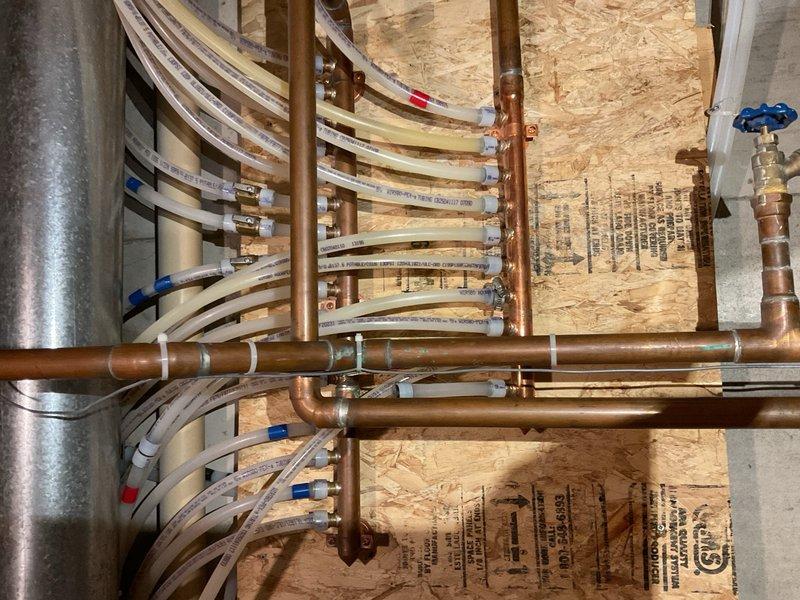
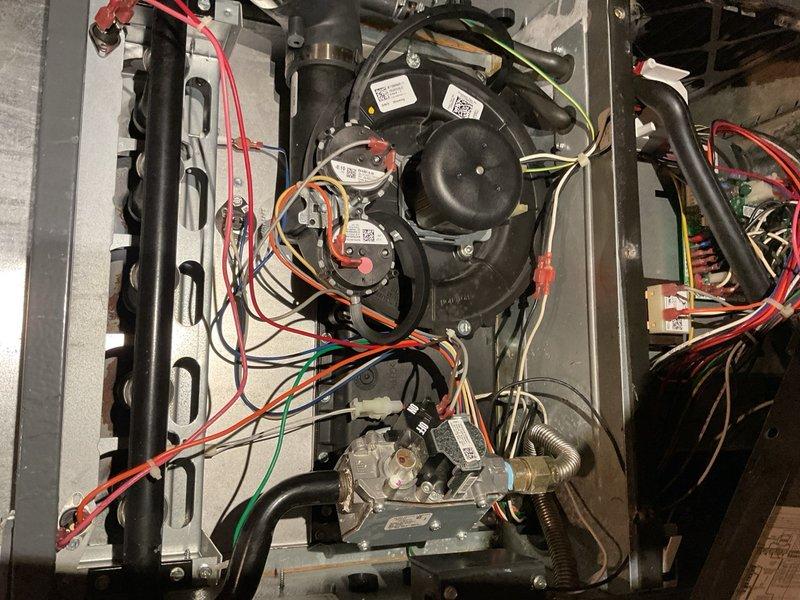
Performed comprehensive A/C maintenance evaluation on a 2004 home with original Nordyne air conditioning unit and 2020 Goodman single-stage 100,000 BTU furnace with ECM blower serving a two-zone system. Inspection revealed system in poor overall condition with multiple critical issues requiring immediate attention. Discovered active condensate leak from evaporator coil running down the back of the furnace. Upon removal of evaporator front cover, found delta plate and drain pan area visibly rusted through, indicating prolonged moisture exposure and structural deterioration. Conducted thorough furnace safety inspection which identified heat exchanger overheating at the back header, a serious safety concern. Noted improper equipment matching between single-stage furnace and two-zone system configuration, creating operational inefficiency and accelerated equipment wear. This mismatch poses ongoing concerns for long-term reliability and safe operation of the heating system. Documented al
Eau Claire, WI 54701
Mike A.
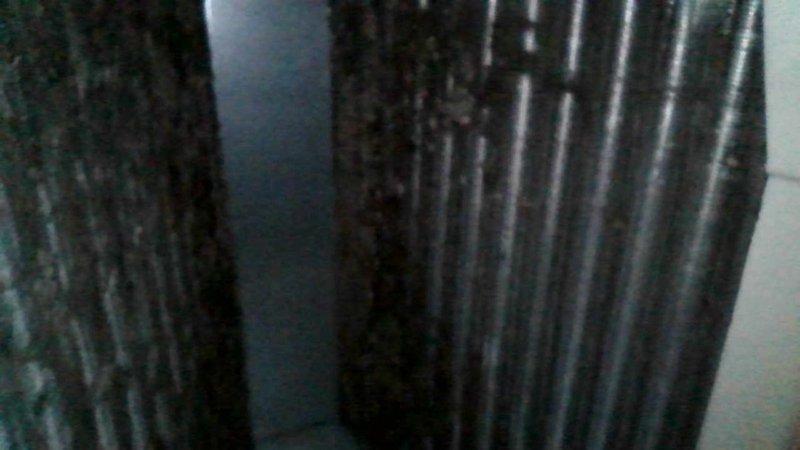
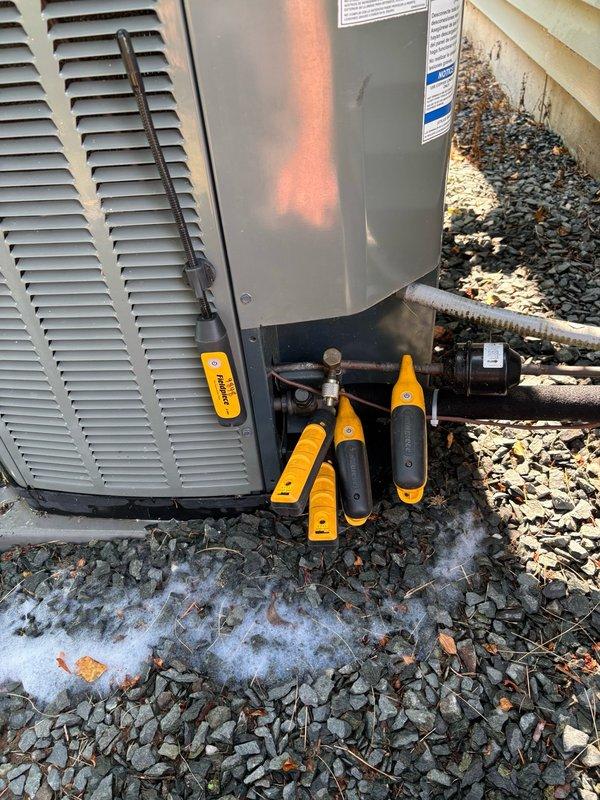
Completed maintenance agreement inspection on a split system consisting of a 2006 Guardian furnace and 2016 Trane air conditioning unit equipped with a TXV metering device. Performed comprehensive system diagnostics including refrigerant charge verification, electrical component testing, and airflow assessment. Measured system subcooling at 10°F initially, which stabilized to a consistent 9–9.5°F after system equilibration, indicating proper refrigerant charge. Recorded indoor temperature split of 20°F across the evaporator coil, confirming adequate cooling performance. Tested dual run capacitor rated at 40/5 µF, which measured 39.2/4.5 µF—within acceptable ±10% tolerance and operating normally. Identified partial dust accumulation on the left side of the evaporator coil, which is restricting airflow and reducing system efficiency. This condition can lead to decreased cooling capacity and increased energy consumption if left unaddressed. Documented equipment age, particularly noting
Eau Claire, WI 54701
Logan P.
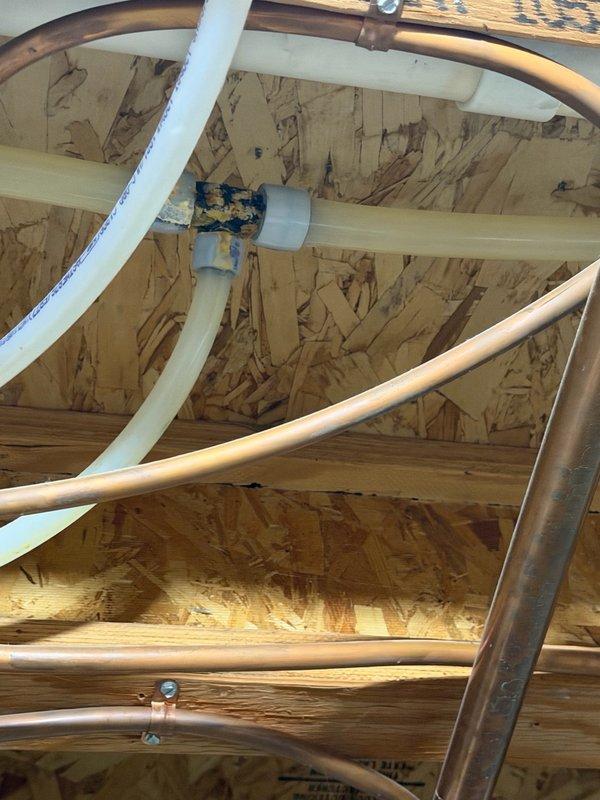
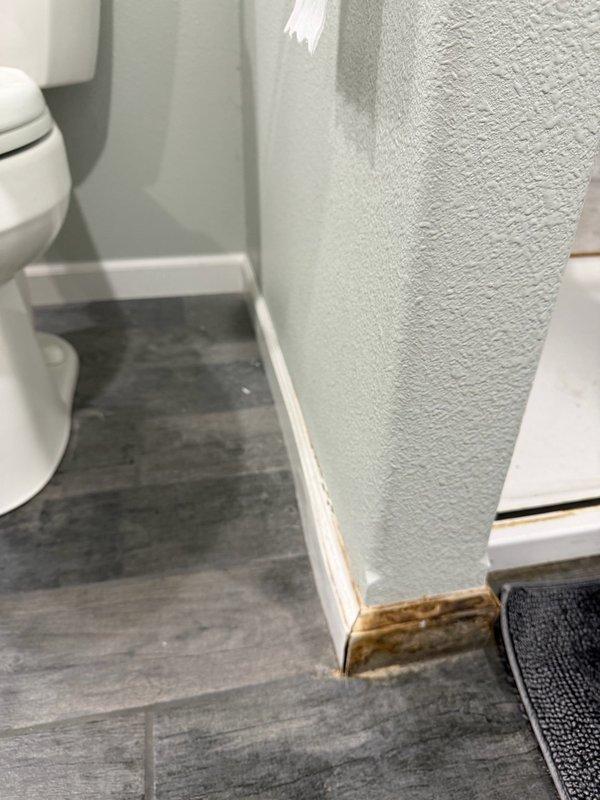
Responded to two reported basement leaks. First leak investigated in shower area where water damage was evident on siding and drywall adjacent to glass door. Removed trim plate and opened wall to inspect water lines and shower valve; no source of leak detected from plumbing components. Identified glass door positioned approximately one inch above shower pan with similar damage pattern on opposite side of door, indicating improper seal as likely cause. Recommended replacement of shower door seal to homeowner. Second leak located in mechanical room traced to failed PEX fitting. Successfully replaced faulty 3/4" x 1/2" PEX tee fitting to resolve mechanical room leak.
Eau Claire, WI 54701
Mike A.
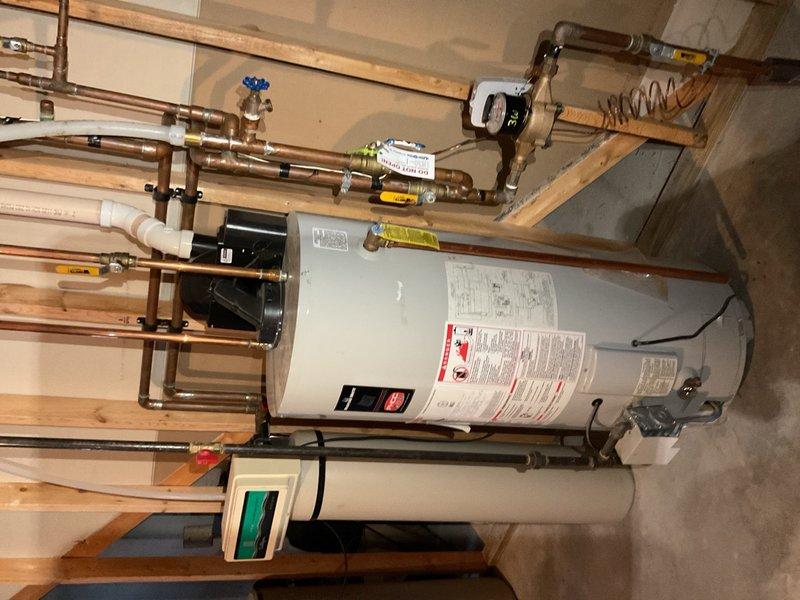
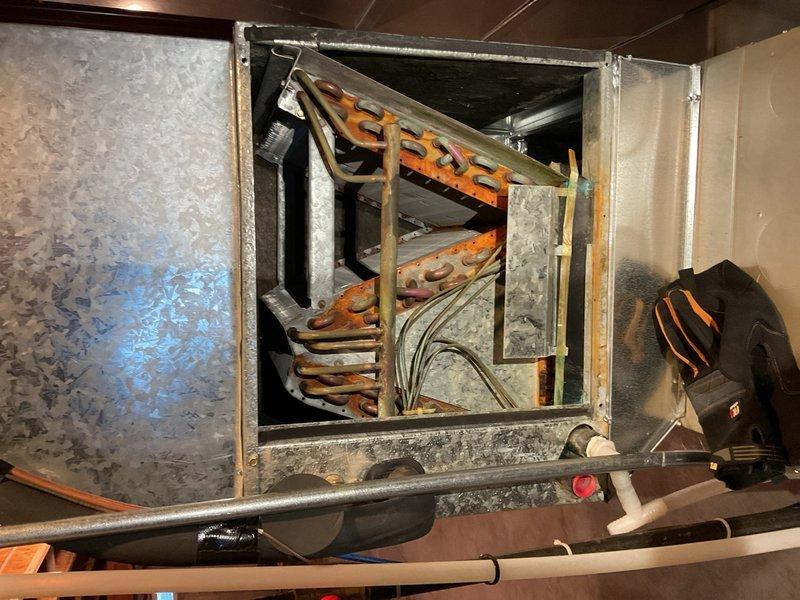
Performed AC maintenance on a 2018 Bryant furnace with a 2001 Bryant R-22 air conditioning system. Recorded operational parameters including return air dry bulb at 70.2°F, supply air at 56.5°F, outdoor dry bulb at 73°F, suction pressure at 64.7 psig, and liquid line pressure at 188 psig. After 15 minutes of runtime, indoor temperature split measured 13.7°F, indicating insufficient cooling performance and likely low refrigerant charge. Diagnostic readings suggest the R-22 system has experienced refrigerant loss, typically indicative of a leak or gradual charge depletion over time. No refrigerant service was performed as R-22 is no longer stocked due to phase-out regulations and limited availability. System remains operational but with reduced cooling capacity. Reviewed all diagnostic probe readings and performance data with homeowner, who elected to continue operating the unit as-is with plans to evaluate system replacement in spring unless complete failure occurs sooner.
Eau Claire, WI 54701
Logan P.
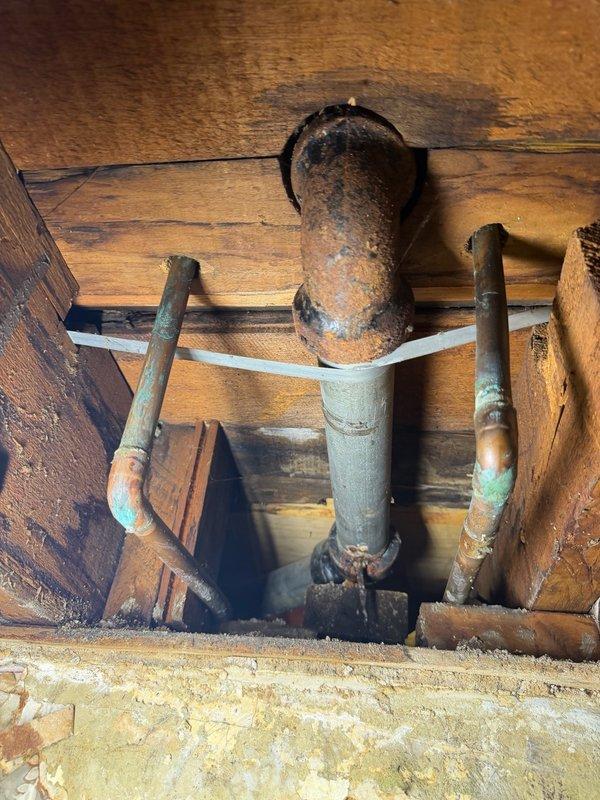
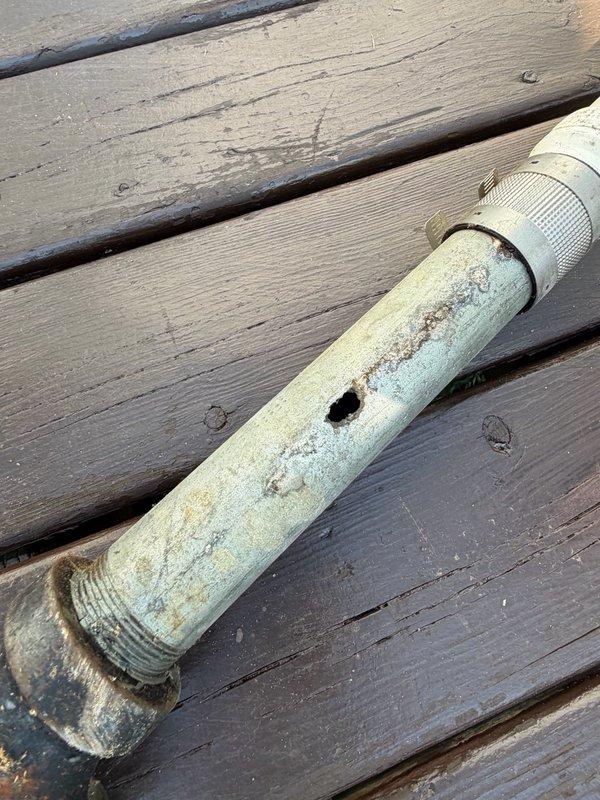
Responded to emergency water leak affecting basement ceiling and lower unit. Upon arrival, identified source as kitchen sink drain line with galvanized pipe severely corroded and pitted in two locations. Water supply was shut off to prevent further damage. Removed deteriorated section of galvanized drain pipe and replaced with new piping. Tested system for proper drainage and verified leak was fully resolved with no additional water intrusion.
Eau Claire, WI 54701
Hunter A.
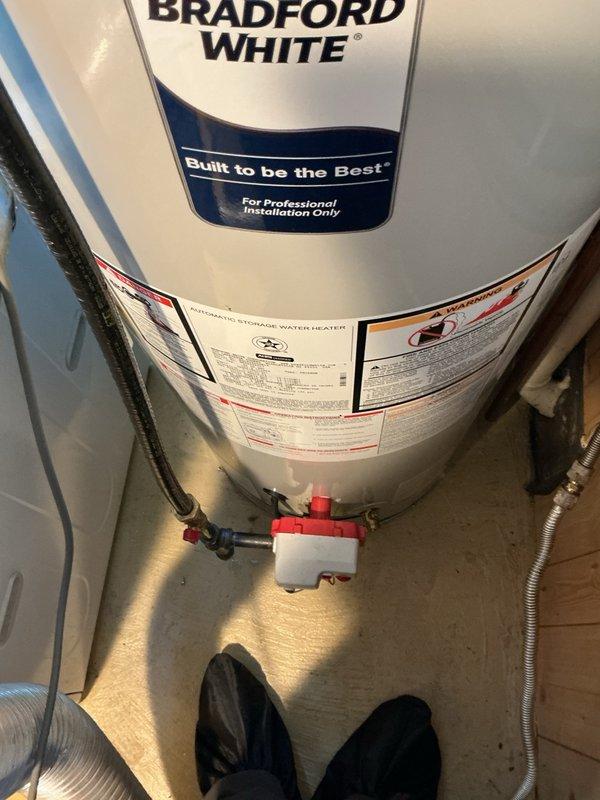
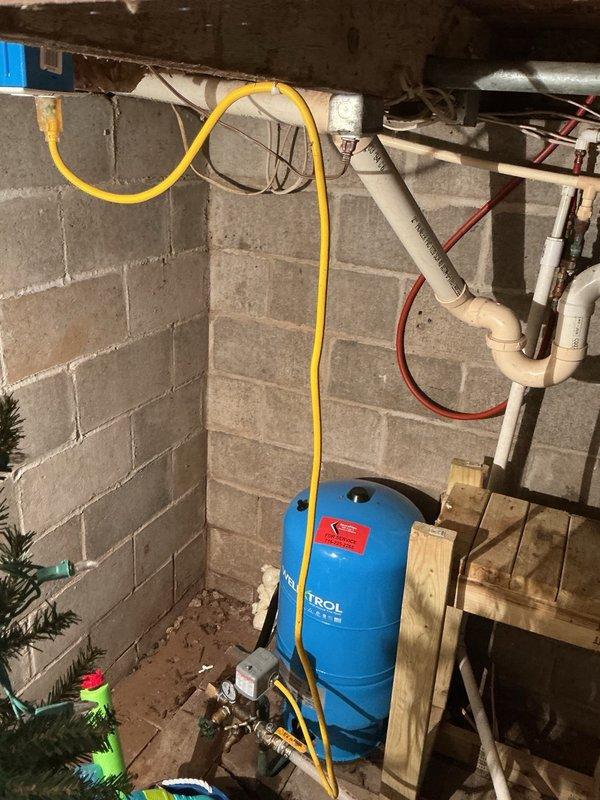
Responded to no hot water complaint on Bradford White propane water heater. Upon inspection, unit was attempting to ignite but failing to maintain flame. Investigated fuel supply and discovered propane tank was completely empty. As a safety precaution, shut off gas supply valves to both the water heater and dryer due to customer reporting unusual odor in home that could not be definitively identified as sewer gas or propane. Advised customer to refill propane tank and recommended follow-up service to perform leak detection testing on gas lines and connections to ensure system integrity before restoring service to appliances.
Eau Claire, WI 54703
Liam D.
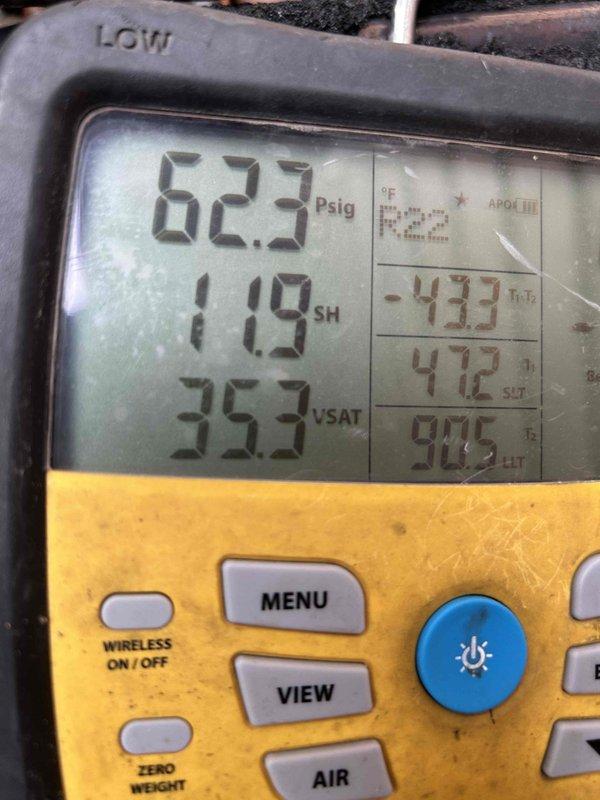
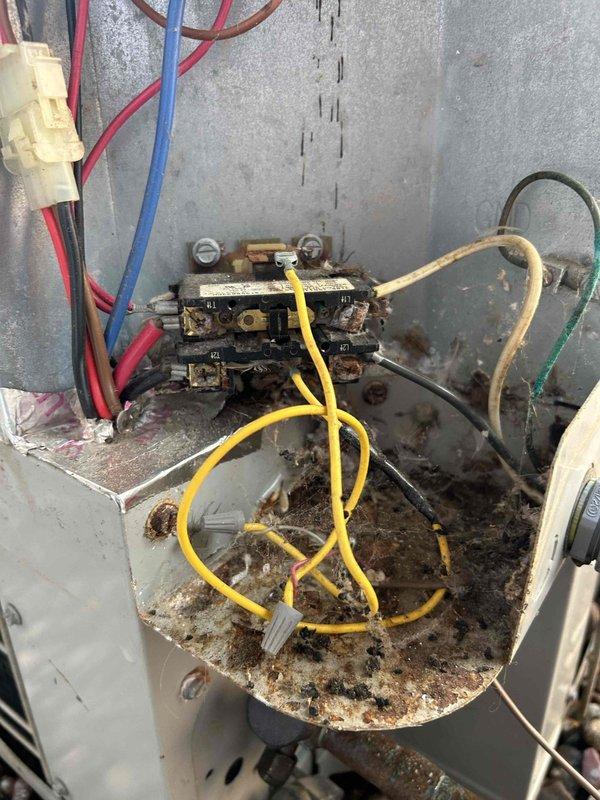
# No Cooling Complaint - Residential Air Conditioning System Responded to a no cooling complaint on a residential air conditioning system. Upon arrival, customer reported the unit was left running but failed to cool the home adequately. Thermostat batteries had been replaced prior to service call. Performed comprehensive system diagnostics to identify cooling deficiency. Connected manifold gauges to measure refrigerant pressures on both high and low sides. Recorded system pressures and temperatures using digital HVAC diagnostic meter. Low side pressure reading showed 62.3 PSIG with superheat at 11.9°F and saturation temperature of 35.3°F. Additional measurements included suction line temperature and liquid line temperature readings. Visual inspection of outdoor condensing unit revealed system operating and producing condensate as expected. Further investigation of electrical components uncovered severe corrosion on contactor assembly and relay components within the control panel. Ex
Eau Claire, WI 54701


“Mark was very pleasant to work with! He was on time and took care of my plumbing needs efficiently and effectively. I would definitely use him again for any plumbing issues I may have. I have been using Hurlburt for all of my heating, plumbing, and electrical needs and have always been satisfied!”
Alison A.

“Great service! Professionals starting from the first person I spoke to on the phone and finalizing with the person who finished the installation and cleaned up after. Staff explained everything well. Highly recommended!!!”
Jessica F.
"Outstanding service as always! Hurlburt goes above and beyond for their customers. We got scheduled right away, and Shawn did a great job. I will continue to use these guys for everything!!!"
Nicole T.
"Our technician Mike was just awesome. Took the time to show me what he was doing and explained why he was doing it. Gave me an honest evaluation of my situation. You can’t go wrong with Hurlburt and the work ethics of the employees."
Jean C.
Trevor came to service our AC unit. Very happy with his work. Trevor was friendly and knowledgeable, and got our issue fixed quickly. Hurlburt Heating and Plumbing is a great company to work with."
Debbie L.
"Hurlburt has helped us out with both plumbing and HVAC services in the past and have always done a great job. All their technicians, especially Mark, have been kind, professional, and quick with service!"
Sara N.
©2026 Hurlburt. All Rights Reserved.
Privacy Policy | Terms and
Conditions
This site is protected by reCAPTCHA and the Google Privacy Policy and Google Terms of Service apply.
