


HVAC, Plumbing, Electrical & IAQ in Durand, WI

Highly Rated

Satisfaction Guaranteed

Family Owned

Friendly Technicians
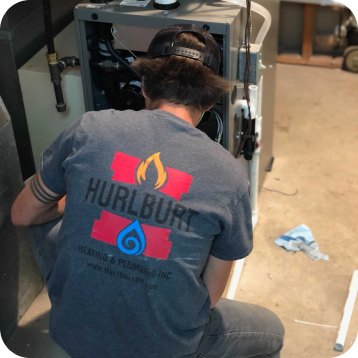
Trusted Heating Repair in Durand, WI
Replacing faulty thermostats and repairing broken igniters are common heating repairs in Durand, WI. The harsh winter here puts extra stress on furnaces, heat pumps, and boilers. Scheduling regular maintenance is the best way to avoid breakdowns.
If your heater is ready for a replacement, we’ll help you select a new unit. Today’s furnaces with high AFUE ratings provide exceptionally efficient heating. The correct equipment will save money on heating costs and deliver better comfort.
Our Heating Solutions
- Heating Repair: You don’t want to put off necessary heating repairs because it will only make the problem worse. We provide fast response times to help limit damage and restore comfort quickly.
- Heating Installation: We install boilers, heat pumps, and furnaces (gas or electric). All installations come with professional workmanship and manufacturer-backed warranties.
- Heating Maintenance: Join the Hurlburt Family Rewards Program to save money on services, enjoy priority scheduling and extend the life of your system.
Reliable Cooling Repair in Durand, WI
We work on central ACs and mini-splits. If you want zoned cooling, we recommend going ductless with a heat pump. How large your home is and its layout both influence the process of choosing the best setup.
If your cooling system breaks down, we’re just a call away for AC repair in Durand, WI. Our technicians provide lasting solutions instead of temporary fixes because we prioritize long-term comfort. We even offer emergency HVAC in Durand for refrigerant leaks and other problems that need immediate attention.
Our Cooling Services
- Cooling Repair: Refrigerant leaks and faulty compressors are just two of the many cooling solutions we offer. We resolve both simple and urgent issues using professional tools and proven diagnostic methods.
- Cooling Installation: Letting us install your cooling system ensures it works efficiently and reliably from day one. We can help you choose the right equipment for your needs.
- Cooling Maintenance: The Hurlburt Family Rewards Program makes it simple to stay on top of your system’s required maintenance. Routine maintenance can ensure cooling system efficiency and reliability.
Licensed Plumbers in Durand, WI
If you need extra protection against flooding, we can install a sump pump. You can choose from several types, including pedestal, submersible and battery backup models. Backup systems are especially helpful if your area experiences frequent power outages.
If your home has a hidden water leak, we’ll find it using advanced leak-detection equipment. We understand how moisture issues can lead to mold growth. That’s why we work fast without cutting corners to limit damage and help save money on repairs.
We frequently receive calls to assist with clearing clogs in pipes. We’ll look at the severity and location of the blockage to determine which method is the best option. Clogs are a common problem that is the result of stubborn grease buildup or tree root intrusion.
Our Plumbing Services
- Plumbing Repair: Our plumbers in Durand, WI repair water heaters, sump pumps, leaks and other plumbing issues. Prompt repair is necessary to protect your home from water damage.
- Plumbing Installation: Our installation support ensures you have the correct type of piping and fixtures in place to keep your home’s water and waste flowing smoothly. We complete all work according to local building codes.
Skilled Electricians in Durand, WI
We are the company to call when you need an electrical panel upgrade. This improvement is often necessary to add new circuits, install high-powered appliances or set up an EV charger.
Our support for generators includes installation, repair, and maintenance. Installing a generator is an excellent way to prevent power loss during outages. You won’t have to stress about losing power or being left in the dark.
Our Electrical Solutions
- Electrical Repair: We know how to fix tripped breakers, damage to outlets, faulty wiring, and many other electrical problems. Prompt diagnosis is imperative so we can create a repair plan.
- Electrical Installation: Our electricians in Durand, WI use professional-grade tools and follow all electrical safety guidelines. We install light fixtures, wiring, outlets, circuit breakers and more.

Quality Home Services in Durand, WI
We’re the company to call when you need help with electrical, plumbing or HVAC work in Durand. Homes close to the Chippewa River often need sump pump services to prevent basement flooding. Older homes located downtown sometimes require upgrades to their electrical panels to support modern HVAC equipment. Our full suite of solutions makes it simple to keep your home running smoothly.
Access Reliable HVAC, Electrical, or Plumbing Today
We bring professional-grade tools to every job and advanced diagnostic equipment. Our high training standards exceed state licensing requirements. All workers go through thorough background checks. We keep our trucks full of common items to fix most HVAC, electrical and plumbing problems on the spot. If we must turn off your water or electricity, we’ll let you know ahead of time. This way, you can plan for the temporary disruption. From installations to repairs and tune-ups, we deliver dependable results on each project. Joining the Hurlburt Family Rewards Club is a great way to enjoy priority service.
Thousands of customers leave us 5-star reviews showing their appreciation for our honest, effective home solutions. Our flexible scheduling simplifies setting up service visits that match your availability.
We love welcoming new customers to the Hurlburt Family! Contact Hurlburt today to access professional solutions for plumbing, electric or HVAC in Durand, WI.
Recent Jobs and Reviews in Durand, WI
Durand, WI at a glance
Hurlburt Heating & Plumbing has completed 20 jobs in Durand, WI between June 2026 and July 2026.
The most recent job was on July 13, 2026.
Hurlburt Heating & Plumbing has completed 317 jobs in Durand, WI in the last 12 months. The first job there was in October 2015.
Job Locations and Reviews

Mike B.
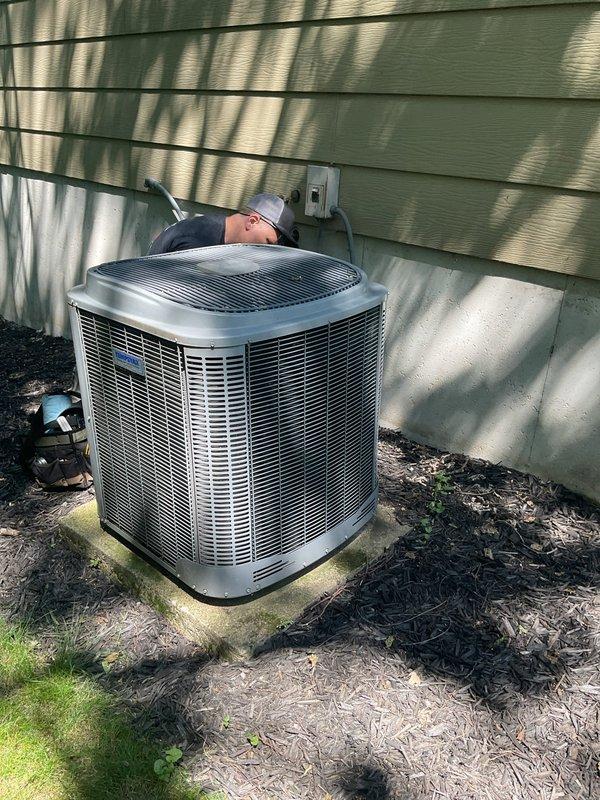
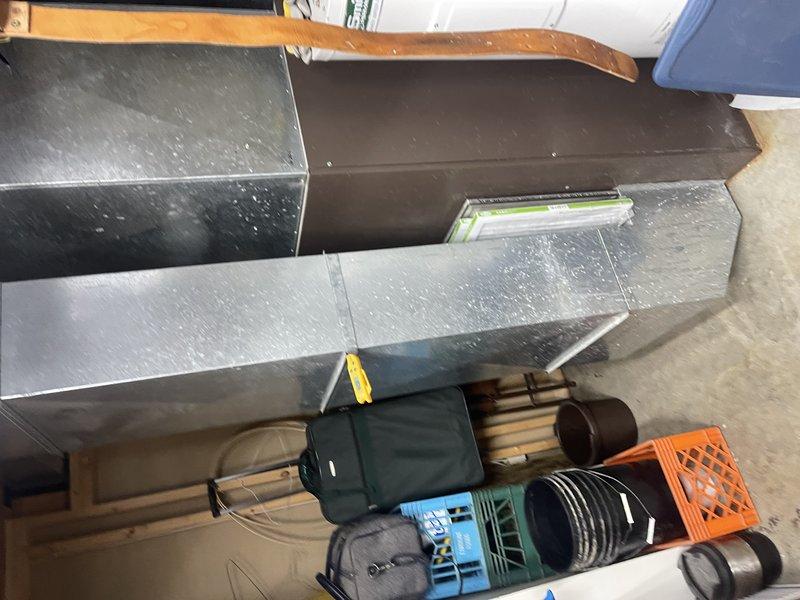
Responded to no cooling complaint on 10-15 year old air conditioning system. Upon arrival, unit would not power on after customer attempted restart. Diagnosed failed capacitor preventing compressor operation. Replaced defective capacitor and restored system to normal cooling operation.
Durand, WI 54736
Ethan S.
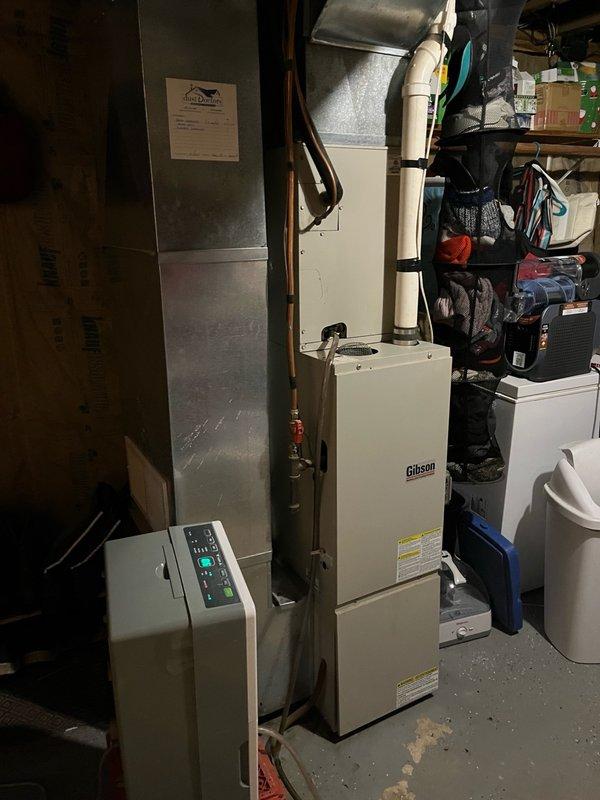
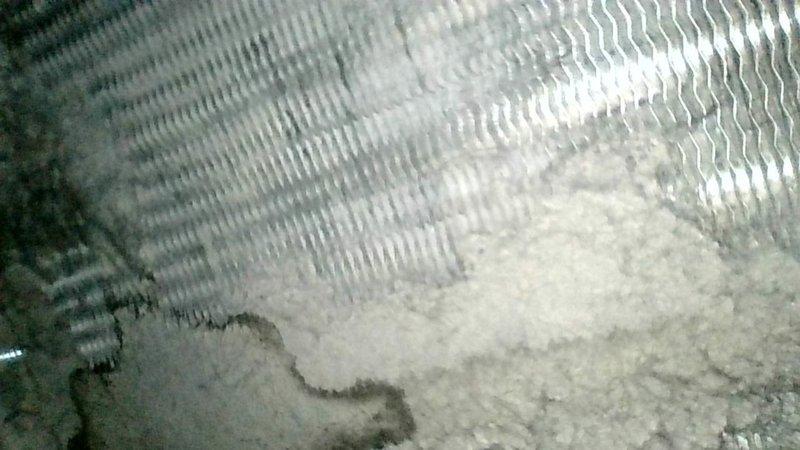
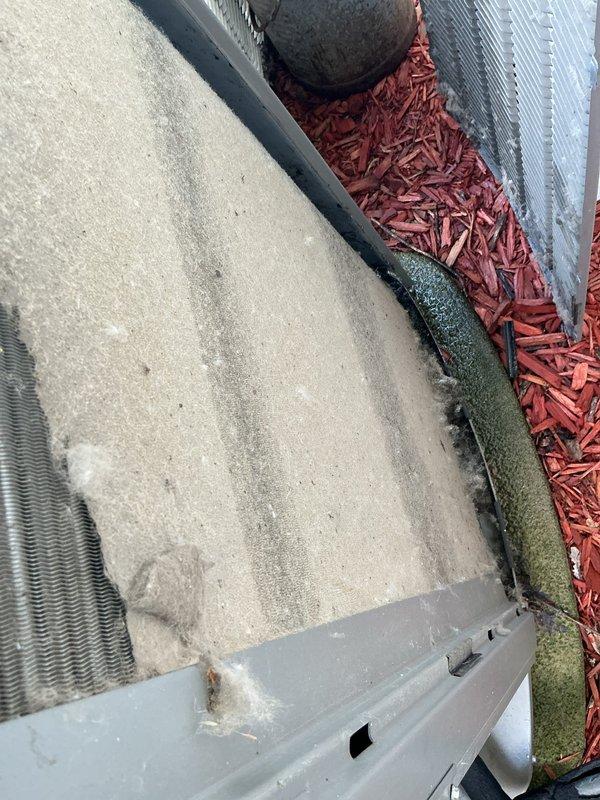
Responded to no cooling complaint on 18-year-old R-22 system with reported evaporator coil icing and poor airflow. Upon arrival, confirmed history of repeated freeze-ups and diminished airflow even after ice had melted. Performed system inspection and found primary evaporator coil heavily contaminated with dirt and debris, significantly restricting airflow. Secondary coil also showing accumulation but less severe. Blower assembly in acceptable operating condition. Inspected outdoor condensing unit and verified compressor and fan motor operation. Tested run capacitor on hermetic compressor circuit and found readings out of specification. Observed contactor with pitting on contact points indicating electrical wear. Explained to occupant that heavily soiled evaporator coil was root cause of both inadequate airflow and coil icing conditions. Advised that accurate refrigerant pressure analysis cannot be performed until airflow restriction is eliminated through proper coil cleaning. Provi
Durand, WI 54736
Mike B.
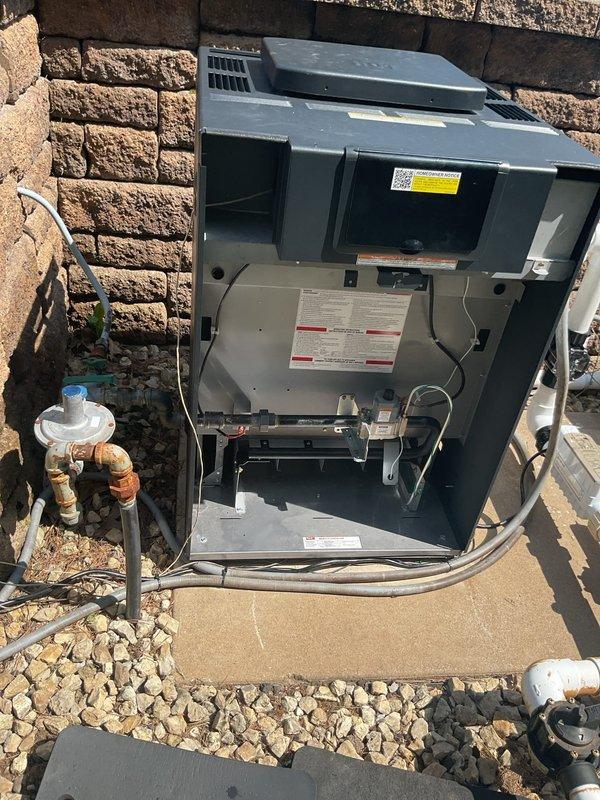
Completed gas line installation and hookup for pool heater. Installed gas piping using two 3/4" x 6" nipples, two 3/4" 90-degree elbows, and one 3/4" union to properly connect the gas supply to the pool heater unit. All connections were secured and tested to ensure safe operation of the equipment.
Durand, WI 54736
Mike B.
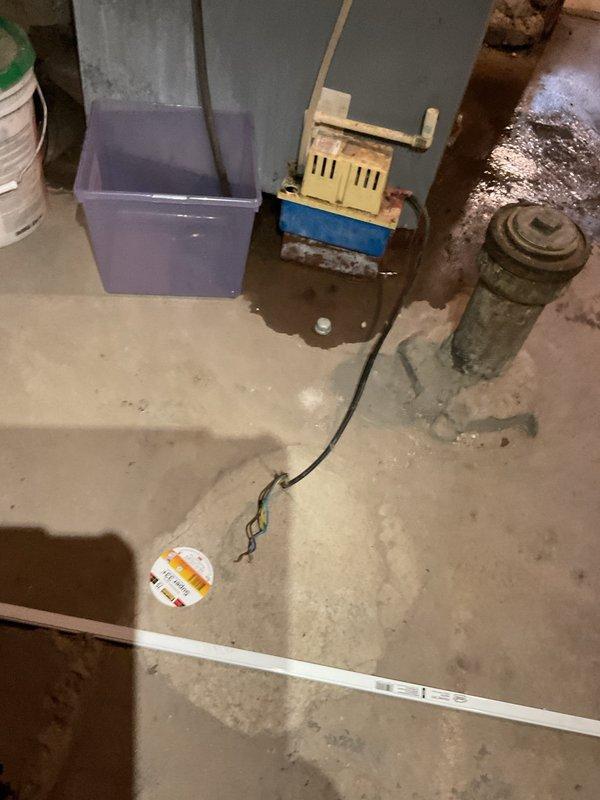
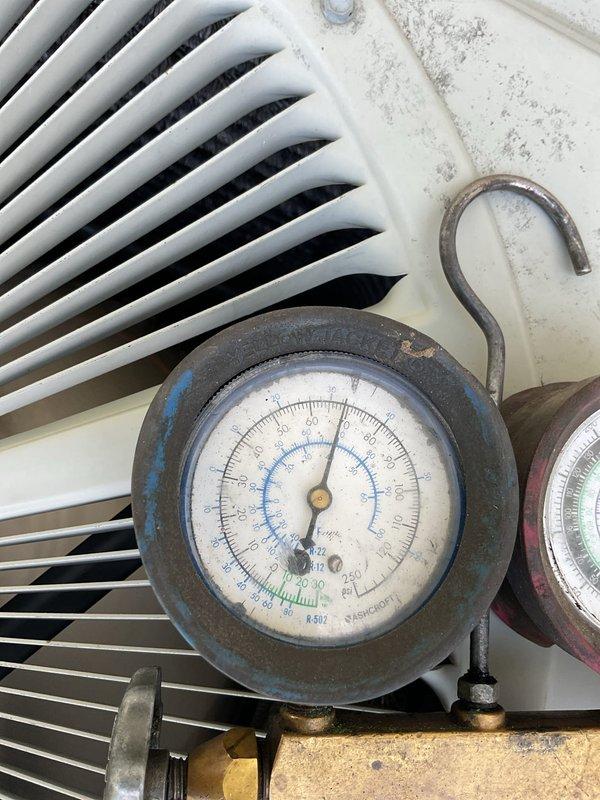
Performed AC maintenance on 15-year-old system that was not operating properly. Upon inspection, identified plugged evaporator coil restricting airflow and failed condensate pump causing water accumulation on basement floor. Verified system achieving 20-degree temperature split across coil despite reduced efficiency from blockage. Provided estimate for condensate pump replacement and evaporator coil cleaning services, with homeowner electing to source pump independently and perform coil cleaning themselves.
Durand, WI 54736

Shawn G.
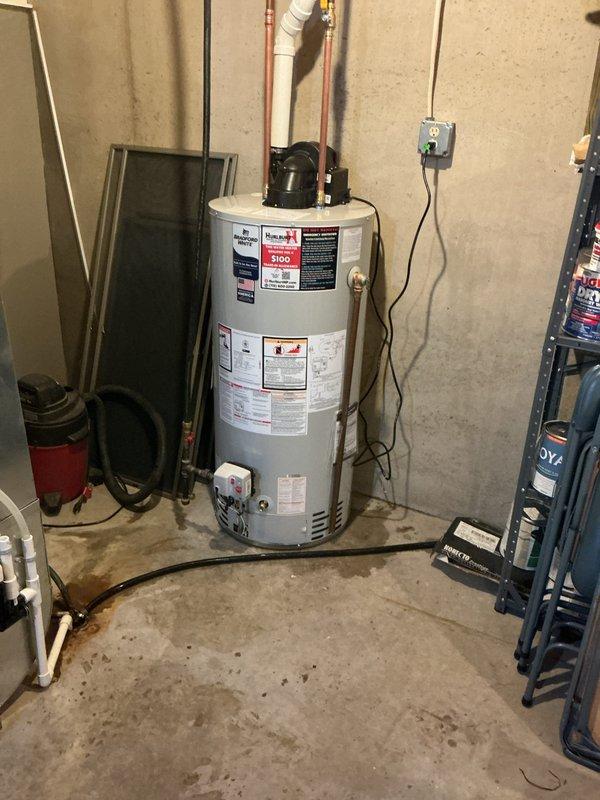
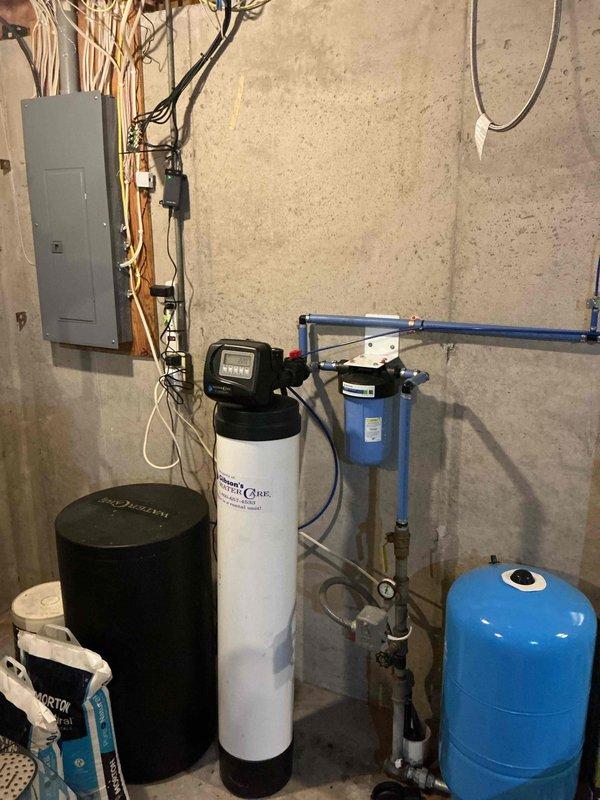
Replaced a 20-year-old leaking 50-gallon natural gas water heater with a new Bradford White 10-year warranty power vent unit. Installation included all necessary parts, copper piping connections, electrical wiring, venting components, proper permitting, and disposal of the old unit. The new power vent water heater was installed in the basement utility area and tested for proper operation.
Durand, WI 54736

Gary L.
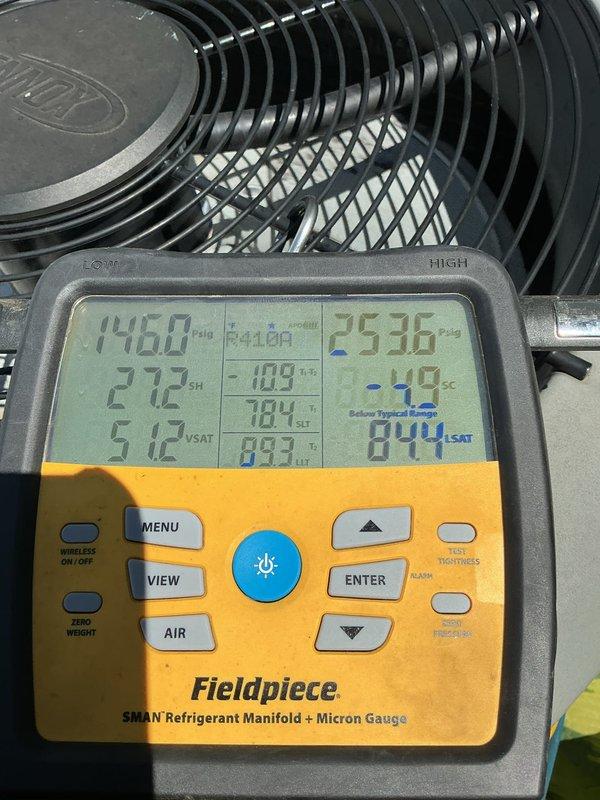
Responded to callback for system not cooling following thermostat replacement. Upon arrival, discovered previously installed T4 thermostat was incompatible with heat pump system. Replaced with compatible T6 thermostat to restore proper system communication and operation. Performed diagnostic testing using refrigerant manifold gauges, which revealed inefficient system performance due to faulty thermostatic expansion valve (TXV). Documented 2012 outdoor condensing unit condition with photos showing equipment age and installation. Replaced defective TXV to restore proper refrigerant metering and system efficiency. System now cooling properly with correct thermostat configuration and functioning expansion valve.
Durand, WI 54736
Ethan S.
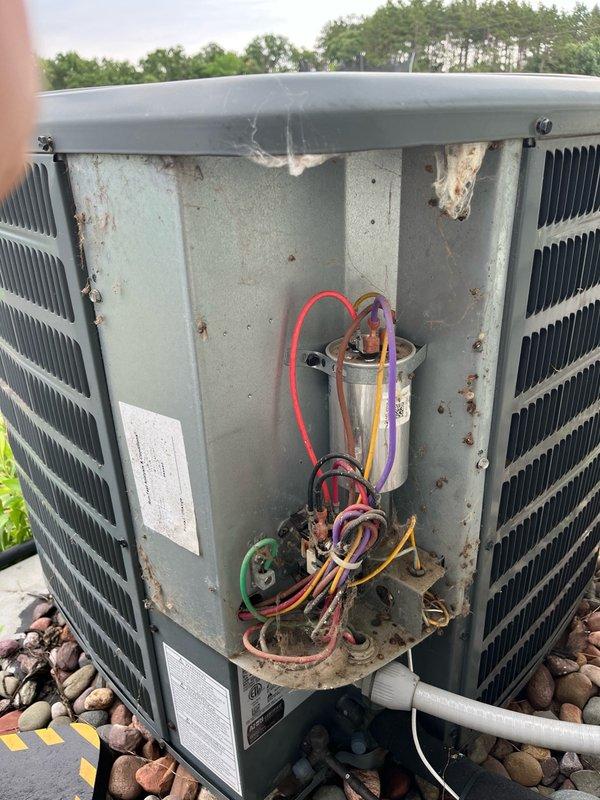
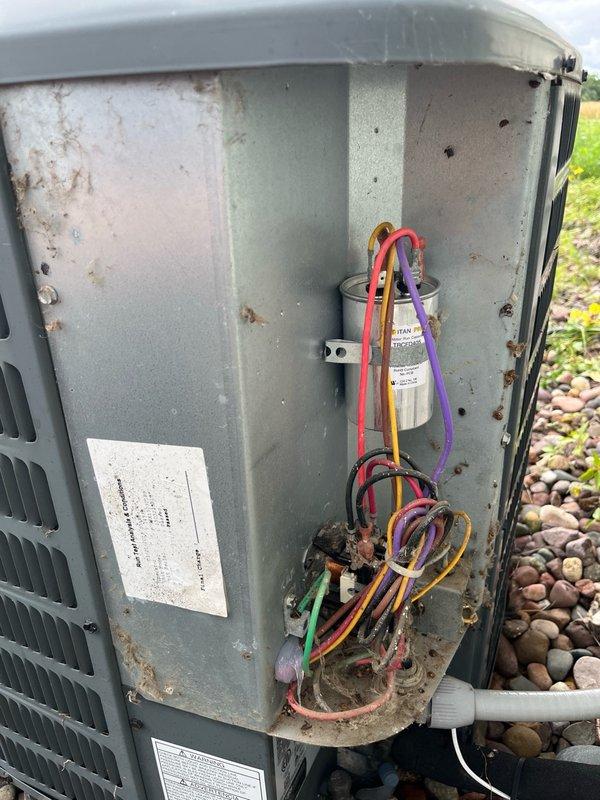
Responded to no cooling complaint on 13-year-old central air conditioning system. Upon arrival, found outdoor unit condenser fan motor operating but compressor not running. Diagnosed failed dual run capacitor with readings of 0 microfarads on compressor (HERM) terminal and approximately 2 microfarads on fan terminal, significantly below rated 40/5 microfarad specification. Replaced defective capacitor with new dual run capacitor. Removed rodent intrusion (mice) from electrical cabinet and sealed wire entry penetrations with silicone to prevent future pest access. Cycled system through complete cooling operation and verified proper compressor engagement, condenser fan operation, and airflow. Measured 15-20 degree temperature split across evaporator coil, confirming system restored to normal cooling capacity.
Durand, WI 54736
Ethan S.
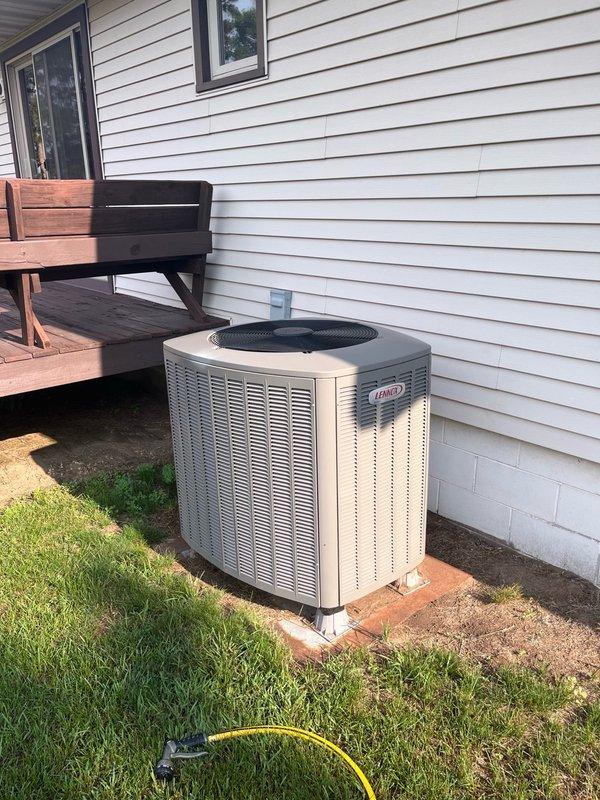
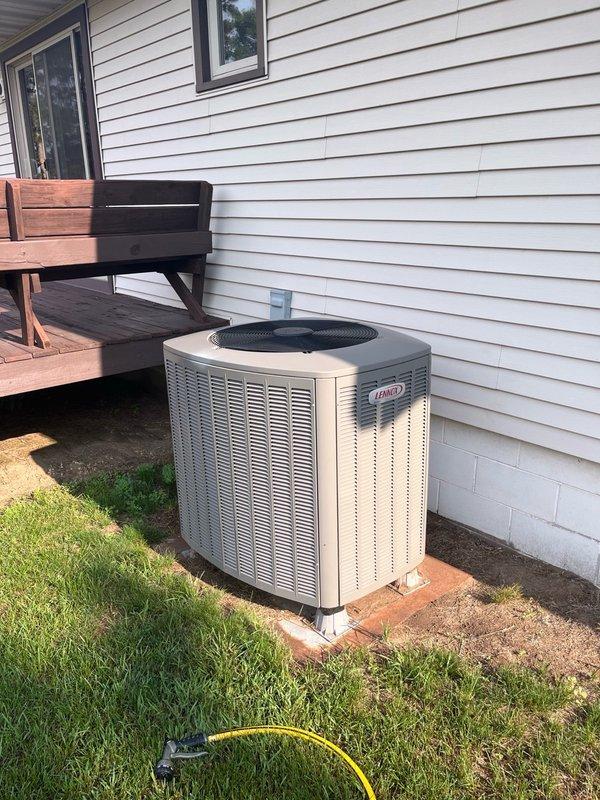
Performed comprehensive AC tune-up on 4-year-old Lennox unit. Replaced dirty air filter with customer-supplied filter, verified evaporator coil was clean with proper drainage, and confirmed blower assembly was clean. Removed wasp infestation from outdoor condenser unit and thoroughly cleaned condenser coils. Conducted operational test at maximum cooling capacity for 15 minutes, confirming proper system performance with 16-18 degree temperature split across the coil. All components operating within manufacturer specifications.
Durand, WI 54736

Ben W.
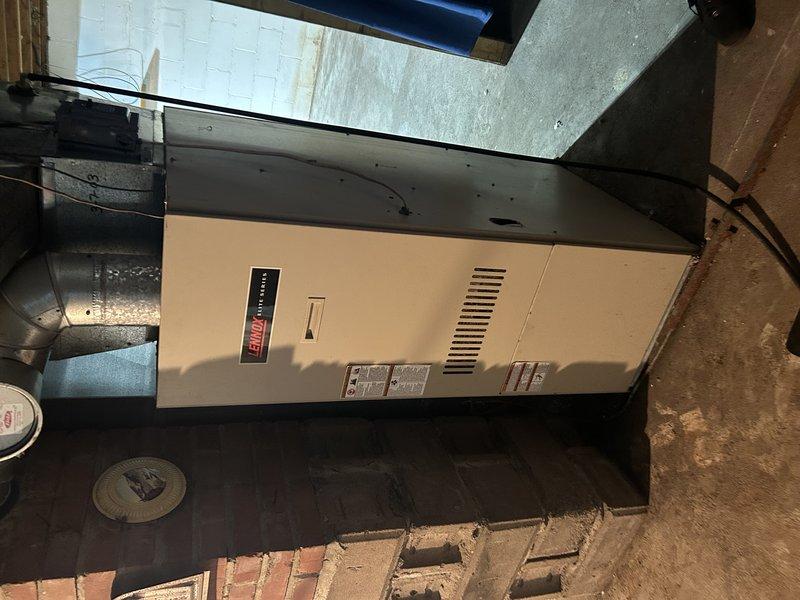
Responded to no cooling call on 15+ year old R-22 system. Upon arrival, diagnosed seized condenser fan motor preventing outdoor unit operation. Verified system held 120 psi standing pressure, confirming refrigerant charge intact. Provided estimate for condenser fan motor replacement and recommended full system replacement due to age and obsolete refrigerant type. Customer declined repairs at this time and will consider options.
Durand, WI 54736

Bryson E.
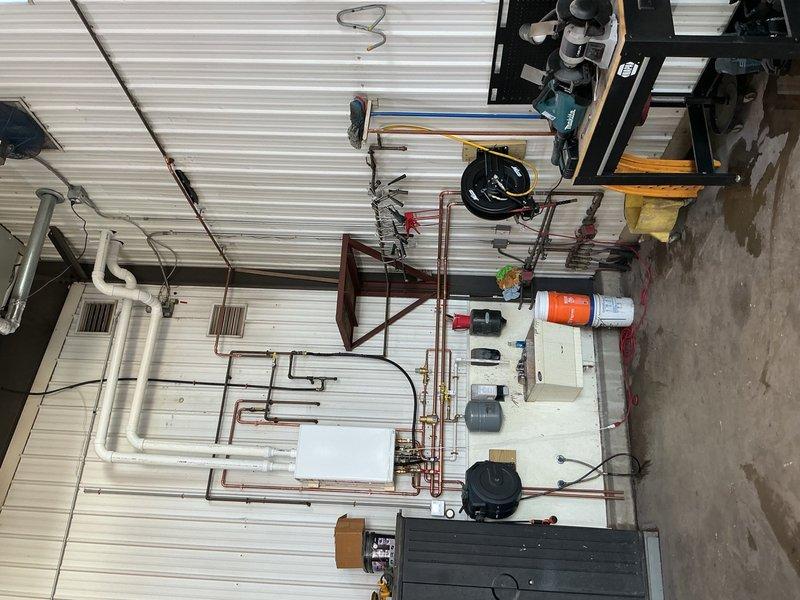
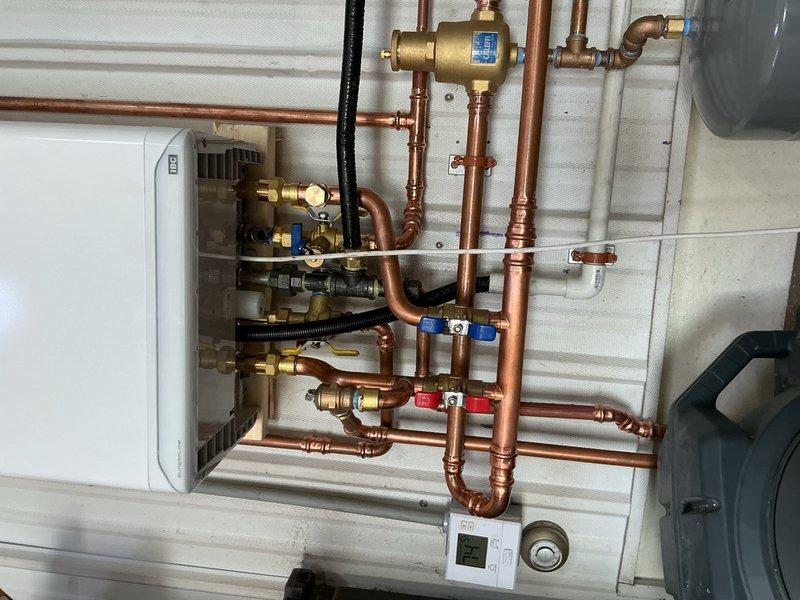
Removed and replaced failed leaking combination boiler with new IBC tankless combi unit in commercial facility. Completed installation of new boiler system with copper piping, brass valves, and necessary fittings. Successfully commissioned domestic hot water side of system and verified operation. Heating zone wiring remains incomplete and requires return visit to finalize electrical connections for space heating functionality.
Durand, WI 54736
Mike B.
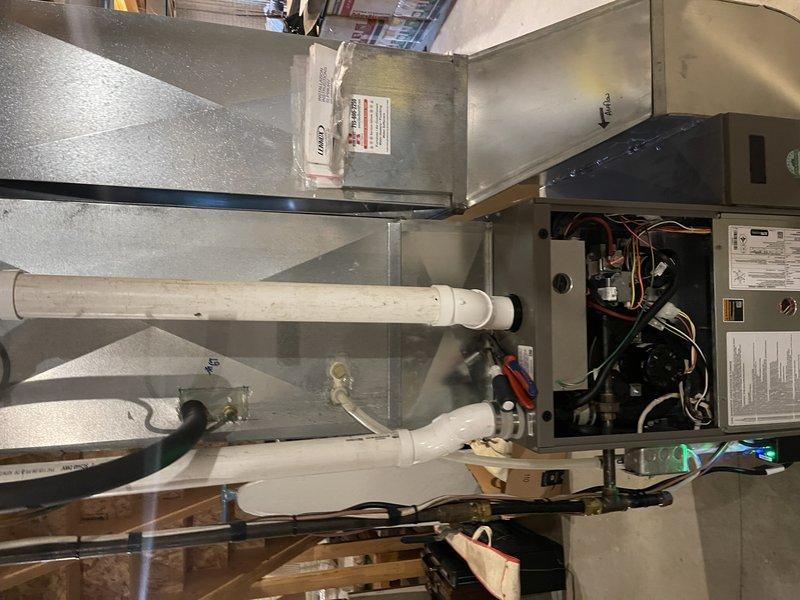
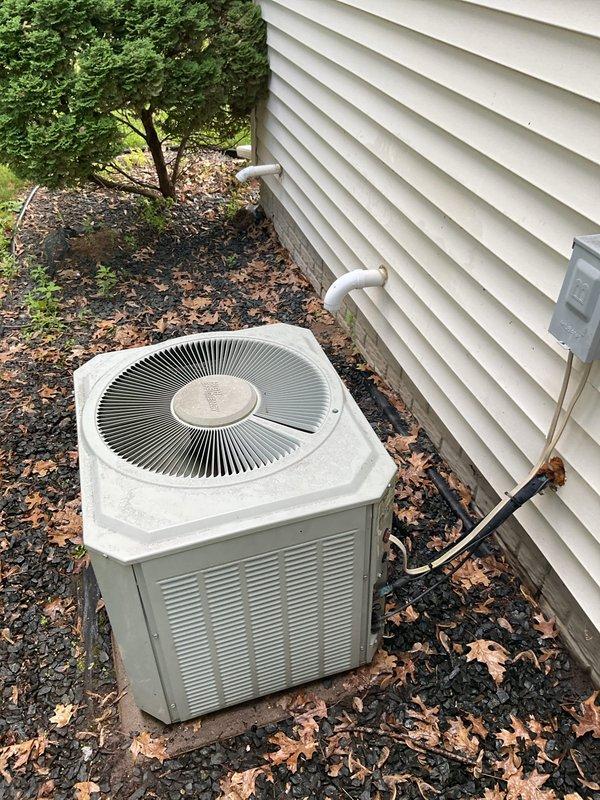
Completed comprehensive cooling system maintenance on residential air conditioning unit. Performed indoor inspection including furnace examination, air filter assessment, and temperature differential measurement confirming optimal 21-degree split across the evaporator coil. Conducted outdoor condenser service including full disassembly, coil cleaning, capacitor testing, and refrigerant pressure verification. Unit operational since 1994 continues to function within acceptable parameters. Noted condenser fan motor exhibiting oil seepage, indicating bearing wear consistent with equipment age; motor remains functional but approaching end of service life. All maintenance tasks completed per preventive maintenance protocol with system operating properly at time of departure.
Durand, WI 54736
Mike B.
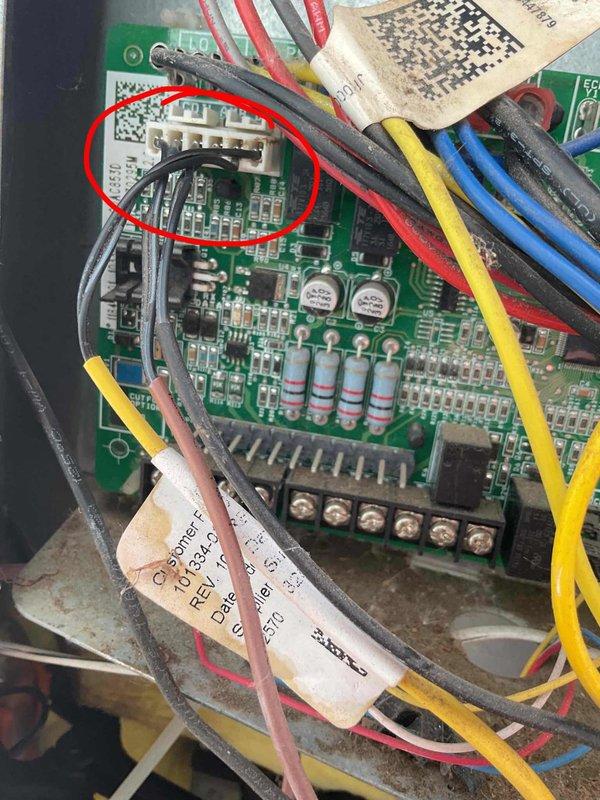
Responded to callback for air conditioner displaying error code 415 after recent repairs. Diagnosed faulty discharge line temperature sensor reading out of specification. Temporarily disconnected the defective sensor from the pipe to restore unit operation while awaiting customer approval on replacement sensor assembly pricing.
Durand, WI 54736
Mike B.
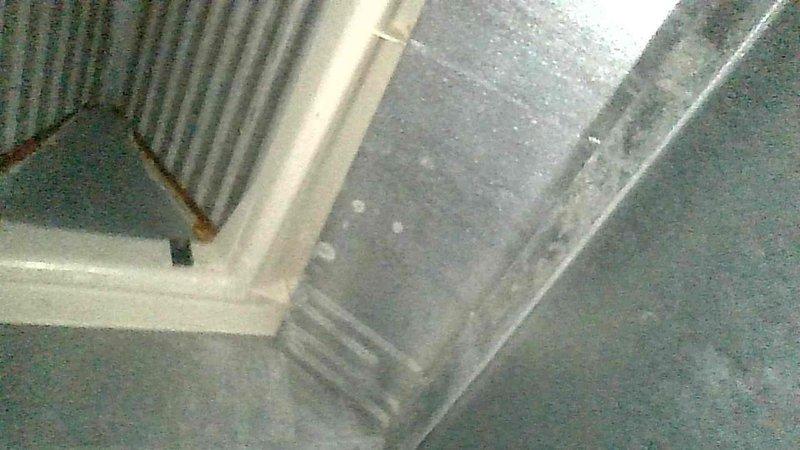
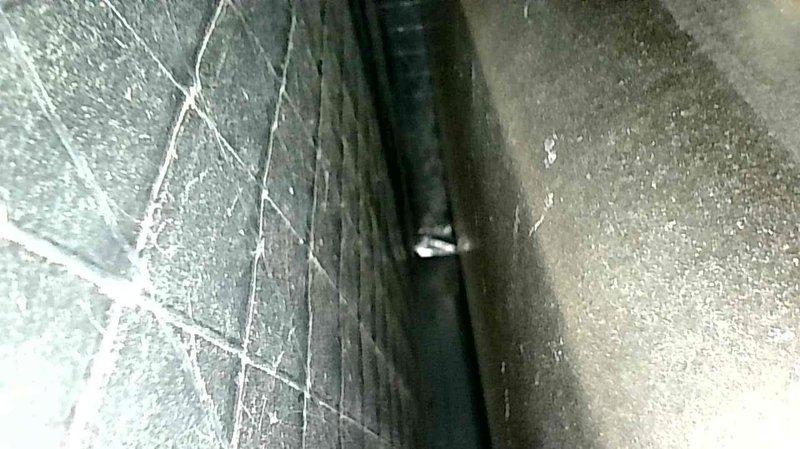
Completed comprehensive tune-up service on two HVAC systems: a 10-year-old Ruud furnace and a 30-year-old air conditioning unit. Performed thorough inspection of furnace including heat exchanger scope examination with no defects detected, cleaned flame sensor and condensate system, verified blower motor and control board operation, and confirmed proper heating function. Evaluated air conditioning system performance with 17-degree temperature split indicating adequate cooling capacity, pressure-washed outdoor condenser coil, and inspected all electrical and mechanical components. Observed oil residue at copper-to-aluminum connection point on refrigerant lines indicating potential refrigerant leak, documented findings with photos, and recommended follow-up consultation to discuss repair options for the aging AC unit.
Durand, WI 54736
Mike B.
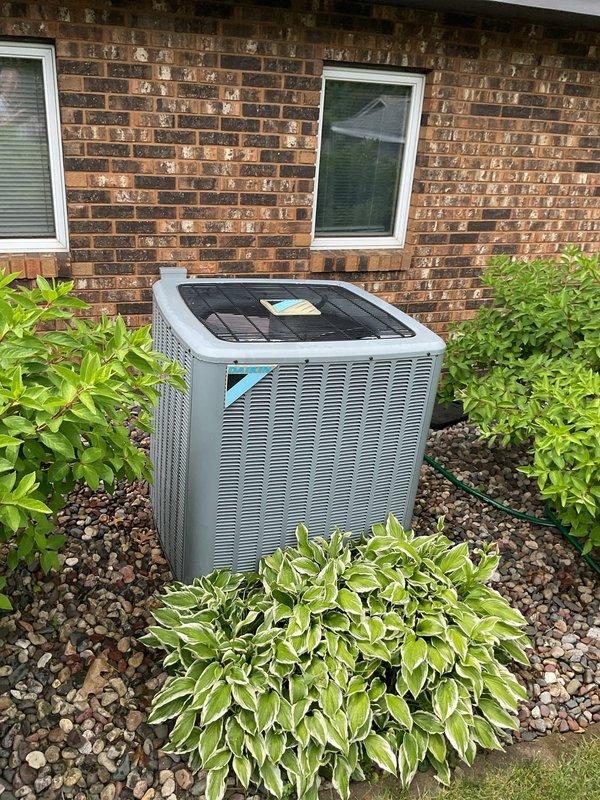
Performed comprehensive tune-up on modulating Daikin AC system. Thoroughly washed condenser coil to optimize heat transfer efficiency. Verified system performance with temperature drop measurement of 18-20°, confirming proper operation. Inspected control boards and electronic components, finding all systems functioning within manufacturer specifications.
Durand, WI 54736
Mike B.
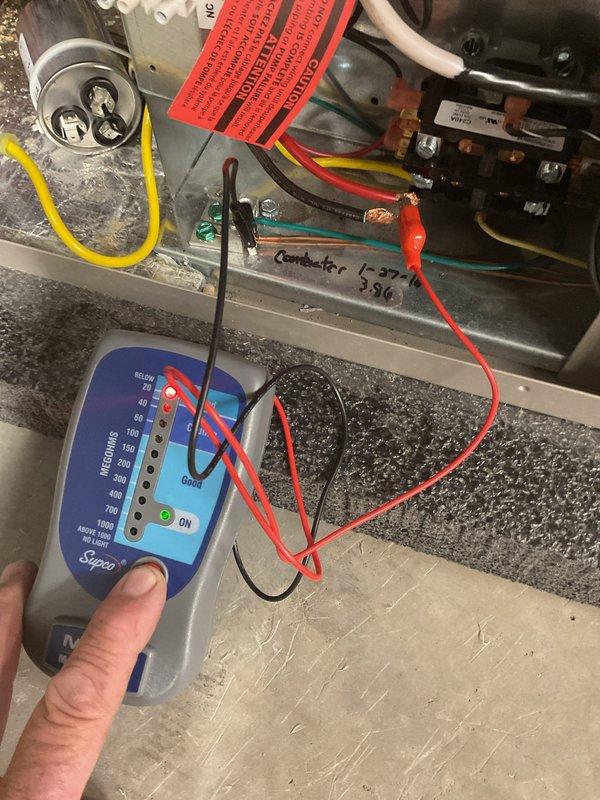
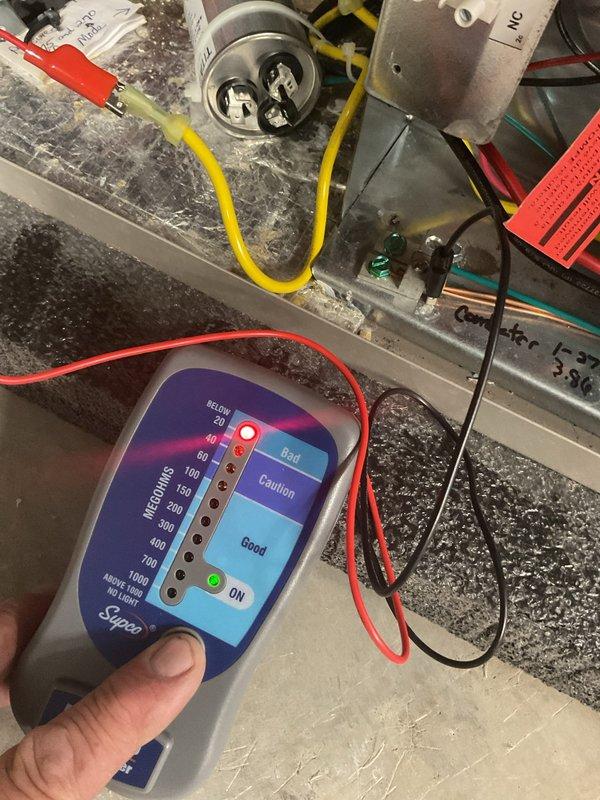
Responded to no cooling complaint on geothermal system producing lukewarm air with second stage cooling inoperative. Performed diagnostic testing using megohm meter on compressor and electrical components. Testing confirmed compressor failure due to electrical short circuit. Coordinated with sales team to schedule consultation for system replacement options including geothermal, air source heat pump, and standard air conditioning equipment.
Durand, WI 54736
Mike B.
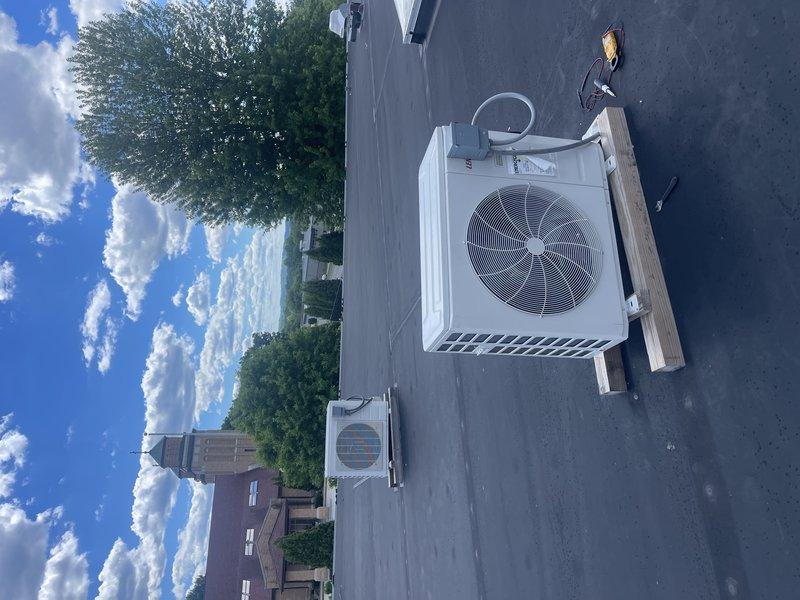
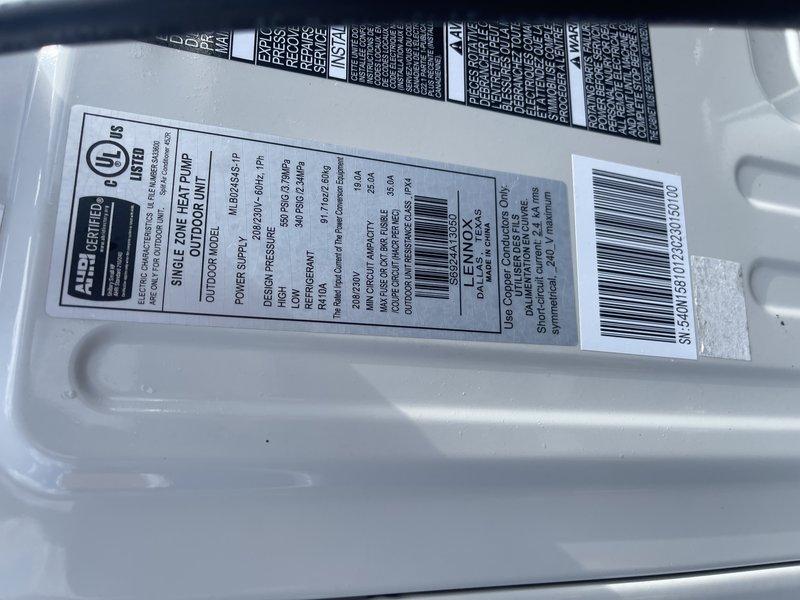
Responded to rooftop mini-split system for warranty motor replacement on previously diagnosed unit. Installed new condenser fan motor and performed operational test, during which motor exhibited abnormal rocking motion and failed to start properly. Control board suspected as secondary failure point but unavailable through parts department at time of service. Unit remains non-operational with power shut off at breaker pending parts availability and further diagnostic resolution.
Durand, WI 54736

Mike A.
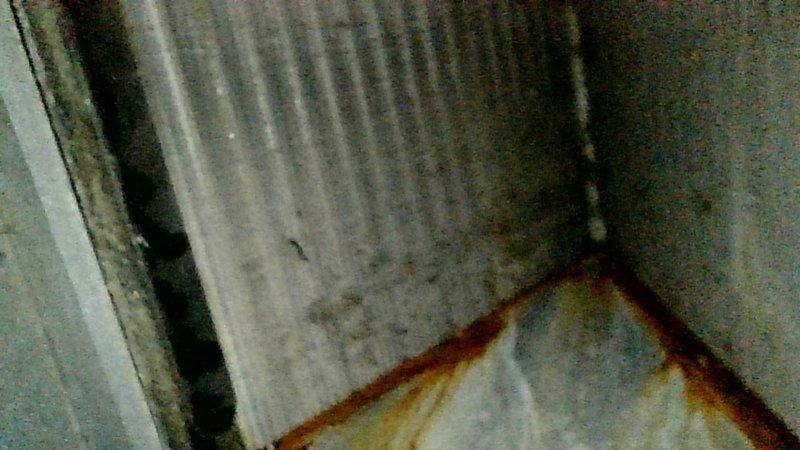
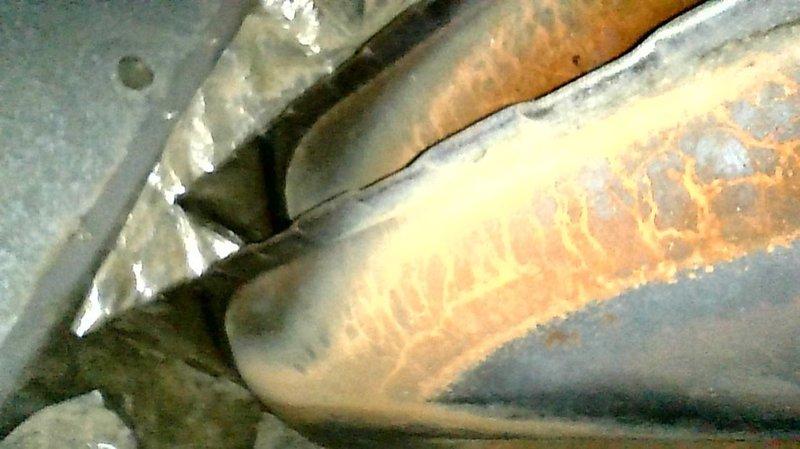
Performed comprehensive AC tune-up and maintenance on 1996 furnace and air conditioning system. Conducted thorough inspection revealing capacitor operating out of specification and AC unit overcharged with refrigerant. Noted absence of filter line dryer on system. Completed cleaning and inspection of AC components. Discussed previous technician findings regarding potential heat exchanger crack with homeowners. Reviewed inducer motor that homeowner had sourced independently. Provided consultation on system age, current condition, and benefits of upgrading to heat pump and new furnace technology given the age of existing equipment. Documented rust and corrosion present on system components, particularly visible on ductwork and metal housing, consistent with 27-year-old equipment showing signs of moisture exposure and extended use.
Durand, WI 54736
Trevor P.
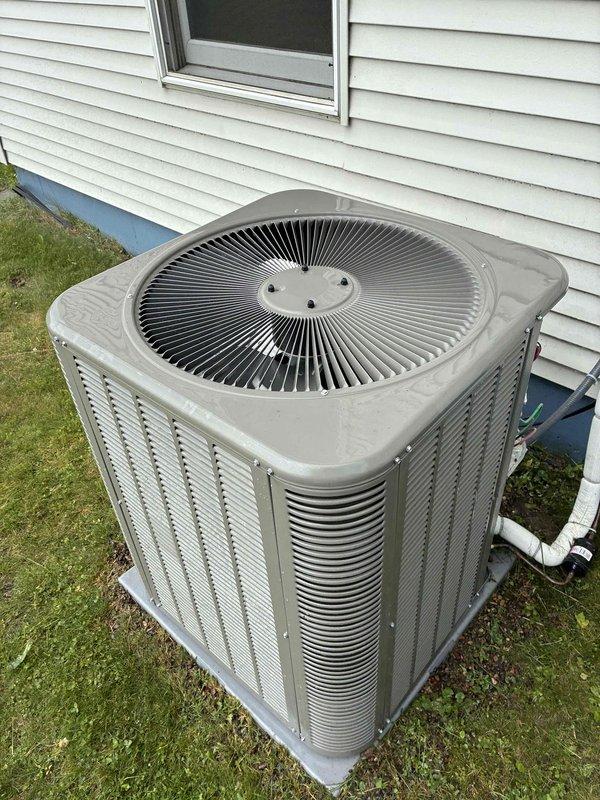
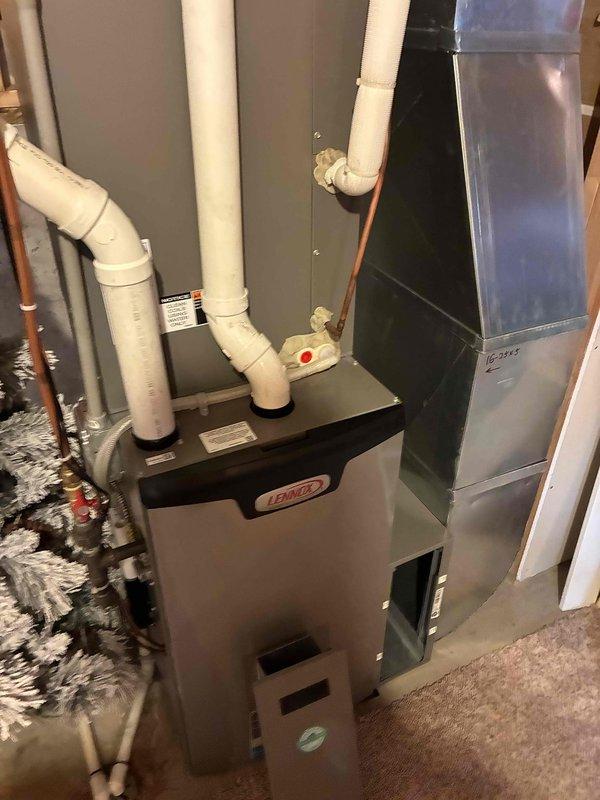
Completed preventive maintenance visit on residential air conditioning system. Cleaned outdoor condensing unit, tested capacitor and contactor with readings within manufacturer specifications, and replaced customer-supplied air filter. Inspected evaporator coil finding it clean, verified condensate drain line clear and flowing properly, and confirmed blower operating at appropriate speed. System demonstrated proper operation with 22-degree temperature differential across the coil, indicating adequate cooling performance with no deficiencies noted.
Durand, WI 54736
Mike B.
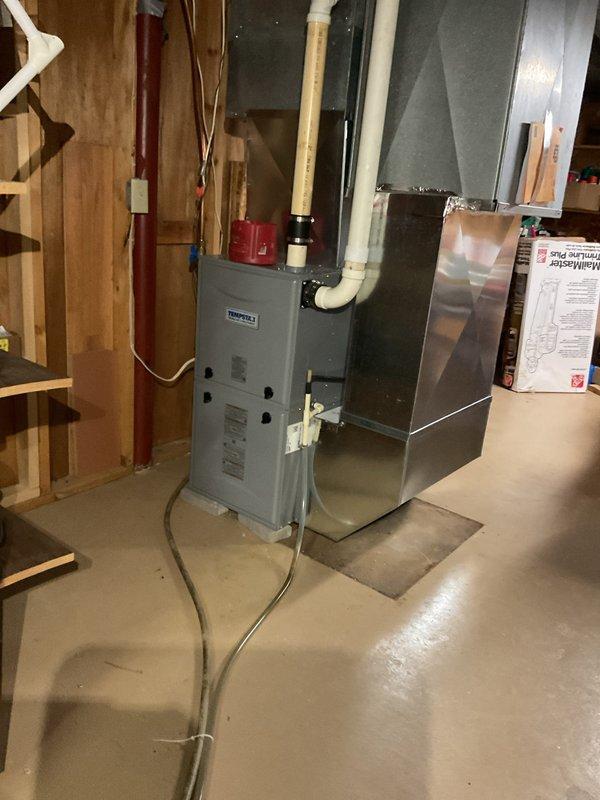
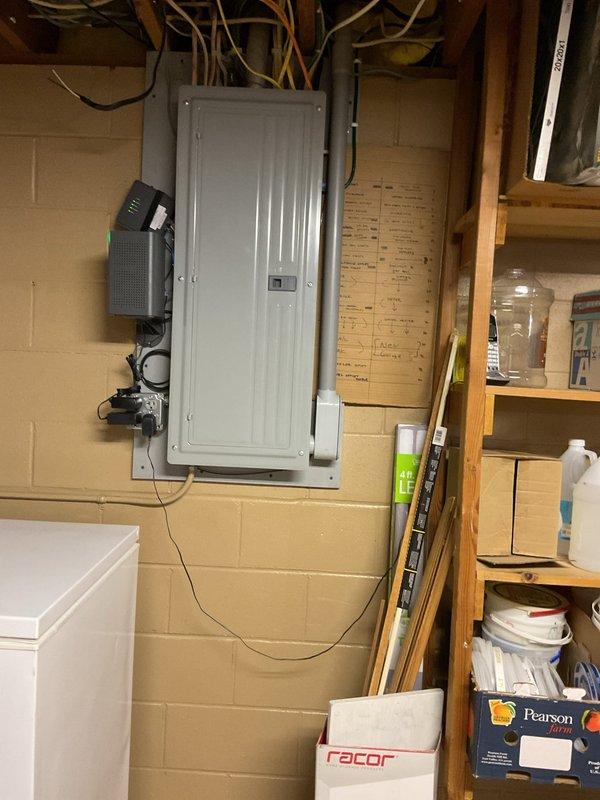
Completed comprehensive AC tune-up and maintenance agreement service on residential split system. Performed condensate drain flush to ensure proper drainage, cleaned condenser coil to restore optimal heat transfer efficiency, and verified system operation with 22° temperature split across evaporator coil. Identified weak capacitor during electrical component testing, consistent with previous year's findings, and provided estimate for replacement. All routine maintenance tasks completed per agreement specifications, and system confirmed operational upon departure.
Durand, WI 54736

Doug T.
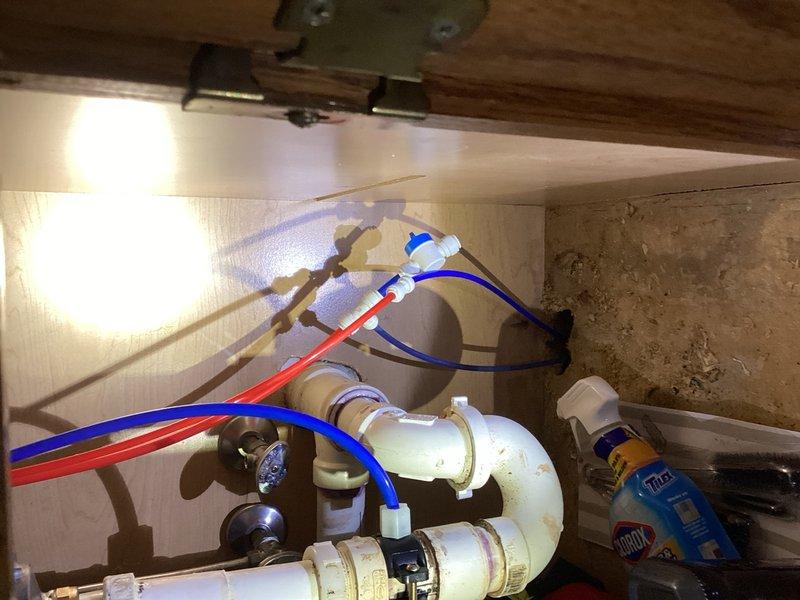
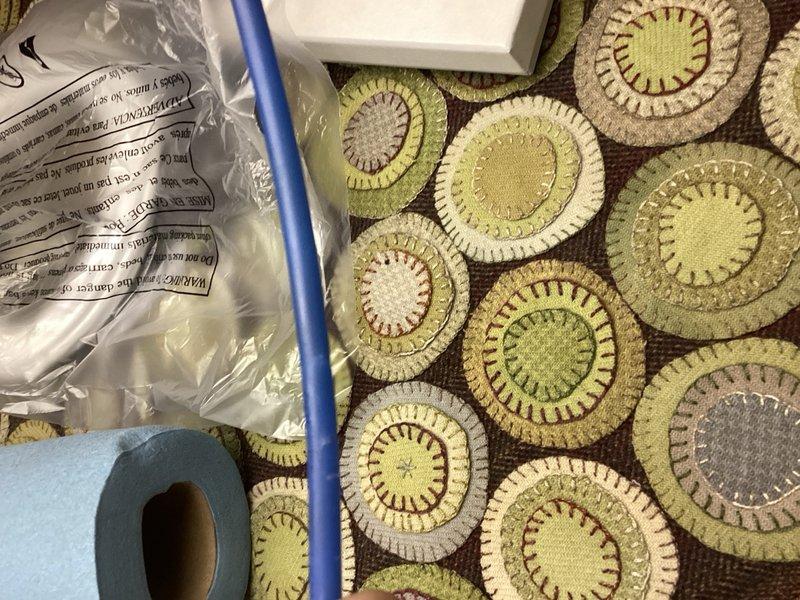
Responded to water leak in basement that resulted in collapsed ceiling panels and carpet damage following recent water softener installation. Upon investigation, identified the source as a compromised blue plastic water supply line connected to the reverse osmosis system that had been accidentally punctured by a drill during installation. Replaced the damaged plastic supply line with new tubing and verified all connections under the sink were secure and leak-free. Tested the reverse osmosis system to confirm proper operation and no additional leaks present.
Durand, WI 54736


“Mark was very pleasant to work with! He was on time and took care of my plumbing needs efficiently and effectively. I would definitely use him again for any plumbing issues I may have. I have been using Hurlburt for all of my heating, plumbing, and electrical needs and have always been satisfied!”
Alison A.

“Great service! Professionals starting from the first person I spoke to on the phone and finalizing with the person who finished the installation and cleaned up after. Staff explained everything well. Highly recommended!!!”
Jessica F.
"Outstanding service as always! Hurlburt goes above and beyond for their customers. We got scheduled right away, and Shawn did a great job. I will continue to use these guys for everything!!!"
Nicole T.
"Our technician Mike was just awesome. Took the time to show me what he was doing and explained why he was doing it. Gave me an honest evaluation of my situation. You can’t go wrong with Hurlburt and the work ethics of the employees."
Jean C.
Trevor came to service our AC unit. Very happy with his work. Trevor was friendly and knowledgeable, and got our issue fixed quickly. Hurlburt Heating and Plumbing is a great company to work with."
Debbie L.
"Hurlburt has helped us out with both plumbing and HVAC services in the past and have always done a great job. All their technicians, especially Mark, have been kind, professional, and quick with service!"
Sara N.
©2026 Hurlburt. All Rights Reserved.
Privacy Policy | Terms and
Conditions
This site is protected by reCAPTCHA and the Google Privacy Policy and Google Terms of Service apply.
