


Local Plumbers and HVAC Services in Hudson, WI


Why Hudson Homes Require a Different Approach
Hudson’s housing market looks very different from many communities across western Wisconsin. Near Historic Downtown Hudson, the Octagon House Museum, and the St. Croix River, you’ll find homes that have stood for generations. Travel toward County Road F, County Road A, Heritage Greens, or the Troy Burne area, and you’ll see neighborhoods built within the last two decades featuring advanced Air Conditioning and Heating systems, smart home technology, and increasingly sophisticated electrical infrastructure.
That variety creates very different service needs from one property to the next. On any given day, our technicians may be servicing a boiler in an older riverfront home, installing a whole-home generator in a newer subdivision, or helping a homeowner improve humidity control in a house overlooking the St. Croix Valley. Understanding how Hudson has grown allows us to make recommendations that fit the specific home rather than offering a one-size-fits-all solution.
Managing St. Croix River Valley Humidity and Summer Comfort
When homeowners in Hudson call about cooling problems, temperature is often only part of the story. Humidity plays a major role in how comfortable a home feels, particularly for properties located closer to the St. Croix River, North Hudson, and other lower river valley areas. Even when temperatures remain reasonable, excess moisture can leave a home feeling uncomfortable and force air conditioning systems to work harder than necessary.
Many homeowners assume they need a larger air conditioner when the real issue is humidity management, airflow design, or aging equipment that is no longer operating efficiently. We regularly help homeowners improve comfort while reducing energy usage by addressing the actual cause of the problem.
Cooling Services Include:
- AC Repair
- AC Installation
- AC Replacement
- AC Maintenance
- Ductless Air Conditioning
- Ductless AC Repair
- Ductless Installation & Replacement
Whether your air conditioner struggles to keep up, certain rooms stay warmer than others, or humidity becomes a constant frustration, our team can help identify the right solution.

Better Indoor Air Quality for Hudson Families
Hudson homeowners deal with two very different air quality challenges throughout the year. During the summer, humidity can make homes feel damp and uncomfortable. During the winter, months of furnace operation can leave indoor air excessively dry, affecting comfort throughout the home.
Many homeowners are surprised by how much indoor air quality impacts their day-to-day comfort. Dust buildup, inconsistent humidity levels, pet dander, and poor airflow often contribute to issues that homeowners mistakenly blame on their heating or cooling equipment.
Indoor Air Quality Services Include:
The right combination of filtration and humidity control can improve comfort, protect furnishings, and help AC and Heating equipment perform more efficiently throughout the year.
Preparing Hudson Homes for Wisconsin Winter Temperature Swings
Anyone who has spent a winter in Hudson understands how quickly conditions can change. One week may bring relatively mild temperatures, while the next delivers subzero wind chills and significant snowfall. Those rapid weather swings place tremendous stress on heating equipment and expose weaknesses that may have gone unnoticed earlier in the season.
For many Hudson residents, reliability is just as important as efficiency. A large percentage of local homeowners commute daily along Interstate 94 into Minneapolis or St. Paul. Nobody wants to return home after a long day to discover the furnace stopped working hours earlier. That is why preventative maintenance and proactive system upgrades remain such a priority throughout the area.
Heating Services Include:
- Heating Repair
- Heating Installation
- Heating Replacement
- Heating Maintenance
- Furnaces
- Boilers
- Heat Pumps
- Geothermal Systems
- Commercial Heating and A/C
- Emergency Heating Repair
Whether you’re maintaining an existing system or evaluating replacement options before winter arrives, we can help you make a confident long-term decision.
Why More Hudson Homeowners Are Installing Generators and EV Chargers
Hudson’s continued growth has created increasing demand for electrical upgrades. Newer homes often include electric vehicles, home offices, smart home systems, advanced Heating and Air Conditioning equipment, and entertainment systems that place greater demands on electrical infrastructure than homes built decades ago.
We continue to see strong demand for panel upgrades, backup generators, surge protection, and EV charger installations throughout neighborhoods like Willow River, Troy Burne, Stone Pine, and newer developments along County Road F. Many homeowners are choosing to make these upgrades proactively rather than waiting for electrical limitations to become major problems.
Electrical Services Include:
- Electrical Repair
- Whole Home Generators
- Electrical Installation and Wiring
- Switches, Outlets, and Ceiling Fans
- Panel Replacement & Repair
- EV Chargers
- Smart Home Installation
Whether you’re planning future upgrades or dealing with an existing electrical concern, our team can help ensure your system is ready for today’s demands.
Protecting Hudson Homes from Water Damage and Plumbing Emergencies
Many Hudson homes feature finished basements, updated living spaces, and valuable personal property that can be vulnerable to water damage. Between spring storms, heavy rainfall, frozen pipes, aging water heaters, and sump pump failures, plumbing issues can become expensive very quickly if not addressed promptly.
We regularly help homeowners protect their homes through preventative plumbing improvements, water quality upgrades, and fast repairs when problems occur. Whether you’re in a newer development or an older home near downtown, protecting your plumbing system helps protect the value of your property.
Plumbing Services Include:
- Plumbing Repair
- Plumbing Installation
- Water Heaters
- Leak and Pipe Repair
- Toilet and Faucet Repair
- Sump Pumps
- Water Softeners
- Water Filtration
- Outdoor Faucets
- Gas Line Repair
From water heater replacements and filtration systems to emergency leak repairs and sump pump installations, we help homeowners prevent small problems from becoming major repairs.
Recent Jobs and Reviews in Hudson, WI
Hudson, WI at a glance
Hurlburt Heating & Plumbing has completed 20 jobs in Hudson, WI in September 2026.
The most recent job was on September 18, 2026.
Job Locations and Reviews
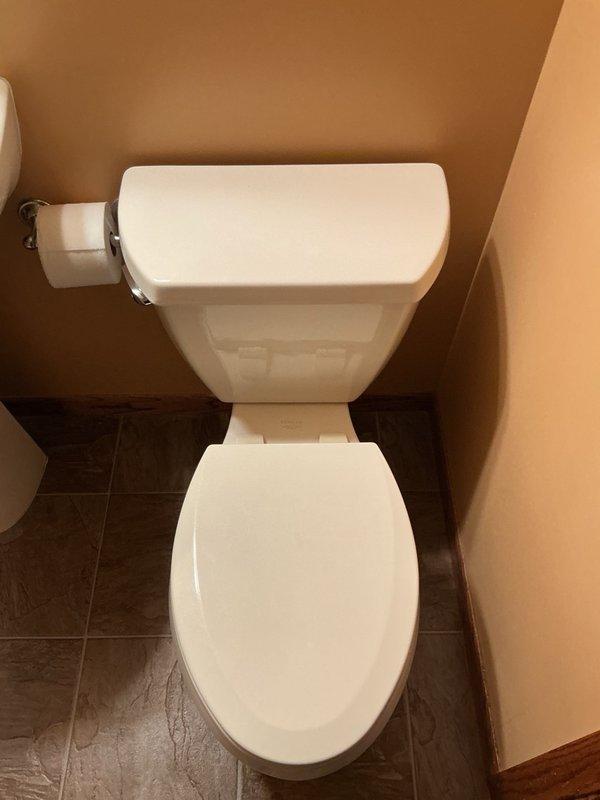

Responded to service call for two malfunctioning Kohler toilets in residence. Diagnosed and repaired leak on basement toilet caused by improperly secured tank-to-bowl bolt that was less than hand tight; tightened bolt to proper torque specification to eliminate leak. Inspected upstairs toilet with continuous running water issue and determined flush valve had failed and reached end of service life; noted significant sediment accumulation in tank affecting performance. Replaced defective flush valve assembly on upstairs toilet and restored proper fill and flush operation. Provided estimate for whole house water filtration system to address sediment concerns and prevent future component degradation.
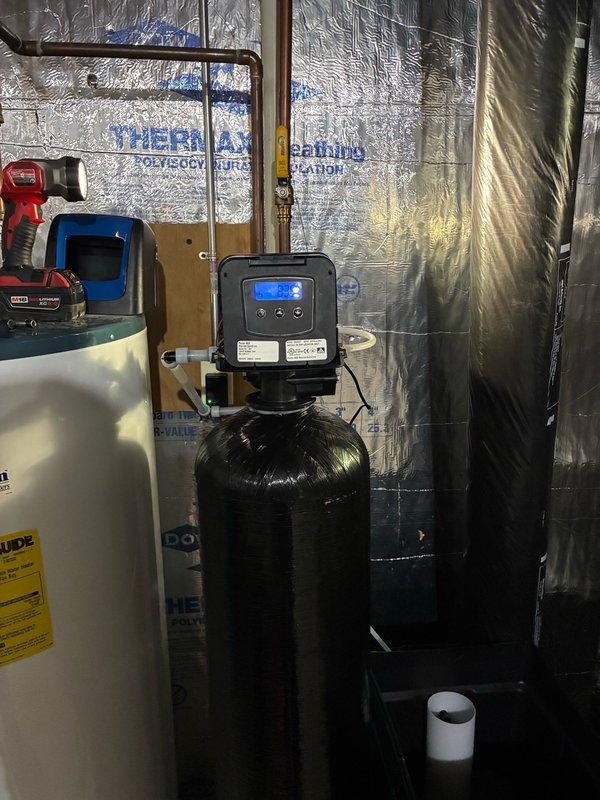
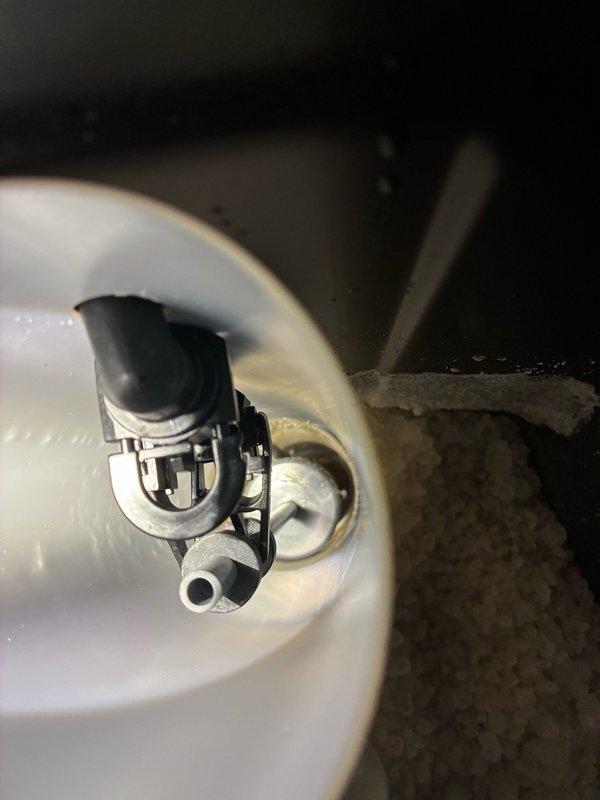

Responded to water softener system continuously draining to waste. Upon arrival, diagnosed unit stuck in rapid rinse cycle due to rotating disc spindle dislodged from piston head slot. Disassembled power head and removed piston assembly with spacer kit for inspection. Applied fresh lubricant to rubber seals and piston components. Repositioned disc spindle back into proper slot within piston head, removed control board to access mechanism, and reseated all components. Reassembled power head and conducted multiple dry cycle tests to verify proper rotation and positioning. Restored water supply and flushed system to confirm normal operation and proper cycling sequence.
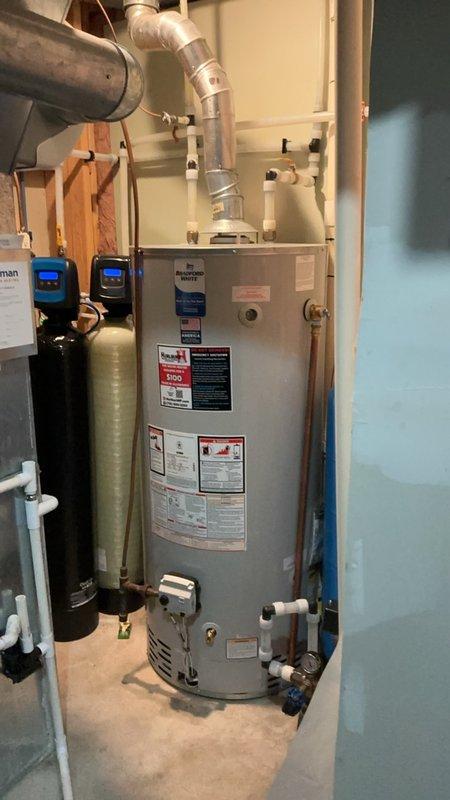
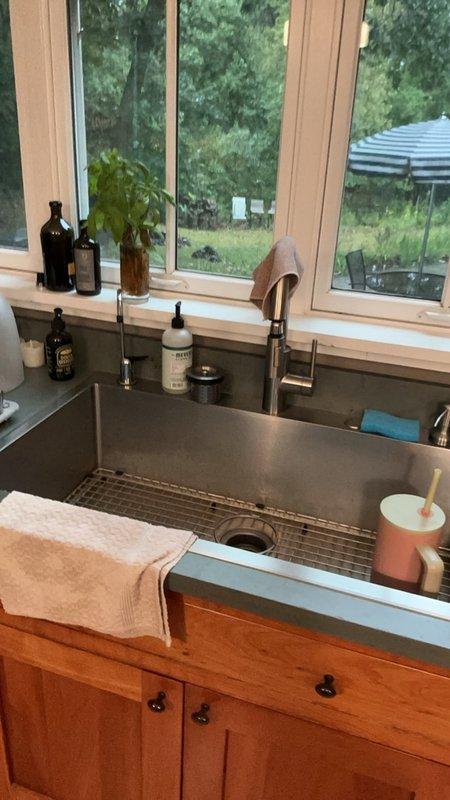

Completed comprehensive plumbing system inspection including water heater, water softener/filtration system, and kitchen plumbing fixtures. Inspected gas water heater with proper venting and pipe connections, verified operational status of dual water treatment tanks with digital controls, and examined kitchen sink faucet with pull-down sprayer for proper function and absence of leaks. All systems found to be in good working condition with no visible signs of corrosion, leaks, or required repairs at time of inspection.
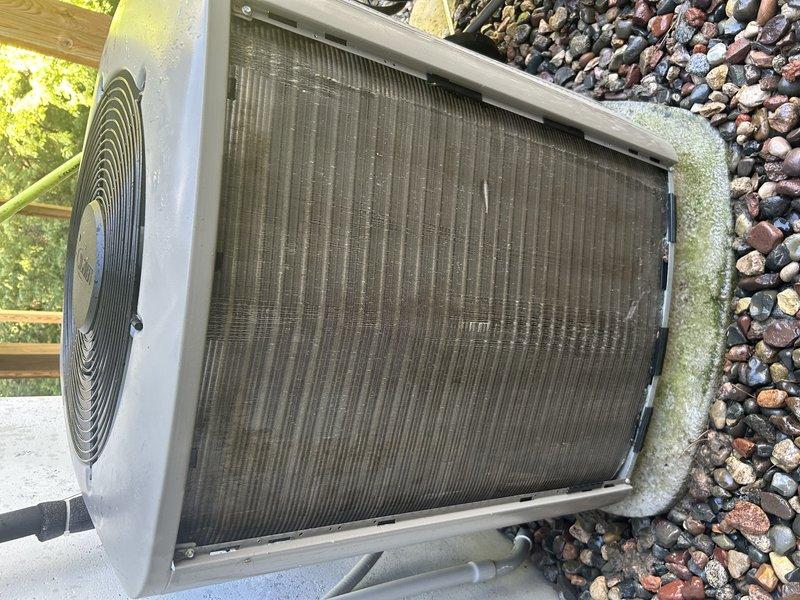

Completed comprehensive tune-up on furnace and air conditioning system. Tested furnace operation, verified humidifier function, confirmed proper temperature rise, cleared condensate drain, cleaned flame sensor, inspected igniter, checked blower compartment, and verified gas pressure—all within normal parameters. Switched to cooling mode and performed condenser coil wash. During AC performance testing, identified inadequate cooling and discovered system was low on refrigerant charge with abnormal pressure detected at service port. Added approximately one pound of refrigerant to achieve proper subcooling of 11-12°F, replaced valve cores, and injected UV dye for future leak detection. Performed preliminary leak check on evaporator coil with refrigerant detector with no leaks indicated. Advised monitoring charge levels at next annual service to determine if slow leak is present.
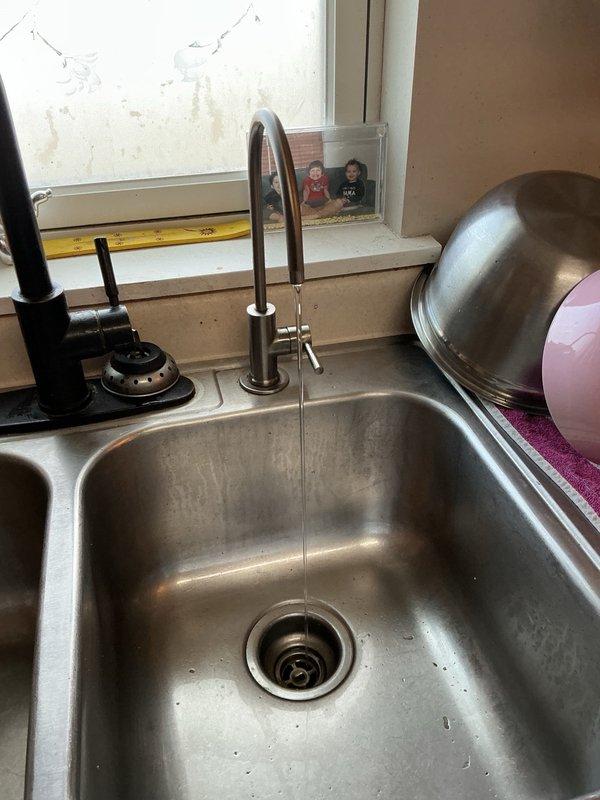
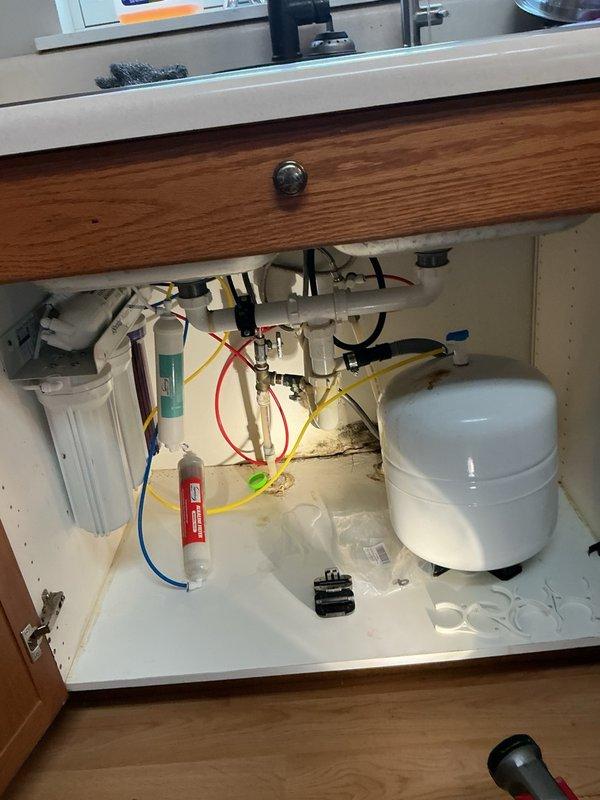

Responded to kitchen sink with no water flow following homeowner's faucet cord replacement, slow-filling toilet, and leaking reverse osmosis system. Upon inspection, determined check valve in kitchen faucet was installed backwards, preventing water flow. Corrected check valve orientation to restore proper water supply to sink. Diagnosed plugged fill valve in toilet causing slow tank refill. Removed and replaced defective fill valve with new unit to restore proper flush cycle. Removed leaking reverse osmosis system per homeowner request as unit was not in use. Tested all repairs to verify proper operation of kitchen faucet and toilet function.
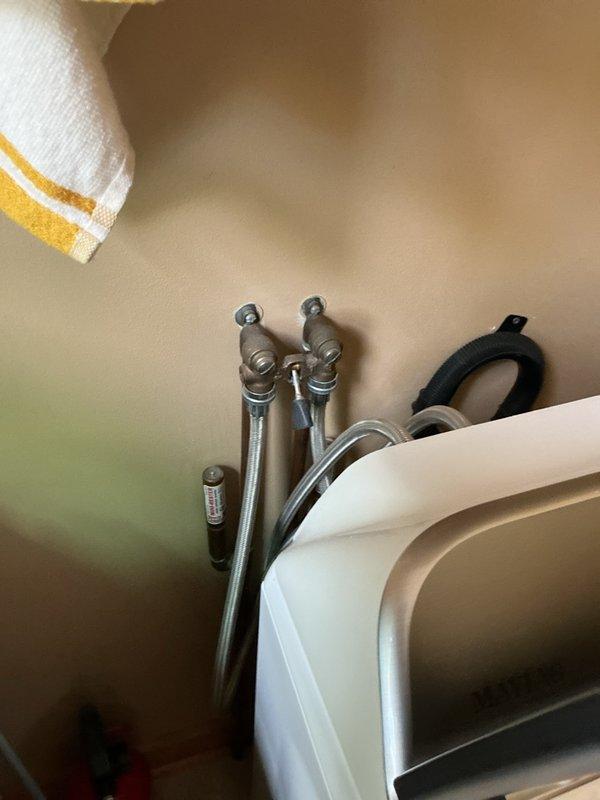
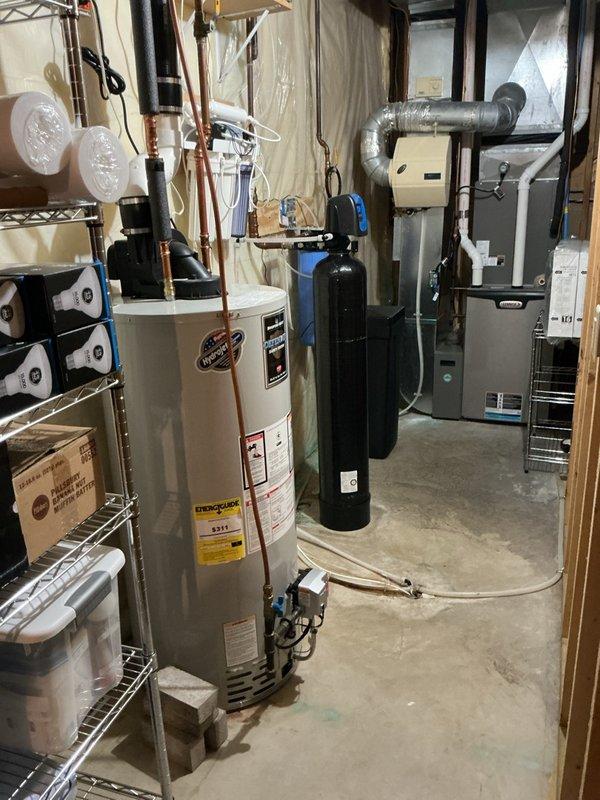
Completed comprehensive plumbing inspection of residential property including evaluation of washing machine supply lines, shut-off valves, water heater connections, and water treatment system components. All plumbing fixtures, connections, and mechanical systems were visually inspected and found to be in proper working condition with no leaks or immediate concerns identified.
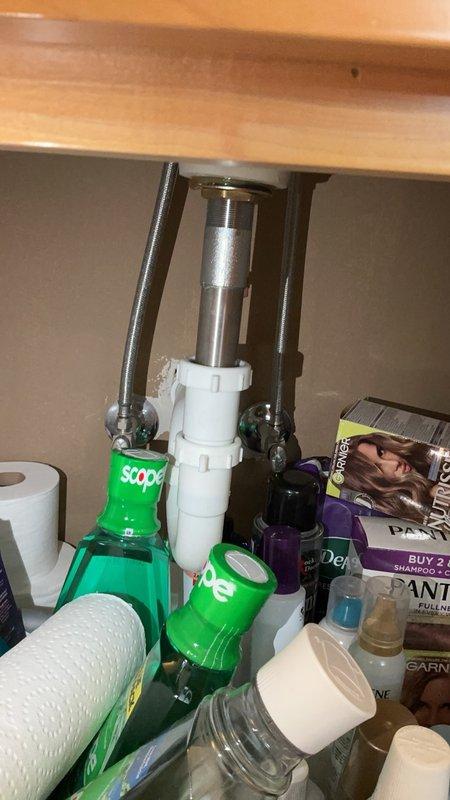
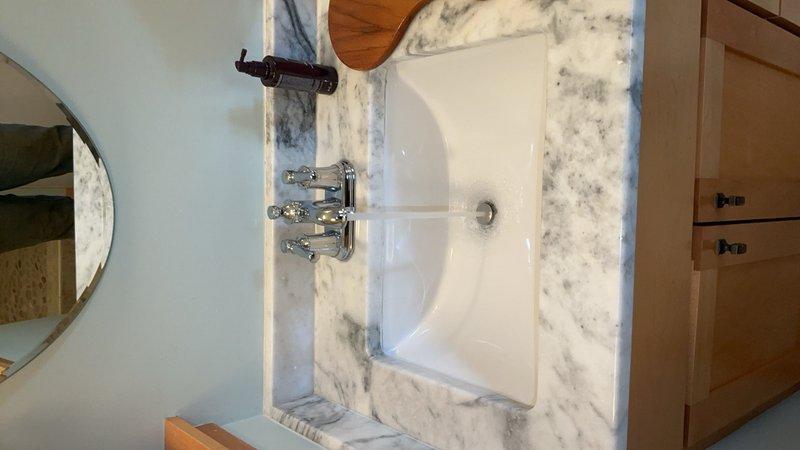
Completed pre-paid plumbing maintenance inspection at residential property built in 2007. During inspection, addressed customer concern regarding previous basket strainer installation that resulted from miscommunication with prior service visit. Removed recently installed basket strainer and reinstalled garbage disposal unit per customer preference, ensuring proper connection to drain assembly and verifying operational functionality of disposal system.
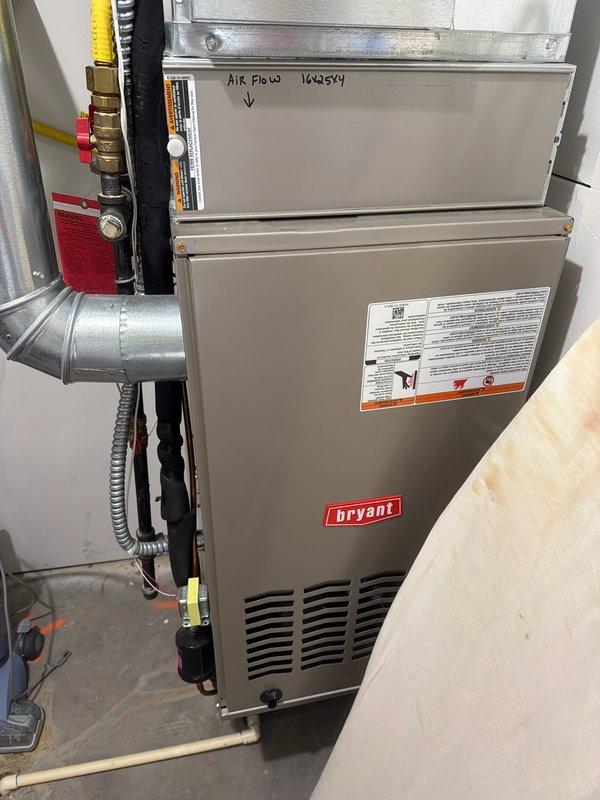
Responded to gas leak emergency on Bryant furnace after utility company identified leaking regulator and shut off gas supply. Cut existing gas piping to install union, then replaced faulty regulator. Performed bubble test on all fittings to verify leak-free connections and restored gas service. Re-lit water heater pilot light to complete restoration of gas appliances.
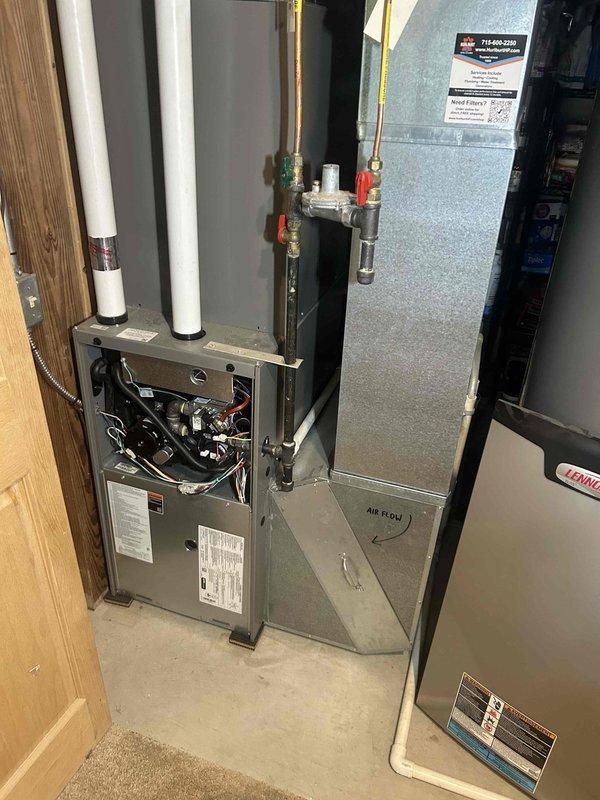
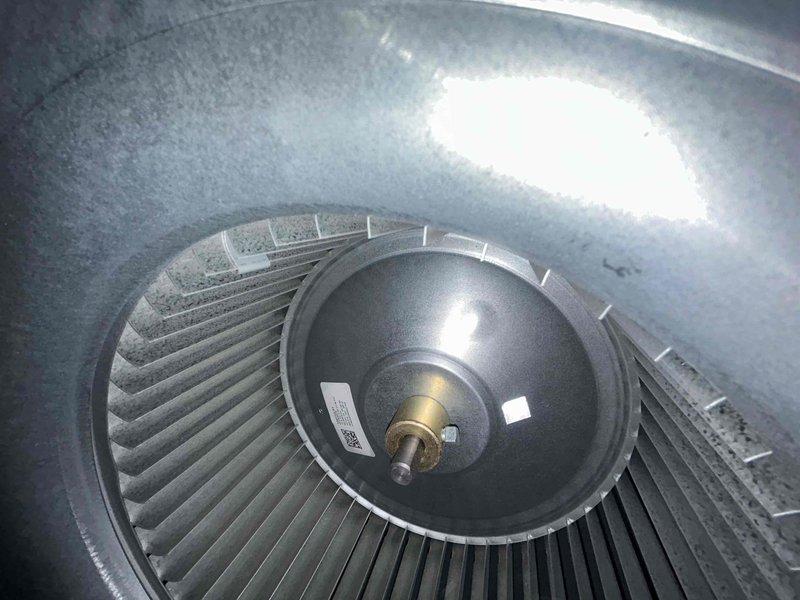
Completed scheduled heating maintenance and furnace tune-up on residential HVAC system. Performed comprehensive operational testing including temperature rise verification, gas pressure adjustment confirmation, flame sensor cleaning, and igniter inspection. Replaced air filter, flushed condensate drain line to ensure proper drainage, inspected blower compartment and assembly, and verified all pressure switches functioning correctly. All system components operating within manufacturer specifications with no issues identified.
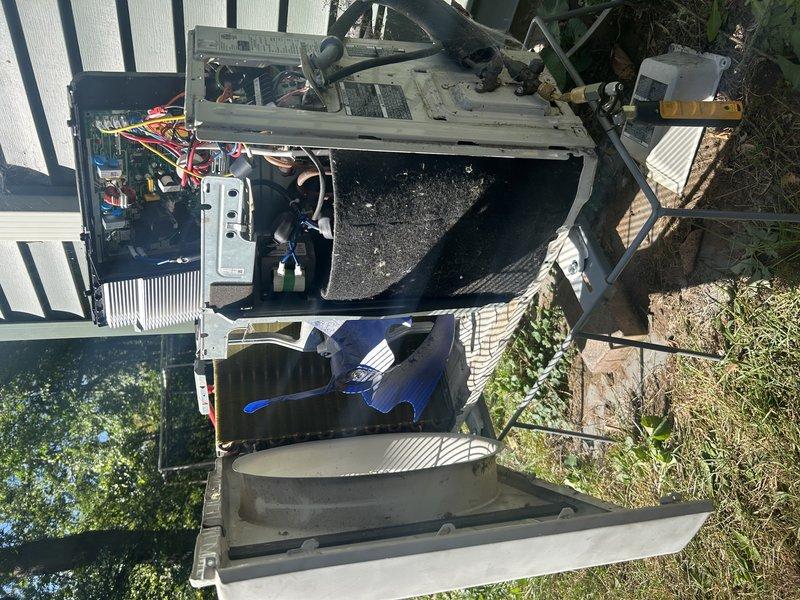
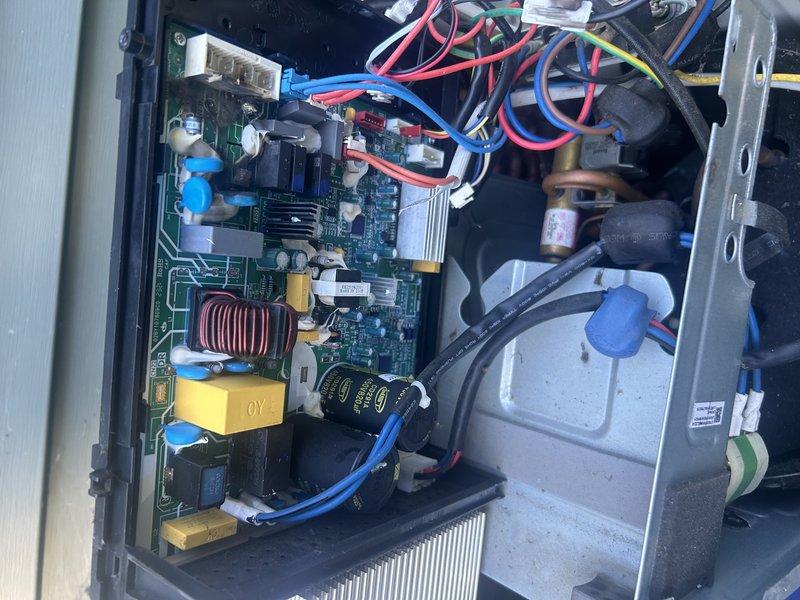
Responded to service call for mini-split system experiencing operational issues. Replaced control board under manufacturer warranty and contacted technical support to obtain proper DIP switch configuration for the new board, as settings differed from original unit. Upon testing, compressor cycled on briefly then shut down. Verified standing refrigerant pressures were within normal range for ambient conditions. Performed diagnostic testing on condenser fan motor with technical support guidance, revealing unstable resistance readings indicating motor failure. Determined that additional condenser fan motor replacement and second control board will be required to restore system operation. Completed scheduled furnace maintenance during same visit. Tested temperature sensors and confirmed proper operation. Inspected air filter and found it clean. Cleared condensate drain line to ensure proper drainage. Inspected and verified flame sensor and igniter condition. Checked blower compartment an
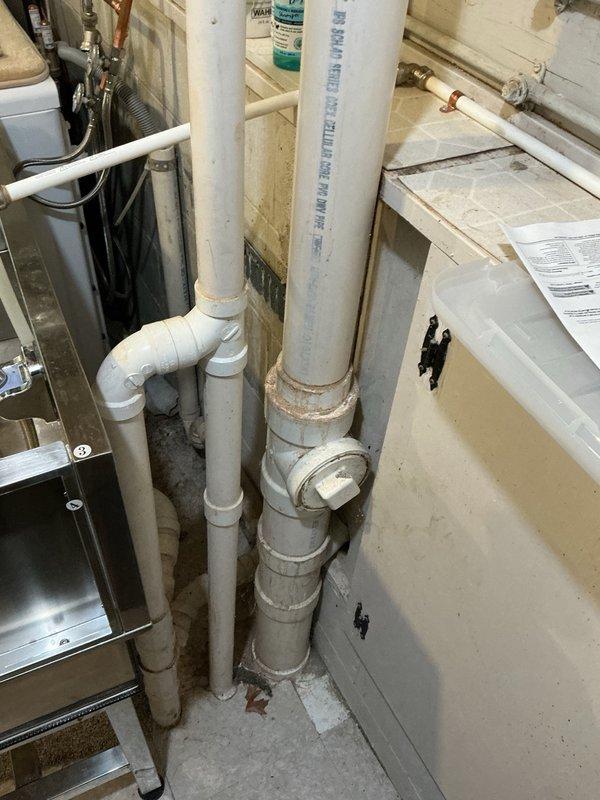

Responded to concerns regarding slow-draining shower, odorous floor drains, and potential sewer backup issues. Performed video camera inspection of main sewer line and removed shower drain cap to visually inspect the P-trap, finding both clear of obstructions. Determined that the slow drainage may be attributed to an underground venting issue rather than a blockage in the drainage system.
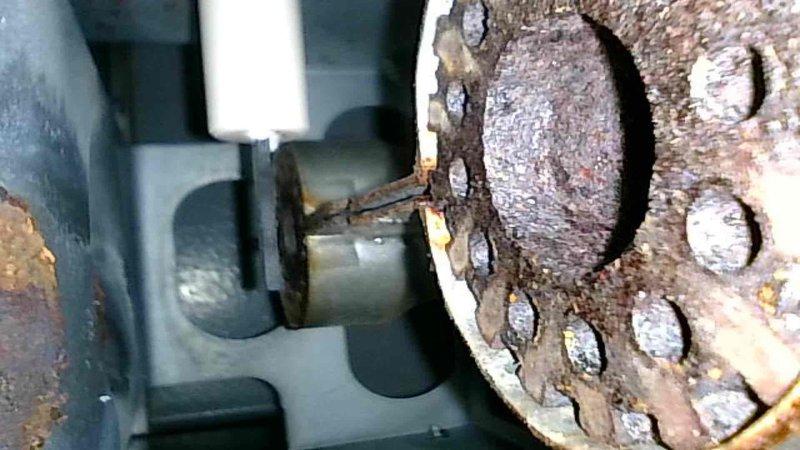
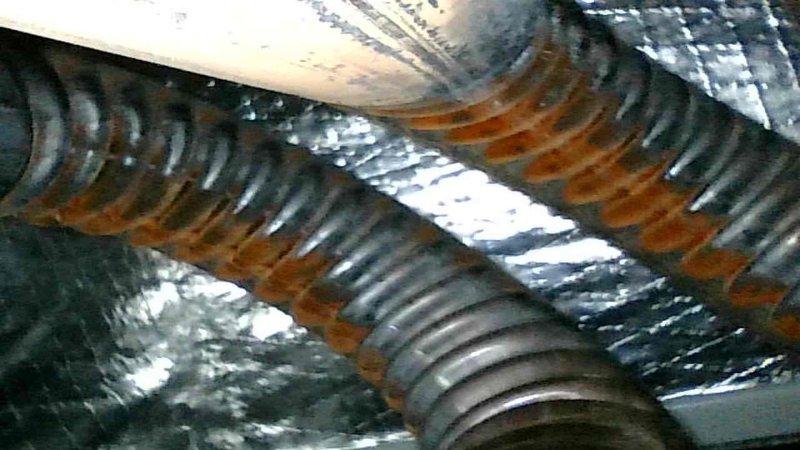
Completed comprehensive furnace and air conditioning maintenance tune-up on multiple HVAC units. Performed full furnace inspection including cleaning flame sensor, verifying proper condensate drainage, checking blower motor speeds, and inspecting heat exchanger with no issues found. Confirmed gas pressure within specifications and burners operating cleanly. System startup verified with 50° temperature rise across heat exchanger, indicating proper operation. Proceeded to air conditioning unit where electrical components were inspected and tested. Removed access panels and flushed condenser coils to remove debris and buildup, restoring optimal heat transfer efficiency. Verified evaporator drain line flowing freely with no blockages. Air conditioning system tested with 19° temperature drop across evaporator coil, confirming proper refrigerant charge and system performance. Additionally adjusted temperature setting on recently installed water heater per occupant request. All systems operat
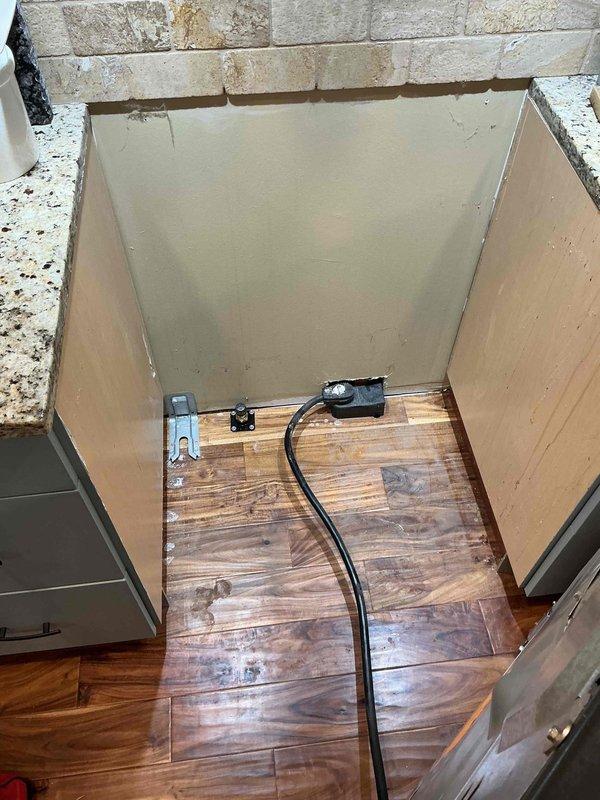
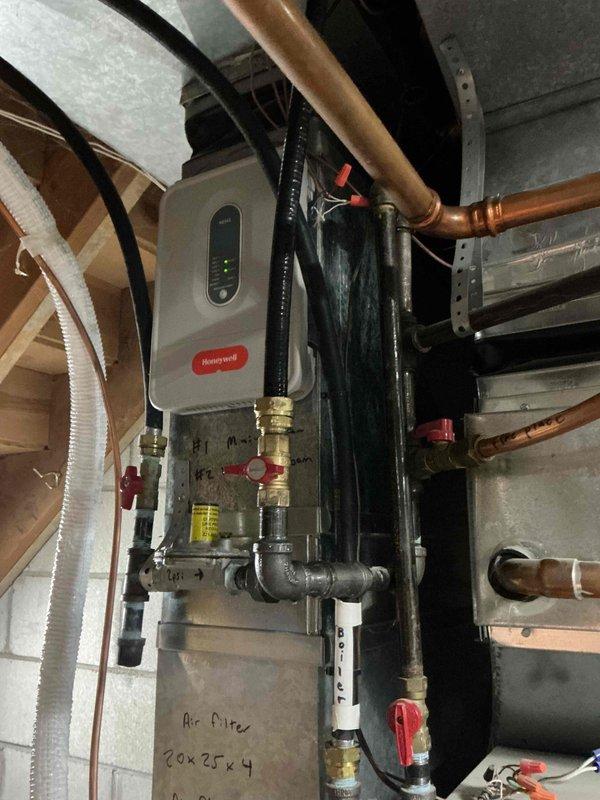
Installed flexible gas line up to 10 feet with two fittings to supply new stove location. Drilled access point through kitchen floor at appliance alcove and installed gas-tight floor bracket with fitting. Accessed basement area below and tapped into existing gas supply line, running new branch line vertically through floor to terminate at kitchen level. Secured all connections with proper fittings and brackets. Pressurized the gas system and performed leak detection testing on all new joints and fittings—no leaks detected. System passed pressure test successfully. Shut off gas supply at isolation valve and capped the terminal end of the new gas line. Installation is ready for appliance connection by stove installer, who will remove cap and complete final hookup to appliance.
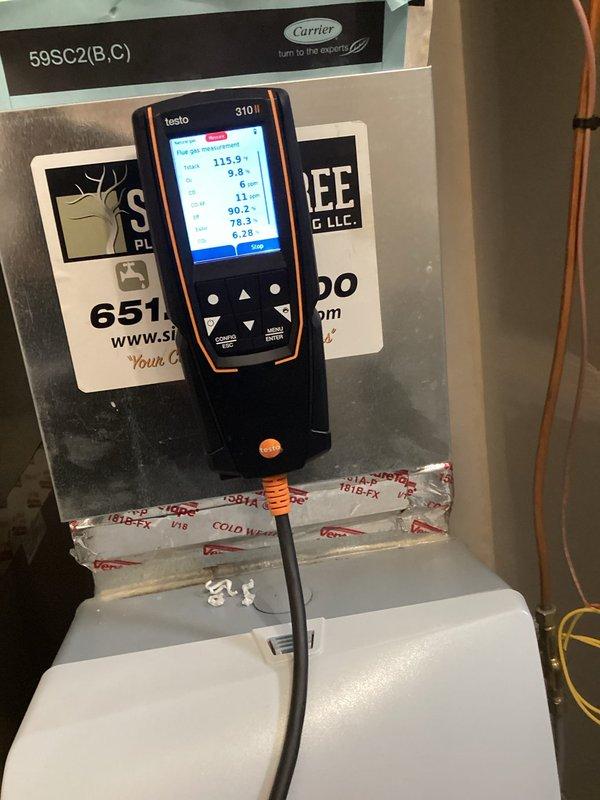
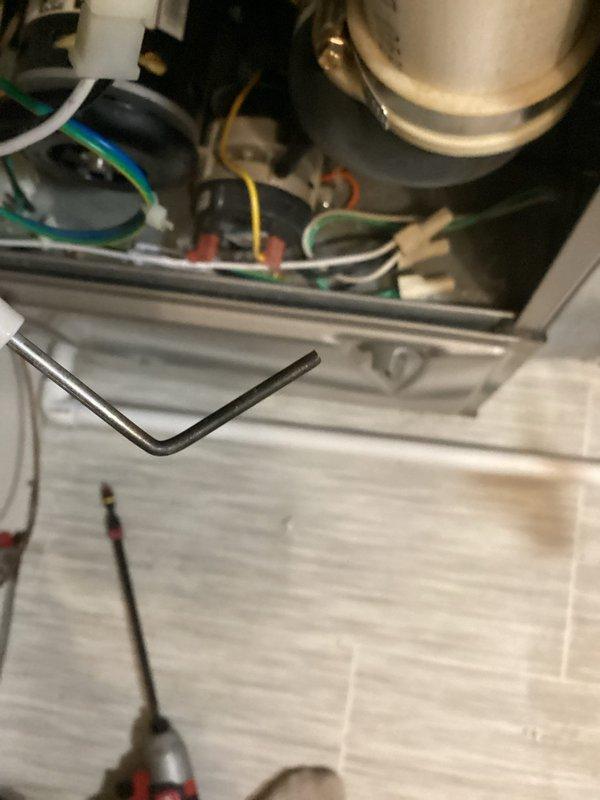

Completed scheduled heating system maintenance and tune-up on Carrier furnace model 59SC2. Upon inspection, discovered seized inducer motor which was manually freed to restore operation, though motor will require replacement in near future. Found improperly installed air filter causing restricted airflow and system shutdown; replaced filter to restore proper airflow and operation. Measured gas pressures using Testo 310 II combustion analyzer and found inlet pressure below manufacturer specifications; adjusted gas valve to bring pressure within acceptable range. Performed complete safety and efficiency assessment of heating system. System operational at time of departure but recommend scheduling inducer motor replacement to prevent future failure.
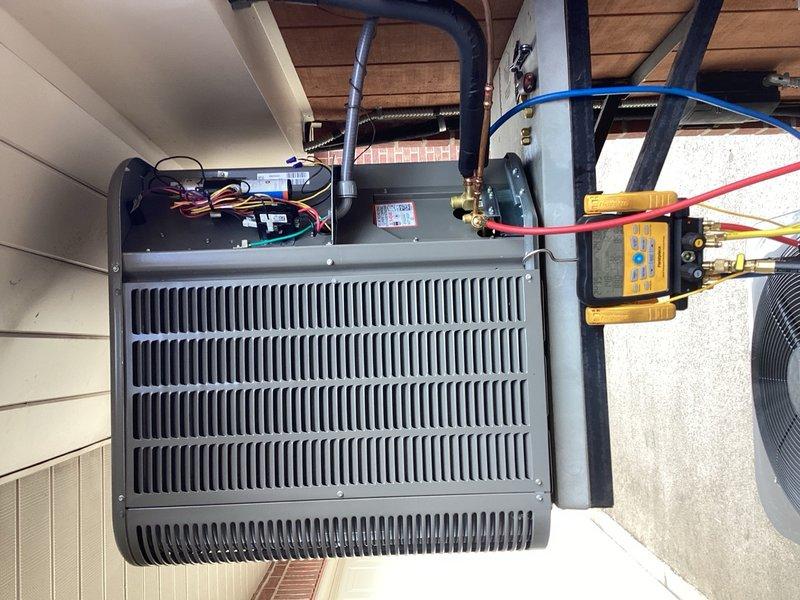
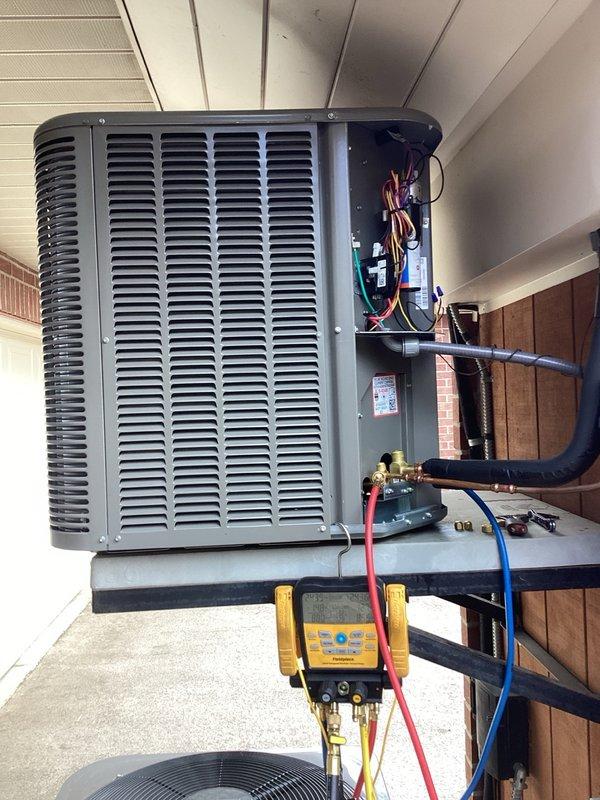

Responded to warranty call for refrigerant leak on recently replaced condensing unit. Recovered refrigerant from system and performed comprehensive pressure testing at 600 PSI with nitrogen for one hour with zero pressure drop, confirming no leaks in condenser coil or primary refrigerant circuit. Suspect leak originating from location other than outdoor unit based on testing results. Pressurized system to maximum capacity with available nitrogen supply and injected UV dye into refrigerant circuit to facilitate leak detection during extended runtime. Disconnected electrical power at breaker and disconnect switch per safety protocol, leaving system pressurized for leak identification. System requires substantial operating hours for UV dye to circulate and pinpoint leak location during follow-up inspection.
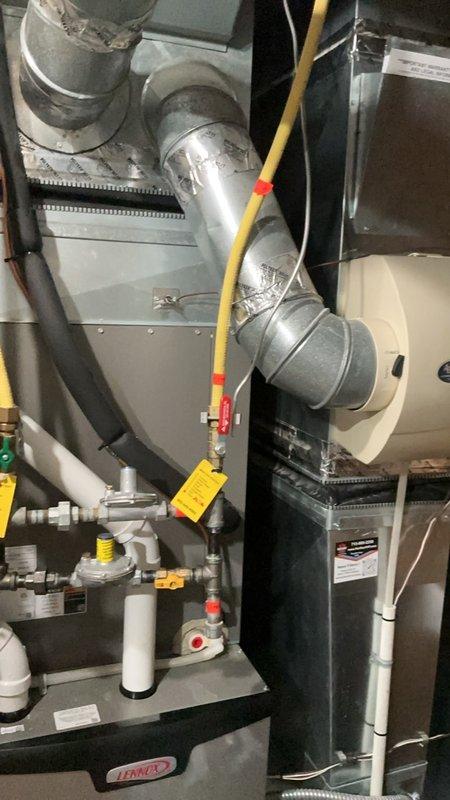
Responded to callback regarding electrical grounding issue discovered during previous water softener and RO system installation. Upon inspection, confirmed that ground bonding lines for gas piping were disconnected and not reconnected during the initial installation. Documented the condition with photographs showing the gas line assembly and HVAC mechanical room configuration. Determined that a licensed electrician is required to properly run grounding wire from the gas-tight connection back to the ground rod to restore proper electrical bonding and meet code requirements.
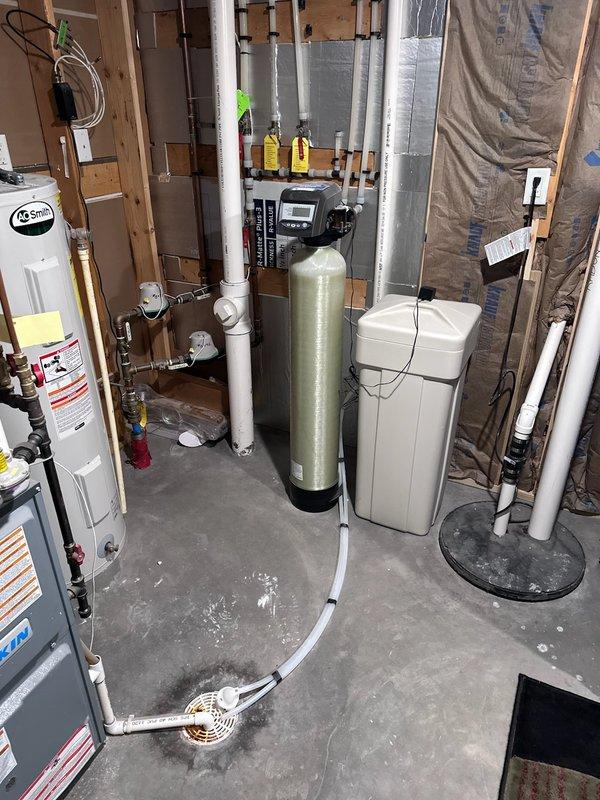
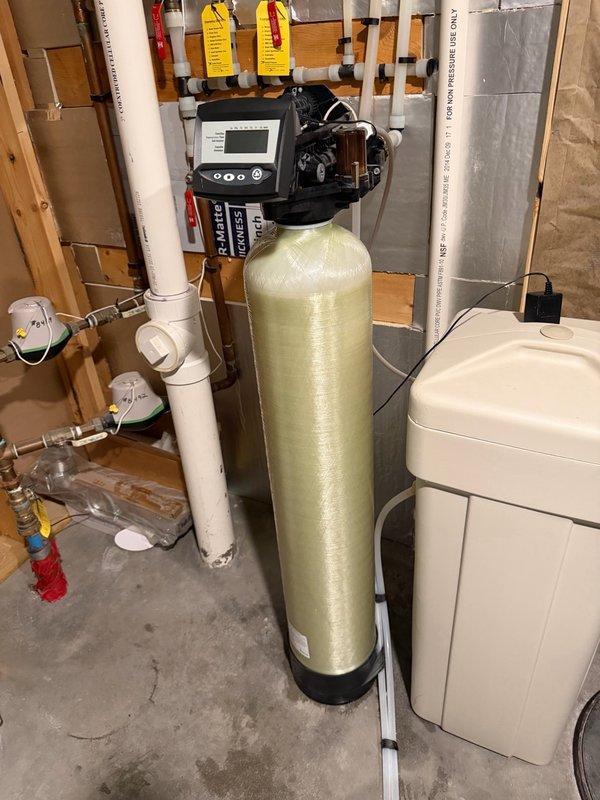
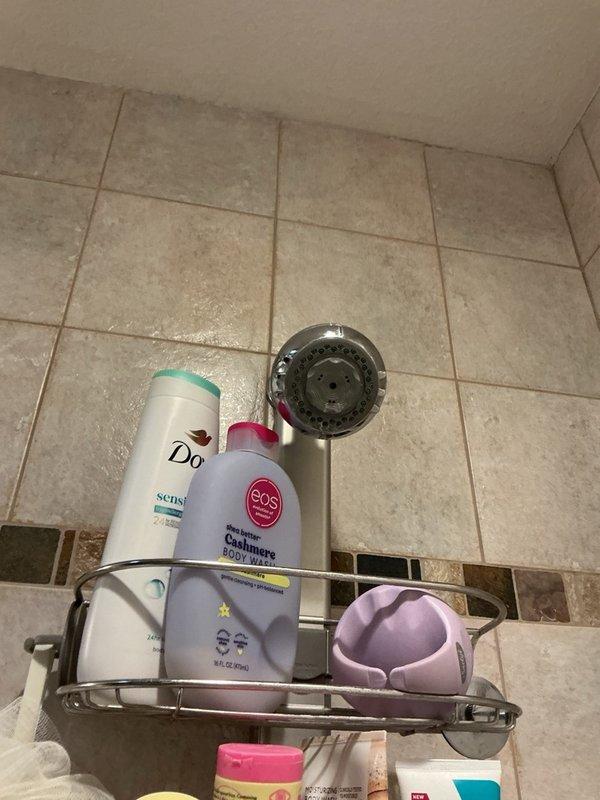
Responded to low water pressure complaint affecting the upper level of a 10-year-old residence. Upon arrival, confirmed that water pressure issues occurred only when the water softener was in service, with normal pressure restored when the system was bypassed. Performed diagnostic testing on the water softener system and identified that the softener control head was malfunctioning and not fully shifting during regeneration cycles, restricting water flow and causing reduced pressure throughout the upper level plumbing fixtures. The control head's failure to complete proper valve positioning prevented water from passing through the system at full volume. Provided estimate for replacement of the defective softener control head and complete resin bed replacement to restore proper system operation and water pressure. Documented equipment condition with photographs showing the existing water softener tank, brine tank, control head assembly, and associated plumbing connections. Submitted serv
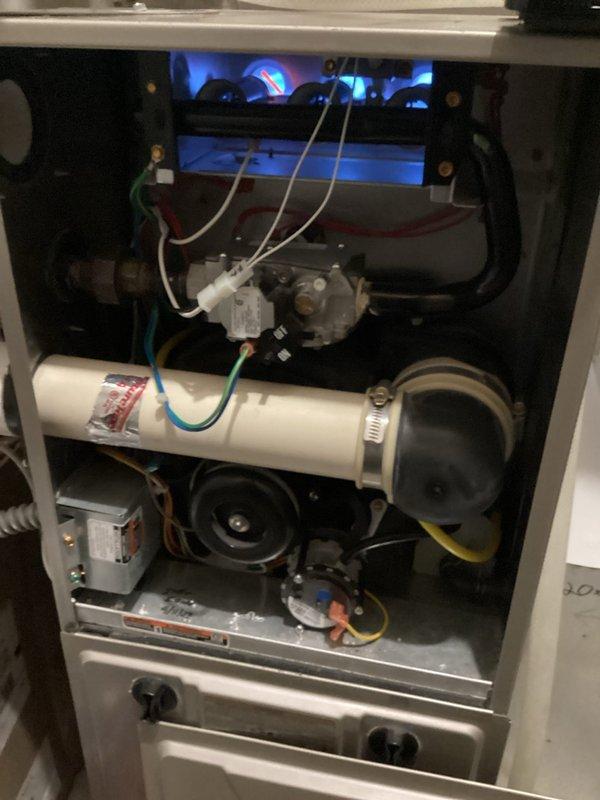
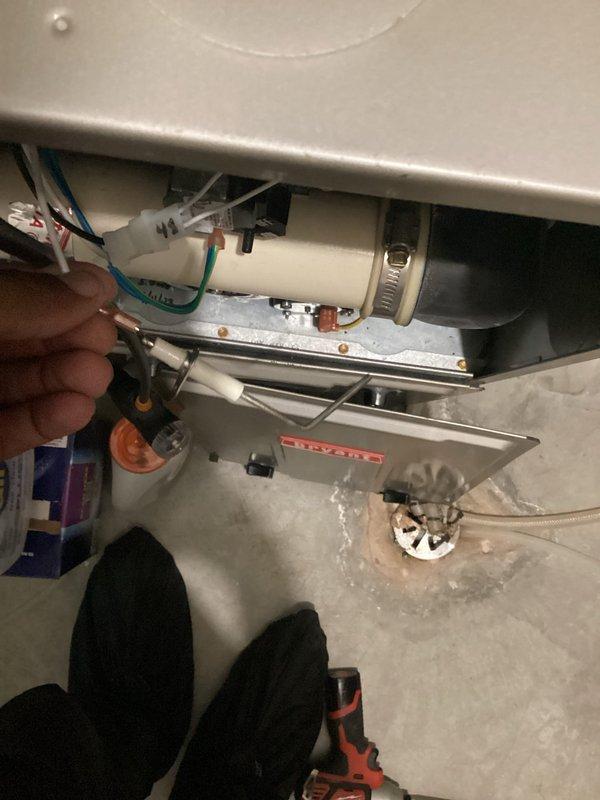
Completed scheduled maintenance tune-up on a six-year-old Bryant high-efficiency gas furnace as part of routine preventative service agreement. Conducted comprehensive safety and performance inspection with no issues reported from previous heating season. Verified burner operation with proper blue flame combustion pattern across all burners. Inspected and confirmed air filter cleanliness, flame sensor condition, hot surface igniter integrity, and all electrical connections secure and functioning properly. Tested and verified gas pressures within manufacturer specifications. Switched humidifier system from summer to winter mode and activated for heating season operation. Inspected blower motor assembly, condensate drain system, and gas valve assembly. All system components found to be in good working order with no immediate concerns or deficiencies identified. Unit operating safely and efficiently, ready for heating season.
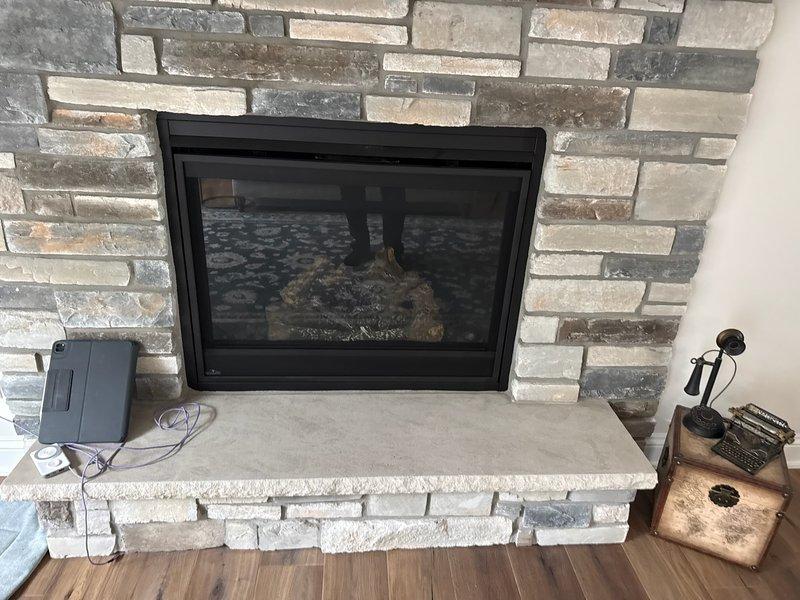
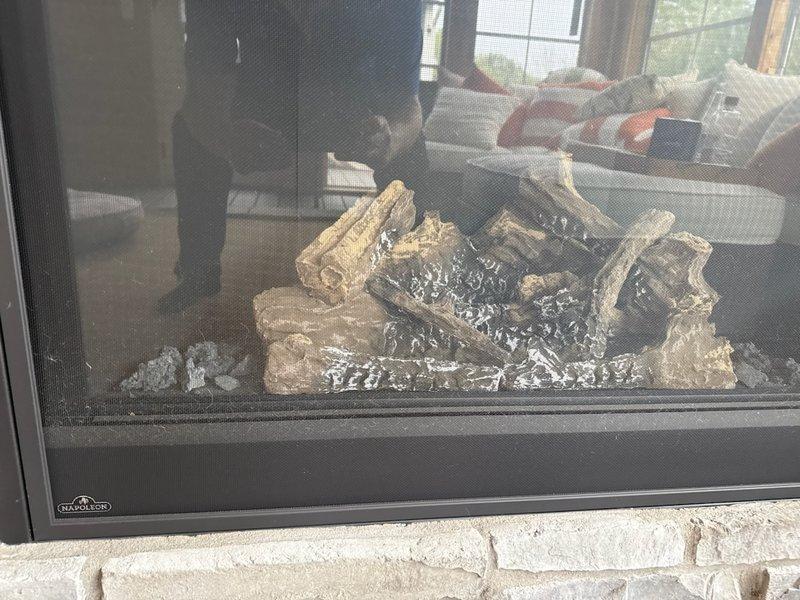
Responded to callback for two non-operational gas fireplaces following recent boiler and garage heater installation. Upon inspection, determined that pilot lights on both Napoleon gas fireplace units had not been relit after the initial installation work. Successfully relit pilots on both units, verified ignition sequence, and tested full operation to confirm proper flame characteristics and thermostat response. Both fireplaces now functioning as designed.
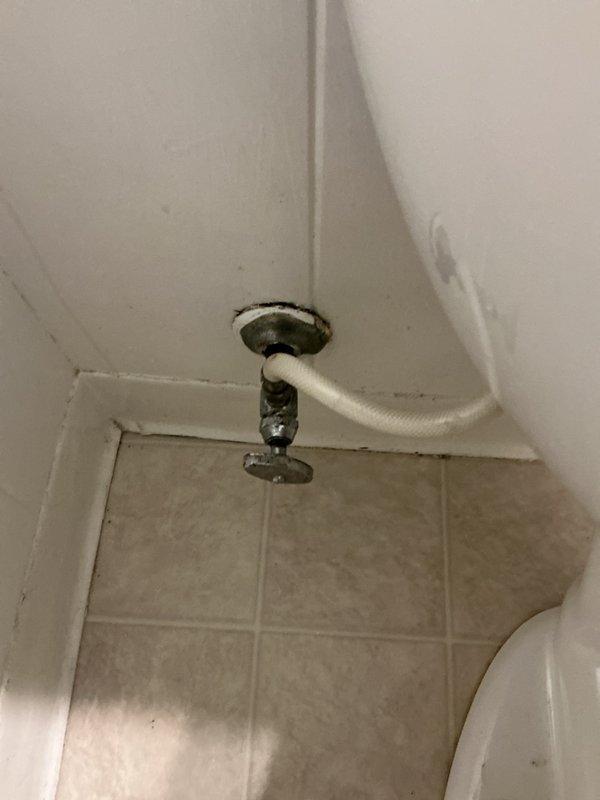
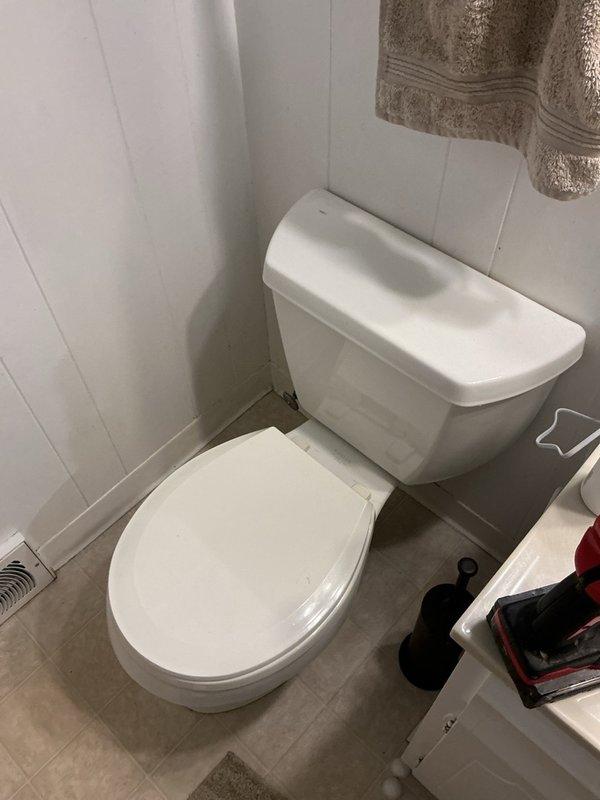
Responded to service call for leaking toilet with failed wax ring seal and inoperative shut-off valve. Upon inspection, identified leaking bolts and gaskets at the base of the toilet fixture. Assessed condition of mounting hardware and sealing components, noting corrosion and deterioration around the flange area. Documented existing conditions and provided estimate for complete toilet replacement due to extent of seal failure and compromised mounting system.



©2026 Hurlburt. All Rights Reserved.
Privacy Policy | Terms and
Conditions
This site is protected by reCAPTCHA and the Google Privacy Policy and Google Terms of Service apply.
